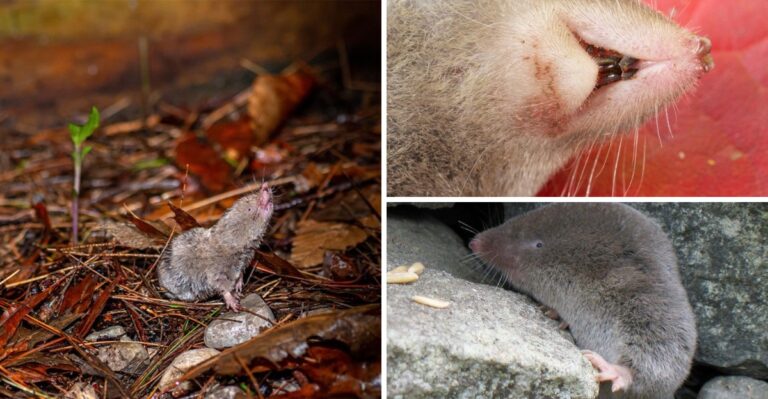
You step outside on a cold Minnesota morning and find your fresh snow covered in tiny footprints, long hops, and winding trails. Something was busy out there while you slept.
Learning to read those tracks is like reading a secret diary that wild animals write every night. Once you know what to look for, your backyard turns into a mystery you can solve with a cup of cocoa in hand.
1. Red Fox
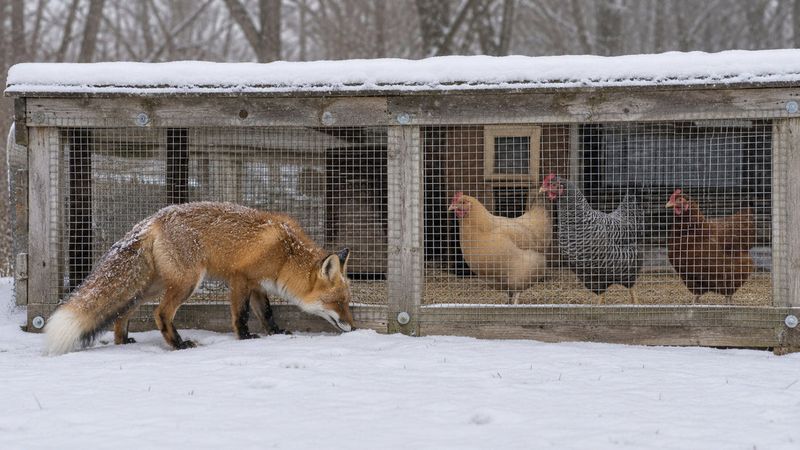
Picture a tightrope walker crossing your lawn at 2 a.m. That is basically what a red fox does, placing each hind foot right into the print of its front foot.
The result is a neat, almost perfectly straight line of oval prints about two inches long.
Fox tracks look a lot like a small dog’s, but there is a trick to telling them apart. Dog prints tend to wander and zigzag, while a fox trots with purpose, as if it has an appointment to keep.
Look for a chevron-shaped pad on the heel and furry toes that blur the edges in soft snow.
Foxes often patrol yards hunting voles under the snow. If you spot a spot where the trail stops and a small crater appears, you may have found where a fox pounced headfirst.
Scientists think foxes may even use Earth’s magnetic field to aim those leaps.
2. Eastern Cottontail Rabbit
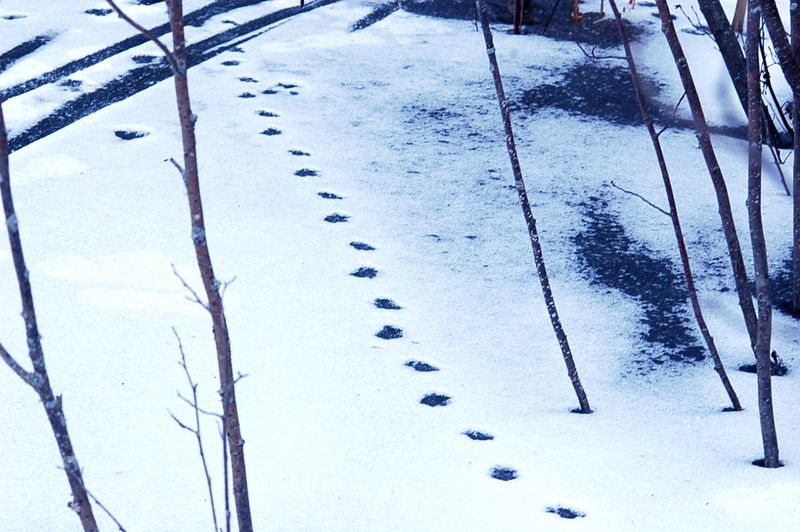
Ever notice tracks that look like a little exclamation point repeated over and over? Congratulations, a cottontail threw a party near your shrubs.
Rabbit prints come in sets of four, with two long hind feet landing ahead of two small front feet.
It seems backward at first. When a rabbit hops, its big back legs swing past the front ones, so the larger prints actually show the direction it was heading.
Kids love figuring this out, and it makes a great puzzle for a snow day.
Follow the trail and you will often find it leads to a brush pile, a deck, or under your evergreens. Chewed twigs with clean, angled cuts nearby confirm the rabbit stopped for a midnight snack.
If your young fruit trees are getting nibbled, a simple wire guard around the trunk can save them.
3. White-Tailed Deer
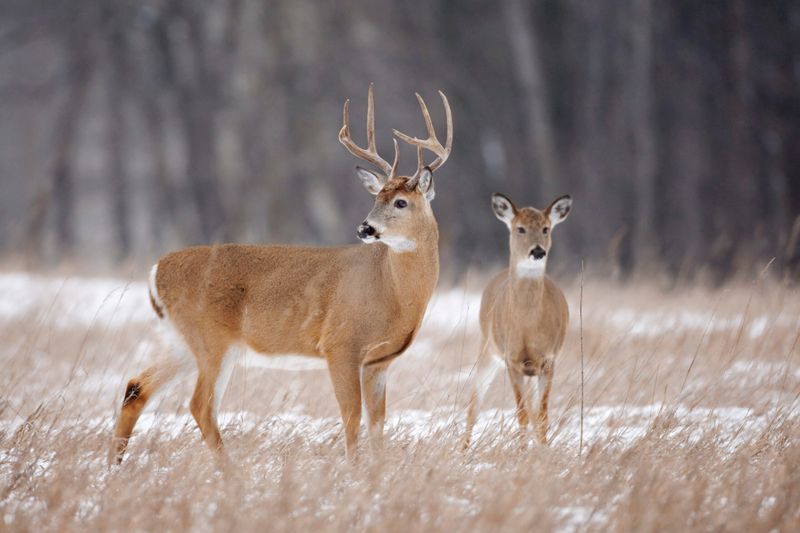
Split hearts pressed deep into the snow are the calling card of Minnesota’s most famous neighbor. White-tailed deer leave two-toed hoof prints, pointed at the front, that can sink several inches into a fresh drift.
Deer often travel the same route night after night, packing down a trail that looks almost like a sidewalk. If you see one near your garden, there is a good chance your arborvitae or hostas are on the menu.
In deep snow, you might also see drag marks between prints, since deer lift their legs less when tired.
Here is a fun one: look for oval melted patches in the snow. Those are deer beds, where an animal curled up to rest.
Their body heat leaves an outline you can measure to guess the deer’s size.
4. Raccoon
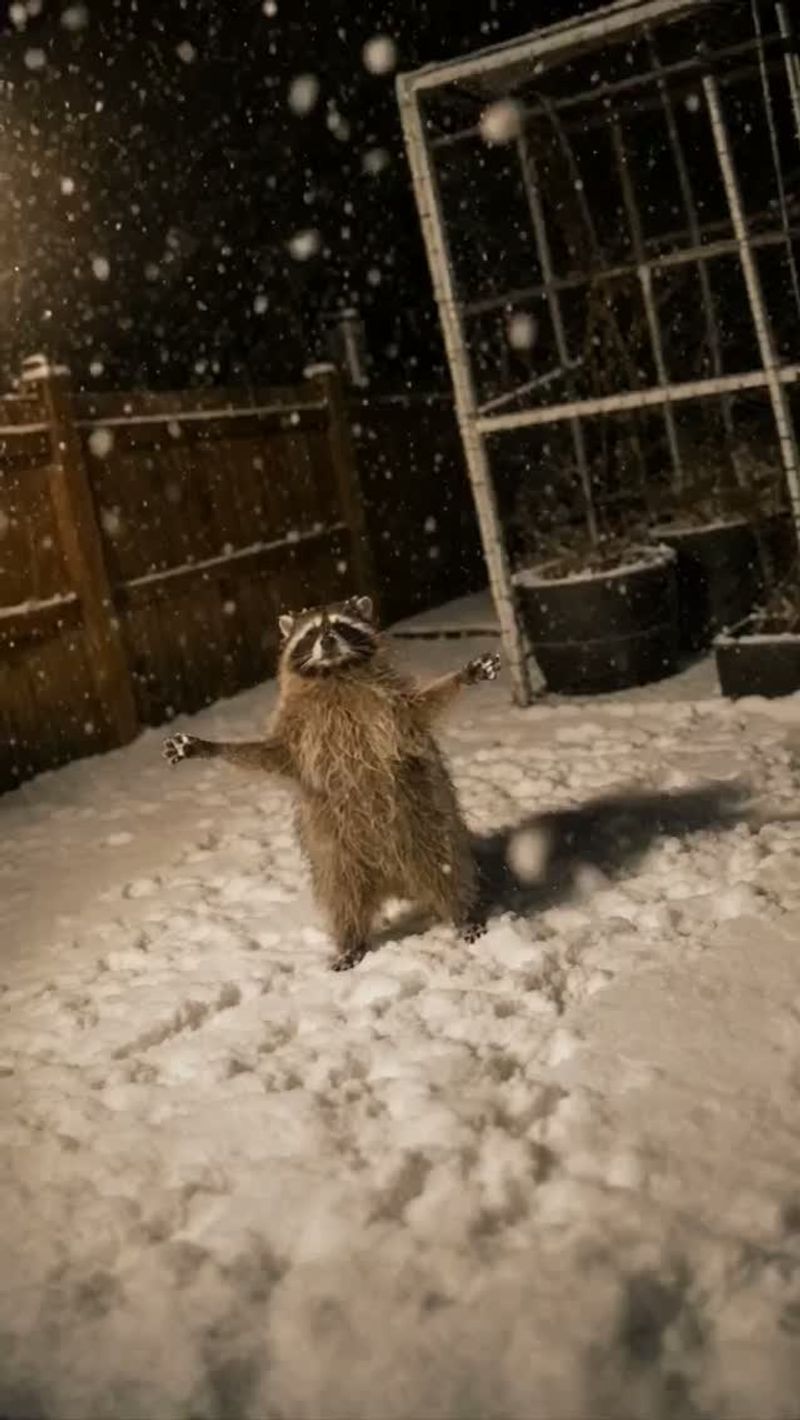
Tiny handprints near the trash cans can feel a bit spooky until you meet the culprit. Raccoons have five long, finger-like toes on each foot, and their prints honestly look like a baby crawled through your yard.
Their walking pattern is unique too. A raccoon’s hind foot lands beside the opposite front foot, creating pairs of prints side by side.
Once you have seen that pattern, you will never mix it up with anything else.
Raccoons do not truly hibernate in Minnesota. They sleep through the worst cold snaps, then wander out on milder nights hunting for food.
Tracks heading toward your garage, compost, or bird feeder are a strong hint to lock things up tight.
5. Coyote
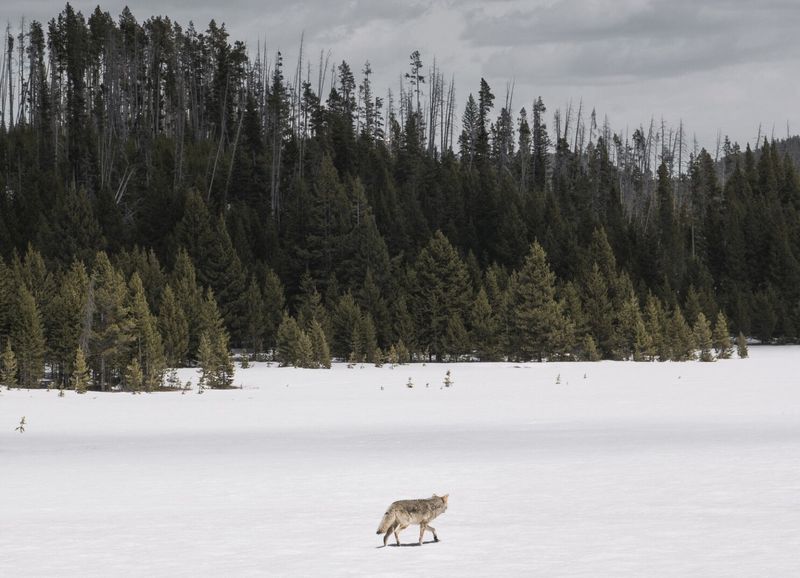
Coyotes live in nearly every Minnesota county, including the Twin Cities. So if you spot dog-like prints and your neighbor swears their pup stayed inside, a wild canine may have trotted through.
Coyote tracks are a bit bigger than a fox’s, around two and a half inches long. The toes are tucked tightly together, and the two outer toenails often point inward.
You can draw an X between the toe pads and heel pad without touching any part of the print, a classic tracker’s test.
Their trails usually run straight across open ground, cutting along fence lines and field edges. Coyotes are generally shy of people.
Still, keeping small pets inside at night is a smart move once you know they are passing by.
6. Gray Squirrel
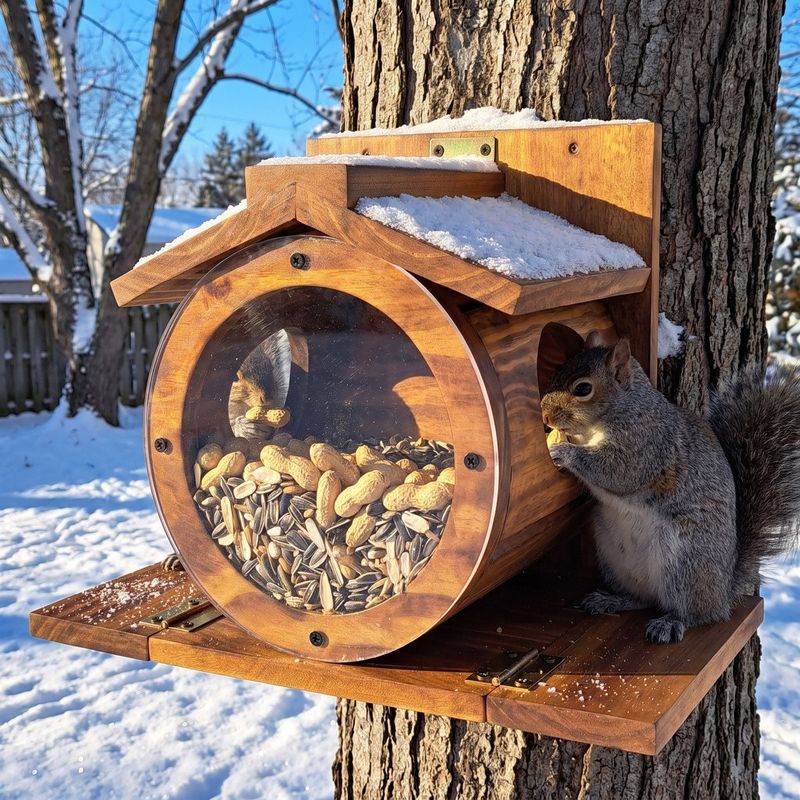
Okay, technically squirrels are daytime visitors. But their tracks get mixed up with the night crowd all the time, so they earn a spot here as the troublemaker you need to rule out.
Squirrel prints look like rabbit tracks at first glance, with the big hind feet landing in front. The difference is that a squirrel’s small front feet land side by side, while a rabbit’s usually land one behind the other.
Squirrel trails also love to start and end at tree trunks.
If the trail bounces straight to your bird feeder, you already know who has been stealing the sunflower seeds. Fun fact: squirrels bury thousands of nuts each fall and forget many of them, which helps plant new oak trees across the state.
7. Striped Skunk
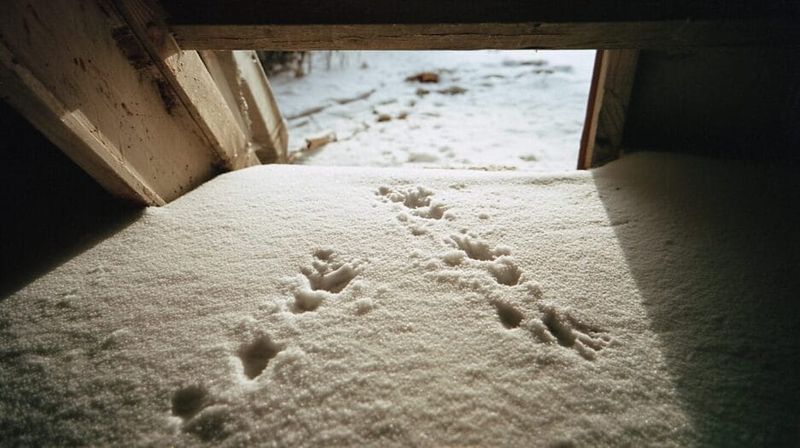
Late February sometimes brings a surprise smell drifting across the yard. That is often the season when skunks wake up and go looking for mates, leaving a waddling trail behind.
Skunk prints have five toes with long claw marks on the front feet, a little like a tiny bear. Their trail looks jumbled and uneven because skunks are slow, wandering walkers.
They seem to stroll rather than travel anywhere in a hurry.
If the tracks disappear under your deck or shed, you may have a tenant. Gently blocking the opening after you are sure the animal has left is the kindest fix.
And if your dog finds it first, keep some dish soap and baking soda handy.
8. Opossum
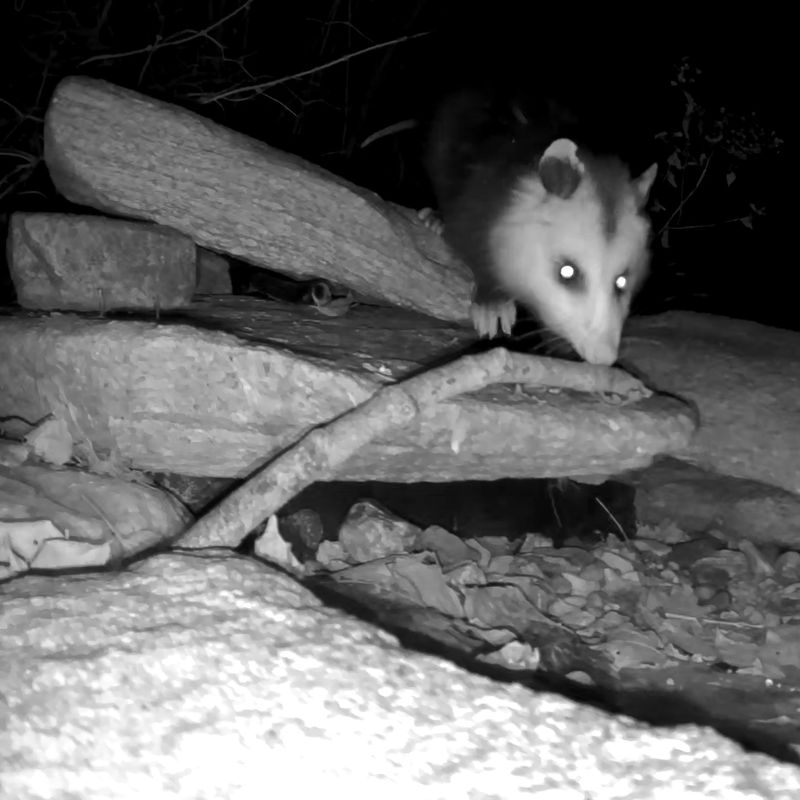
Few prints are as strange as the opossum’s. The front foot looks like a little star, and the hind foot has a thumb sticking out sideways, almost like a hitchhiker’s hand.
Opossums are fairly new to Minnesota, slowly moving north over the past century. They struggle in deep cold, and some even lose bits of their ears and tail tips to frostbite.
Spotting their tracks, especially in southern parts of the state, means one has been brave enough to brave the chill.
Good news for gardeners: opossums eat ticks, slugs, and fallen fruit. They are North America’s only marsupial, meaning moms carry babies in a pouch like a kangaroo.
Pretty fancy for a yard visitor most people overlook.
9. Mice and Voles
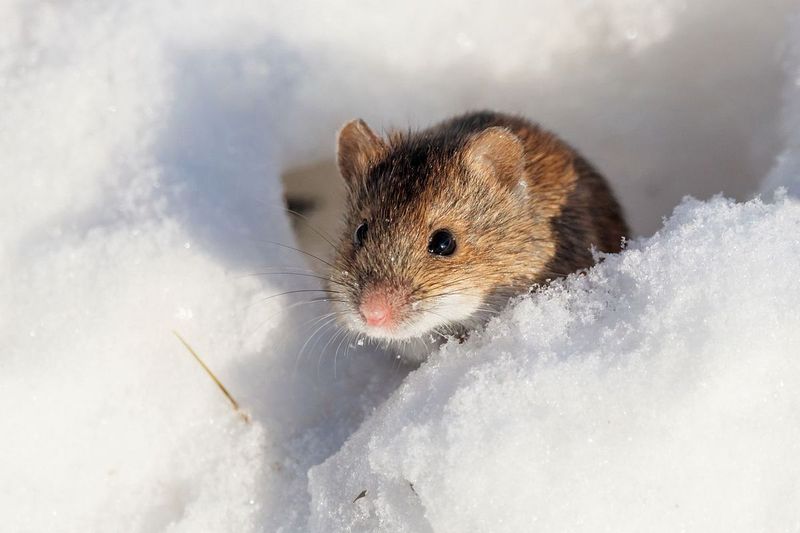
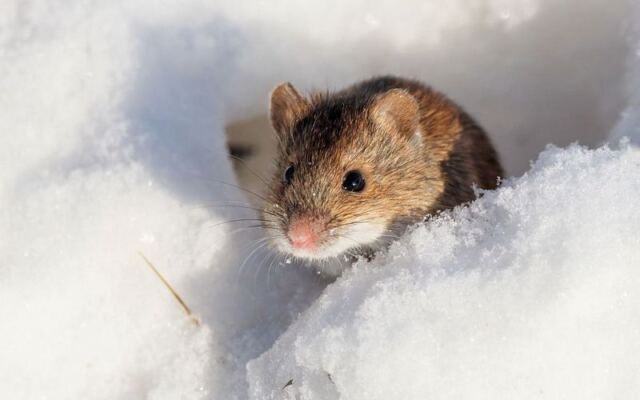
Tiny stitches running across the snow, sometimes with a thin line dragging between them, belong to the smallest night shift workers. Deer mice hop in little bounds, and their tails often leave that telltale drag mark.
Voles are trickier. They spend most of winter in tunnels beneath the snow, in a cozy layer called the subnivean zone.
You may only notice small holes where they pop up for air, then dive back down.
The real reveal happens in spring. When the snow melts, you might find winding grass paths across your lawn, like a map of a secret city.
Those trails are why foxes, owls, and coyotes visit your yard so often in the first place.
10. Owl Wing Prints
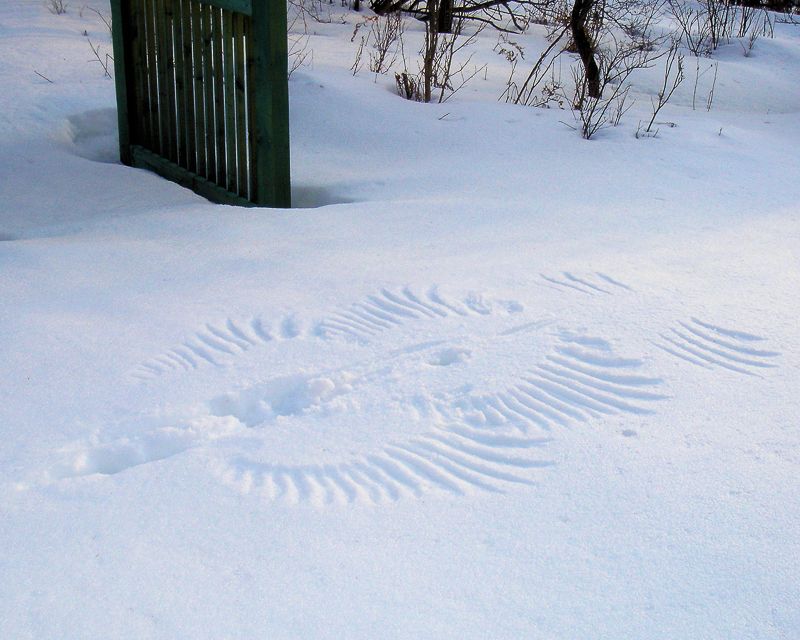
Sometimes the most amazing mark in the yard is not a footprint at all. Imagine finding the full outline of spread wings pressed into the snow, feathers and all, like a snow angel made by a bird.
That is what happens when a great horned owl or barred owl swoops down on a mouse or vole. The wings hit the snow as the owl grabs its meal, leaving a beautiful and slightly dramatic picture.
Often, the tiny rodent trail leads right up to the spot and then simply ends.
Great horned owls start nesting in Minnesota as early as January, so they hunt hard all winter. Snap a photo if you find one of these prints, because wind and sun erase them fast.
It is one of the coolest stories your snowy yard can tell.
Share this story