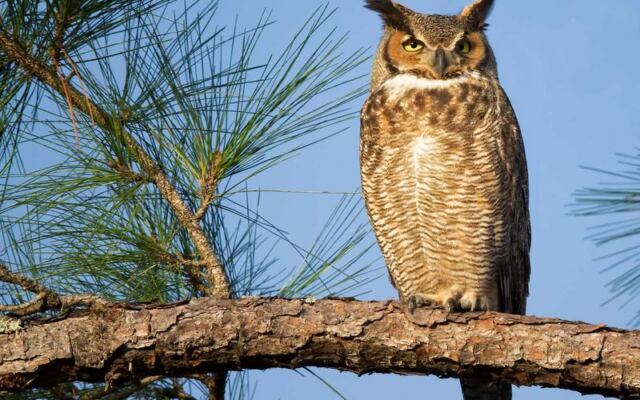
An owl gliding through your Illinois backyard after dark may be hunting, and mice could be on its menu. Owls move almost without sound, so most of us never see the hunt.
Knowing what an owl is likely doing helps you enjoy it without expecting too much from it. It also shows you what to do about mice that get inside your house.
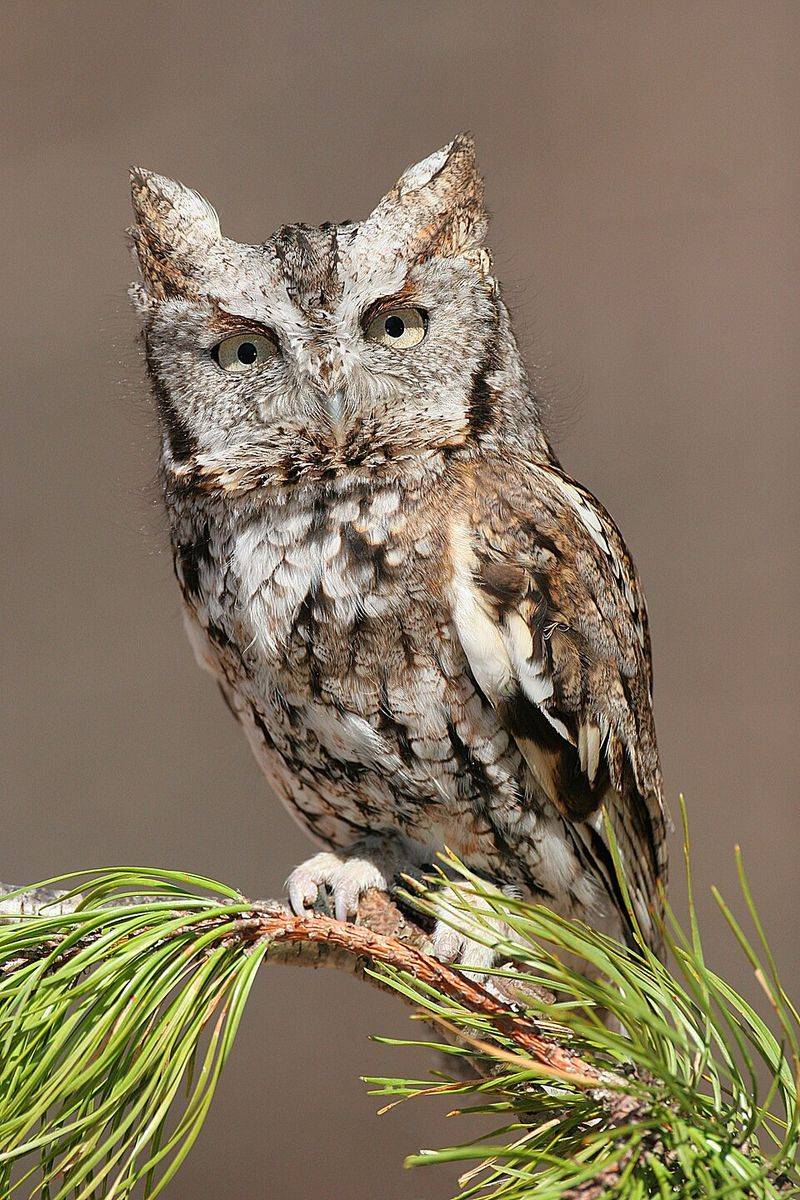
An eastern screech-owl may be nearby
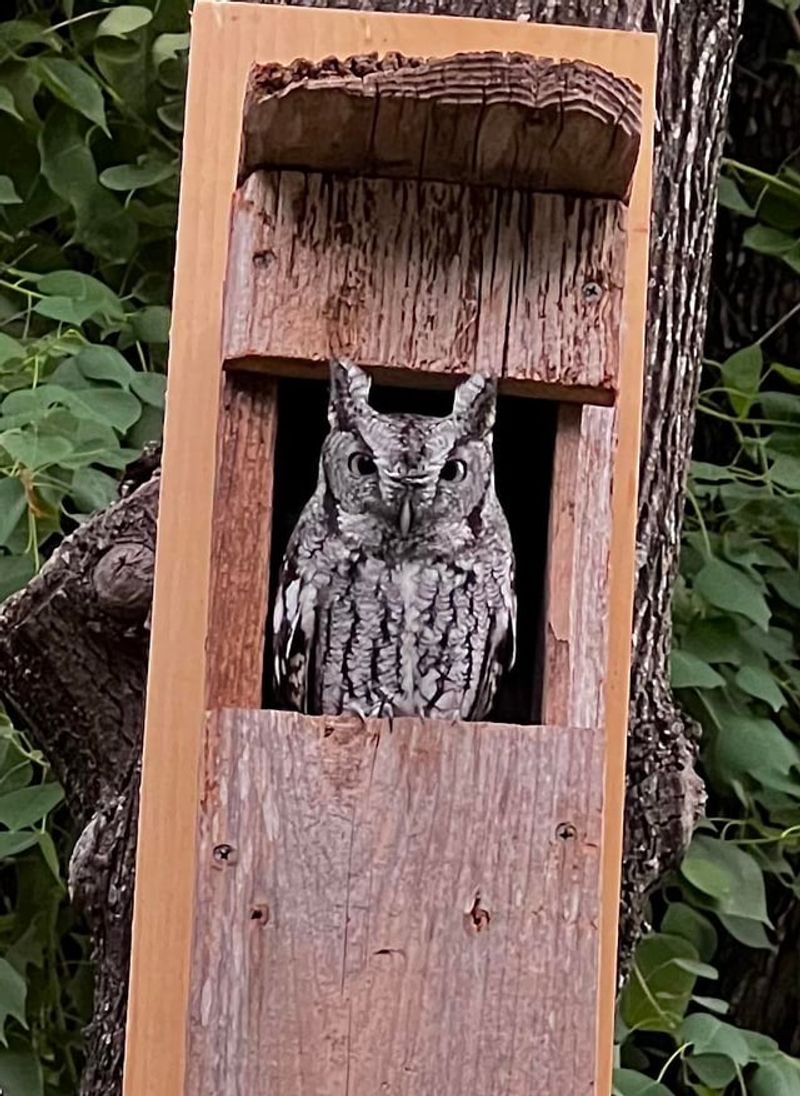
Hear a soft trill or whinny after sunset? You may have a small neighbor.
Illinois DNR describes the eastern screech-owl as a common resident across the whole state. It lives in residential areas and city parks, so a yard with mature trees is the kind of place it can turn up.
That makes it a good first guess, but only a guess. A call or a quick shadow overhead is not enough to name the species.
Illinois is home to several owls, and many look alike in poor light or sound alike to untrained ears.
Barn owls are a good example of why guessing is tricky. The state’s raptor guide links them with barns and open habitats, not with ordinary neighborhoods everywhere.
So a barn owl is not the usual backyard owl in most of Illinois.
If you want to know who is out there, watch for size, shape, ear tufts, and where the bird sits. Photos taken from a distance and a notebook of the sounds you hear can help.
Whatever the species, a night bird near your home is most likely hunting, and that is the part worth appreciating.
Mice are only one part of an owl’s menu
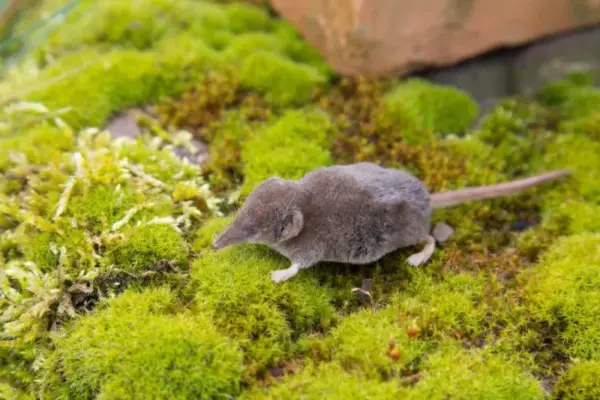
Picture an owl’s dinner plate as a mixed buffet. Small mammals such as mice are on it, but they share space with plenty of other choices.
The Illinois DNR says the eastern screech-owl eats insects, small birds, mammals, reptiles, and amphibians.
Bigger owls have their own tastes. The DNR raptor guide shows that barred and great horned owls also take mice, along with many other kinds of prey.
What lands on the menu depends on the species, the season, the habitat, and what is easy to catch.
So it is reasonable to say an owl near your home may hunt rodents. That is a fair guess because mice are small, common, and active at night, just like the owls.
But a visit does not tell you the owl is after mice. It could be chasing beetles, moths, or a sleeping songbird.
You will also see claims about how many mice an owl eats in a night or a year. Those numbers do not fit an unknown owl in your yard, since no one can say which species it is or what it has caught.
A better way to think about it is simple. Your owl is a wild hunter with options, and mice are one of them.
Natural predation is not household pest control

An owl eating a mouse is one thing. An owl keeping a whole neighborhood free of mice is another.
Mice can reproduce fast, and a predator can eat some without shrinking the population enough to prevent damage or an infestation.
Researchers have looked at this question. A systematic review found some signs that birds of prey help, but the studies were often short and lacked the statistical strength to prove lasting control.
Some of the best news comes from farms. A 2026 study at six California vineyards found fewer aboveground rodents where barn-owl hunting pressure was higher.
Those results belong to those sites and conditions. They do not tell us what would happen in an Illinois suburban yard.
Another field result adds some caution. A separate study found that neither hunting perches nor rodenticide kept rodent activity from rising during its study.
Again, that is one setting, not a rule for every yard.
The practical lesson is that owls can be a helpful part of a healthy landscape, but you should not count on one to solve a mouse problem.
For mice inside, take steps the owl cannot
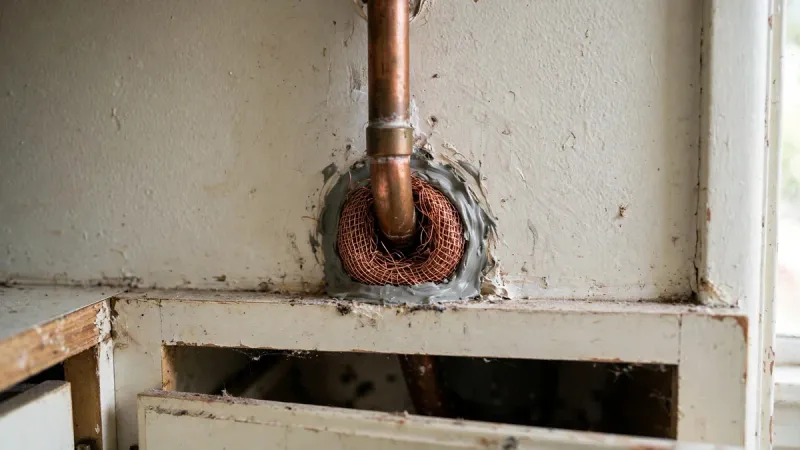
Mice in the pantry need a plan that works indoors, and an owl cannot get past your front door. CDC guidance on rodent control centers on three habits: close the entry points, remove food they can reach, and trap the mice already inside.
Start with the openings. CDC notes that mice can squeeze through gaps about one-quarter inch wide.
Check around pipes, vents, doors, the foundation, and the garage, then seal what you find.
Next, take away the easy meals. Store pantry food, pet food, and birdseed in sturdy containers, and clean up crumbs and spills.
A kitchen with nothing to eat is far less inviting.
When mice are already in the house, CDC trapping advice supports snap traps when needed. Place them along walls where you see droppings or signs of activity, and check them often.
These steps work whether or not an owl lives down the street. Think of the owl as a bonus outdoors, not the solution indoors.
A nest box offers habitat, not a guarantee
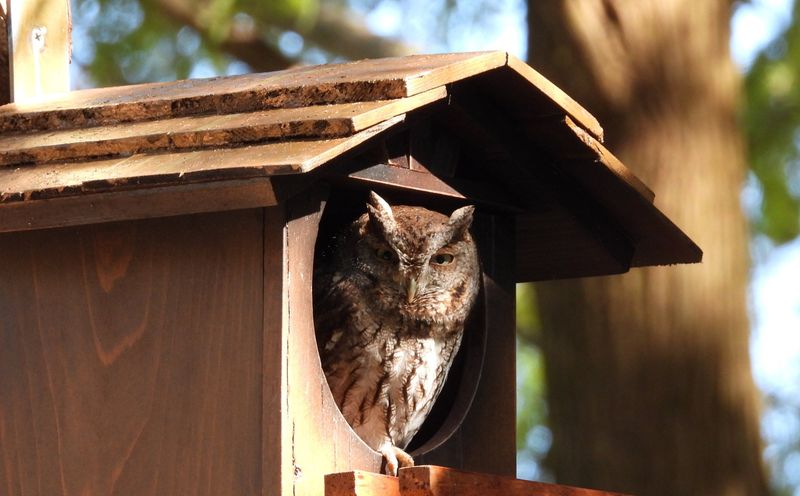
If you want to help owls, a nest box is one friendly way to try. Illinois DNR says that eastern screech-owls use nest boxes, which makes them a sensible species to plan for.
Use guidance written for that bird rather than a generic birdhouse. Cornell NestWatch gives box dimensions and placement tips for eastern screech-owls.
Following them gives the box a better chance of being useful.
Even then, a box is only potential nesting habitat. No one can promise an owl will move in, and an empty box may sit untouched for seasons.
Sparrows, squirrels, or other wildlife might get there first.
It is also wise to keep your hopes about rodents modest. The systematic review did not establish a guaranteed pest-control effect from boxes or perches.
Put one up because you want to give a small owl a home, and treat any mouse benefit as a pleasant maybe.
Protect the owl while managing rodents
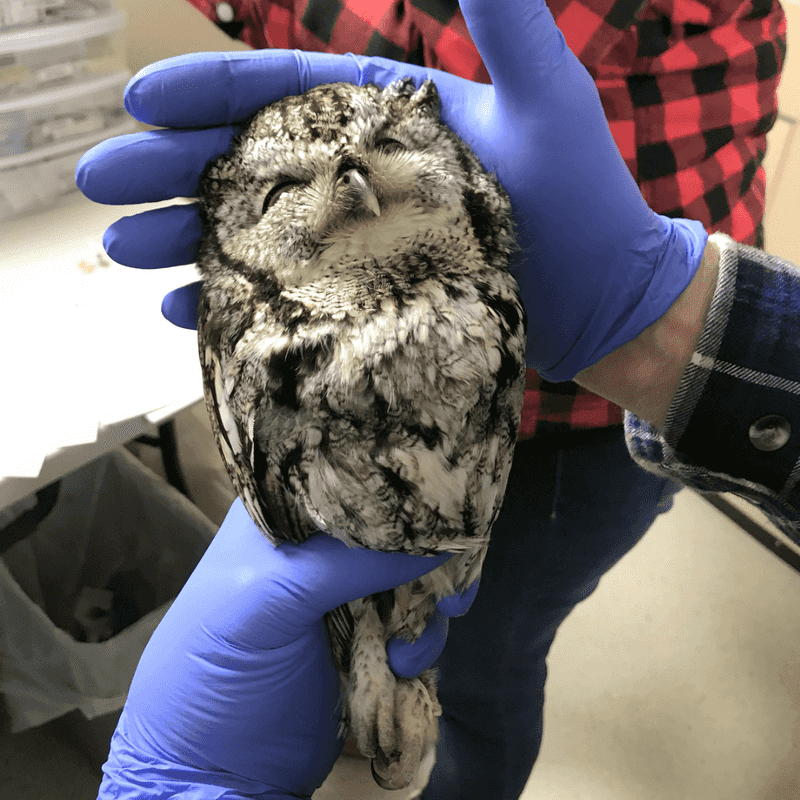
Sharing space with an owl mostly means keeping your distance. Do not approach, handle, or disturb an owl, its nest, or its eggs.
Illinois regulations say owls, their nests, and eggs may not be molested or disturbed except as the rules allow.
Sometimes a bird looks like it needs help. If one seems injured or orphaned, resist the urge to rescue it yourself.
Contact a licensed rehabilitator from this Illinois list and follow their advice.
Your mouse plan matters to owls too. USGS research documented secondary hazards to owls from anticoagulant rodenticides, which can pass along when a predator eats a poisoned rodent.
A USGS report on raptor exposure adds to the concern.
That is a reason for caution, not proof that every bait or every exposure harms every owl. Still, snap traps and sealed entry points avoid the question altogether.
They deal with mice without sending poison up the food chain.
Welcome the owl, and handle mice directly
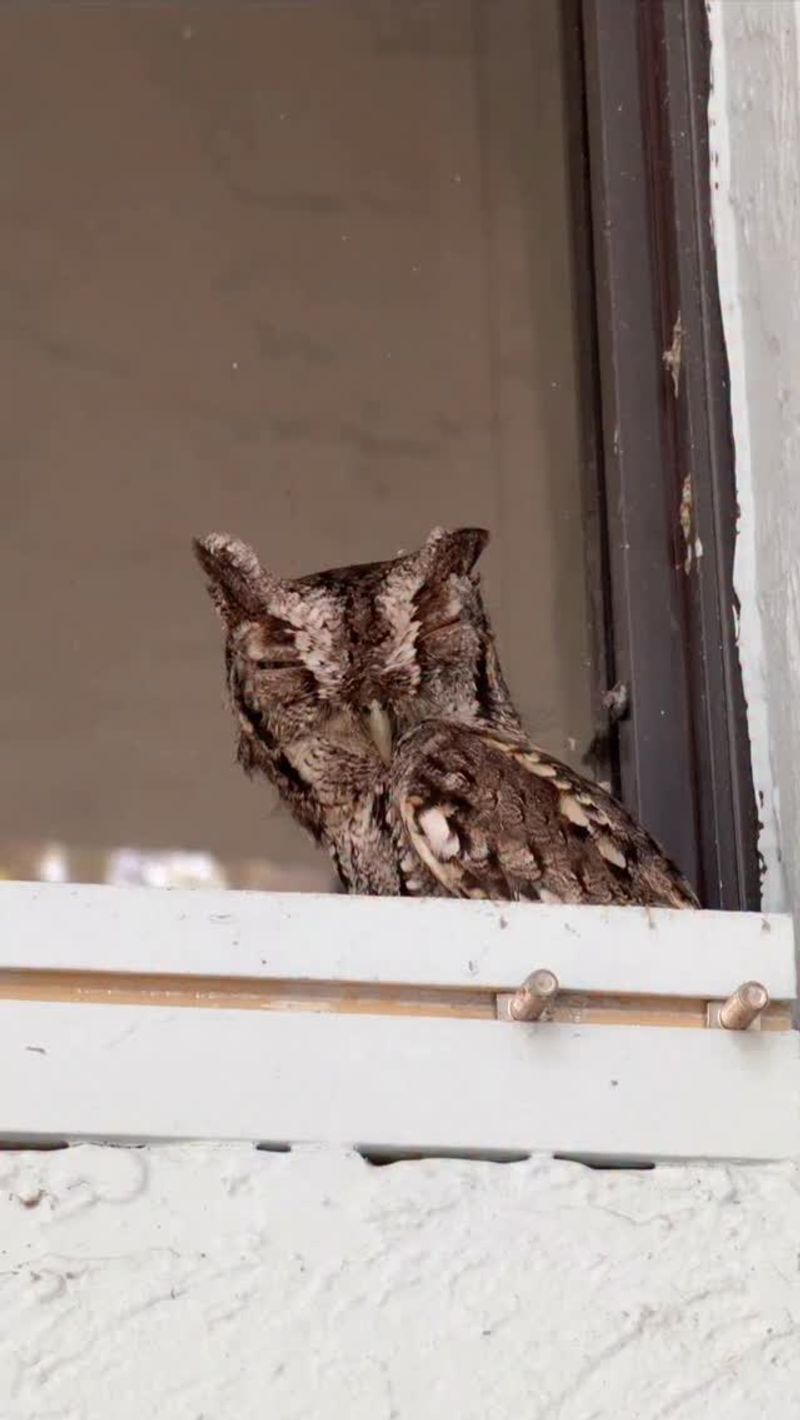
An owl in your yard may be taking some mice, and that is a real, if modest, benefit. Its presence does not prove it is catching yours or that it will fix a problem in your walls.
For indoor mice, follow CDC rodent-control steps yourself.
Meanwhile, give the bird room, and learn about the eastern screech-owl if that is your likely guest. Some of the best wildlife moments are the ones you only hear.
Share this story