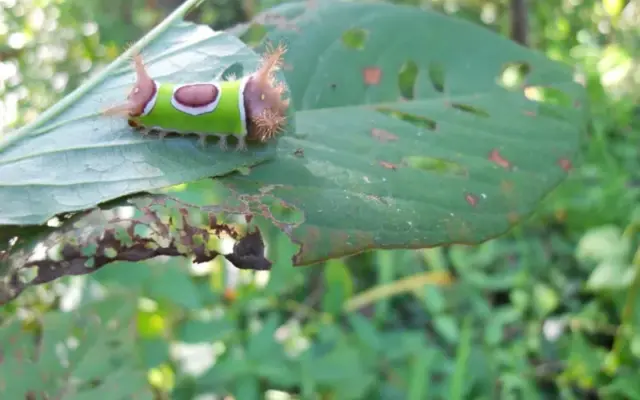
If you grabbed a saddleback caterpillar and your skin is burning, start with sticky tape, soap and water, and something cold. The pain comes from tiny spines that stick in your skin, not from a bite.
Knowing the right order of steps can help you feel better and spot signs that you need more help. Here is what to do, what to watch for, and when to make a call.
Lift any spines with tape
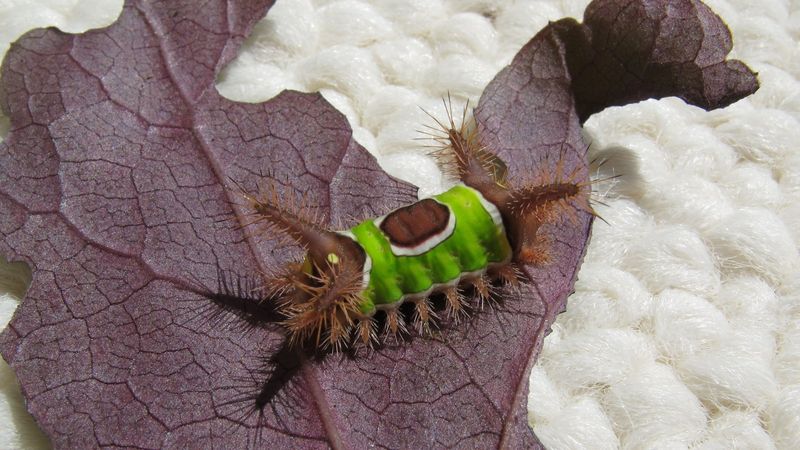
Start by getting the caterpillar away from your skin. If it is still on you, flick or nudge it off with a stick or a tool, not your fingers.
Touching it again with bare hands can mean more spines in your skin.
Caterpillars do not have to bite to cause trouble. As UF/IFAS Extension explains, hairs or spines can break off on contact, lodge in the skin, and cause irritation or deliver venom.
Saddleback spines in particular may cause intense burning, inflammation, and welts.
Next, press a piece of sticky tape gently onto the affected skin and lift it away. Poison Control recommends using a fresh piece for each pass, so you are not pressing spines back onto your skin.
Repeat a few times, always with clean tape and a light touch.
Poison Control’s sister center in North Carolina gives similar advice. Think of tape as a sensible first step, not a quick cure.
Pain and swelling can still develop, and how long they last varies from person to person.
Wash the skin and cool the sting

Once the tape has done its job, wash the area gently with soap and water. Skip hard scrubbing, since rough rubbing may irritate the skin further.
Pat it dry with a clean towel.
Cooling comes next. A cold compress or an ice pack wrapped in a thin cloth can take the edge off discomfort, and a wrapper keeps ice from sitting directly on your skin.
Poison Control’s caterpillar guidance lists gentle washing and cold as part of symptom relief.
Keep in mind what cold can and cannot do. It may ease burning and swelling, but it does not pull out spines or promise instant relief.
A clinical review of caterpillar envenomation also supports washing and cooling as sensible care.
If the pain stays strong or the skin keeps getting worse, that is a sign to call for advice rather than keep waiting at home.
What symptoms can follow a sting?
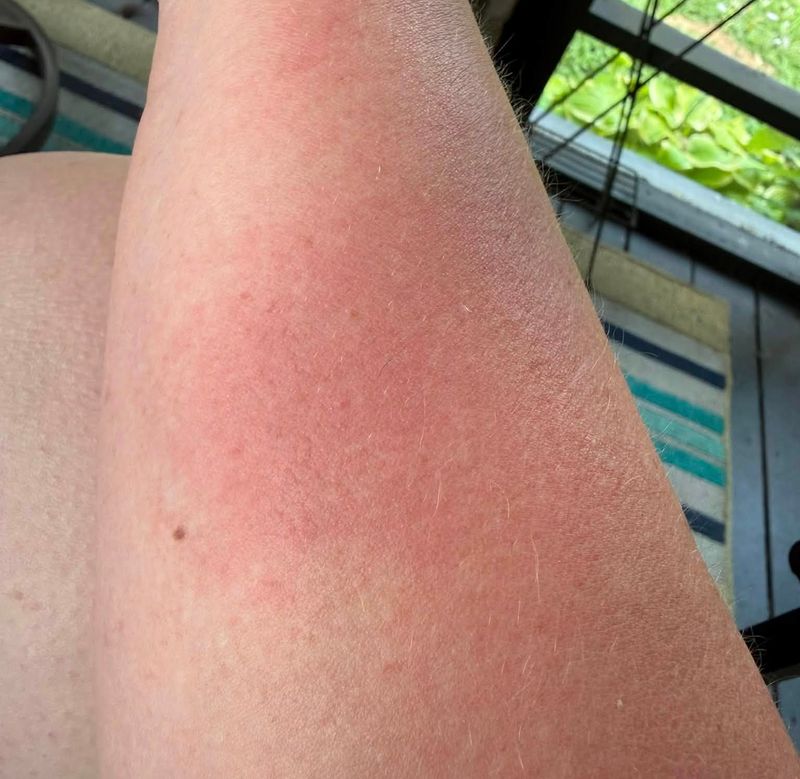
Reactions vary quite a bit. Some people feel burning pain right away, while others notice it build over several minutes.
Redness, swelling, itching, welts, and sometimes blisters can follow.
People often want to know how long it will last. Poison Control says pain often improves within a few hours.
For saddlebacks specifically, the LSU AgCenter describes a range of two to eight hours when no blisters form.
Treat those numbers as general expectations, not deadlines. Your sting may calm down sooner, or it may last longer, especially if blisters appear.
For itching, Poison Control suggests hydrocortisone cream. If that does not help, an antihistamine is listed as a possible next step.
Follow the product label, or ask a clinician or poison center which option fits you, particularly for children or anyone taking other medicines.
Skip home pastes as your main plan. Poison Control’s case example reports that a baking soda paste did not relieve one saddleback sting.
How saddleback and puss caterpillars differ

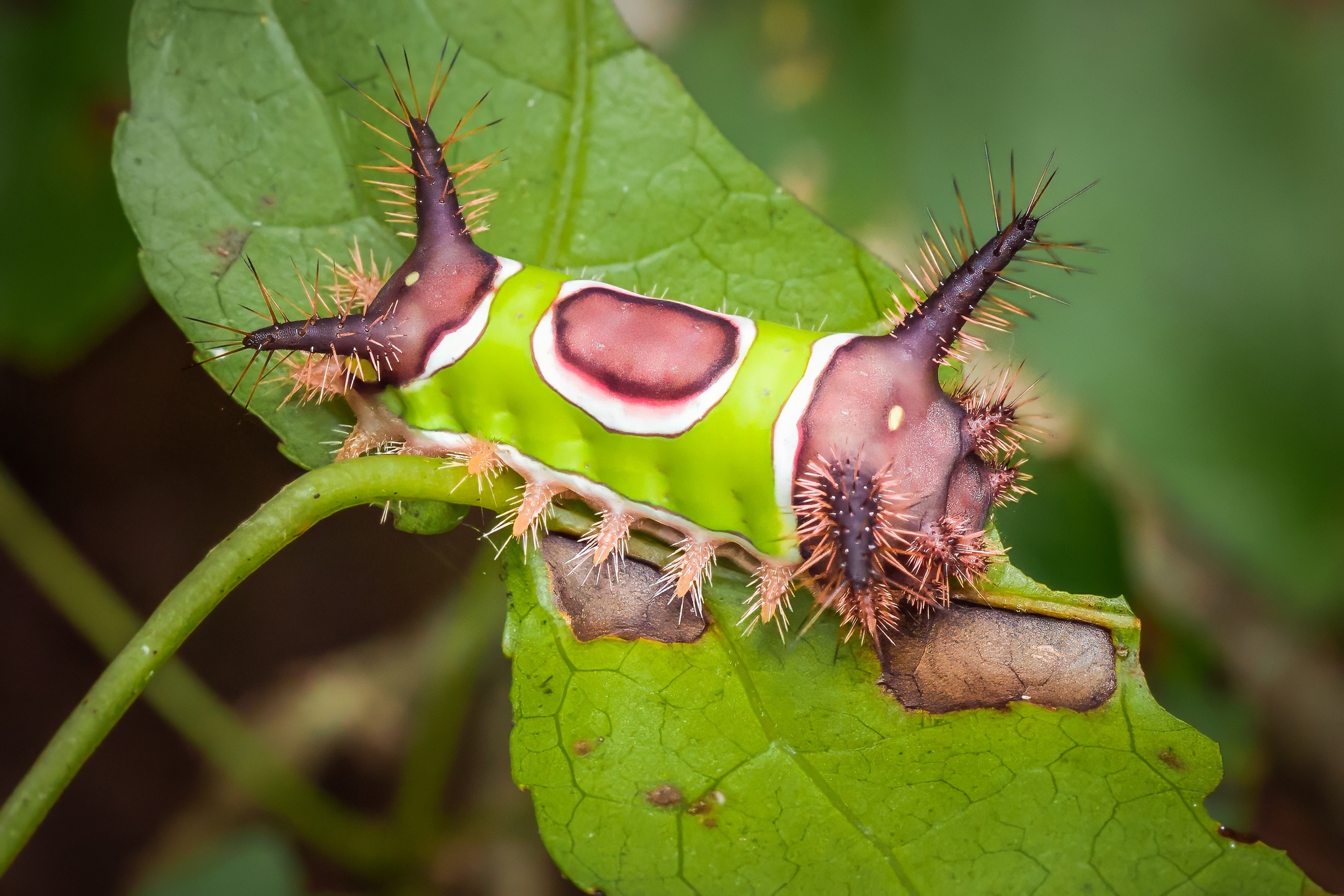
Saddleback and puss caterpillars are different species. A saddleback has a bright green saddle on its back and spiny projections.
A puss caterpillar looks soft and furry, but stiff stinging spines hide beneath all that hair.
Host plants give some clues, though not proof. UF/IFAS lists maple and crape myrtle among saddleback hosts.
It says puss caterpillars use a range of trees and shrubs, often oak and elm.
Timing matters too. An LSU AgCenter source places the saddleback’s second generation from August through October, so late-summer and fall yard work could bring an encounter.
Those sources show where these caterpillars live and when they may be around. They do not show how often Alabama gardeners get stung, or that a surge is underway.
A caterpillar’s looks or the plant it sits on cannot confirm what caused a sting. Many caterpillars on oak or maple are harmless, and some harmless ones look scary.
Treat any suspected sting with the same careful first aid.
When should you get help?
Call 911 right away for trouble breathing, collapse, seizure, or if the person cannot be woken. These are emergencies, not home-care situations.
Poison Control’s emergency guidance makes that line clear.
Eyes need special care. If caterpillar hairs may have reached an eye, rinse it with room-temperature water and contact Poison Control.
Persistent or severe eye symptoms call for urgent medical evaluation, because a clinical review notes that eye injury can need specialist care.
For questions that are not emergencies, call Poison Control at 1-800-222-1222 anywhere in the U.S. Trained staff can walk you through next steps, and Poison Control’s caterpillar page is another place to check.
Do not wait it out if symptoms spread, grow quickly worse, or involve more than the sting site. Those signs deserve a professional’s advice.
Keep the first steps simple
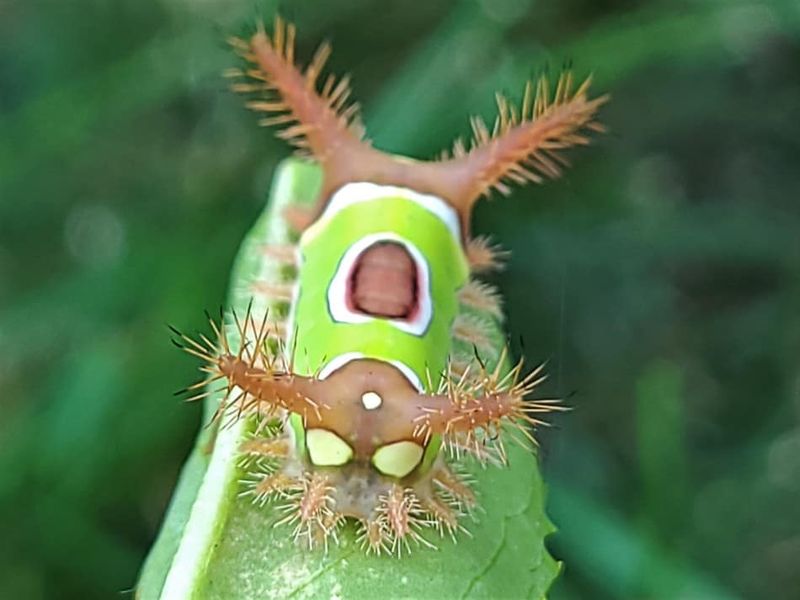
Move the caterpillar with a stick, lift spines with fresh tape, wash gently, and cool the skin for comfort. If symptoms point to something bigger, use Poison Control or 911 without delay.
A little caution with bare hands saves a lot of burning later.
Share this story