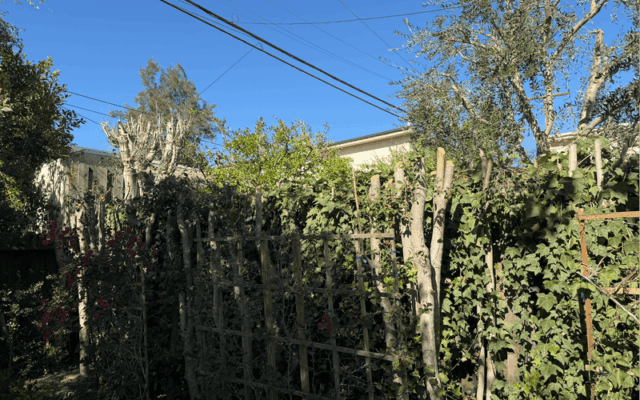
New Jersey does allow some trimming of a neighbor’s overhanging growth, but the rules are narrower than many people think. The state’s published guidance talks about tree branches that cause a nuisance, and it says to use due care.
A vine crossing a fence is a different situation, and the answer is not a simple yes. Here is what the sources say, what they leave open, and how to handle it safely.
Check the boundary before deciding what to cut
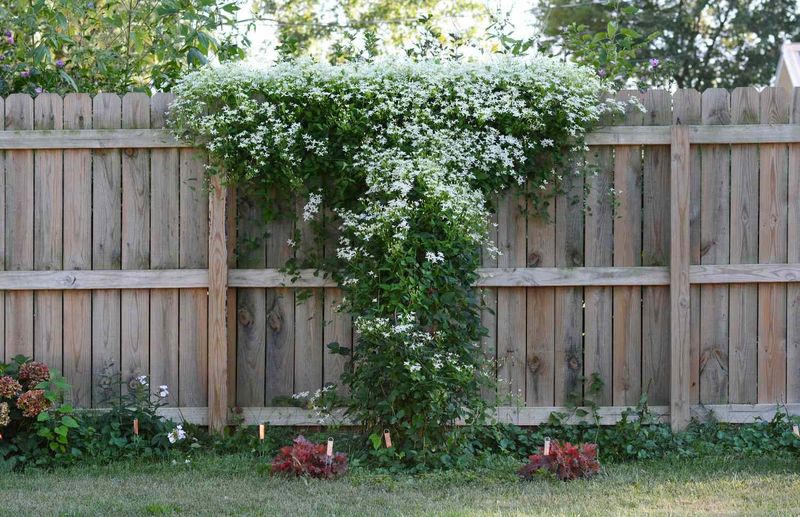
A vine poking through a fence does not, by itself, give you an unrestricted right to cut it. The sources reviewed for this article do not establish a blanket rule that lets you trim any neighbor’s vine crossing a fence.
Start with the boundary. A fence is not proof of where the legal line runs, and many fences sit a foot or more inside or outside the true property line.
This matters most when the fence is old, when neighbors disagree about it, or when it is set back from the line. A recorded survey, your deed, or a licensed land surveyor can tell you far more than the fence can.
Next, find out where the vine is rooted. Look at the base of the plant and follow the stems back to the ground.
A vine that grows from your soil is a different problem from one planted and tended by your neighbor.
Plant location was a central fact in an old New Jersey vine case, Martin v. Erwin, where the ivy had been planted on the plaintiffs’ property.
That case does not settle boundary law, but it shows why knowing who planted what can shape a dispute.
Take photos of the fence, the vine, and the roots before you do anything. Those pictures can help if a disagreement comes up later.
What New Jersey’s vine case actually decided

Martin v. Erwin is a 1907 New Jersey Supreme Court case, and it is the closest vine case in the sources reviewed.
The facts involved Boston ivy that had been planted on the plaintiffs’ premises. It had spread across a dividing fence and up both houses.
The defendant, a neighbor, entered the plaintiffs’ property and cut the ivy. The plaintiffs sued over the loss of their vines.
At trial, evidence about the value of the vines was kept out.
On review, the court ordered a new trial because that relevant evidence about the vines’ value had been excluded. That was the practical result of the ruling.
Here is what the case did not do. It did not announce a general right to cut any vine that crosses a fence.
It did not decide what a homeowner may do when a neighbor’s vine merely grows through a fence onto their side.
What you can take from it is smaller but still useful. Entering another person’s land to cut vines that someone planted there can lead to a property-damage dispute, and the value of the plants can become part of the argument.
Treat it as a caution, not as permission.
What tree-trimming advice can—and cannot—tell you
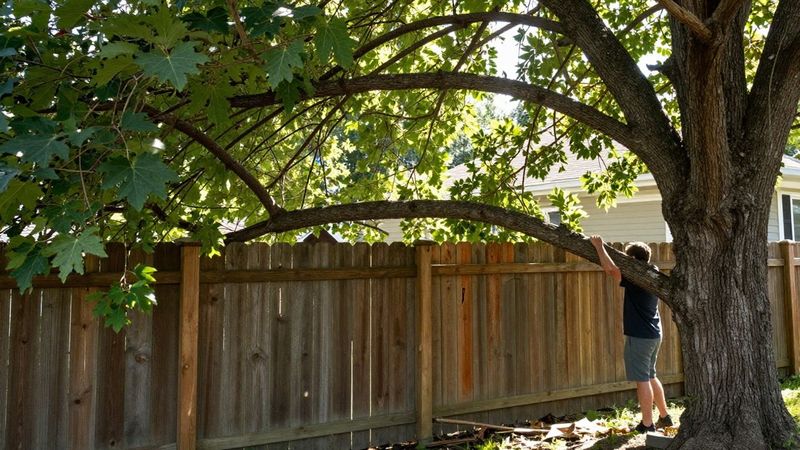
The best-known New Jersey guidance here is about trees, not vines. A New Jersey State Bar Foundation explainer says common law allows you to trim a neighbor’s overhanging branches when they constitute a nuisance.
It also says you must use due care, and that damaging the neighbor’s property or tree can bring liability.
That is qualified guidance. It talks about nuisance and careful work, and it does not give a free pass to cut whatever crosses a line.
It also is not a definitive rule for every vine, shrub, or climbing plant.
Court decisions on trees add background, but they do not answer the vine question. Scannavino v.
Walsh was an Appellate Division case about planted trees, roots, and damage to a retaining wall. It did not resolve routine vine trimming.
It does separate natural vegetation from vegetation that a landowner planted or preserved when it looks at liability for neighboring damage. Those rulings concern nuisance and damage claims, and they are not a universal license to cut.
A fair reading is this: a nuisance and a right to trim are different ideas. Planted vegetation does not automatically make a homeowner liable for neighboring damage, and a nuisance does not automatically let you cut without care.
Verify, ask, and limit the work
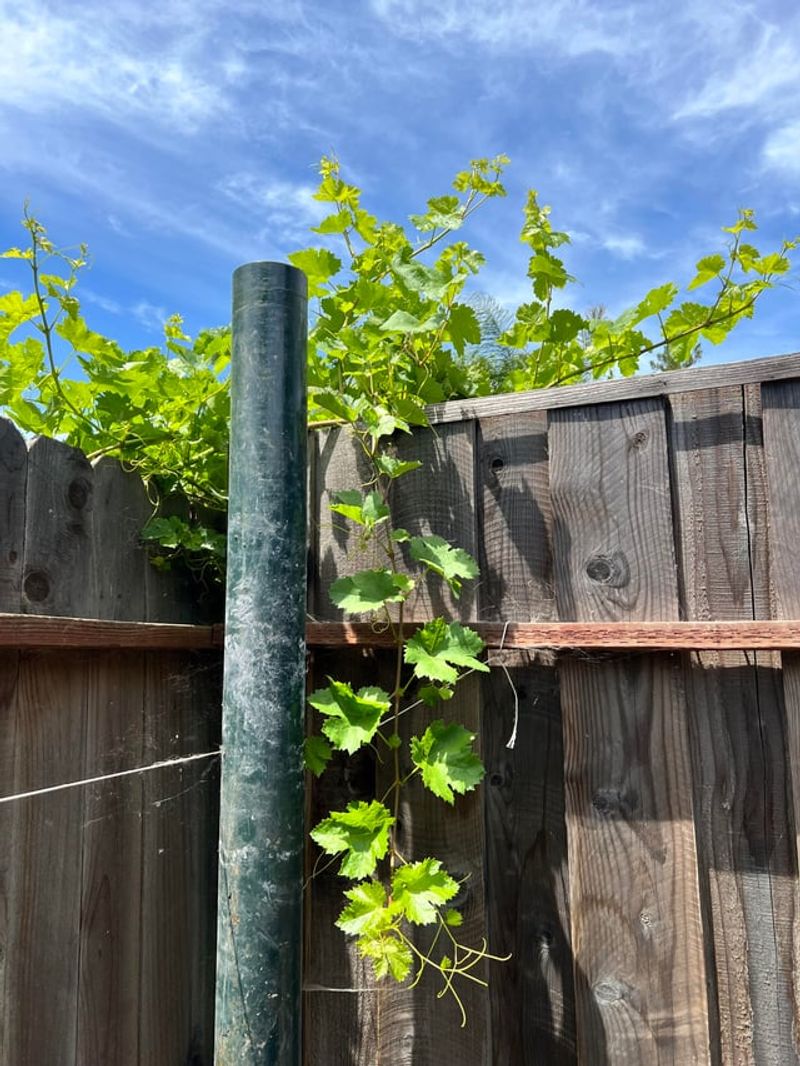
A cautious sequence works better than a quick cut. First, confirm the boundary and find where the vine is rooted.
Then talk to the neighbor before you touch anything.
A friendly conversation often settles the matter. Point out the vine, say what is bothering you, and offer to share the cost of trimming or to hire someone.
If you get agreement, a text or note saving what you both said is a smart extra step.
If you do cut, keep the work to what is necessary on your own side. This is a careful habit, not a guaranteed legal safe harbor.
The State Bar Foundation’s tree-branch discussion stresses due care and warns that damaging the neighbor’s property or tree can bring liability.
Avoid cutting stems at the base, pulling vines off the neighbor’s structures, or reaching onto their side. Those moves are the ones that can harm a plant or damage a fence, wall, or siding.
The facts in Martin v. Erwin show how quickly cutting another person’s planted vines can turn into a dispute over value.
If damage to the neighbor’s plant or other property is possible, ask permission first or use a qualified professional. A landscaper who works with insurance can also take on the risk of a mistake.
Criminal-mischief penalties depend on the details

Damaging someone else’s plant or property can create legal risk. That is different from saying any cut is a crime, and the law does not say that.
New Jersey’s criminal mischief statute, N.J.S.A. 2C:17-3, covers purposeful or knowing damage to another’s tangible property. The level of the offense is described in degrees, and the grading depends on the statutory elements and the amount of loss.
For example, the statute grades purposeful or knowing damage that causes a pecuniary loss of $2,000 or more as a crime of the third degree. That applies only when the statute’s conditions are met.
Lower losses and other circumstances are graded differently.
Most neighbor vine disputes never reach that stage. They are more likely to be civil, such as a claim for the cost of replacing a plant or repairing a fence.
Still, a deliberate, careless cut that destroys a valuable plant is the sort of situation to avoid.
The practical lesson links back to the earlier advice. Guidance on trimming branches says to use due care, and asking first removes most of the risk.
If you are unsure, a short talk with a New Jersey attorney is cheaper than a dispute.
Poison ivy and power lines call for extra care
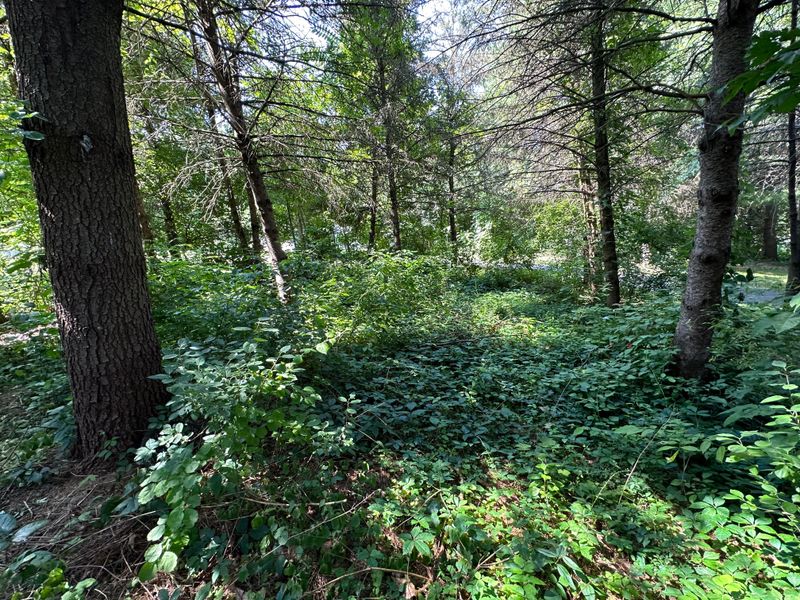
Some vines carry a health risk. Poison ivy contains an oil called urushiol that can cause an itchy, allergic skin reaction.
Penn State Extension advises managing it safely, and dead plant material can still hold the oil.
Wear long sleeves, long pants, and gloves, and wash tools and clothes afterward. Never burn it.
CDC and NIOSH guidance on poisonous plants warns that burning can expose people to the oil.
Power lines are a separate danger. If a vine or tree is tangled with or near a line, do not trim or remove it.
PSE&G warns against tree work next to power lines, and the utility handles pruning near its equipment.
For other risky jobs, the New Jersey Department of Health says tree work is hazardous and advises leaving dangerous work to licensed professionals. A tall tree with vines in it, a ladder job, or anything heavy overhead belongs on that list.
A neighbor’s vine is rarely worth an emergency room visit. When in doubt, stop and call someone qualified.
Check local rules for larger or regulated jobs
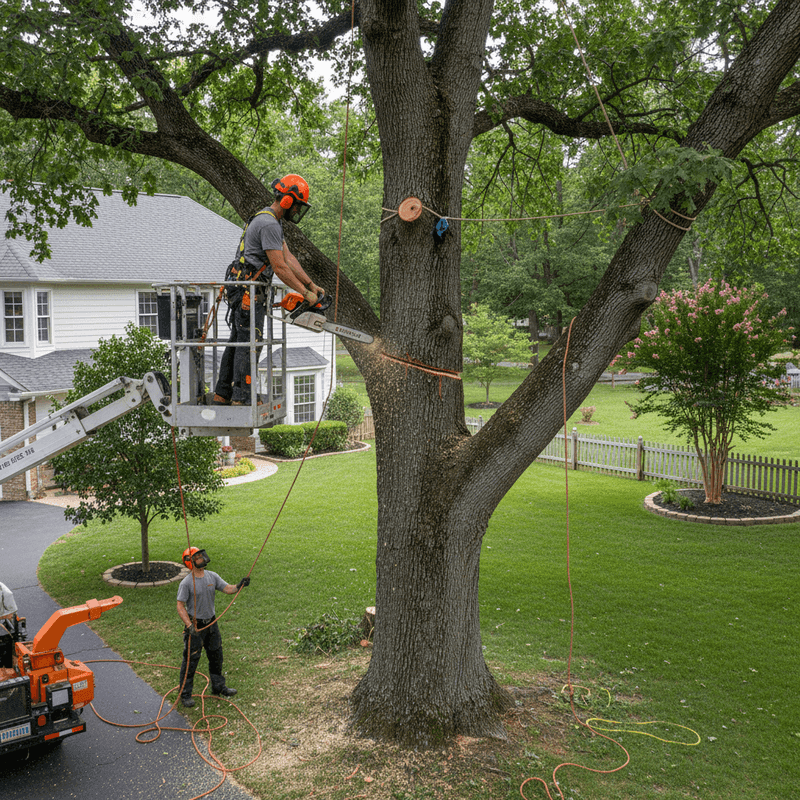
Local rules can add another layer. Check with your municipality if the job involves a tree, protected vegetation, a public right-of-way, or more than ordinary pruning.
A big removal is a different thing from snipping a few vine tendrils.
Some towns have tree protection ordinances that require permits or replacement plantings. Sustainable Jersey’s ordinance guidance shows how such local programs can work.
That guidance is not a single permit rule for all of New Jersey. What applies in one town may not apply in the next, so a permit rule you read about elsewhere may not fit your street.
A quick call to the town clerk, code enforcement office, or shade tree commission can answer your question. Describe the plant, where it stands, and what you plan to cut.
If a street tree or the sidewalk edge is involved, ask who is responsible for the work.
Write down who you spoke with and what they said. It takes a few minutes and can prevent a fine.
Verify before you cut
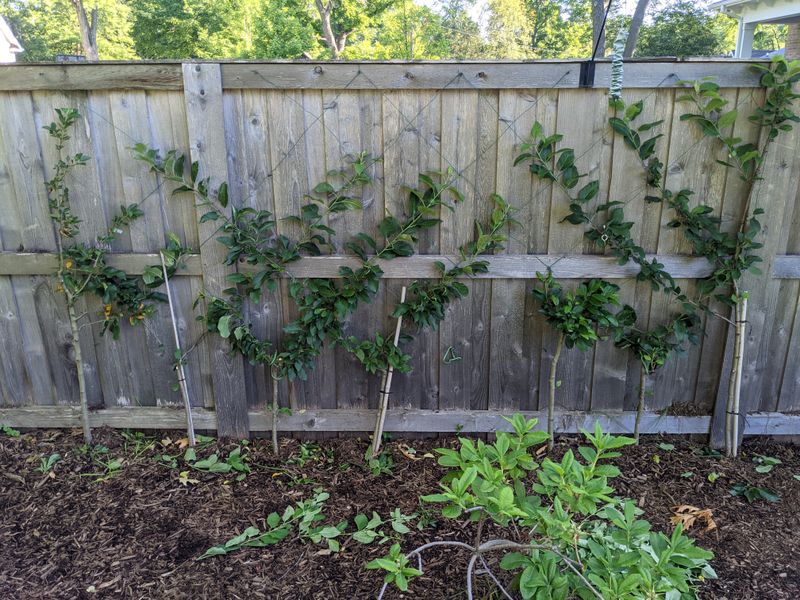
A vine crossing a fence does not by itself give you an unrestricted right to cut it. Confirm where the boundary really runs and where the vine is rooted, then talk with your neighbor.
The State Bar Foundation’s guidance and the old Martin case both point toward care. Skip any work that could damage property or put you near hazards.
A short conversation is usually cheaper than a cut that goes wrong.
Share this story