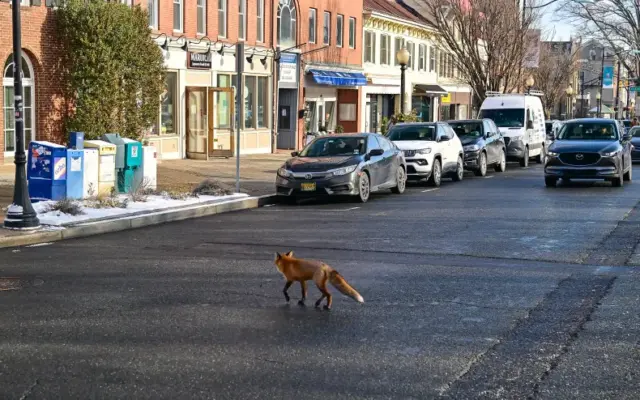
A red fox keeps turning up in your yard because your yard likely fits into the area it already knows and travels through. Foxes are common in New Jersey suburbs, and winter makes them easier to spot against bare ground and snow.
Seeing one again and again can feel odd, but it often fits normal fox life. Here is what the sightings can and cannot tell you, and how to stay safe.
Why a fox may use the same yard
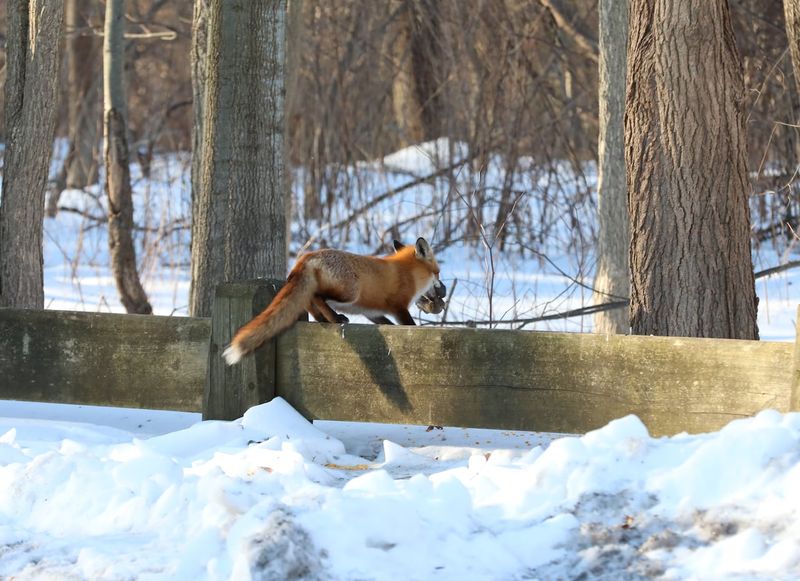
A fox that keeps showing up is most likely moving through ground it already knows. Yards, fence lines, wood edges, and quiet side streets can link together into a route, and a fox may cross your property as one stop along that path.
Rutgers Cooperative Extension gives a typical red fox home range of 2 to 8 square miles. That is a rough size for the area a fox may travel, not a schedule.
It does not tell you how often a fox should pass through any one yard, and some foxes may come by rarely while others show up more often.
It also helps to be careful about what you actually know. Seeing a fox three evenings in a row does not prove it is the same animal.
Several foxes can share an area, and from a kitchen window one reddish animal can look much like another.
Repeated sightings also do not show that a fox has moved in or is living on your property. They fit a fox using familiar habitat or a convenient route.
If you want to learn more, note the time of day, the direction it travels, and anything it seems to be doing, such as trotting through or stopping to sniff. Those details are more useful than guessing at motives.
Suburban yards can fit a fox’s routine
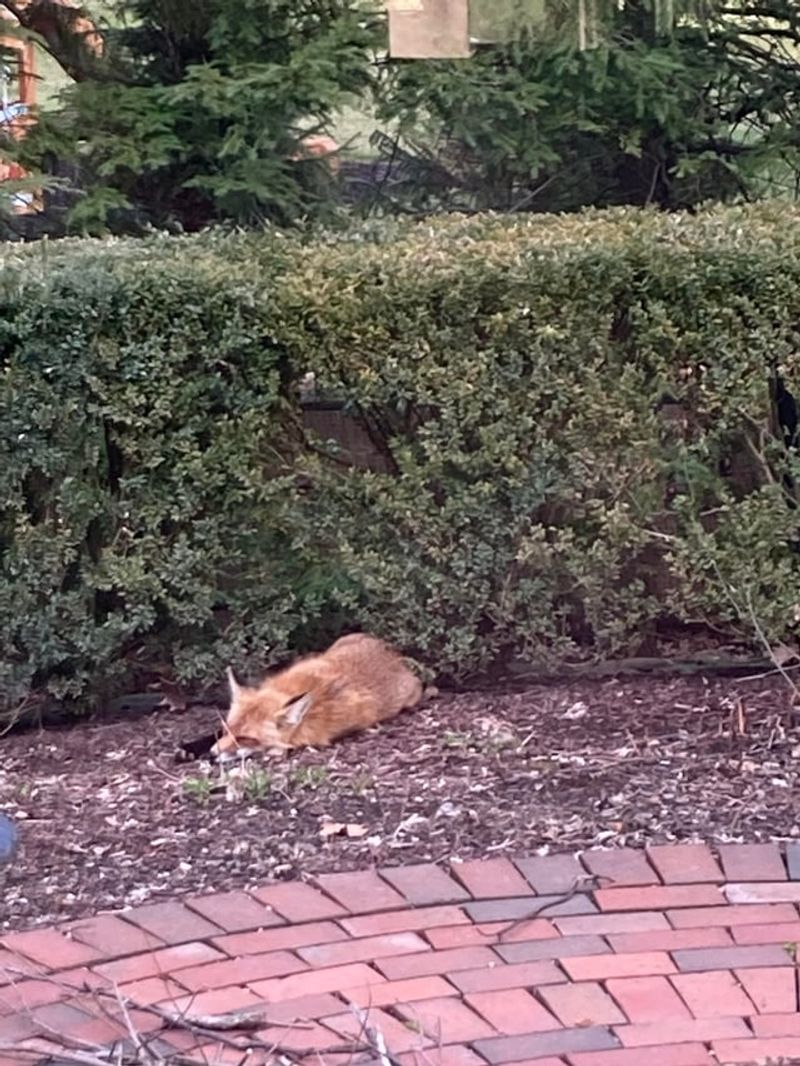
Red foxes are at home in New Jersey’s urban and suburban landscapes, not only in deep woods. Mixed neighborhoods with lawns, hedges, parks, and patches of woods can give them places to travel and hunt.
Their menu is wide. Rutgers notes that foxes eat small mammals, birds, fruit, carrion, and human food waste, with the mix changing by season and what is available.
A fox does not need one special food to find a place worth checking.
Picture a yard with a compost bin, spilled birdseed, and mice nibbling under a shed. Each can draw a fox’s attention, either directly or through the small animals that gather there.
A path between two backyards or along a quiet fence can also make your property an easy shortcut.
These are plausible factors, not confirmed reasons. Food, prey, and a handy route could each play a part, but watching a fox from a window cannot tell you which one brings it by.
The useful takeaway is that a yard can become part of a fox’s foraging landscape without the fox choosing it for any single reason.
Winter breeding adds seasonal context
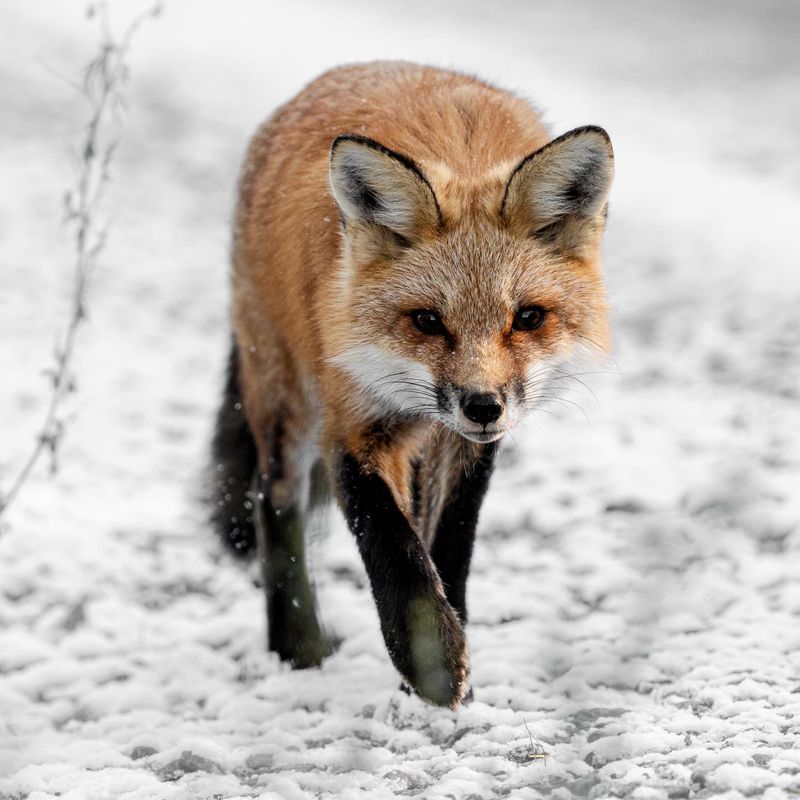
Late winter is a busy time on the fox calendar. Red foxes in New Jersey typically breed in January and February, according to Rutgers Cooperative Extension, and pairs commonly select dens in spring.
That timing gives useful background. Foxes may be traveling more, calling, or crossing paths with each other during these weeks, which can mean more chances for people to notice them.
You may see two foxes together, or hear sharp barks and odd screams at night.
Still, breeding season is context, not an explanation for any single visit. A fox crossing your lawn in February could be doing many ordinary things, from hunting to following its usual route, and nothing you see can prove that breeding is the reason.
It also does not mean a fox is looking for a den in your yard. Den selection comes later, mostly in spring, and a fox simply passing through is not the same as one setting up a home.
If you want to prepare, the spring timing is a good reason to tidy up under porches and sheds before the season arrives.
Daylight activity does not mean a fox is ill
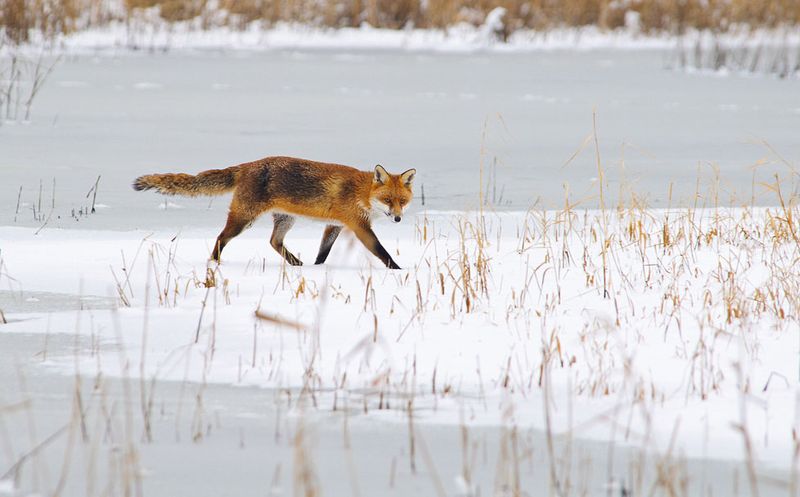
Many people assume a fox out in daylight must be rabid. That is a myth.
Rutgers explains that foxes may feed at any time of day, so daytime activity alone is not evidence of rabies or abnormal behavior.
Wildlife officials elsewhere say the same. Michigan’s wildlife agency notes that daytime fox sightings around homes are normal.
A fox hunting at noon may simply be hungry or following its usual rounds.
Identification can also be tricky. Red foxes are typically reddish with black legs, black ear tips, and a white-tipped tail.
New Jersey also has gray foxes, and foxes can be mistaken for coyotes, especially in low light.
None of this means you can judge an animal’s health by looking at it. A scruffy coat or a relaxed walk tells you very little.
What matters more is specific behavior, which a later section covers, and keeping a respectful distance no matter how a fox looks.
Make the yard less rewarding
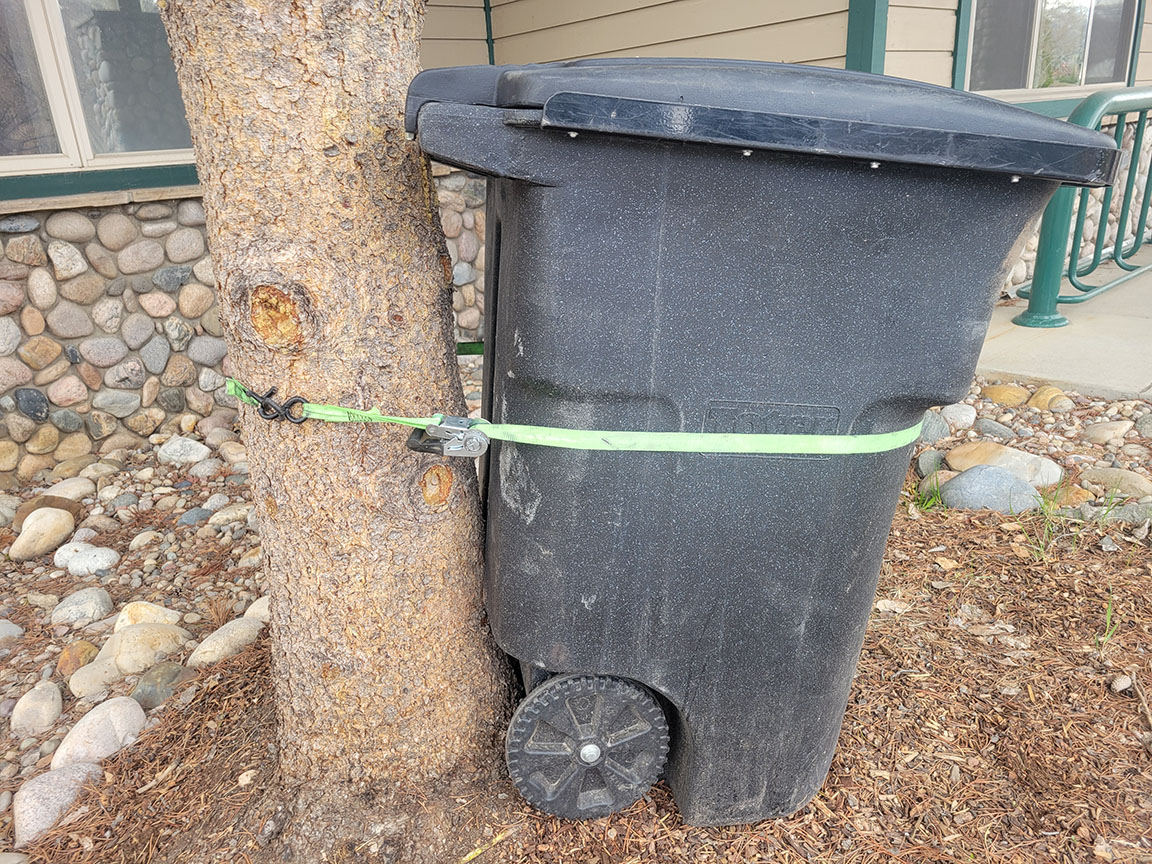
You cannot promise a fox will vanish, but you can make your yard a less appealing stop. Start with the basics: do not feed foxes, secure garbage in tight containers, and keep birdseed from spilling onto the ground.
Bring pet food indoors at night, and clean up fallen fruit or compost that can attract a meal. Trim or clear brush piles and other cover where mice and voles hide, especially near areas where you do not want foxes.
Fewer rodents can mean fewer reasons to linger.
These steps matter beyond the fox itself. Rutgers warns that feeding or repeated access to food and refuge can habituate foxes to people.
A fox that grows used to people may come closer than is safe for anyone.
You may see products sold as fox repellents, such as wolf or coyote urine. Rutgers says scientific studies have not documented their reported success, so they are not a dependable fix.
Ask neighbors to tidy up too, since a fox does not stop at property lines.
A den calls for a different response

A fox passing through is one thing, and a fox denning under a porch, deck, or shed is another. Signs of a den can include a dug opening, a steady stream of visits to the same spot, or a fox that appears to be raising young there in spring.
It can sound alarming, but Rutgers says a den generally poses no risk. Foxes usually use a den for a limited time, and most families move on.
Do not seal an active den, since that could trap young animals inside. Also avoid approaching, handling, trapping, or relocating a fox as a do-it-yourself fix.
The CDC advises that wild animals should be left alone and not handled, because contact can put people and pets at risk.
If the den is in a place you truly cannot accept, Rutgers describes aversive conditioning as an option reserved for that situation. Contact a licensed wildlife professional or NJDEP Fish and Wildlife for guidance on how to proceed.
Keep pets back and know when to call

The simplest rule is to give foxes space. Supervise pets whenever they are outside, keep small animals close, and make sure your pets’ rabies vaccinations are current.
Do not try to shoo, pet, or feed a fox.
New Jersey’s health department lists foxes among the state’s high-risk wild animals for rabies exposure management, according to its Communicable Disease Manual. That is a reason to treat possible contact seriously, not a reason to judge a fox by how it looks.
Some behaviors are reasons to report. Rutgers lists disorientation, poor coordination, paralysis, unprovoked aggression, or repeated approaches toward people.
If you see these, keep your distance and contact local animal control, police, or NJDEP Fish and Wildlife.
If a wild animal bites you, act right away. The New Jersey Department of Health advises washing the wound immediately, seeking medical attention, and contacting animal control or the local health department.
The CDC’s wildlife guidance backs up the same approach of keeping pets and people away from wild animals. If a pet is bitten or scratched, call your veterinarian and your local health officials.
Observe from a distance and remove attractants
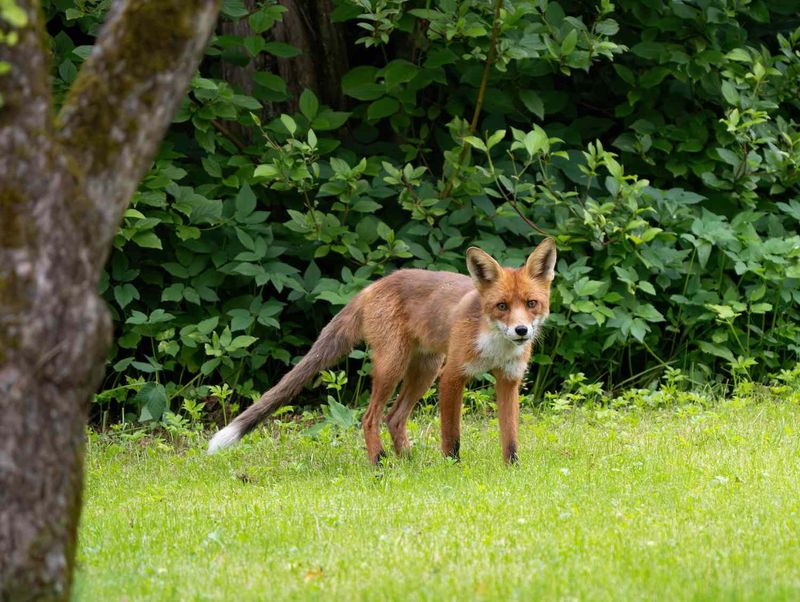
A fox in your yard can fit ordinary fox behavior, but watching it will not reveal why that animal is there. The best response is simple: remove food incentives, keep your distance, and enjoy the view from indoors, following Rutgers guidance.
Call for help if behavior seems concerning, and after any bite follow state health advice. A fox is easiest to live beside when nobody gives it a reason to come closer.
Share this story