Get the latest garden guides in your inbox →
Gardening Latest
  • General Gardening
  • Lawn Care
  • Plant Care
  • Composting
  • Soil Health
  • Backyard
  • Garden Muse Magazine
  • General Gardening
  • Lawn Care
  • Plant Care
  • Composting
  • Soil Health
  • Backyard
  • Garden Muse Magazine
  • News
  • Gardening Calendar
  • Garden Structures
  • Vegetable Garden
  • Vertical Garden
  • Raised Beds
  • Hydroponics
  • General Equipment
  • Community Gardens
Garden Themes
  • Spiritual Garden
  • Hydroseeding
  • Seeding and Laying Sod
  • Artificial Grass
  • Lawn Care Equipment
  • Plants
  • Trees
  • Planting Tools
  • Composting Basics
  • Fertilizer
  • Alternative Growing Mediums
  • Front Yard
  • Backyard Activities
  • Landscaping
Gardening Latest

Explore by state

Which state is your garden in?

Currently viewing Missouri

All states

Northeast

  • Connecticut —
  • Delaware 40
  • Maine —
  • Maryland 26
  • Massachusetts 42
  • New Hampshire —
  • New Jersey 26
  • New York 35
  • Pennsylvania 35
  • Rhode Island —
  • Vermont —

Southeast

  • Alabama 26
  • Arkansas —
  • Florida 26
  • Georgia 27
  • Kentucky 40
  • Louisiana 25
  • Mississippi —
  • North Carolina 24
  • South Carolina 39
  • Tennessee 23
  • Virginia 25
  • West Virginia —

Midwest

  • Illinois 25
  • Indiana 27
  • Iowa 39
  • Kansas —
  • Michigan 26
  • Minnesota 25
  • Missouri 25
  • Nebraska —
  • North Dakota —
  • Ohio 26
  • South Dakota —
  • Wisconsin 41

Southwest

  • Arizona 26
  • Colorado —
  • Nevada —
  • New Mexico —
  • Oklahoma —
  • Texas 25
  • Utah —

West

  • Alaska —
  • California 25
  • Hawaii —
  • Idaho —
  • Montana —
  • Oregon —
  • Washington —
  • Wyoming —

No state matches that search.

Site menu

Gardening Latest
  • General Gardening
    • News
    • Gardening Calendar
    • Garden Structures
    • Vegetable Garden
    • Vertical Garden
    • Raised Beds
    • Hydroponics
    • General Equipment
    • Community Gardens
    Garden Themes
    • Spiritual Garden
  • Lawn Care
    • Hydroseeding
    • Seeding and Laying Sod
    • Artificial Grass
    • Lawn Care Equipment
  • Plant Care
    • Plants
    • Trees
    • Planting Tools
  • Composting
    • Composting Basics
  • Soil Health
    • Fertilizer
    • Alternative Growing Mediums
  • Backyard
    • Front Yard
    • Backyard Activities
    • Landscaping
  • Garden Muse Magazine

Explore

  • About GardeningLatest.com
  • Contact Us

Get the latest from the garden

New guides on lawn care, plants and backyard projects, sent when they go up.

Subscribe →

Follow

  • Facebook
  • X
  • Pinterest
  • YouTube
Missouri Gardening

Missouri Homeowners Tend To Meet Their Yard’s Venomous Critters In Late Fall, Not Summer

Most people think snakes and spiders show up in the heat of July. In Missouri, many venomous critters actually wander…

CR

By Clayton Reeves

November 27, 2026 · 5 min read

Missouri Homeowners Tend To Meet Their Yard’s Venomous Critters In Late Fall, Not Summer
Missouri Homeowners Tend To Meet Their Yard's Venomous Critters In Late Fall, Not Summer

Most people think snakes and spiders show up in the heat of July. In Missouri, many venomous critters actually wander closer to homes when the leaves start falling and nights turn cold.

They are looking for warm, safe places to spend the winter, and your garage or woodpile looks perfect to them. Knowing who is moving in, and why, can help you stay safe while you rake leaves and stack firewood.

At a glance

Where
Missouri Gardening
Hardiness zone
6 −10 to 0°F
Read
5 minutes
Published
November 27, 2026

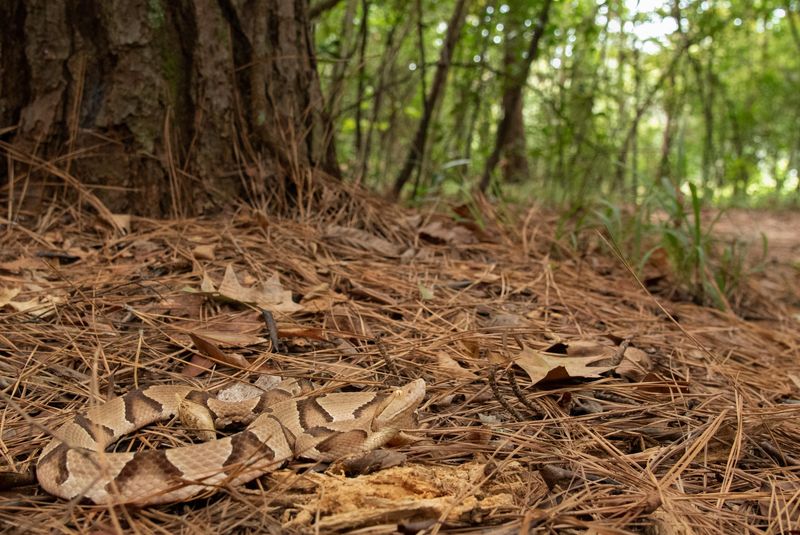
1. Copperheads Heading to Winter Dens

Copperheads Heading to Winter Dens
© Reddit

Picture a pile of fallen oak leaves. Now picture a snake whose whole body looks exactly like that pile.

Copperheads are the most common venomous snake in Missouri, and their camouflage is so good that people often step right next to them without knowing.

Come September and October, copperheads start traveling toward rocky hillsides and old foundations where they spend the winter. Many of them pass straight through suburban yards on the way.

Some even gather near den sites with other snakes, including harmless species.

Wear sturdy shoes when you rake, and use a rake or stick to move leaf piles before reaching in with your hands. Bites are rarely deadly, but they hurt a lot and need a trip to the hospital.

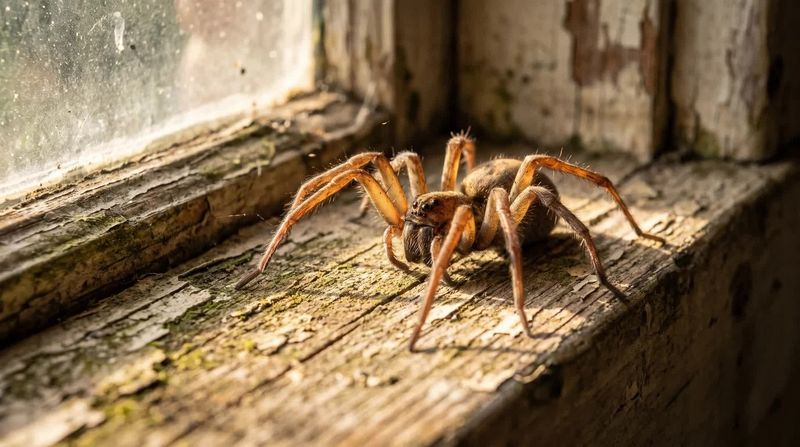
2. Brown Recluse Spiders Moving Indoors
Brown Recluse Spiders Moving Indoors
© greenguardpestcontrol

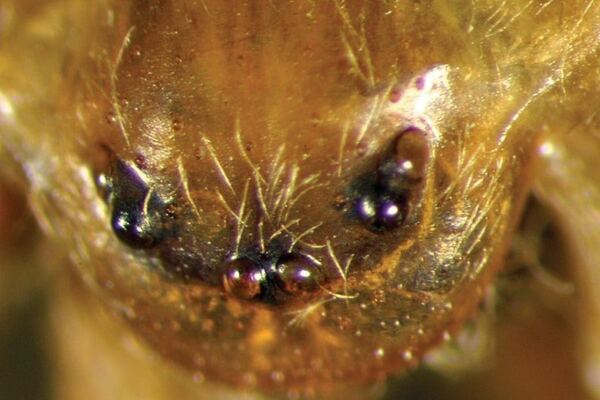
Ask any Missouri pest control worker about their busiest spider season, and plenty will say fall. Brown recluses love quiet, dark spaces, and cooling weather sends many of them deeper into basements, closets, and storage boxes.

The spider is small and tan, with a darker violin shape on its back. It is shy and rarely bites unless it gets pressed against skin.

That usually happens when someone pulls on an old jacket or shoves a hand into a box of holiday decorations.

Shake out clothes and shoes that have sat unused. Store items in sealed plastic bins instead of cardboard, and use sticky traps along walls to see how many you have.

3. Black Widows in the Woodpile
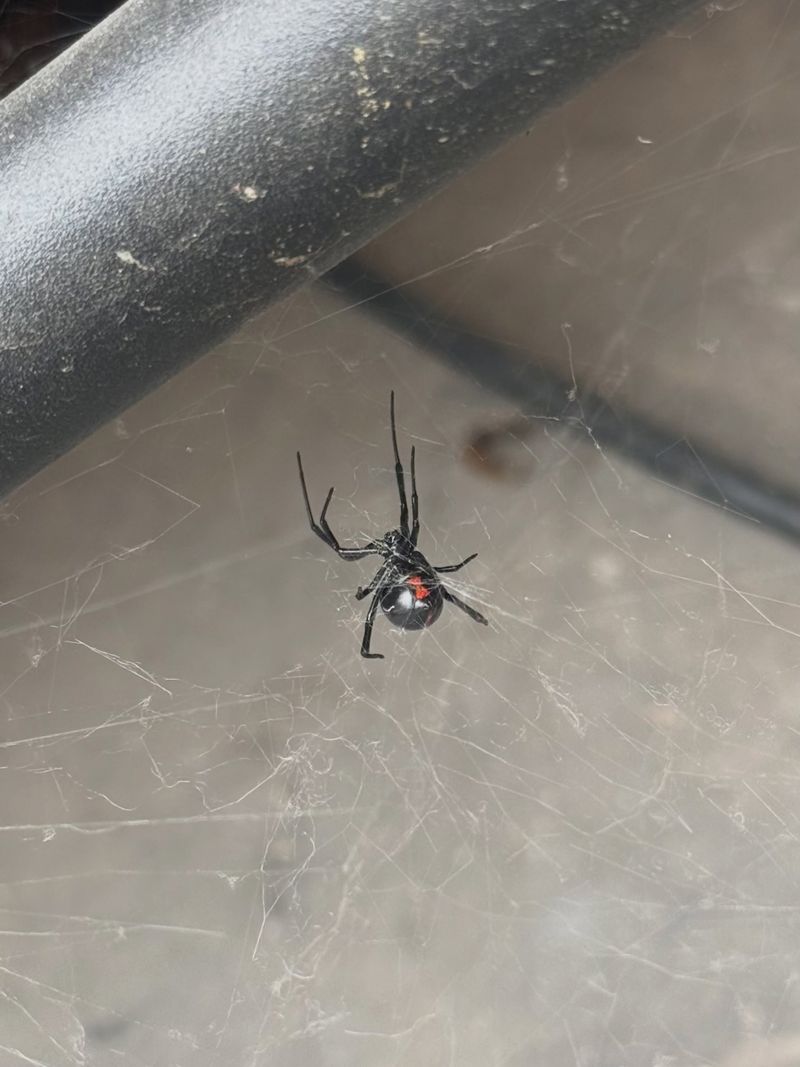
Black Widows in the Woodpile
© holdfast_ecopestwildlife

Grandpa always wore leather gloves when he hauled firewood, and he had a good reason. Black widows adore the gaps between stacked logs, and autumn is exactly when families start carrying that wood inside.

The female is glossy black with a red hourglass under her belly. Her venom affects nerves and can cause painful muscle cramps.

Yet those cozy piles are one of the top places Missouri homeowners bump into snakes and spiders in fall.

Kids and older adults are at greater risk of a serious reaction.

Keep woodpiles off the ground and away from your house walls. Bring in only what you will burn that day, and knock each log against the ground before carrying it in.

4. Timber Rattlesnakes on the Move
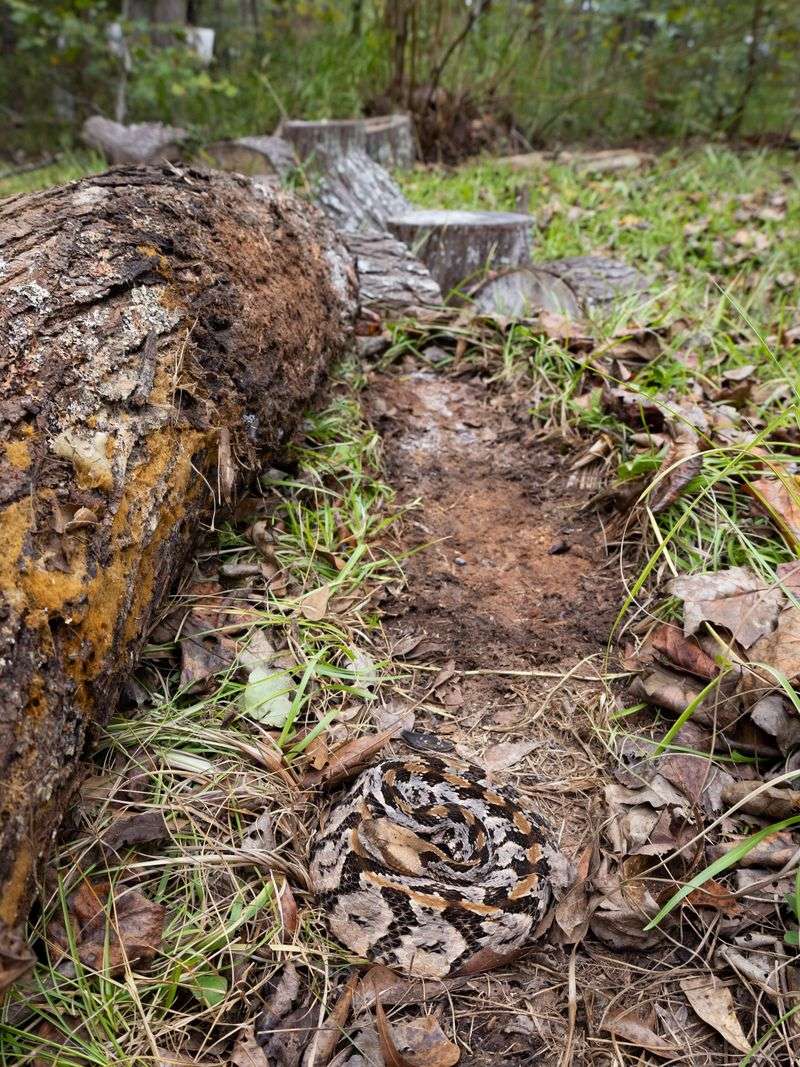
Timber Rattlesnakes on the Move
© nkfherping

Here is a fact that surprises many people: timber rattlesnakes can travel more than a mile to return to the same winter den they have used for years. In the Ozarks, that trip often crosses roads, driveways, and rural lawns in early fall.

These are big, heavy snakes with dark zigzag bands, and they usually stay calm. Most will rattle or stay still rather than strike.

They are also a protected species of concern in parts of the state, so killing them is discouraged.

If you see one, give it plenty of space and let it pass. Call your local Missouri Department of Conservation office if it seems stuck near your home.

5. Yellowjackets at Their Angriest
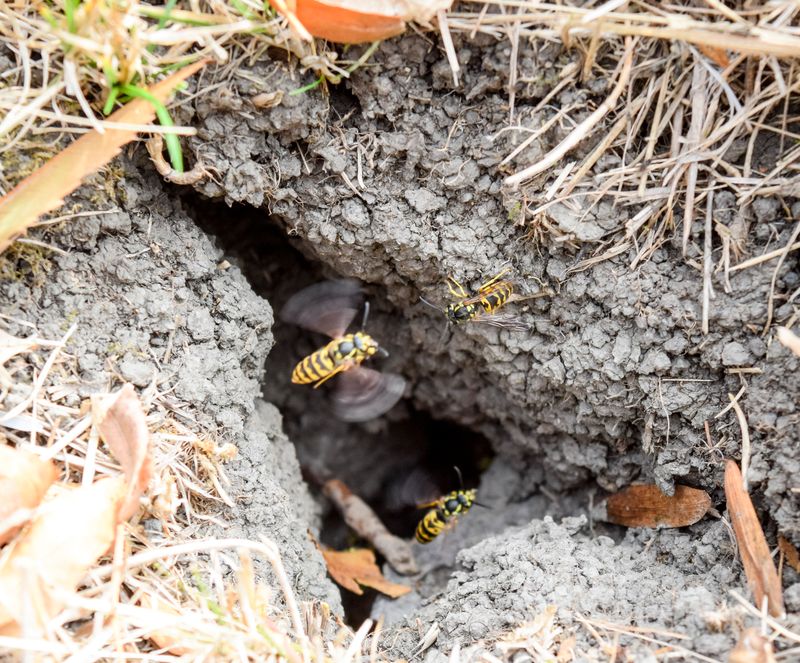
Yellowjackets at Their Angriest
© Nvirotect

Ever noticed how bees and wasps seem extra cranky around Halloween? You are not imagining it.

Yellowjacket colonies reach their biggest size in late summer and fall, and their natural food supply starts running out.

Hungry workers then go after sugary drinks, rotting fruit, and trash cans. Many nests are hidden underground, so mowing over one can set off a swarm.

Unlike honeybees, they can sting again and again.

Pick up fallen apples and pears quickly, keep lids on garbage, and cover drinks outdoors. Anyone with a sting allergy should keep their epinephrine pen handy until the first hard freeze.

6. Garage Gaps and Open Doors

Garage Gaps and Open Doors
© Romex Pest Control

A garage door left open all afternoon is basically a welcome mat. Snakes, spiders, and scorpions in parts of southern Missouri slip inside when temperatures drop, because concrete and stored items hold heat.

Small gaps matter too. A snake can squeeze through an opening about the width of a pencil, and spiders need even less room.

Replace worn weather stripping under garage doors and seal cracks around pipes. Close the door at dusk, when many critters are most active on chilly evenings.

7. Leaf Piles and Garden Cleanup

Leaf Piles and Garden Cleanup
© FourStatesHomepage.com

Raking leaves feels like the safest chore of the year. Yet those cozy piles are one of the top places Missouri homeowners bump into snakes and spiders in fall.

Leaf heaps trap warmth and moisture, which draws in insects, which then draw in hunters. A copperhead resting under the leaves is hard to see until you are right on top of it.

Wear gloves and closed shoes, and use long-handled tools. Try to bag or mulch leaves soon instead of leaving piles sitting for weeks.

8. Rodents That Lure Predators
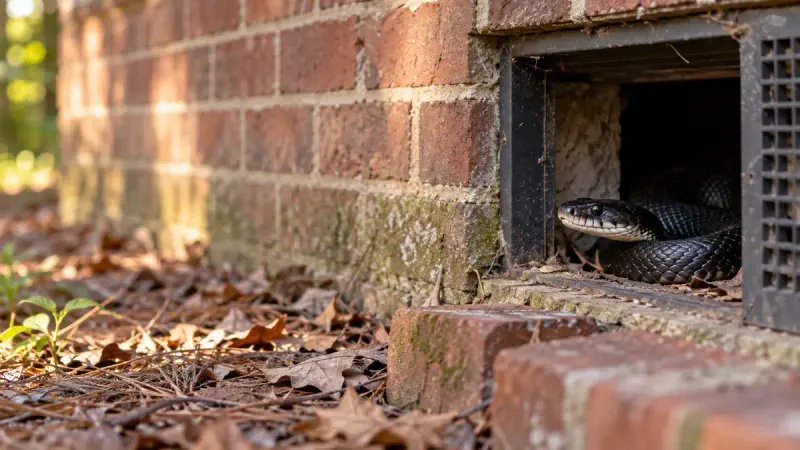
Rodents That Lure Predators
© Sawyer Exterminating

Follow the mice, and you will often find the snakes. As fields are harvested and cold arrives, mice and rats look for food and shelter near houses, barns, and sheds.

Snakes like copperheads and rattlesnakes eat rodents, so a mouse problem can quietly invite a snake problem. Birdseed, pet food, and garden scraps make the situation worse.

Store feed in metal cans with tight lids and clean up spilled seed under feeders. Fewer rodents means fewer reasons for a snake to stick around.

9. Sunny Warm Spells
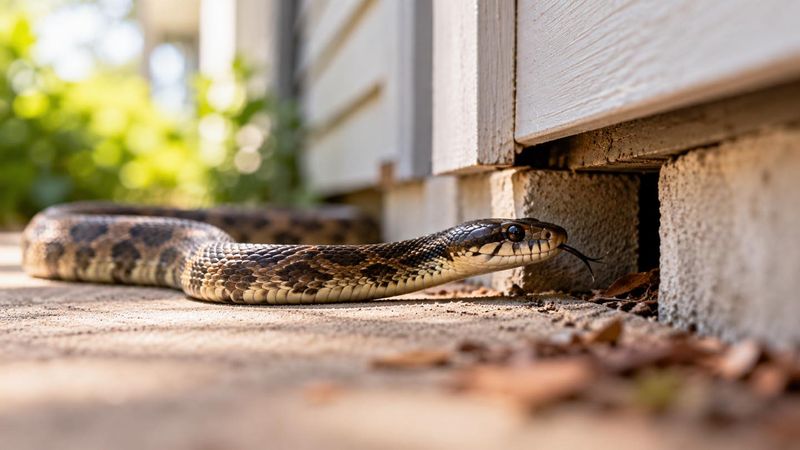
Sunny Warm Spells
© huntsmanwildlife

Missouri weather loves to play tricks. One week brings frost, and the next brings a 70 degree afternoon.

Those warm days pull snakes back out to bask on patios, sidewalks, and rock walls.

Many people drop their guard by November, thinking everything has gone to sleep. That relaxed attitude is why surprise meetings happen.

Stay alert on warm days through early December. Check sunny steps and stone borders before sitting or reaching down.

10. What To Do After a Bite or Sting
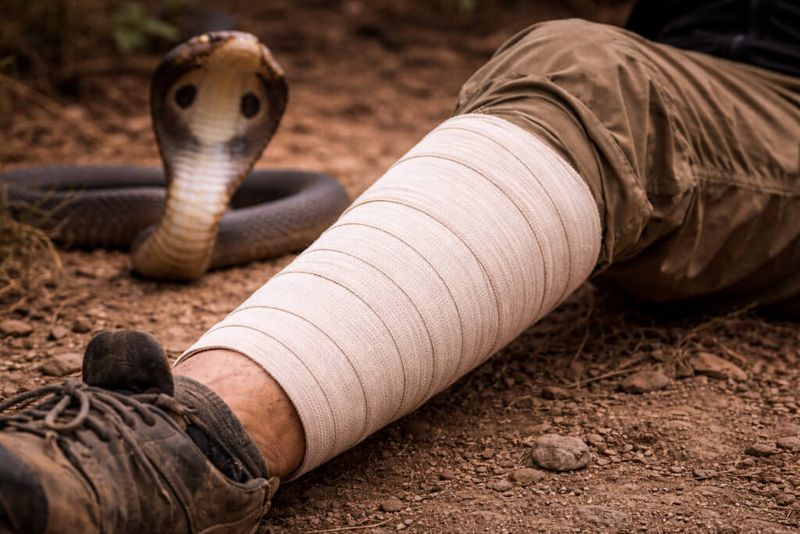
What To Do After a Bite or Sting
© The Survival University

Stay calm, call for help, and keep still. Those three steps matter more than anything else after a venomous bite in Missouri.

For a snakebite, remove rings or tight items, keep the bitten area at heart level, and get to a hospital. Do not cut the wound, suck out venom, or use ice.

Snap a photo of the snake from a safe distance if you can.

For spider bites, clean the spot and watch for spreading redness or cramps. Save the Missouri Poison Center number, 1-800-222-1222, in your phone before fall chores begin.

Share this story
CR

Written by

Clayton Reeves

More from Clayton Reeves →

About Gardening Latest

Gardening Latest provides in-depth guides to maintaining and enhancing your garden and backyard. Learn how to make the most of the space you have and create a beautiful garden.

More about us →

Latest stories

  • Arizona GardeningThis Invasive Tree Keeps Outrunning the Arizona Homeowners Trying to Pull It

    This Invasive Tree Keeps Outrunning the Arizona Homeowners Trying to Pull It

    3 min ago
  • Texas GardeningA Texas Storm Just Put Your Neighbor’s Tree in Your Yard, and Here’s Who Really Pays

    A Texas Storm Just Put Your Neighbor’s Tree in Your Yard, and Here’s Who Really Pays

    8 min ago
  • Georgia GardeningDon’t Panic Over That Giant Flower Stalk on Your Georgia Sweet Onions. Here’s What It Means and Whether to Cut It

    Don’t Panic Over That Giant Flower Stalk on Your Georgia Sweet Onions. Here’s What It Means and Whether to Cut It

    13 min ago
  • Wisconsin GardeningWisconsin Winters Don’t Kill Your Brown Recluse Worries, Because Hobo and Yellow Sac Spiders Move Indoors Now

    Wisconsin Winters Don’t Kill Your Brown Recluse Worries, Because Hobo and Yellow Sac Spiders Move Indoors Now

    19 min ago
  • Missouri GardeningYour Frozen Missouri Lawn Isn’t Empty: A Tiny Mammal With a Venomous Bite Hunts Below All Winter

    Your Frozen Missouri Lawn Isn’t Empty: A Tiny Mammal With a Venomous Bite Hunts Below All Winter

    25 min ago

Gardening by state

Stories for your state, and the hardiness zone most of it gardens in.

Keep exploring

Read next

All Missouri Gardening →
Missouri GardeningYour Frozen Missouri Lawn Isn’t Empty: A Tiny Mammal With a Venomous Bite Hunts Below All Winter
Missouri Gardening

Your Frozen Missouri Lawn Isn’t Empty: A Tiny Mammal With a Venomous Bite Hunts Below All Winter

25 min ago
Missouri GardeningSaddleback Caterpillar Stings Burn Like Fire, So Missouri Gardeners Should Grab Tape and Ice First
Missouri Gardening

Saddleback Caterpillar Stings Burn Like Fire, So Missouri Gardeners Should Grab Tape and Ice First

6 hr ago
Missouri GardeningThese Venomous Creatures Are Hiding In Missouri Yards, And Here’s How You Tell Them Apart
Missouri Gardening

These Venomous Creatures Are Hiding In Missouri Yards, And Here’s How You Tell Them Apart

21 hr ago

More from Missouri Gardening

  • Plenty of Missouri Gardeners Run From These 7 Venomous-Looking Critters That Are Actually Harmless

    Nov 25
  • Here’s What Those Little Ant Hills in Your Missouri Lawn After a Storm Actually Mean

    Nov 25
Back to top

Leave a response Cancel

Your email address stays private. Required fields are marked with an asterisk.

Gardening Latest

In-depth guides to maintaining and enhancing your garden and backyard: how to make the most of the space you have, and how to make it beautiful.

  • Facebook
  • X
  • Pinterest
  • YouTube

We may earn a portion of sales from products or services that are purchased through our site as part of our affiliate partnerships with retailers.

Explore

  • About GardeningLatest.com
  • Contact Us
  • Terms and Conditions
  • Privacy
  • Editorial Note:
  • FTC Disclosure

Newsletter

New garden guides and seasonal tips, straight to your inbox.

We’ll email you a link to confirm. Unsubscribe any time.

Almost there! Check your inbox and tap the link to confirm.

© 2026 Gardening Latest. All rights reserved.

Back to top