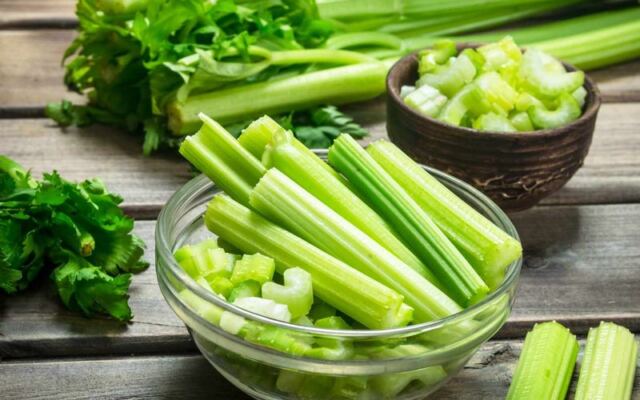
A daily stalk of celery does real work for your body, just in quieter ways than the hype suggests. It brings crunch, plenty of water, and a little fiber and potassium to your plate for very few calories.
Knowing what that actually adds up to helps you enjoy it without expecting miracles. Here is what Florida readers should know, from nutrition numbers to harvest season to safe handling.
What celery contributes in a serving
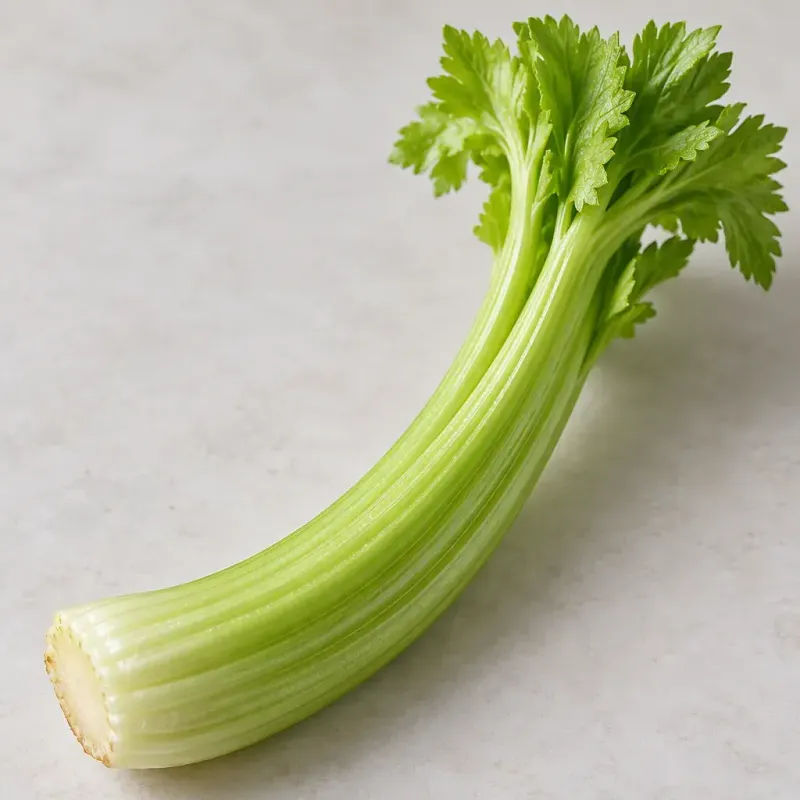
Celery earns its place in the kitchen by adding crunch and water to a meal for almost no calories. FDA nutrition figures list two medium stalks (110 g) at 15 calories, 2 g of fiber, 260 mg of potassium, and 115 mg of sodium.
Stalk size varies a lot from one bunch to the next. Those numbers describe a typical two-stalk serving, not an exact measurement for every single stalk you pick up at the store.
The crunch has a simple explanation. USDA data put raw celery at about 95% water by weight, which is why it snaps and feels so fresh.
That does not mean celery hydrates you on its own, since you still get most of your fluids from what you drink.
The fiber and potassium are real, but they are modest contributions. Two stalks give you a bit toward your day, not a big share of either nutrient.
Think of celery as a light, snackable way to add volume to a plate, whether that is chopped into tuna salad, tossed into soup, or dipped in hummus.
Nutrition facts also do not turn into promises. Having fiber and potassium on the label does not mean celery will cause weight loss or fix a health problem.
It is simply a low-calorie vegetable that tastes good and adds texture.
Why variety matters more than a daily ritual
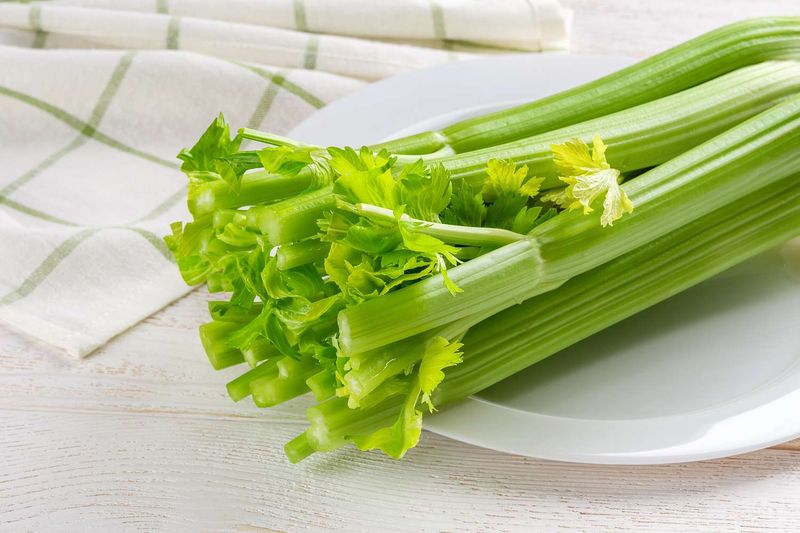
Plenty of people treat a daily stalk like a health ritual, but your body does not care much about one particular vegetable. Celery counts toward your vegetable intake, and that is a fine thing.
It just works best alongside many other choices.
The Dietary Guidelines for Americans encourage eating a variety of vegetables and building an overall healthy eating pattern. The focus is on the whole picture of your meals over weeks and months, not on a single food.
That means a daily stalk is a reasonable preference, not a requirement. If you love celery with peanut butter every afternoon, go for it.
If you skip it for a week, nothing is lost.
A practical way to use this idea is to rotate your crunchy vegetables. One day it might be celery sticks, the next day cucumber slices, sweet peppers, or carrots.
Dark leafy greens, beans, and orange vegetables bring other nutrients that celery does not offer in large amounts.
If celery is the vegetable you will actually eat, that is worth something. A vegetable you enjoy beats a fancier one that rots in the crisper drawer.
Just let it be one useful option on a longer list.
What blood-pressure research says about celery preparations
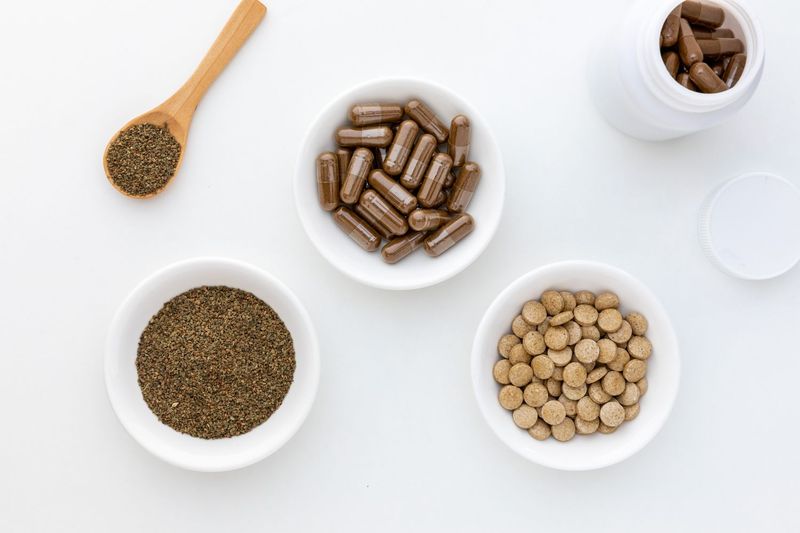
You may have seen headlines about celery and blood pressure. They trace back to a 2025 systematic review that pooled 10 randomized trials with 511 participants and reported blood-pressure improvements from celery preparations.
The review also came with limits. The trials were small, and the results varied a great deal from study to study, which researchers call substantial heterogeneity.
In plain terms, the studies did not all point to the same size of effect.
The details matter here. In subgroup analyses, celery seeds or preparations at more than 1,000 mg a day looked more effective.
Those are concentrated forms, not the stalk in your lunchbox.
So the findings do not show that one ordinary stalk has the same effect or the same dose. A daily stalk is not a promise of lower blood pressure.
If you have high blood pressure, celery is not a treatment and not a replacement for medical care. Keep taking prescribed medicine and talk with your doctor or pharmacist before trying celery seed extracts, since concentrated products can interact with other things you take.
Eating celery as food is fine, as long as you treat it as food.
Juice changes what you get
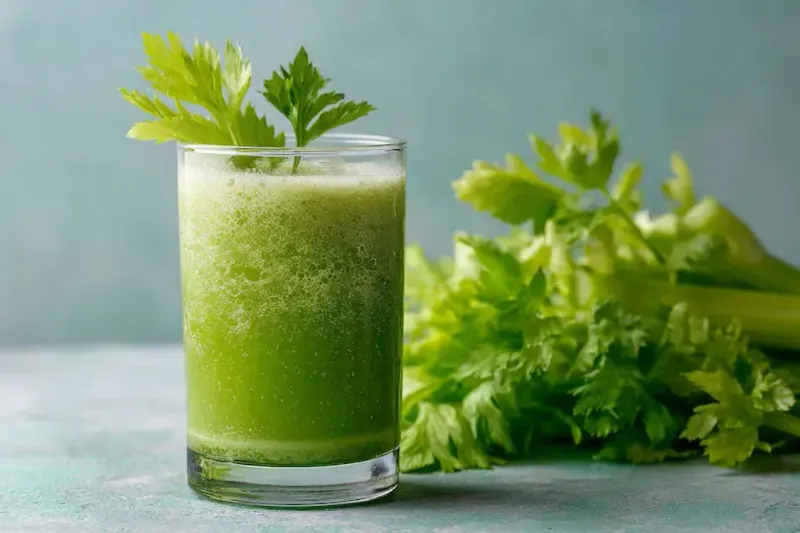
Whole celery and celery juice are not the same food. Juicing or straining can remove much of the fiber, as Oregon State University Extension explains.
Fiber is part of what makes a whole stalk filling, so the juice leaves some of that behind.
Juice is also not interchangeable with the concentrated preparations used in research. The studies in that 2025 review involved celery preparations such as seed products, so they do not tell us what a glass of juice does.
Then there are the detox claims. According to the National Center for Complementary and Integrative Health, there is no compelling research that detox diets remove toxins, and some cleanse programs can be unsafe.
Your liver and kidneys already handle that job, and celery juice has not been shown to cleanse anything. It also has not been shown to treat acne, bloating, or chronic disease.
Safety counts too. Fresh juice that is unpasteurized can carry harmful bacteria, and NCCIH cautions it can cause serious illness, especially for children, older adults, and people with weakened immune systems.
Pasteurized juice has been heat-treated to reduce that risk.
If you enjoy the taste, a small glass of pasteurized juice is a fine drink. Just do not count on it to do what a whole stalk, or a doctor, does better.
Florida celery has a typical season
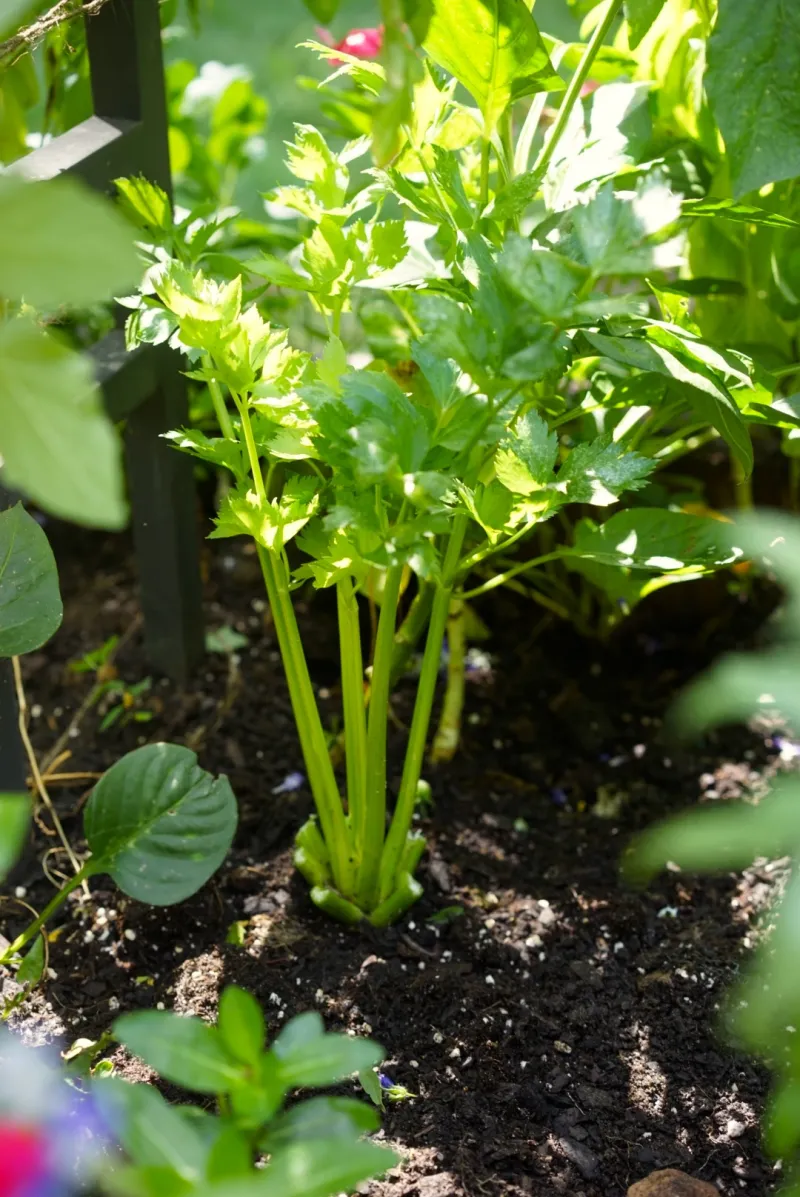
Florida grows celery, and the cooler months are when it shines. The state agriculture department’s Crops in Season guide lists celery’s typical harvest as December through May.
Typical is the key word. Weather can shift schedules, so a cold snap, heavy rain, or a hot spring can move things earlier or later.
Do not count on Florida celery being on shelves every single week of that window.
It is also not available all year from local fields. In the summer and fall, the celery at your grocery store likely came from somewhere else.
That is normal, and it is still the same vegetable.
Seasonality is useful for shoppers who like to buy local. During the winter and spring, look for Buy Fresh from Florida labels or ask at a farmers market what is coming in.
Fresh stalks that were harvested recently tend to be crisp, which helps with taste and texture.
Local does not mean more healthful, though. Celery grown in another state offers about the same nutrition.
Choose Florida celery when it is available because you want to support nearby farms or enjoy the freshness, not because it carries a special health advantage.
Wash celery and watch for allergy symptoms
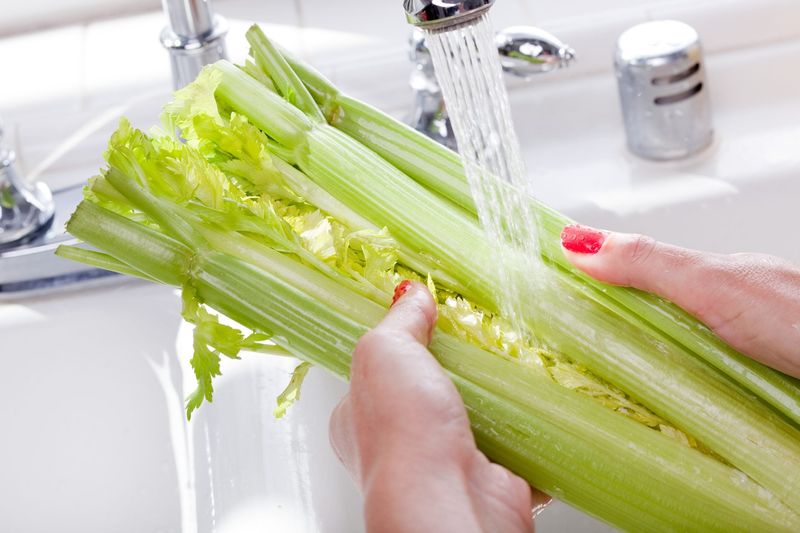
Good habits keep celery safe. The FDA’s produce safety advice says to rinse produce under running water before you cut or eat it.
Skip soap, detergent, and commercial produce washes.
Rinsing can reduce bacteria, but it cannot remove all contamination. That is why the other steps matter.
Keep raw celery away from raw meat, poultry, and seafood, including on cutting boards and in shopping bags, and refrigerate perishable produce, especially once it is cut.
Allergies are the other thing to watch. Celery is a known trigger for pollen-food allergy syndrome in some people who have pollen allergies.
The body mistakes proteins in the food for pollen it already reacts to.
Symptoms often show up as itching in the mouth or throat soon after eating raw celery. If you notice that, stop eating it and mention it to your doctor or allergist.
Symptoms beyond the mouth, such as hives, swelling, trouble breathing, or stomach trouble, call for medical attention. Serious reactions are uncommon, but they can happen, so do not wait to see if they pass.
Keep celery in perspective
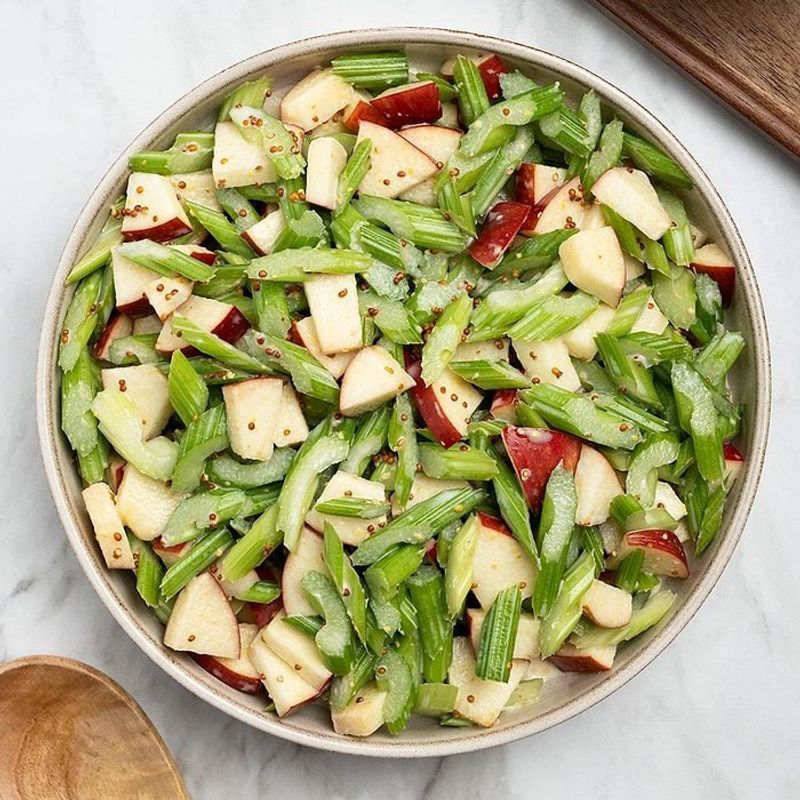
Celery is a handy everyday vegetable. It is cheap, crunchy, easy to prep, and fits into soups, salads, and snack plates.
You do not need a stalk every day, and you should not expect it to act as a cure for anything.
Pick it up when you like it, and let other vegetables take their turns. A varied plate does the heavy lifting.
The best celery habit is the one you enjoy, and the rest of your plate can take care of itself.
Share this story