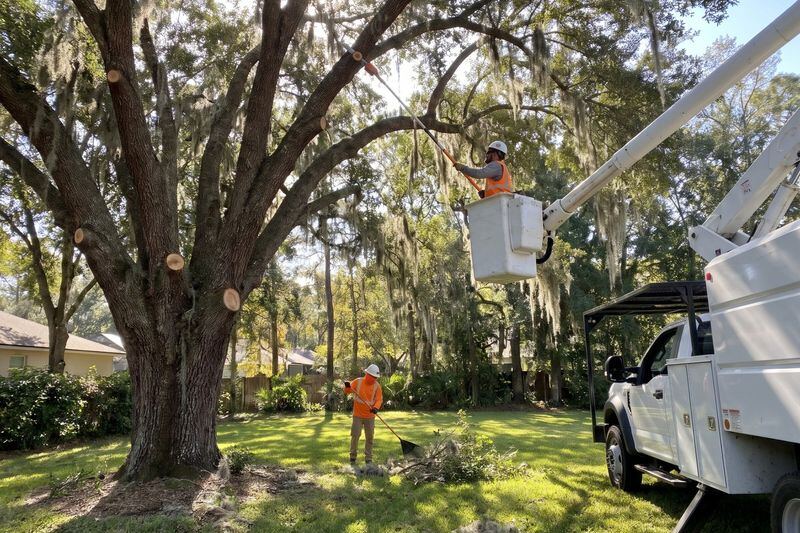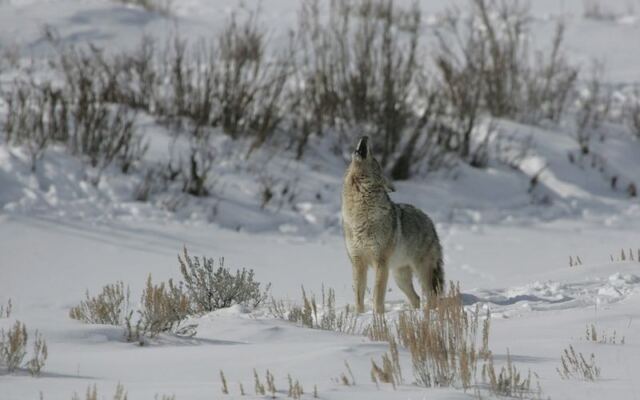
Coyotes live in every Florida county, and the howls you hear after dark are their way of talking to each other. That sound can be startling, but it is communication, not a warning aimed at you.
Knowing what a howl can and cannot tell you helps you stay calm and focus on the steps that really protect your family and pets. Here is what the records show, what the calls mean, and what to do about it.
What statewide coyote records show
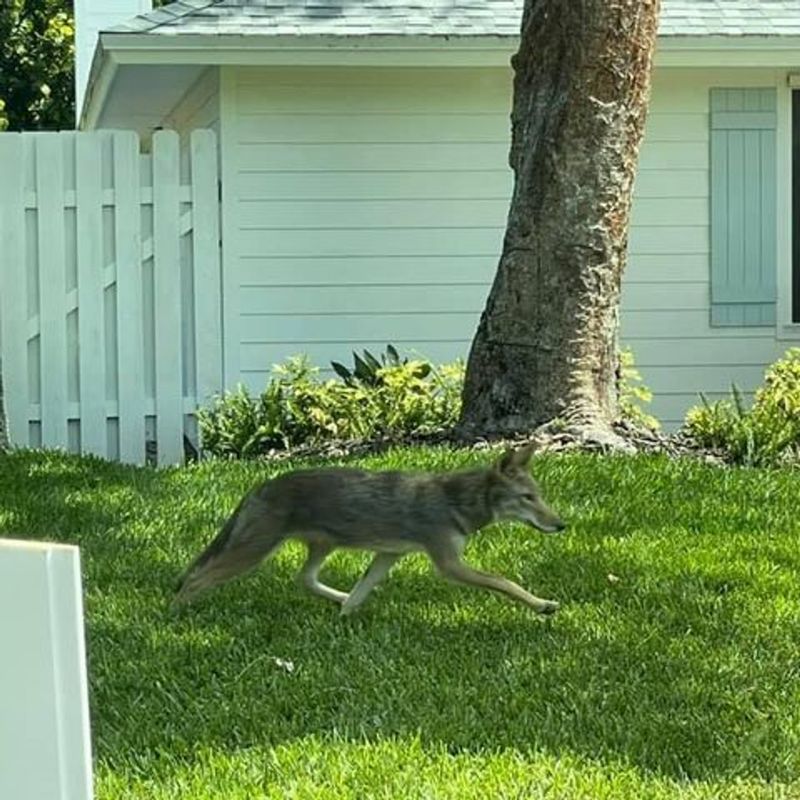
The Florida Fish and Wildlife Conservation Commission (FWC) says coyotes have been documented in all 67 Florida counties. According to the FWC coyote FAQ, that documentation traces back to a 2007 report.
So this is not a story about a sudden wave moving county by county. Coyotes have been established here for a while, and FWC describes them as naturalized in cities, suburbs, and rural areas.
It helps to be clear about what “documented in all 67 counties” means. It is a statement about presence.
It is not a head count, and it does not measure how many coyotes live in any one place. Some areas have more of them, some have fewer, and a county being on the list does not mean every neighborhood has coyotes.
That difference matters when you hear something outside your window. The statewide record tells you coyotes are part of Florida’s wildlife.
It cannot tell you whether the animal you heard is in your backyard, a few streets over, or across a field a mile away.
Think of it like knowing that owls live across the state. That fact is true, and it is useful, but it does not tell you whether one is perched on your fence tonight.
The next sections look at what a howl can actually reveal, and what it can’t, so you can respond to the real situation instead of a guess.
The good news is that you do not need to know exactly where coyotes are to take sensible steps. Securing food, watching your pets, and knowing how to react work whether coyotes are rare or common on your street.
Coyotes use howls to communicate

Howls and yips are social tools. FWC explains in its howling flyer that vocalizations help coyotes keep track of family members and defend territory.
A call can be a way of saying “I’m over here” to a relative, or a way of telling neighboring coyotes to stay out.
Calls can also happen when coyotes sense a threat to a bedding area, a den, or their territory. These are possible situations, not a decoder ring.
You cannot listen to one howl and know that this coyote is warning you, that a den is nearby, or that a group is gathering to hunt.
Plenty of popular ideas about howling fall apart on closer look. FWC calls the full moon story a misconception, since coyotes do not howl because of the moon.
The idea that coyotes howl to celebrate a kill is considered unlikely by FWC, because announcing food would likely draw competitors. Unlikely is not the same as proven impossible, but it is not a safe assumption either.
The practical takeaway is simple. A howl by itself is not a sign of an imminent attack, and it does not prove a kill happened or that anything is wrong.
If you hear one from your porch, the most likely explanation is ordinary coyote conversation.
That does not mean you should ignore coyotes altogether. It means the sound is the wrong thing to base your decisions on.
What coyotes do, and what is available to them around your home, tells you far more than any call.
When coyotes are likely to call
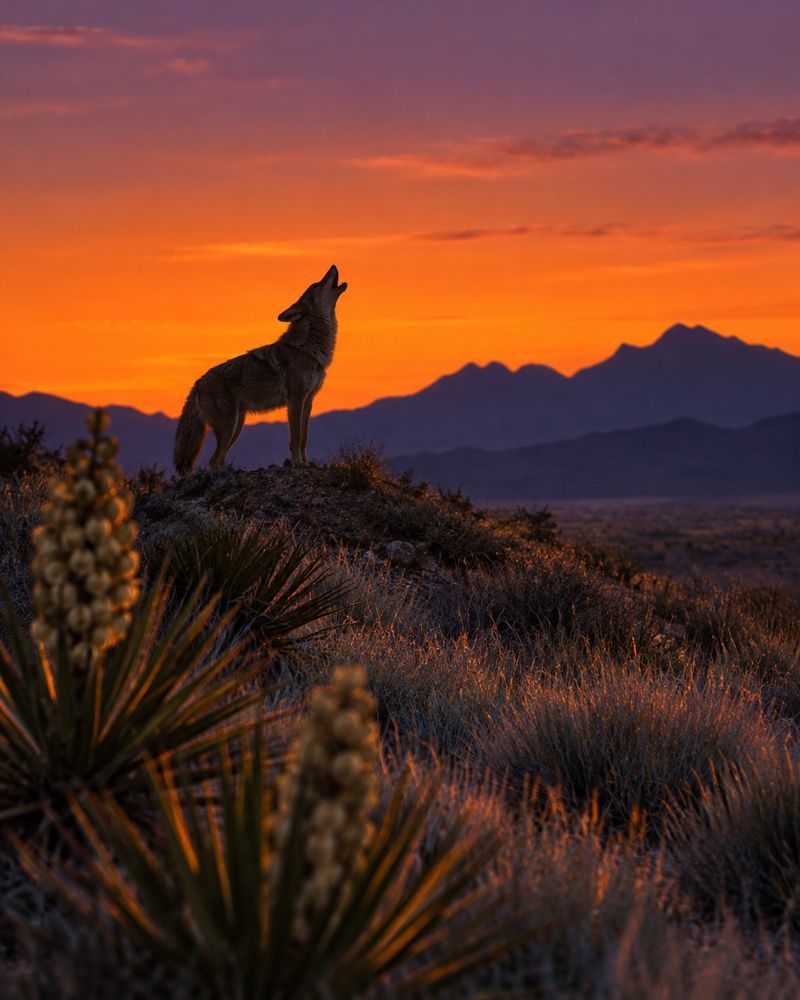
Timing is a separate question from meaning. FWC says in its howling flyer that calls are commonly heard in winter, when coyotes breed and young animals disperse to find new territory.
Many people notice the noise around midnight or shortly before sunrise.
Common is not the same as always. Coyotes may vocalize at other times of year, especially if they perceive a threat to a resting or denning area.
So a howl in July is not strange, and a howl in January does not explain itself. A season gives you a tendency, not a rule for any particular call.
The same goes for the clock. According to the FWC coyote species profile, coyotes can be active by day or night, and they are usually most active around sunset and sunrise.
They are not strictly nocturnal.
That has a useful everyday meaning. If you spot a coyote trotting along a fence line in the morning, that alone does not mean something is wrong with it.
A daytime sighting by itself is not abnormal behavior.
It also means dusk and dawn are the times to be a little more careful. Those are the hours when a pet in the yard or a dog on an evening walk is most likely to cross paths with one.
Timing tells you when to be thoughtful, but it will not tell you where a coyote is or what it intends.
Why a chorus can fool your ears
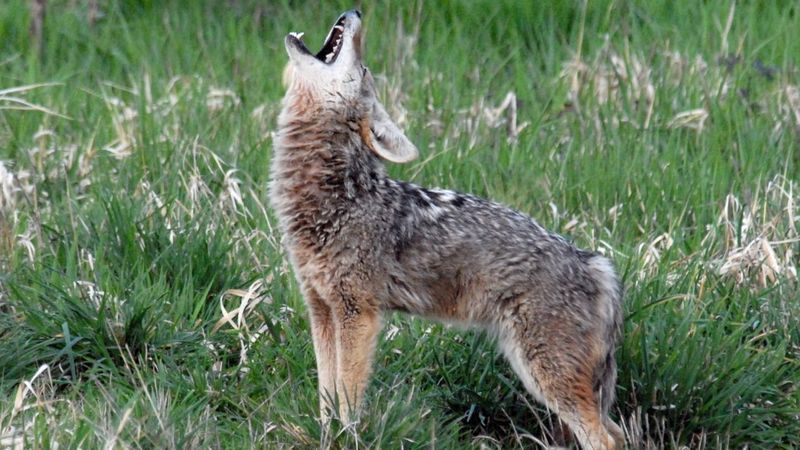
A burst of yips and howls can sound like a whole crowd. Often it is just a few animals.
FWC notes in its howling flyer that a small number of coyotes can sound like many.
Researchers tested this. In a 2017 study, 427 participants listened to recordings of one to four coyotes.
Most people overestimated how many were calling, and only 11% picked the exact number.
There is a fair caution here. The study used recordings and participants in southern Texas.
It is not a count of Florida coyotes and says nothing about how many live in your county. What it does show is how unreliable the human ear is at counting calling coyotes.
For you, that means two things. First, a loud chorus is not proof of a big pack outside your home.
Second, you also cannot tell where the animals are from the sound alone, since howls carry and bounce across open ground.
If the noise bothers you, treat it as background information. Walk your property in daylight, check for open trash or pet food, and make sure your animals are safely indoors at night.
Those steps do more good than trying to figure out how many voices you heard.
Remove food that can draw coyotes toward homes
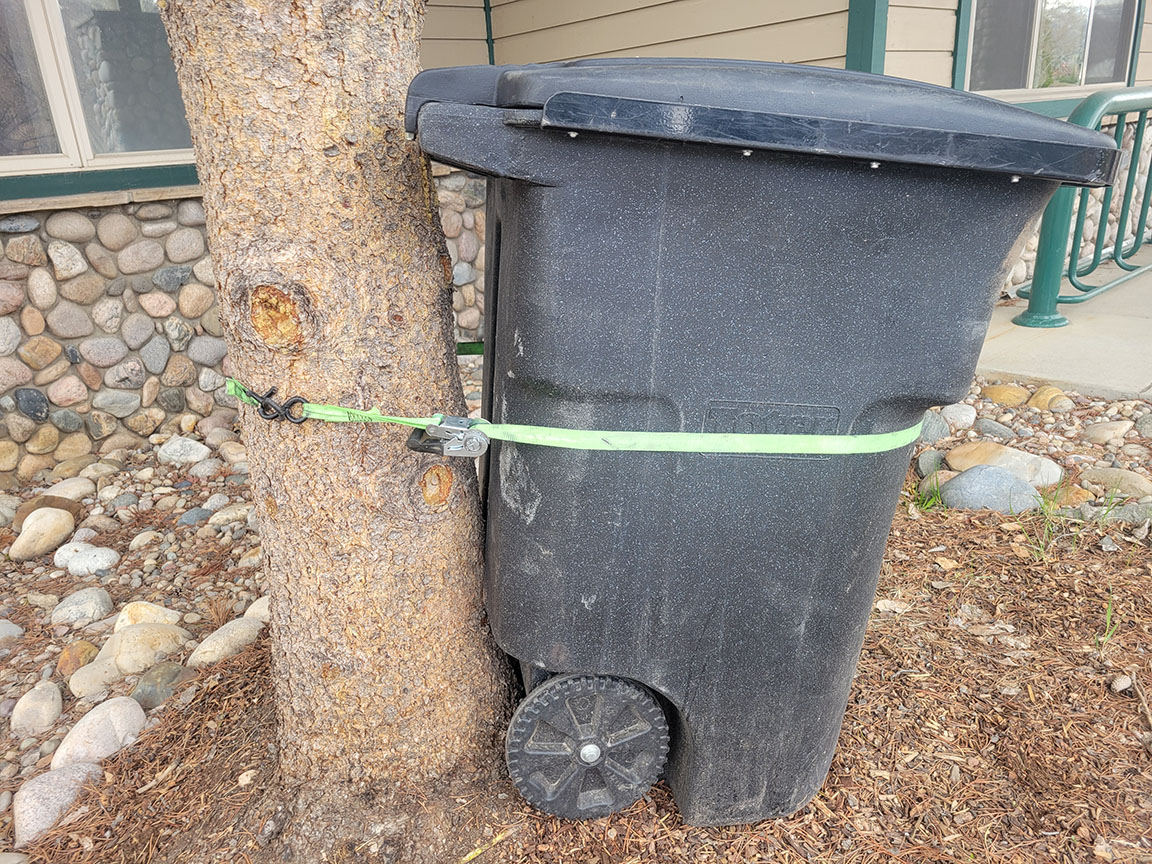
Food is the most useful thing you can control. The FWC coyote species profile warns that food linked to people can draw coyotes toward homes and may contribute to a loss of their natural wariness.
A coyote that learns yards offer easy meals is more likely to hang around.
Start with garbage. Use bins with tight, secure lids, and set them out the morning of pickup instead of the night before.
Keep compost in a closed container rather than an open pile.
Next, walk the yard for less obvious snacks. Bring pet food and water bowls inside after use, since a dish left on the patio is an open invitation.
Pick up fallen fruit from citrus, mango, or other trees, and think about whether birdseed is worth the mess it spills on the ground, since seed can attract rodents that attract coyotes.
Never feed coyotes, on purpose or by accident. FWC says feeding them is illegal in Florida.
Tossing scraps out the back door might feel harmless, but it teaches wild animals to link people with food.
If neighbors leave food out, a friendly word can help. A whole street that cleans up its attractants gives coyotes much less reason to linger.
Protect pets and respond safely to an approach
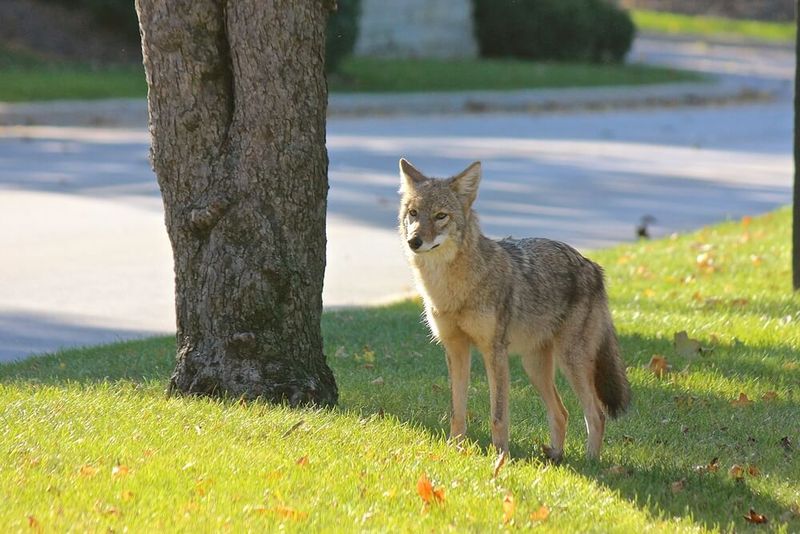
Coyotes can prey on cats and small dogs, as the FWC coyote page notes. The simplest protection is supervision.
Keep cats indoors, and do not let pets roam or stay outside alone.
When you walk a small dog, use a short, fixed leash rather than a retractable one. Take extra care at night, dusk, and dawn.
Stay alert and keep your phone light and your attention on the surroundings.
If a coyote approaches, keep your distance and do not run. The FWC species profile advises standing your ground, yelling or making loud noises, and waving your arms.
Keep hazing until the coyote leaves, and pick up small pets or lead them away calmly if you can do so safely.
Hazing is meant to scare, not to hurt. Never try to injure, handle, corner, or capture a coyote.
A cornered animal has fewer options, and that is when a situation can turn risky.
Give extra space if you think a den or pups may be nearby. A coyote that seems to hover close to one spot may simply be protecting young.
Back away slowly, keep pets with you, and take a different route for a while.
Know when to report a coyote or seek medical advice

Ordinary howling is not a reason to call anyone. Behavior is.
FWC’s coyote behavior guide lists concerning signs: close approaches, failing to retreat from loud noises, unprovoked threatening behavior, and approaching or injuring leashed pets.
If you see those, report them. FWC’s number for unusual coyote behavior is 888-404-3922.
Save it in your phone now so you are not searching for it later.
Call 911 only in an emergency, such as when a person is in immediate danger. A coyote seen at dawn or crossing a road is usually not that.
Health matters too. After a bite or any possible rabies exposure, contact a health care provider and your county health department promptly.
The Florida Department of Health says in its rabies guidance that timely treatment can prevent infection in people. Wash the wound well and do not wait to see if symptoms appear.
Local rabies alerts do happen, but they are specific to a place and a period of time, and one alert does not mean rabies is common among coyotes statewide. Standing advice is to avoid contact with wild animals.
The howl is just the soundtrack. Clean yards, watched pets, and a clear plan for unusual behavior do the real work.
Share this story