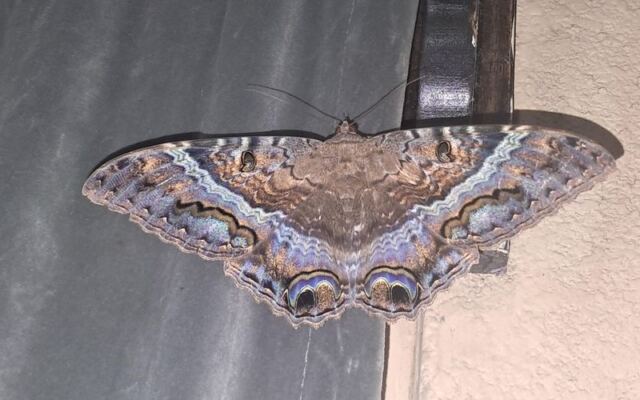
That huge black moth resting by your porch light is very likely a harmless visitor, and one possible match is the black witch moth. This tropical moth turns up in Maryland now and then, and the adult will not hurt you or your home.
Size and color alone can’t prove which moth you have, so a few simple clues help. Here is what to look for, why it may have shown up, and what to do next.
A black witch is one possible match
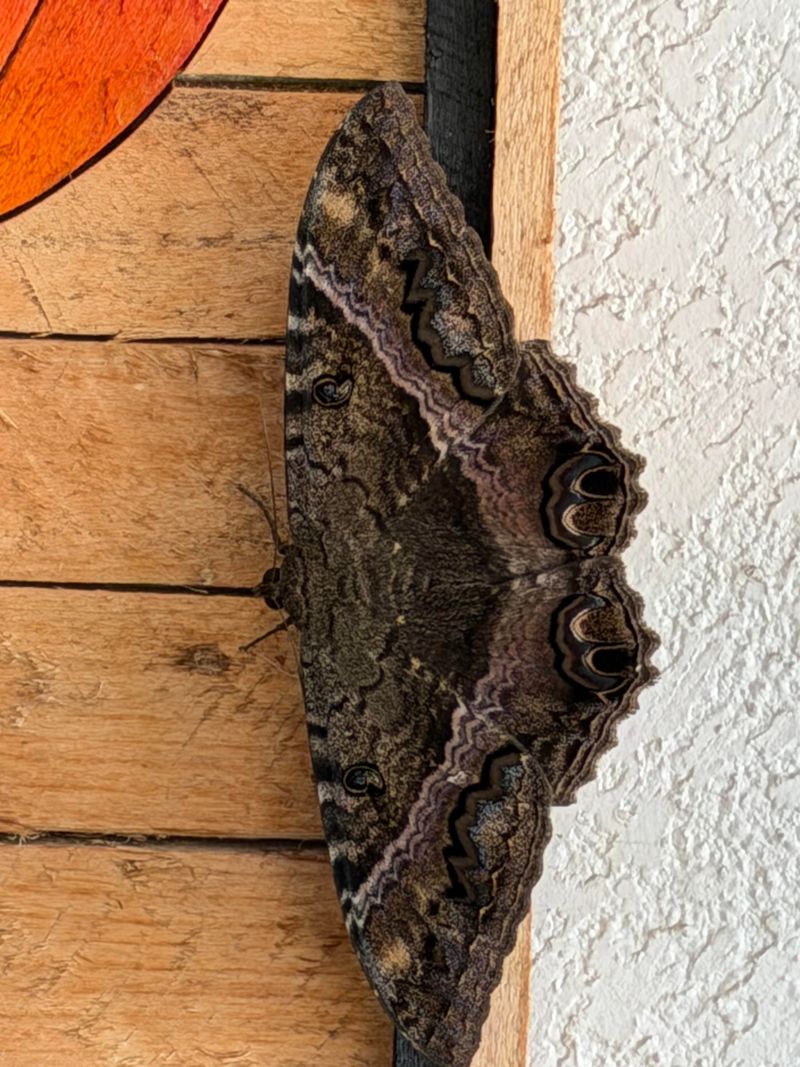
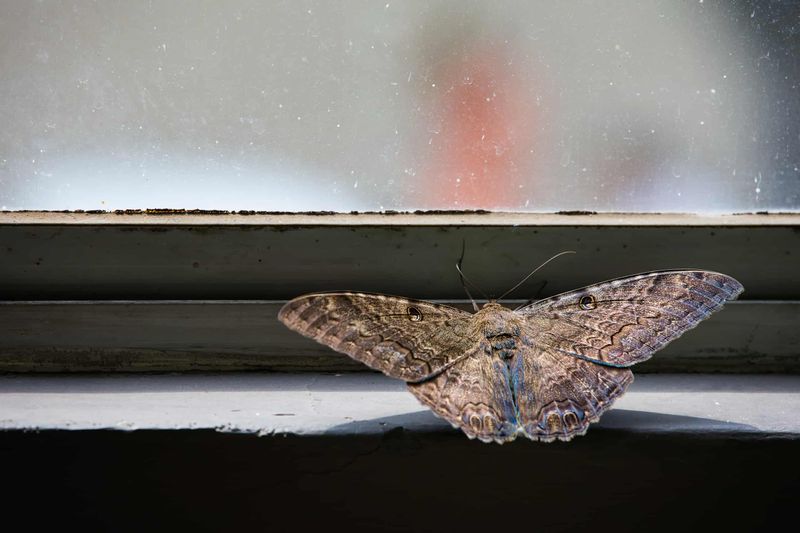
Picture a moth so big it makes you do a double take. The black witch moth, Ascalapha odorata, is a very large, dark brown to blackish moth with pointed forewings and conspicuous spots and markings.
The University of Colorado Museum of Natural History notes that it can look dusty or dark brown as well as blackish, and some sources put the upper end of its wingspan around 6 to 7 inches.
Females often show a pale or tan band across the wings. Males lack that band, so a male can look like a plain dark moth at first glance.
That is one reason a black witch is a plausible candidate, not a confirmed answer.
Plenty of other large, dark moths can look similar from across a porch. The word black does not settle anything, and neither does the word huge.
University of Maryland Extension guidance points out that Maryland has hundreds of moth species and that a photo is needed to identify one with confidence.
So look at the wings. Check for a pale band, the pointed shape of the front wings, and the pattern of spots and wavy lines.
A clear picture showing the wings spread or fully visible will tell you far more than any description.
Why a tropical moth turns up in Maryland
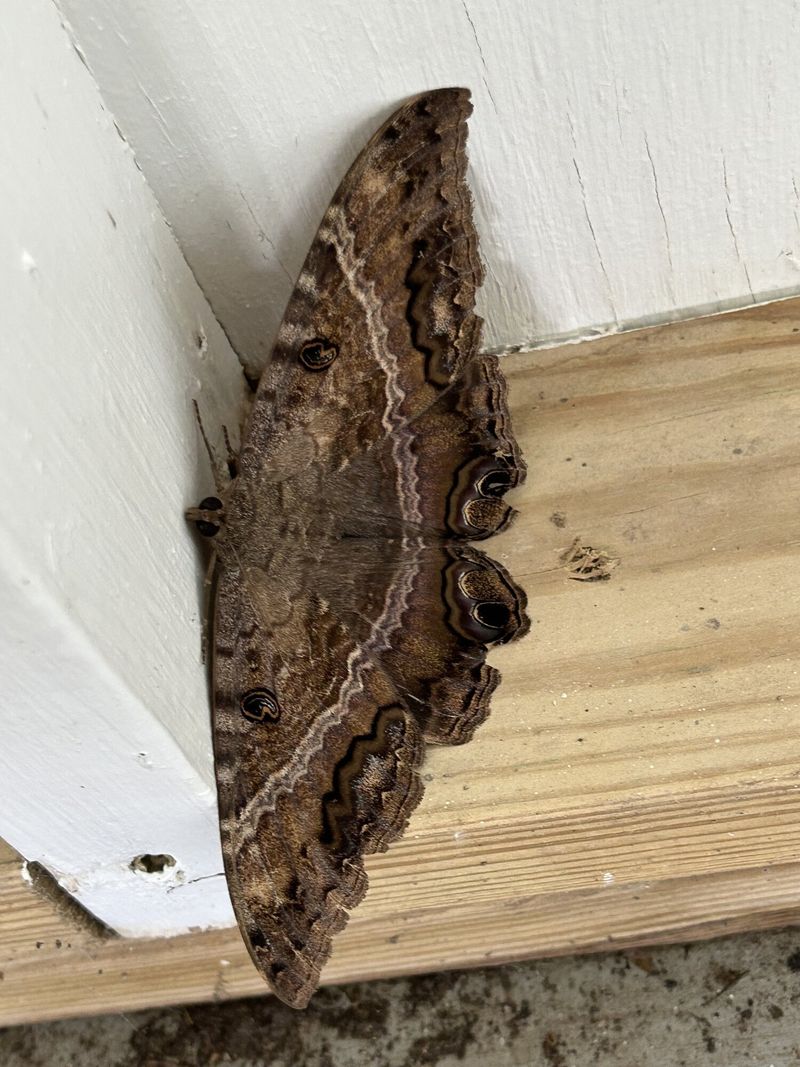
Black witch moths are common in the American tropics, and they are known for moving north. The Maryland Biodiversity Project lists verified records from several counties, including a St. Mary’s County record from August 10, 2022.
It describes the species as a vagrant that may drift north in late summer and early fall.
Vagrant is the key word. It means an occasional visitor, not a typical Maryland resident.
Maryland sits near the northern edge of the places where this moth is ever found.
The same pattern shows up farther south. The Moths of North Carolina database also treats it as a stray at the edge of its range.
That fits the idea that these moths wander beyond where they normally live.
Late summer and early fall are plausible times to spot one, but that is not a guarantee. A sighting in August or September does not tell you why your moth showed up.
It also does not prove the species breeds in Maryland, and nobody can say what route or weather brought one particular moth to your door without real evidence.
Porch lights can draw visitors
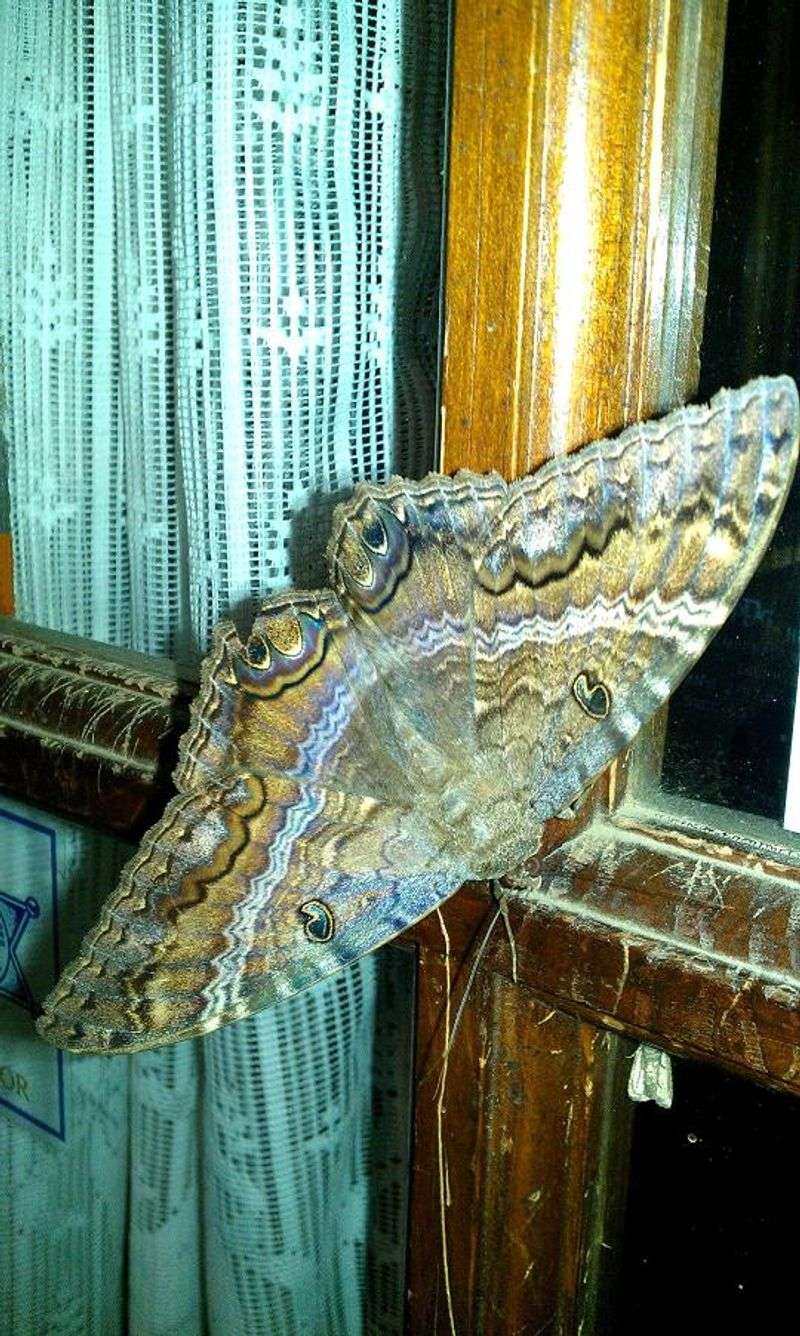
Black witches have a habit that matches your porch story. Texas Parks and Wildlife reports that they rest under house eaves during the day and may visit house and street lights.
That makes a door or porch a very ordinary place to find one.
It is tempting to say a moth spotted your lamp from miles away and flew straight to it. Nobody can say that about one particular moth.
A light sighting only tells you the moth was near that light at that moment.
Scientists are still working out how artificial light affects insects. A study in Nature Communications describes how lights can disrupt the flight control of some flying insects, rather than simply pulling them in from far away.
In plain terms, a bright lamp can mess with how an insect steers.
That does not mean one explanation fits every moth around every lamp. Your visitor may have been resting there already, been thrown off course, or just landed for a break.
Either way, it is a sign the light is catching insects, not a sign that anything is wrong at your house.
The adult black witch is not a household threat
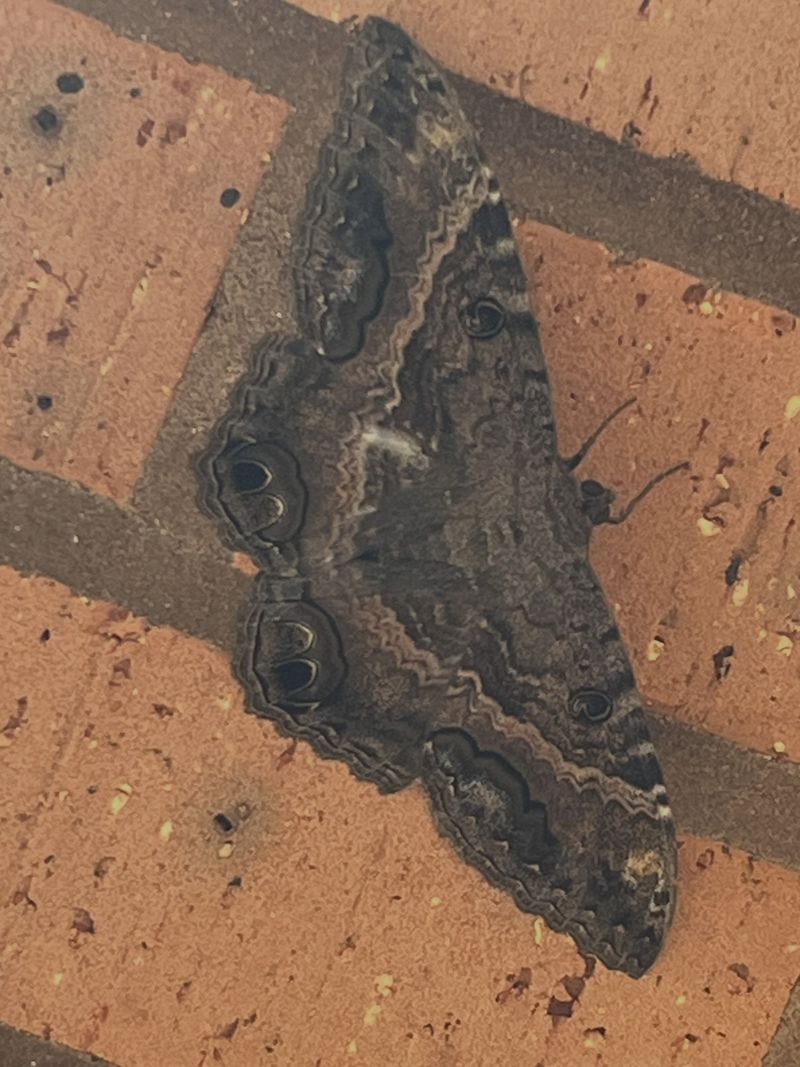
Here is the reassuring part, stated carefully. The adult black witch moth is harmless to people and is not a household pest.
Texas Parks and Wildlife describes it as harmless, and notes that its caterpillars feed on woody legumes such as mesquite, ebony, acacia, and cassia.
That diet is a big clue about home safety. The adult is not chewing your siding, clothes, or pantry food.
It is simply a big moth that stopped for a rest.
That promise covers the adult black witch only. It does not stretch to every moth or caterpillar.
DermNet explains that most skin reactions linked to moths and butterflies come from caterpillars, and that a few unrelated moth species can cause irritation or rarely bite or sting.
Those exceptions say nothing bad about the black witch. They just mean you should stay sensible around the unknown.
If you find a fuzzy caterpillar you cannot identify, do not pick it up, and admire it from a distance instead.
Folklore gives the moth a second life
Few insects have a reputation like this one. In some traditions, a dark moth entering a home was linked with death.
The University of Colorado Museum of Natural History documents death-associated beliefs in some Mexican and South Texas communities.
Luck has a place in the story too. Texas Parks and Wildlife also records a later superstition that seeing one could bring lottery luck.
The same moth can be a bad omen in one telling and a lucky charm in another.
These are cultural stories, shaped by particular places and people. They are not universal beliefs, and they are not predictions.
Nothing about the moth’s biology backs them up.
Treat them as a fun bit of history. If a neighbor jokes about an omen, you can smile and say the moth is just a big, harmless traveler that picked your porch.
Leave the visitor undisturbed
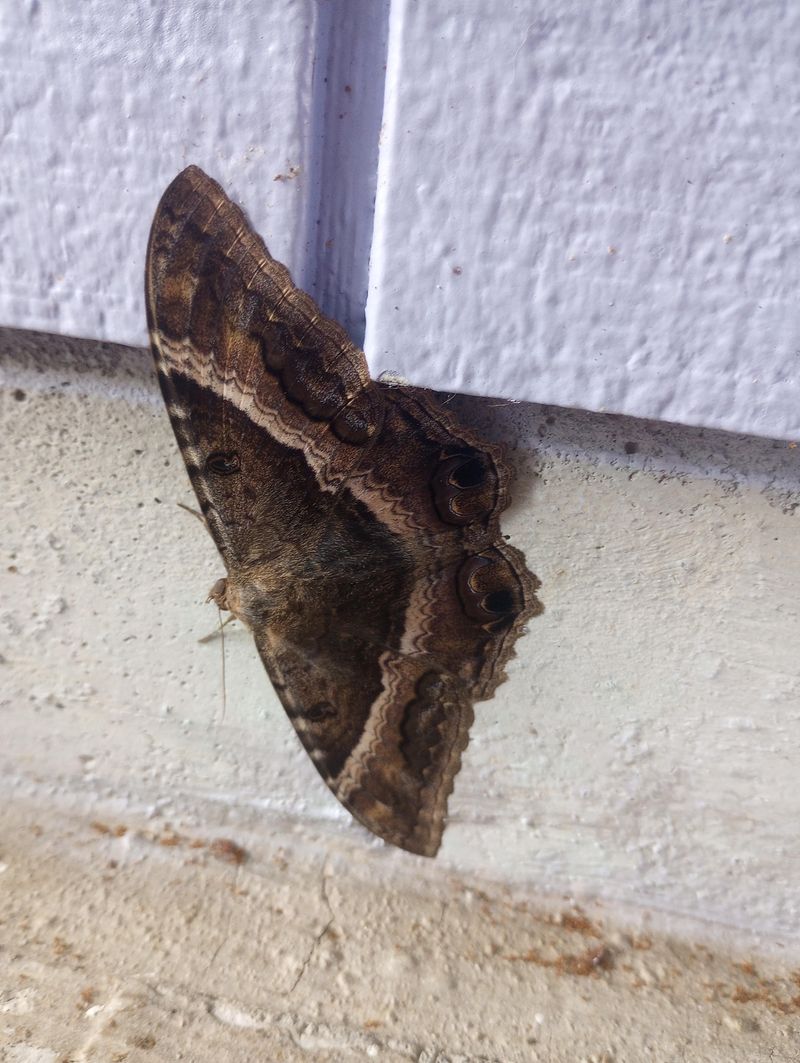
If the moth is outdoors, the best move is usually to leave it alone. There is no reason to spray pesticide on a resting adult.
University of Maryland Extension says few moths are true pests and suggests letting them do their part in the ecosystem. Switching off unneeded outdoor lights also cuts light pollution for night-flying insects.
If you want a name for your visitor, take a clear photo showing the wings. Because Maryland has so many moth species, a description alone may not settle it, and Ask Extension asks for images.
A possible black witch is a reason for curiosity, and it is a rare chance to meet a wanderer from the tropics.
Share this story