Get the latest garden guides in your inbox →
Gardening Latest
  • General Gardening
  • Lawn Care
  • Plant Care
  • Composting
  • Soil Health
  • Backyard
  • Garden Muse Magazine
  • General Gardening
  • Lawn Care
  • Plant Care
  • Composting
  • Soil Health
  • Backyard
  • Garden Muse Magazine
  • News
  • Gardening Calendar
  • Garden Structures
  • Vegetable Garden
  • Vertical Garden
  • Raised Beds
  • Hydroponics
  • General Equipment
  • Community Gardens
Garden Themes
  • Spiritual Garden
  • Hydroseeding
  • Seeding and Laying Sod
  • Artificial Grass
  • Lawn Care Equipment
  • Plants
  • Trees
  • Planting Tools
  • Composting Basics
  • Fertilizer
  • Alternative Growing Mediums
  • Front Yard
  • Backyard Activities
  • Landscaping
Gardening Latest

Explore by state

Which state is your garden in?

Currently viewing Virginia

All states

Northeast

  • Connecticut —
  • Delaware 21
  • Maine —
  • Maryland 7
  • Massachusetts 24
  • New Hampshire —
  • New Jersey 8
  • New York 17
  • Pennsylvania 17
  • Rhode Island —
  • Vermont —

Southeast

  • Alabama 7
  • Arkansas —
  • Florida 7
  • Georgia 8
  • Kentucky 21
  • Louisiana 6
  • Mississippi —
  • North Carolina 6
  • South Carolina 20
  • Tennessee 4
  • Virginia 7
  • West Virginia —

Midwest

  • Illinois 6
  • Indiana 9
  • Iowa 21
  • Kansas —
  • Michigan 8
  • Minnesota 6
  • Missouri 6
  • Nebraska —
  • North Dakota —
  • Ohio 8
  • South Dakota —
  • Wisconsin 22

Southwest

  • Arizona 7
  • Colorado —
  • Nevada —
  • New Mexico —
  • Oklahoma —
  • Texas 6
  • Utah —

West

  • Alaska —
  • California 7
  • Hawaii —
  • Idaho —
  • Montana —
  • Oregon —
  • Washington —
  • Wyoming —

No state matches that search.

Site menu

Gardening Latest
  • General Gardening
    • News
    • Gardening Calendar
    • Garden Structures
    • Vegetable Garden
    • Vertical Garden
    • Raised Beds
    • Hydroponics
    • General Equipment
    • Community Gardens
    Garden Themes
    • Spiritual Garden
  • Lawn Care
    • Hydroseeding
    • Seeding and Laying Sod
    • Artificial Grass
    • Lawn Care Equipment
  • Plant Care
    • Plants
    • Trees
    • Planting Tools
  • Composting
    • Composting Basics
  • Soil Health
    • Fertilizer
    • Alternative Growing Mediums
  • Backyard
    • Front Yard
    • Backyard Activities
    • Landscaping
  • Garden Muse Magazine

Explore

  • About GardeningLatest.com
  • Contact Us

Get the latest from the garden

New guides on lawn care, plants and backyard projects, sent when they go up.

Subscribe →

Follow

  • Facebook
  • X
  • Pinterest
  • YouTube
Virginia Gardening

5 Smart Moves When A Coyote Wanders Into Your Virginia Yard, And 3 Big Mistakes

You step outside with your morning coffee and spot a lanky, gray-brown animal trotting past your shed.

CW

By Caroline Whitfield

November 23, 2026 · 5 min read

5 Smart Moves When A Coyote Wanders Into Your Virginia Yard, And 3 Big Mistakes

You step outside with your morning coffee and spot a lanky, gray-brown animal trotting past your shed. Coyotes now live in every county in Virginia, from the Shenandoah Valley to the suburbs of Northern Virginia and Virginia Beach.

Knowing what to do in that moment can protect your pets, your family, and even the coyote. Here are five smart moves to make and three common mistakes to skip.

At a glance

Where
Virginia Gardening
Hardiness zone
7 0 to 10°F
Read
5 minutes
Published
November 23, 2026

1. Stay Calm and Watch From a Safe Distance
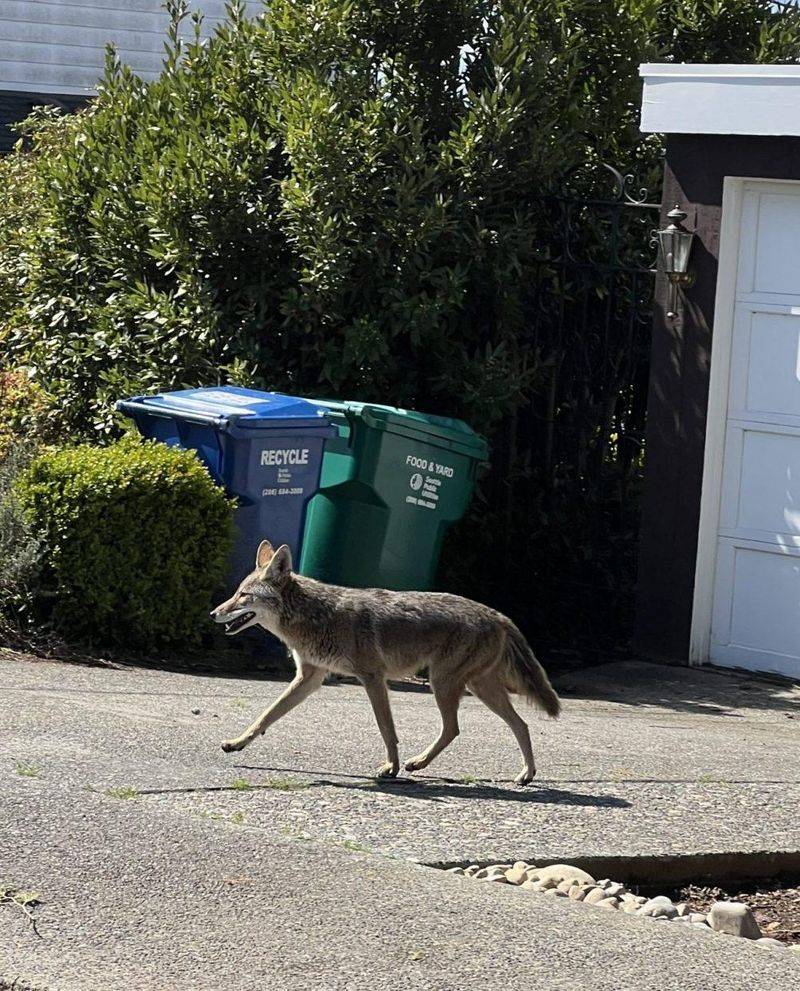
Stay Calm and Watch From a Safe Distance
© hunt_country_wildlife_

Picture a neighbor in Fauquier County who spotted a coyote sniffing around her garden at sunrise. Her first instinct was to scream, but she paused, set down her mug, and simply watched.

Within two minutes, the animal slipped back into the tree line.

Most coyotes that show up in yards are just passing through. They are curious, clever, and usually far more nervous about you than you are about them.

Taking a breath and observing gives you useful information, like which direction it came from and whether it seems healthy.

Keep at least 30 to 50 feet between you and the animal. Note its behavior: a coyote that trots along with its head low is likely traveling, while one that lingers might be looking for food.

That detail matters for your next steps.

2. Haze It Away With Noise and Size
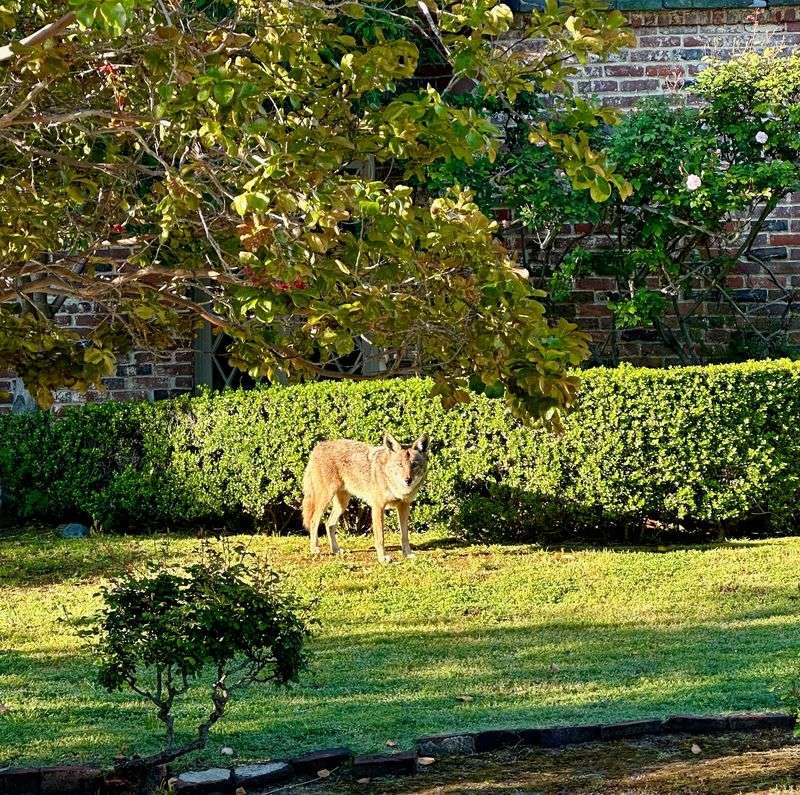
Haze It Away With Noise and Size
© Larchmont Buzz

Wildlife biologists have a name for scaring coyotes off: hazing. And yes, it works best when you look a little ridiculous.

Wave your arms over your head, stomp your feet, and shout in a deep, firm voice.

Banging pots together, shaking a can filled with coins, or blasting an air horn all send the same message. Humans are loud, unpredictable, and not worth the trouble.

Keep it up until the coyote fully leaves, not just until it backs off a few steps.

Fun fact: coyotes can run up to 40 miles per hour, so once they decide to go, they really go. Consistent hazing by several neighbors teaches local coyotes to keep their distance from the whole street.

3. Bring Pets and Kids Inside Right Away
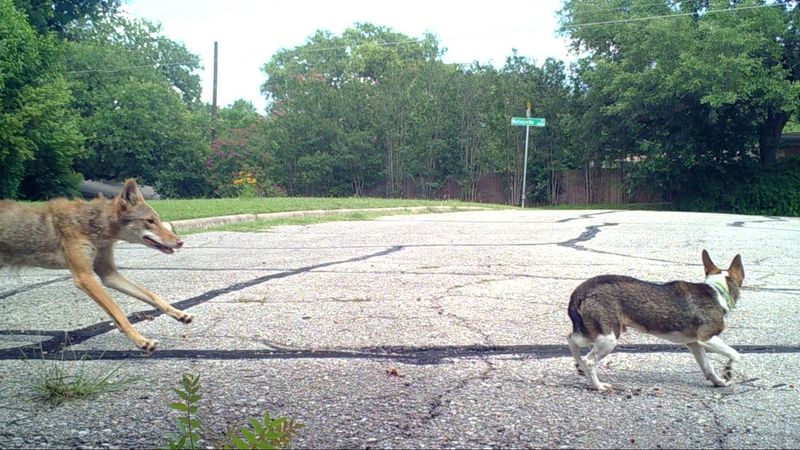
Bring Pets and Kids Inside Right Away
© KVUE

Small dogs and outdoor cats look a lot like dinner to a hungry coyote. That is the hard truth many Virginia pet owners learn too late.

If you see a coyote nearby, scoop up little pets and get them indoors.

Coyotes are active at all hours, especially in spring when they are feeding pups.

Children should come inside too, mainly as a precaution. Attacks on people are extremely rare, but there is no reason to take chances while a wild animal is close.

Going forward, stay with your pets during evening and early morning potty breaks, since those are peak coyote hours. A short leash and a porch light can make a big difference.

4. Remove Food Sources Around Your Property
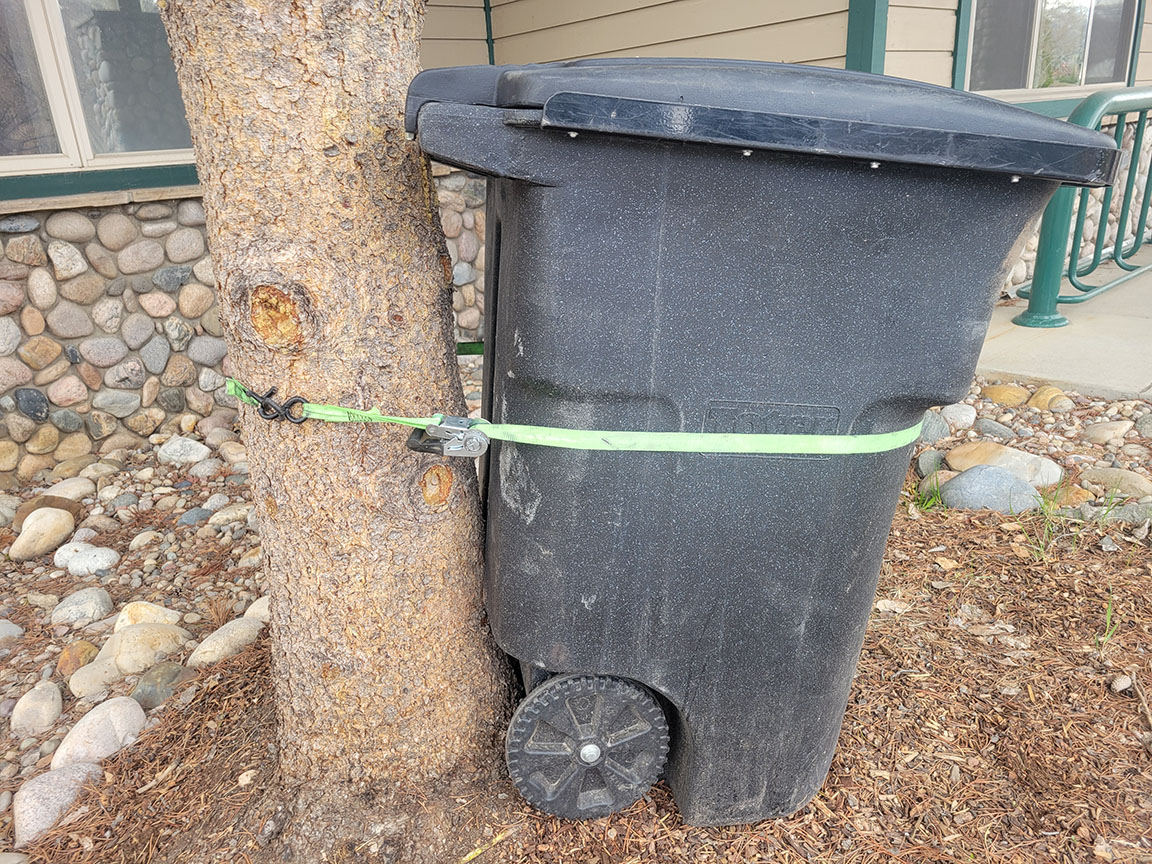
Remove Food Sources Around Your Property
© Bear Wise

Think of your yard as a restaurant menu. If coyotes keep visiting, something there is probably on special.

Pet food bowls left outdoors, overflowing trash cans, and fallen fruit are all open invitations.

Bird feeders are a sneaky one. Spilled seed attracts squirrels and mice, and those rodents attract coyotes.

Clean up beneath feeders or bring them in at night.

Use trash cans with tight-fitting lids and keep compost in a closed bin. Pick up ripe apples, pears, or persimmons that drop in the fall.

Once the snacks disappear, coyotes usually move on to easier pickings.

5. Report Unusual Behavior to Virginia Wildlife Officials
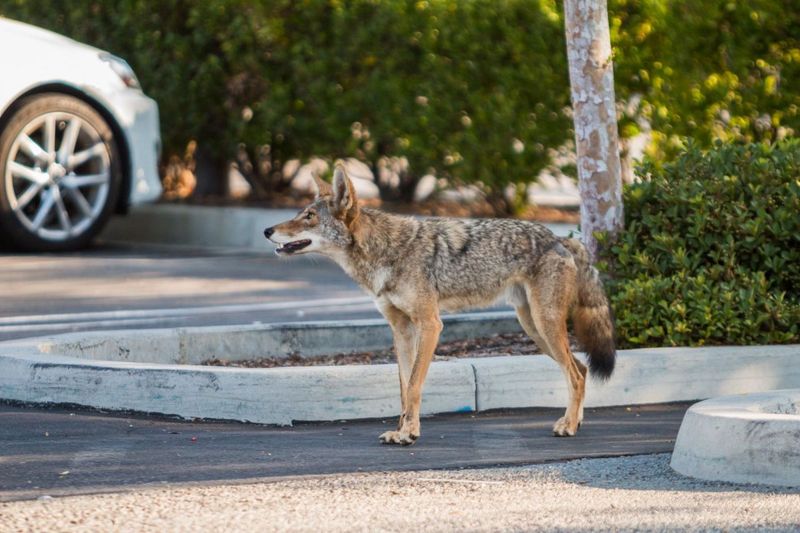
Report Unusual Behavior to Virginia Wildlife Officials
© VPM

A coyote strolling by in daylight is not automatically a problem. Coyotes are active at all hours, especially in spring when they are feeding pups.

Still, some behavior deserves a phone call.

Contact the Virginia Department of Wildlife Resources if a coyote approaches people, acts aggressively, stumbles, or seems sick. The DWR also runs a wildlife conflict helpline that can give advice specific to your area.

Local animal control is another good option for urgent situations. Reporting helps experts track coyote activity and step in before a minor issue turns into a real danger.

6. Mistake: Feeding or Trying to Befriend It
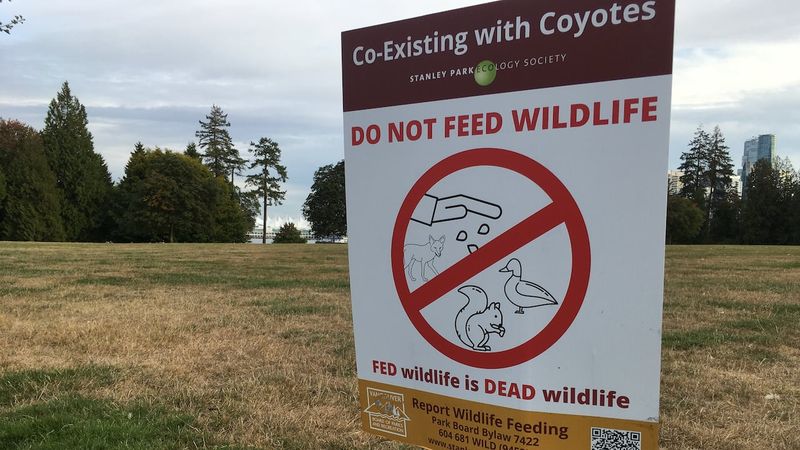
Mistake: Feeding or Trying to Befriend It
© CBC

Here is how a friendly gesture goes wrong. Someone tosses a coyote a hot dog, it comes back the next day, and within weeks it is boldly following joggers down the sidewalk.

Fed coyotes lose their natural fear of people. That is when trouble starts, including bites and attacks on pets.

Sadly, those habituated animals often end up being removed or euthanized.

So no treats, no photos from two feet away, and no leaving food out on purpose. A wild coyote that stays wild is the safest outcome for everyone involved.

7. Mistake: Running Away or Turning Your Back
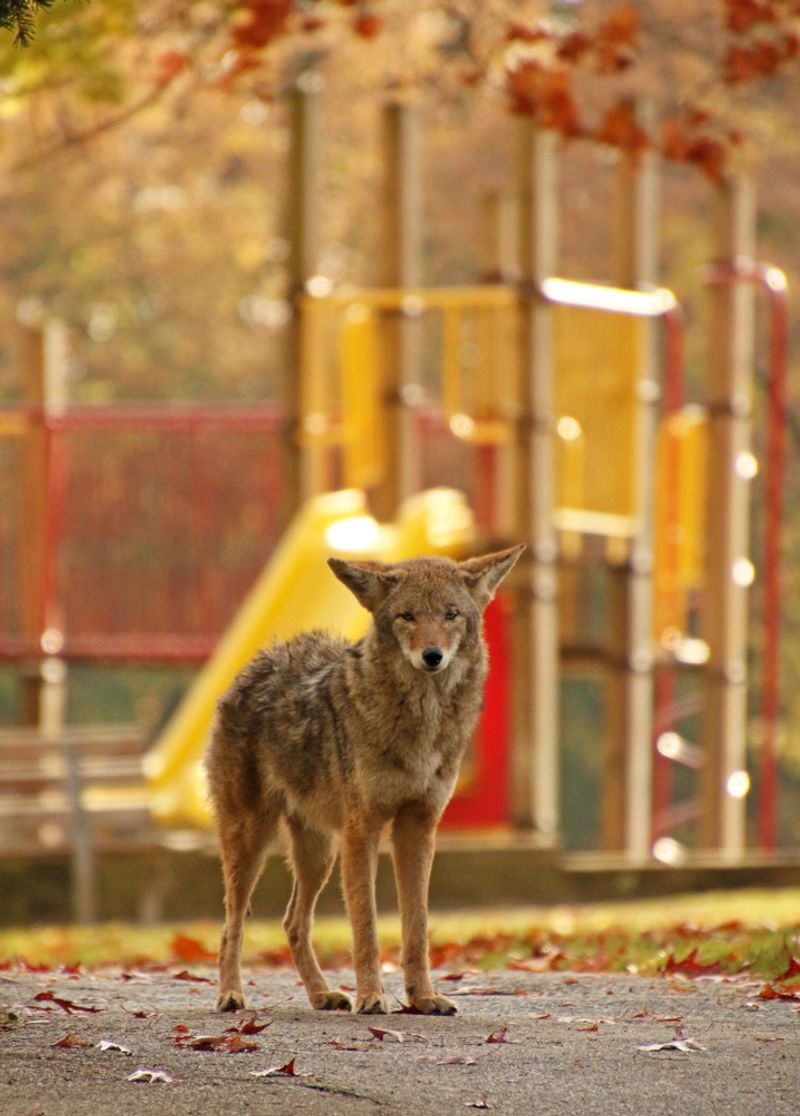
Mistake: Running Away or Turning Your Back
© Varment Guard Wildlife Services

Ever noticed how a dog loves to chase anything that runs? Coyotes are wired the same way.

Sprinting off can trigger a chase response, even in an animal that was not interested in you a second ago.

Turning your back sends a similar signal of weakness. Instead, face the coyote, stand tall, and back away slowly if you need to leave.

Keep making noise as you go.

If you are walking a dog, shorten the leash and keep the dog close. Calm confidence beats panic every single time.

8. Mistake: Trying to Trap or Shoot It Without Knowing the Rules
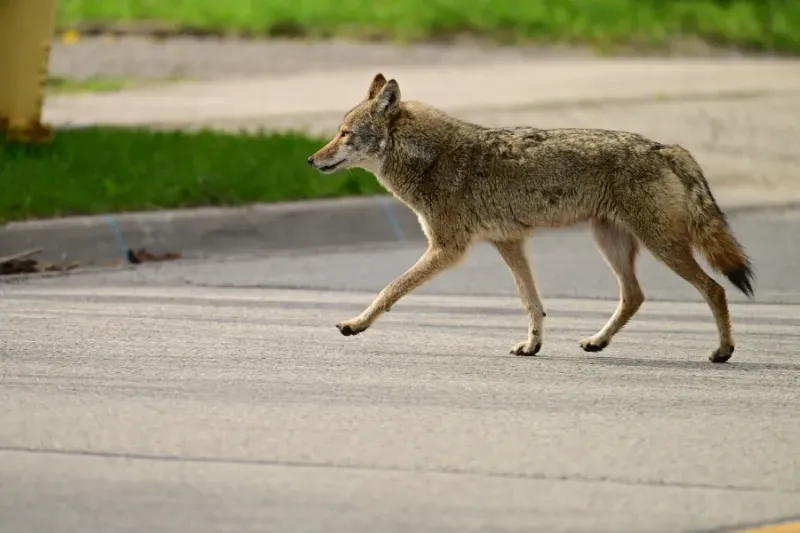
Mistake: Trying to Trap or Shoot It Without Knowing the Rules
© Xceptional Wildlife

Grabbing a rifle or setting a homemade trap might feel like a quick fix. In reality, it can create legal headaches and safety risks, especially in neighborhoods where firearm discharge is banned by local ordinance.

Virginia classifies coyotes as a nuisance species, and rules on trapping and hunting depend on your county, town, and situation. A licensed wildlife control operator knows those rules and can handle removal safely if it is truly needed.

Removal also rarely solves the problem for long. When one coyote disappears, others often move into the open territory, sometimes having larger litters.

Prevention and hazing usually work better over time.

Share this story
CW

Written by

Caroline Whitfield

More from Caroline Whitfield →

About Gardening Latest

Gardening Latest provides in-depth guides to maintaining and enhancing your garden and backyard. Learn how to make the most of the space you have and create a beautiful garden.

More about us →

Latest stories

  • Iowa GardeningWhat Can Eating Celery Every Day Really Do for Your Body?

    What Can Eating Celery Every Day Really Do for Your Body?

    5 min ago
  • New Jersey GardeningDon’t Scrape Off Those Papery Tan Clumps On Your New Jersey Shrubs, They’re Full Of Baby Garden Helpers

    Don’t Scrape Off Those Papery Tan Clumps On Your New Jersey Shrubs, They’re Full Of Baby Garden Helpers

    18 min ago
  • North Carolina Gardening8 Trees and Shrubs North Carolina Gardeners Can Prune Now and 4 You Should Leave Alone

    8 Trees and Shrubs North Carolina Gardeners Can Prune Now and 4 You Should Leave Alone

    24 min ago
  • Michigan GardeningThe Michigan Trees That Bring Owls to Your Yard and Keep Mice Out of Your Garage

    The Michigan Trees That Bring Owls to Your Yard and Keep Mice Out of Your Garage

    29 min ago
  • Massachusetts GardeningSnakes Aren’t the Only Venomous Animals in Massachusetts Yards, and This Mouse-Sized Shrew Proves It

    Snakes Aren’t the Only Venomous Animals in Massachusetts Yards, and This Mouse-Sized Shrew Proves It

    34 min ago

Gardening by state

Stories for your state, and the hardiness zone most of it gardens in.

Keep exploring

Read next

All Virginia Gardening →
Virginia GardeningFound A Possum In Your Virginia Yard? Here’s Why You’ll Want It To Stay
Virginia Gardening

Found A Possum In Your Virginia Yard? Here’s Why You’ll Want It To Stay

15 hr ago
Virginia GardeningWhy Virginia Homes Fill Up With Stink Bugs Every Fall And How To Seal Them Out
Virginia Gardening

Why Virginia Homes Fill Up With Stink Bugs Every Fall And How To Seal Them Out

17 hr ago
Virginia GardeningThe Trees In Your Virginia Yard That Need A Permit Before The Chainsaw Comes Out
Virginia Gardening

The Trees In Your Virginia Yard That Need A Permit Before The Chainsaw Comes Out

21 hr ago

More from Virginia Gardening

  • Don’t Scrape Off Those Papery Tan Clumps On Your New Jersey Shrubs, They’re Full Of Baby Garden Helpers

    18 min ago
  • 8 Trees and Shrubs North Carolina Gardeners Can Prune Now and 4 You Should Leave Alone

    24 min ago
Back to top

Leave a response Cancel

Your email address stays private. Required fields are marked with an asterisk.

Gardening Latest

In-depth guides to maintaining and enhancing your garden and backyard: how to make the most of the space you have, and how to make it beautiful.

  • Facebook
  • X
  • Pinterest
  • YouTube

We may earn a portion of sales from products or services that are purchased through our site as part of our affiliate partnerships with retailers.

Explore

  • About GardeningLatest.com
  • Contact Us
  • Terms and Conditions
  • Privacy
  • Editorial Note:
  • FTC Disclosure

Newsletter

New garden guides and seasonal tips, straight to your inbox.

We’ll email you a link to confirm. Unsubscribe any time.

Almost there! Check your inbox and tap the link to confirm.

© 2026 Gardening Latest. All rights reserved.

Back to top