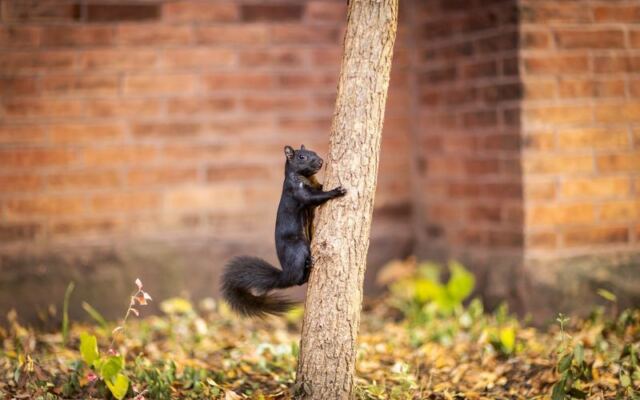
Black squirrels really do seem to rule some Michigan neighborhoods while hardly showing up in others. Most of them are regular eastern gray squirrels that inherited a dark coat, and that trait is more common in some local groups than in others.
Researchers have a few good ideas about why, but nobody has a final answer for any single town. Here is what we know, what we do not, and why the story of one Battle Creek squirrel release is easy to get wrong.
Black squirrels are usually gray squirrels with a different coat
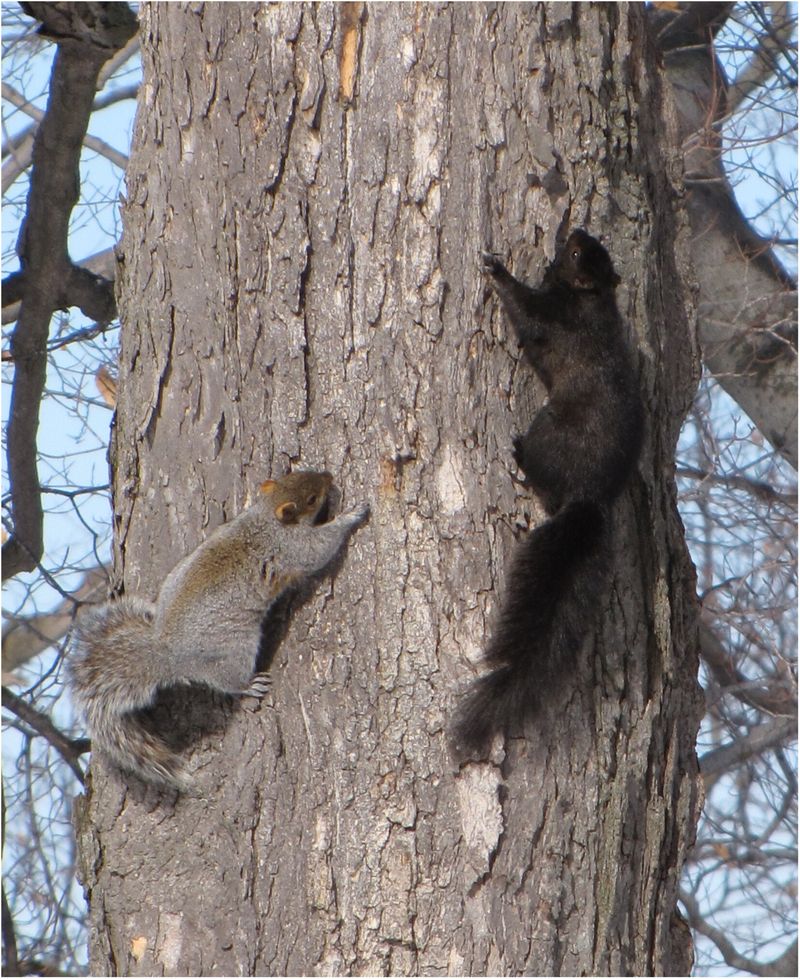
Picture a gray squirrel that got a darker set of fur. That is what a black squirrel usually is.
According to the Michigan DNR landowners guide, black squirrels are a color phase of the gray squirrel, which scientists call melanistic. Melanistic means the animal makes extra dark pigment.
The University of Michigan’s BioKIDS resource says almost all black squirrels are eastern gray squirrels. The word to keep is “usually,” because not every dark squirrel anywhere has to be one.
In Michigan, though, the black squirrel in your yard is most likely a gray squirrel in a dark coat, not a separate species that moved in.
That matters for Michigan’s history. The DNR says eastern gray squirrels were abundant in Michigan when settlers arrived, so they are a native animal here.
Saying black squirrels were brought to Michigan skips over the fact that gray squirrels, and the genes for a dark coat, were already part of the picture.
The dark coat is also inherited. Parents pass the trait to their young, much like eye color or hair color in people.
A 2020 study in Ecology and Evolution describes black fur as heritable and found that the share of black squirrels differed a lot from place to place. Because the trait is inherited, a local squirrel group can end up with more or fewer dark coats than the group down the road.
What Michigan sightings can—and can’t—tell us
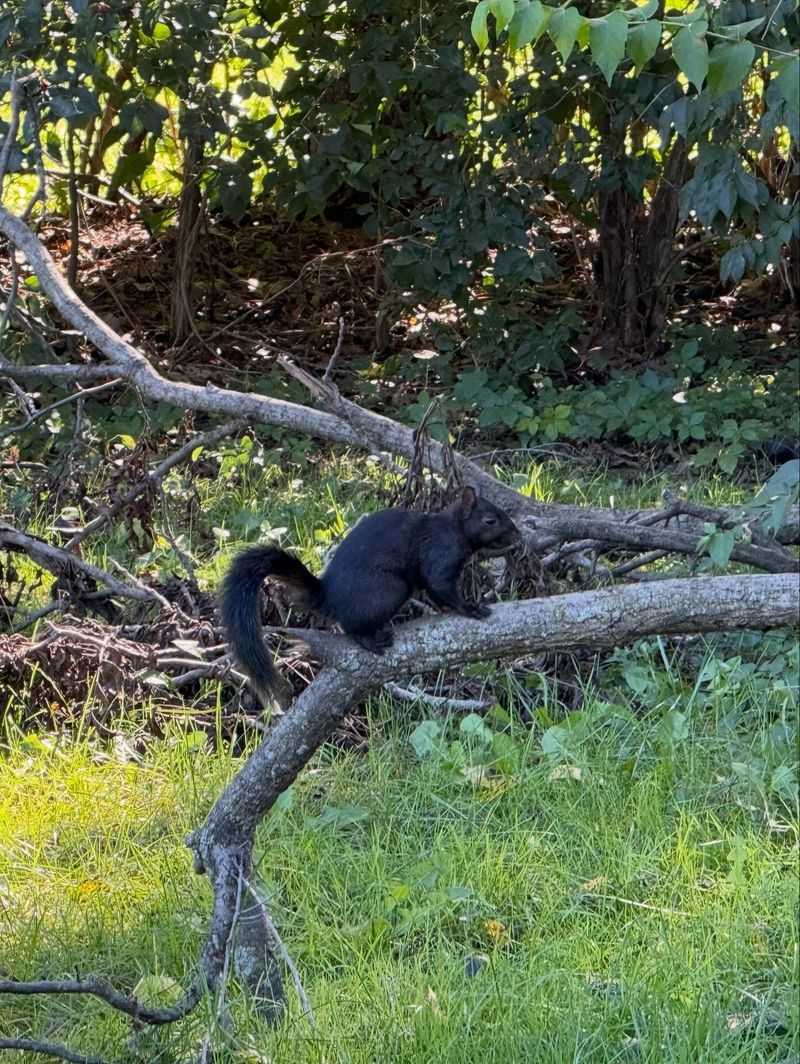
Black squirrels have been reported all over Michigan. The 2020 Great Lakes study, published as Dispatches from the neighborhood watch, found black squirrels in every state and province it sampled, and Michigan was one of them.
So the animals are present across the state.
The Michigan numbers come from iNaturalist, where people upload photos of wildlife they spot. Of 160 Michigan records in the study, 89 showed black squirrels.
That is the share of submitted observations, not the share of all squirrels in Michigan.
Why the difference? People tend to snap pictures of animals that stand out, and a black squirrel is easy to notice.
Some areas also have far more photo-takers than others. The paper notes that sample sizes were uneven, and in Ohio the estimates changed depending on the survey method.
So these records are sightings, not a census. They cannot tell you which town has the most black squirrels, and they cannot show that any town has none.
This article does not rank Michigan towns because the data cannot support one.
Ohio gives a sense of how patchy things can be. In Ohio, where researchers surveyed carefully, black-squirrel frequencies varied sharply even between nearby towns.
That is an Ohio finding, but it shows why neighboring Michigan towns could look very different too.
How a coat-color trait can vary between populations
Think of a bag of marbles in two colors. If you grab a small handful from one bag and a small handful from another, the mix can come out different even though both bags started the same.
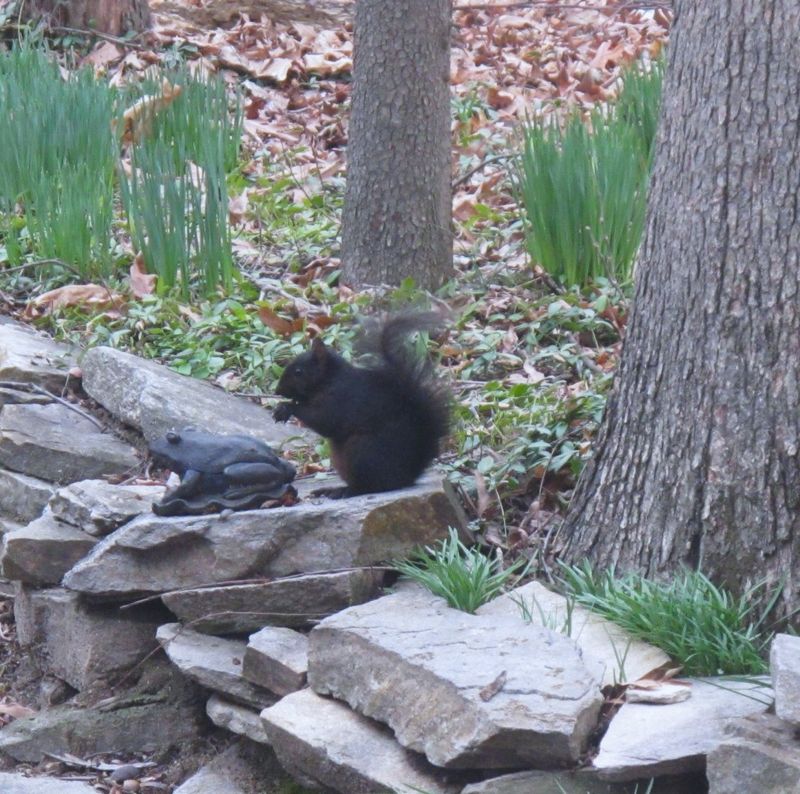
Something like that can happen with squirrels. A coat-color gene can be common in one local group and rare in another.
Scientists call one version of this chance process genetic drift. In small or fairly isolated groups, the share of dark-coated squirrels can rise or fall just by luck, from one generation to the next.
Over time, neighboring groups can drift apart.
The Ohio research in the 2020 Ecology and Evolution study found a patchwork. Black-squirrel frequency differed greatly among places, and towns that looked alike could have very different mixes.
The authors suggested local drift may help explain that mosaic.
They were careful, though. They said more work is needed to tell drift apart from selection, where some coat colors survive or breed better, and from other forces.
So drift is a possible contributor, not a proven answer.
For Michigan, the lesson is about how this works, not about a particular town. Inheritance makes local differences possible, and chance can add to them.
No single process has been shown to explain why one Michigan community has more black squirrels than another.
Squirrel translocations offer clues, not a Michigan origin story

People have moved squirrels around for centuries. A 2026 historical synthesis in the Journal of Mammalogy reports 184 documented translocations of melanistic squirrels, mostly into cities.
It also found that sites where squirrels were introduced tend to have more melanism today.
That is a clue about the larger region. It does not tell us the history of any one Michigan population.
Whether people moved dark squirrels into a particular town is something this broad finding cannot answer.
Battle Creek is a famous local story. The local visitors bureau recounts a 1915 Battle Creek Enquirer account that Dr. John Harvey Kellogg imported 300 gray squirrels to restore them locally.
Dr. John Harvey Kellogg was not his brother, cereal maker W.K. Kellogg.
A local-history publication reproduces a December 1915 diary entry by Ella Eaton Kellogg that also mentions gray squirrels placed on the couple’s estate grounds. Both accounts say gray squirrels.
Neither says the animals were black.
So the Battle Creek story is a limited historical lead. It may describe a local restocking, but it does not show what coat color those squirrels had.
It also cannot explain black squirrels across Michigan, where gray squirrels were already native and abundant.
Cold and city life may influence squirrel patterns
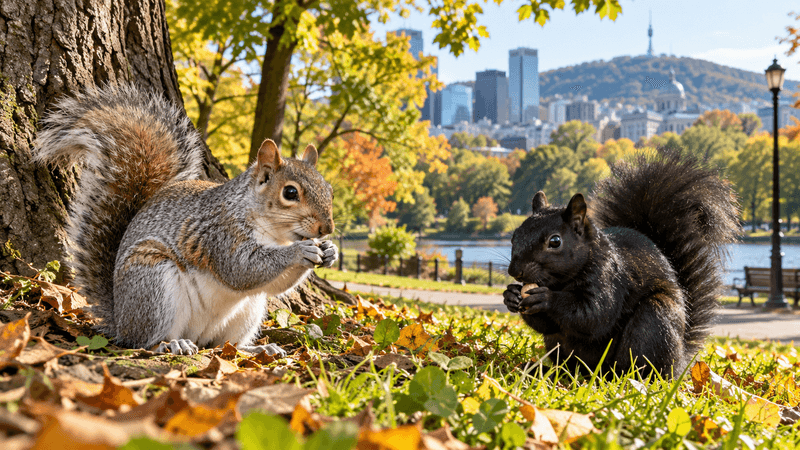
Winter is long in Michigan, so cold is a fair suspect. A 1989 study in Physiological Zoology found that black eastern gray squirrels had greater nonshivering heat-making capacity and lower estimated heat loss in the cold than gray ones.
That shows a physical difference under cold exposure. It does not prove cold decides which towns have more black squirrels.
City life is another idea. In the Ohio survey study, city populations averaged about 15 percentage points more black squirrels than forest populations.
Even so, towns that looked similar could have very different mixes, and the authors suggested local drift could matter.
Survival may play a part too. A separate Ohio study found lower survival for black squirrels in rural woodland, but no survival difference between colors in the city.
Again, those are Ohio results, not tests of Michigan towns.
Put these pieces together and you can see how several forces might interact. A cold-friendly coat could help a bit, a city might remove a disadvantage found in the woods, and chance could push a small local group one way or the other.
Add the history of squirrels being moved around, and each town could have its own recipe.
That is why no single cause should be named for every place. Cold, city conditions, drift, and people moving squirrels are all possible influences.
None has been shown to be the full explanation for any Michigan locality.
What the evidence establishes about local differences
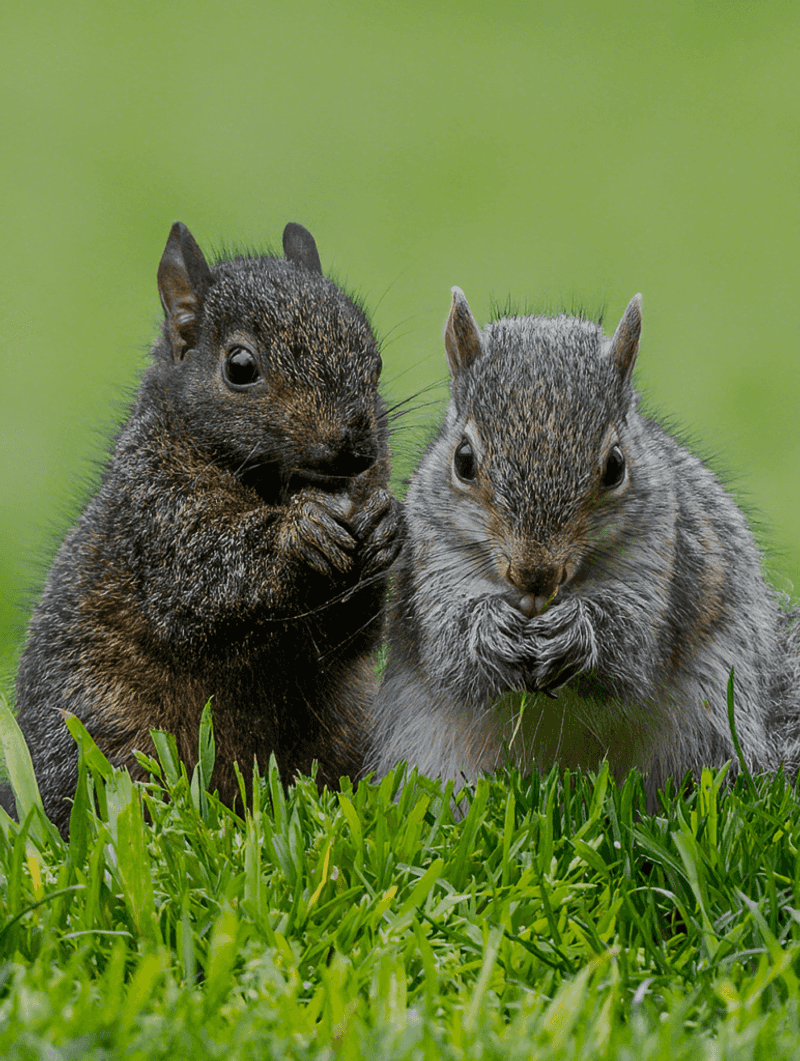
Here is what holds up. A black squirrel in Michigan is usually a dark color form of the eastern gray squirrel, a native animal the Michigan DNR says was abundant when settlers arrived.
The coat is inherited, and its frequency can differ from one local group to the next, as Ohio research shows.
Inheritance, local history, and pressures like cold or city living are all plausible contributors. Current sources do not say why any particular Michigan community has more or fewer black squirrels.
So the patterns you notice are real sightings, but the reason behind them in your town is still an open question.
Share this story