When the cold air rolls across Virginia, spiders start looking for a warm place to hide, and your house looks like a cozy hotel to them. Most of these eight-legged guests are harmless, but nobody wants to find one in a slipper or crawling across the bathroom sink.
The good news is that spiders taste and smell through tiny hairs on their legs, and certain strong scents make them turn around fast. Here are eight smells that can help keep your home spider-free until spring.
1. Peppermint Oil
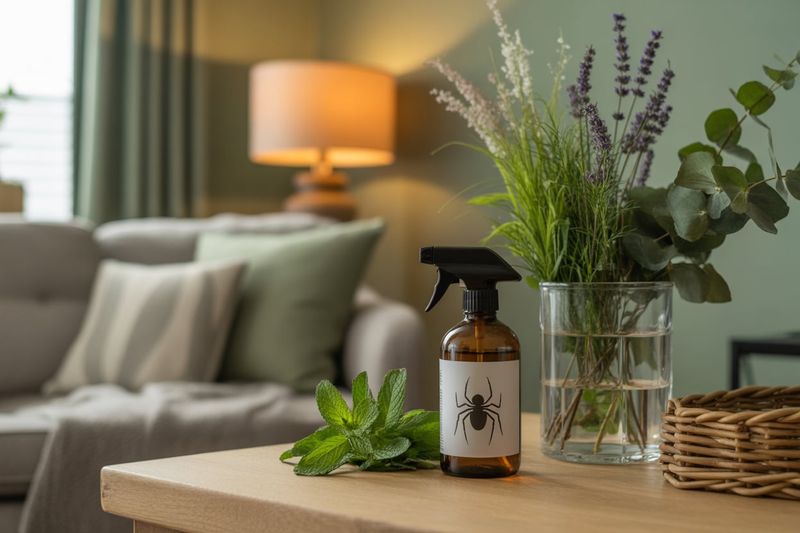
Ask any old-timer in the Shenandoah Valley how to keep spiders away, and there is a good chance peppermint comes up first. The cool, sharp smell that freshens your breath is overwhelming to a spider.
Since spiders pick up scents through their legs, walking across a peppermint-treated windowsill is like stepping on something they cannot stand.
To make a simple spray, mix about 15 to 20 drops of peppermint essential oil with two cups of water and a small squirt of dish soap. The soap helps the oil blend instead of floating on top.
Shake it well before each use.
Spray around window frames, door gaps, baseboards, and the corners of closets. Reapply every week or so, because the scent fades faster than you might expect.
Bonus: your house will smell like a candy cane all winter long.
2. Eucalyptus
Walk into a room filled with eucalyptus and you feel like you can breathe deeper. Spiders feel the exact opposite.
That strong, medicine-like smell is a big turn-off for them.
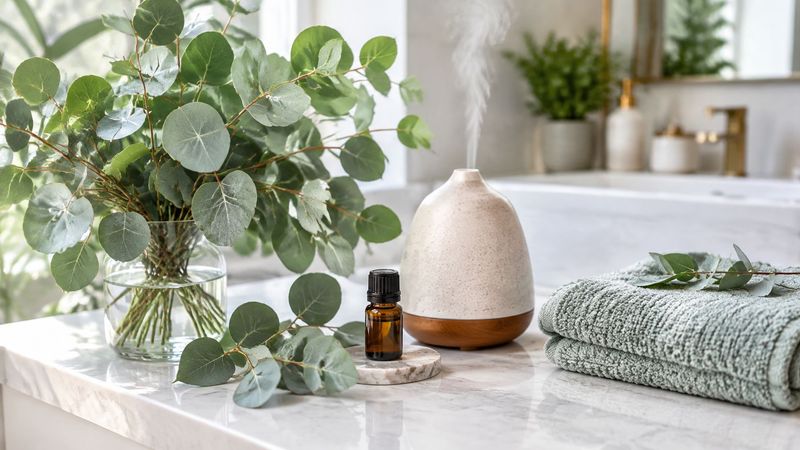
Eucalyptus works two ways. You can hang dried bundles near doors, in mudrooms, or inside closets, where they look pretty and do quiet work.
Or you can add a few drops of the oil to water for a spray, just like peppermint.
Fun fact: koalas eat eucalyptus leaves almost all day, but most bugs avoid the plant. Keep the oil away from cats and dogs, though, since it can upset their stomachs.
Dried bundles placed up high are a safer pick for pet owners.
3. Citrus Peels
Here is a trick that costs basically nothing. After you eat an orange or squeeze a lemon for tea, save the peel instead of tossing it.
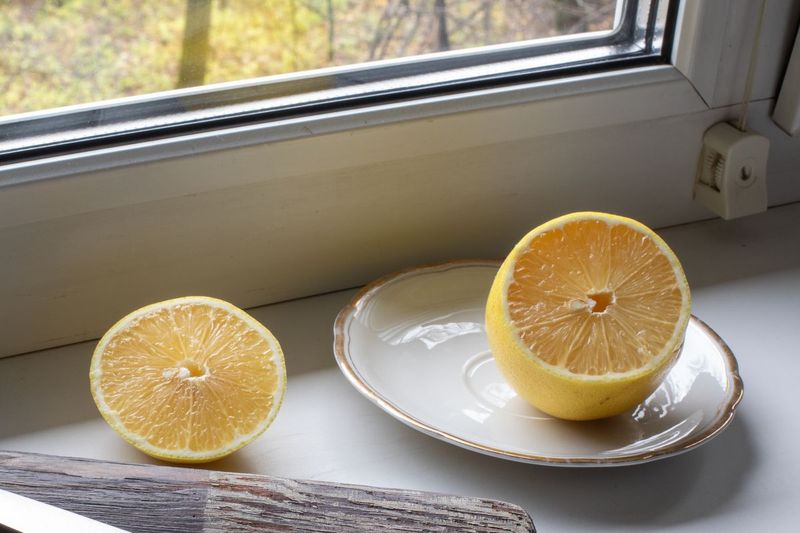
Citrus peels contain a natural compound called limonene, and spiders do not like it one bit. Rub the peels along windowsills, bookshelves, and door frames to leave a fresh scent behind.
You can also tuck dried peels into corners or drawers where spiders like to hang out.
Want something stronger? Soak lemon or orange peels in white vinegar for a week, strain, and spray it around.
Your kitchen will smell sunny even on the grayest January day in Richmond.
4. White Vinegar
Vinegar is not the nicest smell in the world, and spiders agree. The acetic acid in it is sour and harsh, which makes spiders want to leave the area quickly.
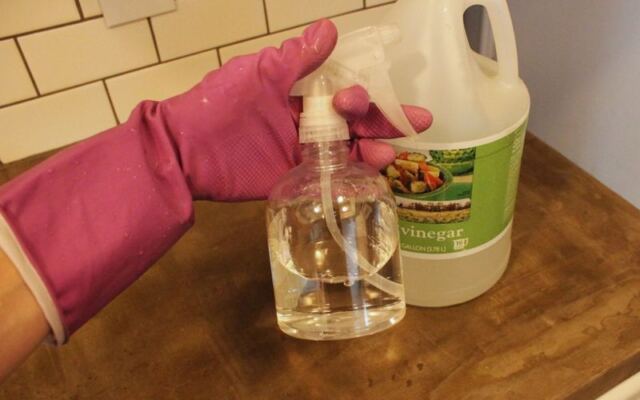
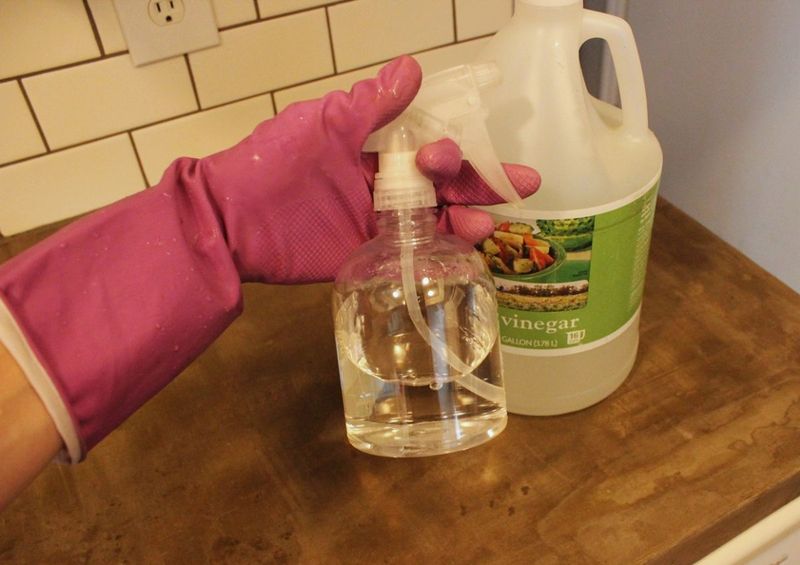
Mix equal parts white vinegar and water in a spray bottle. Mist it into basement corners, crawl space entrances, garage doors, and under sinks.
These damp, dark places are where Virginia spiders love to settle once the weather turns.
Do not worry about your house smelling like a pickle jar forever. The vinegar smell fades within an hour or so for people, but the leftover traces still bother spiders.
Just test it on a hidden spot first, since vinegar can dull natural stone and some wood finishes.
5. Cedar

Grandma’s cedar chest was not just about protecting sweaters from moths. That warm, woodsy smell keeps lots of creepy crawlers away, spiders included.
Eastern red cedar actually grows wild all over Virginia, so this scent is a true local hero. Place cedar blocks or balls in closets, drawers, and storage bins.
Cedar mulch around the outside of your foundation also creates a smelly barrier spiders do not like crossing.
Every few months, lightly sand the blocks to wake up the scent again. It is an easy, low-mess option that also makes your coats and blankets smell amazing.
6. Lavender
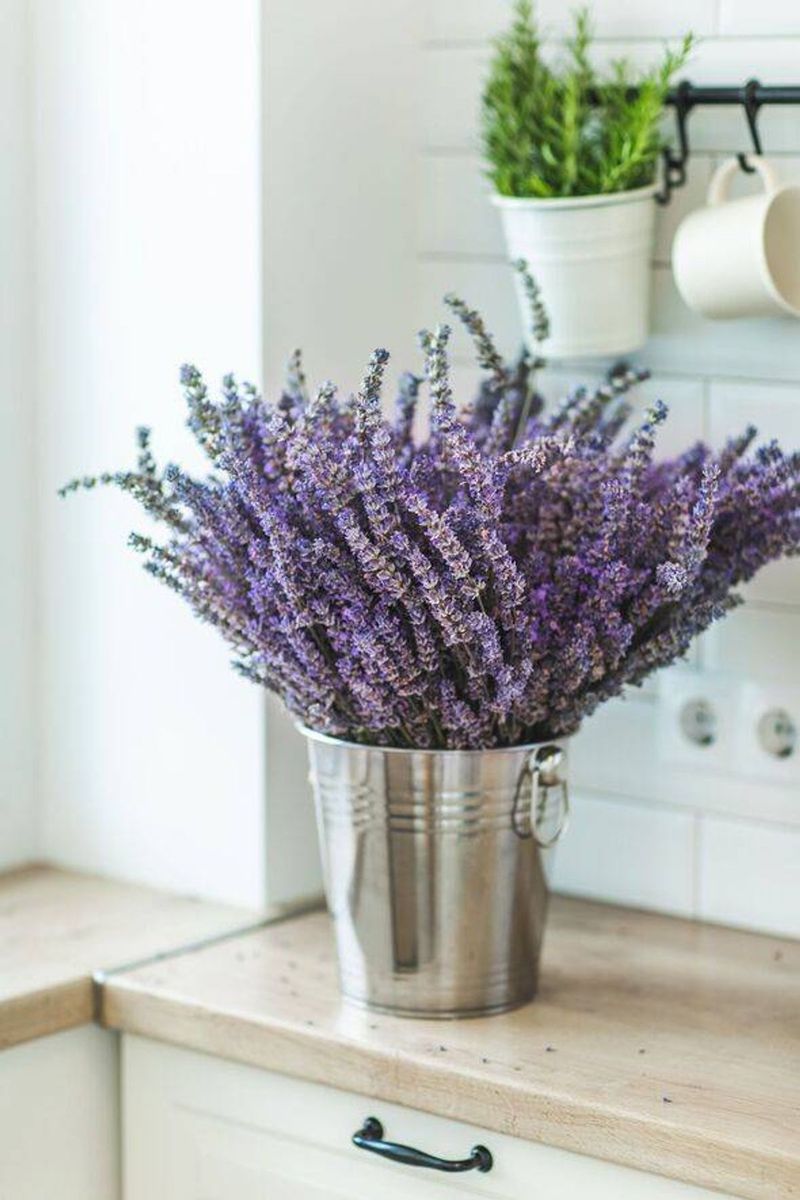
Lavender might be the most relaxing way to fight spiders. People use it to fall asleep, yet spiders find it unpleasant enough to keep their distance.
Bedrooms are a great place to use lavender, since nobody wants a spider surprise near their pillow. Tuck sachets under the bed, inside dresser drawers, or near window sills.
A lavender oil spray made with water can also freshen curtains and corners.
Many Virginia gardeners grow lavender in summer, then dry the stems for winter. If you have a patch in the backyard, you already have a free spider repellent waiting to be bundled up.
7. Tea Tree Oil
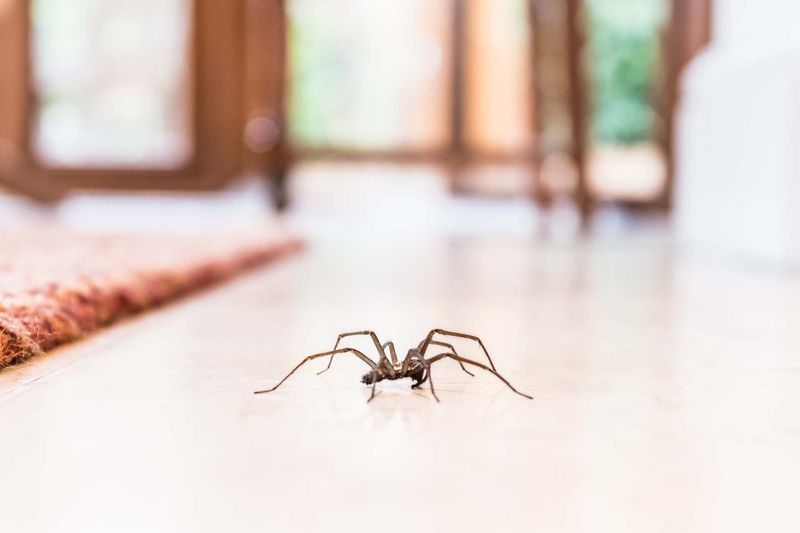
Bathrooms are spider magnets. They are warm, a little damp, and full of tiny cracks around pipes.
Tea tree oil is a smart match for these spaces.
The oil has a strong, earthy, almost medicine-cabinet smell. Drop a few beads onto cotton balls and tuck them behind the toilet, under the sink, and near the tub.
Swap them out every week or two.
Tea tree oil also helps fight mold and mildew, so you get double duty in the wettest room of the house. Like eucalyptus, it is not safe for pets to lick or eat, so keep cotton balls out of curious paws’ reach.
8. Cinnamon
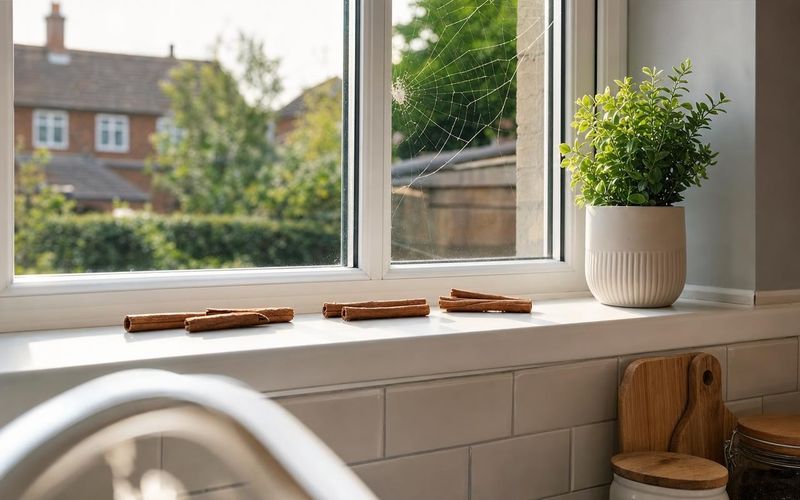
Nothing says winter in Virginia quite like the smell of cinnamon from a holiday kitchen. Spiders, however, are not invited to the party.
Cinnamon has a strong, spicy scent that spiders avoid. Lay cinnamon sticks along windowsills or tuck them near door thresholds.
You can also sprinkle a thin line of ground cinnamon where you have spotted spiders sneaking in, though it may need a quick sweep later.
For a festive touch, mix cinnamon with cloves and orange peels in a little bowl by the entryway. Pair any of these scents with sealing cracks and clearing clutter, and your home will stay cozy, fragrant, and spider-free until the spring thaw.
Share this story