Get the latest garden guides in your inbox →
Gardening Latest
  • General Gardening
  • Lawn Care
  • Plant Care
  • Composting
  • Soil Health
  • Backyard
  • Garden Muse Magazine
  • General Gardening
  • Lawn Care
  • Plant Care
  • Composting
  • Soil Health
  • Backyard
  • Garden Muse Magazine
  • News
  • Gardening Calendar
  • Garden Structures
  • Vegetable Garden
  • Vertical Garden
  • Raised Beds
  • Hydroponics
  • General Equipment
  • Community Gardens
Garden Themes
  • Spiritual Garden
  • Hydroseeding
  • Seeding and Laying Sod
  • Artificial Grass
  • Lawn Care Equipment
  • Plants
  • Trees
  • Planting Tools
  • Composting Basics
  • Fertilizer
  • Alternative Growing Mediums
  • Front Yard
  • Backyard Activities
  • Landscaping
Gardening Latest

Explore by state

Which state is your garden in?

Currently viewing Iowa

All states

Northeast

  • Connecticut —
  • Delaware 8
  • Maine —
  • Maryland 3
  • Massachusetts 10
  • New Hampshire —
  • New Jersey 3
  • New York 4
  • Pennsylvania 4
  • Rhode Island —
  • Vermont —

Southeast

  • Alabama 3
  • Arkansas —
  • Florida 3
  • Georgia 3
  • Kentucky 9
  • Louisiana 2
  • Mississippi —
  • North Carolina 1
  • South Carolina 8
  • Tennessee —
  • Virginia 2
  • West Virginia —

Midwest

  • Illinois 2
  • Indiana 4
  • Iowa 8
  • Kansas —
  • Michigan 3
  • Minnesota 2
  • Missouri 2
  • Nebraska —
  • North Dakota —
  • Ohio 3
  • South Dakota —
  • Wisconsin 9

Southwest

  • Arizona 3
  • Colorado —
  • Nevada —
  • New Mexico —
  • Oklahoma —
  • Texas 2
  • Utah —

West

  • Alaska —
  • California 3
  • Hawaii —
  • Idaho —
  • Montana —
  • Oregon —
  • Washington —
  • Wyoming —

No state matches that search.

Site menu

Gardening Latest
  • General Gardening
    • News
    • Gardening Calendar
    • Garden Structures
    • Vegetable Garden
    • Vertical Garden
    • Raised Beds
    • Hydroponics
    • General Equipment
    • Community Gardens
    Garden Themes
    • Spiritual Garden
  • Lawn Care
    • Hydroseeding
    • Seeding and Laying Sod
    • Artificial Grass
    • Lawn Care Equipment
  • Plant Care
    • Plants
    • Trees
    • Planting Tools
  • Composting
    • Composting Basics
  • Soil Health
    • Fertilizer
    • Alternative Growing Mediums
  • Backyard
    • Front Yard
    • Backyard Activities
    • Landscaping
  • Garden Muse Magazine

Explore

  • About GardeningLatest.com
  • Contact Us

Get the latest from the garden

New guides on lawn care, plants and backyard projects, sent when they go up.

Subscribe →

Follow

  • Facebook
  • X
  • Pinterest
  • YouTube
Iowa Gardening

Venomous Critters Live Closer Than You Think In Iowa Yards, And Fall Is When They Show Up

When the air turns crisp in Iowa, a few uninvited guests start creeping out of the grass, woodpiles, and window wells.

LP

By Lyle Petersen

November 18, 2026 · 5 min read

Venomous Critters Live Closer Than You Think In Iowa Yards, And Fall Is When They Show Up

When the air turns crisp in Iowa, a few uninvited guests start creeping out of the grass, woodpiles, and window wells. Some of them carry venom, and many folks have no idea these critters share their backyard.

Fall is prime time because animals are hunting for warm shelter, mates, or one last meal before winter. Knowing who is out there can help you, your kids, and your pets stay safe without panicking.

At a glance

Where
Iowa Gardening
Hardiness zone
5 −20 to −10°F
Read
5 minutes
Published
November 18, 2026

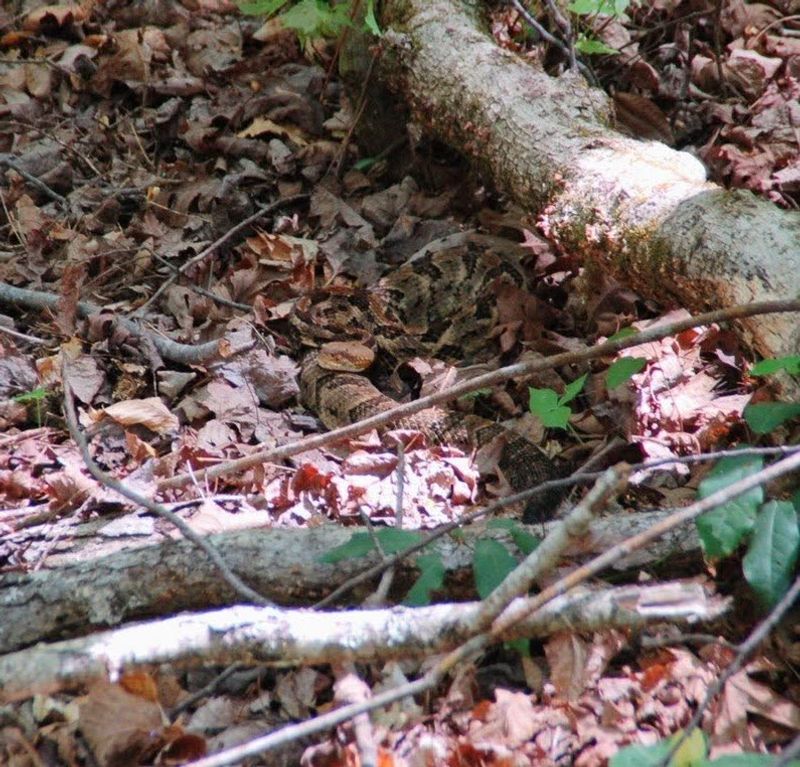
1. Timber Rattlesnake

Timber Rattlesnake
© scstateparks

Picture a rocky bluff along the Mississippi in October, warm sun on the stones, and a thick banded snake soaking up heat. That is classic timber rattlesnake behavior.

These snakes live mainly in the wooded hills of eastern and southern Iowa.

Fall matters because timbers travel back toward their winter dens, often crossing trails, rural yards, and quiet roads on the way. They can grow over four feet long, which surprises plenty of people who expect something smaller.

The good news is that timber rattlesnakes are famously calm. Most will freeze or rattle long before they ever strike.

Give one plenty of room, keep pets leashed on wooded hikes, and call a local wildlife expert if one settles near your house.

2. Prairie Rattlesnake
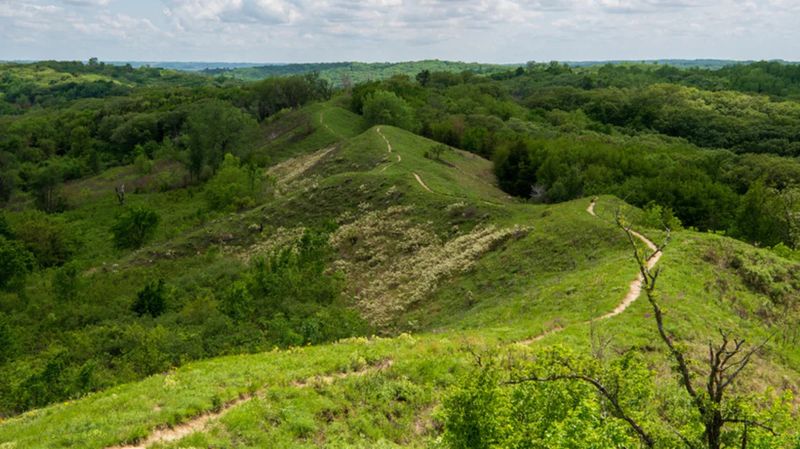
Prairie Rattlesnake
© Yahoo Travel

Few Iowans ever spot one, and that rarity is exactly what makes the prairie rattlesnake so interesting. Its tiny Iowa range sits in the Loess Hills of the far west, where dry grassland looks a lot like the Great Plains.

Brown blotches help it vanish into dead prairie grass. In autumn, these snakes gather near dens, sometimes sharing them with other snake species.

Fun fact: the species is considered endangered in Iowa. If you live near the Loess Hills, watch your step on hillside trails and never try to move one yourself.

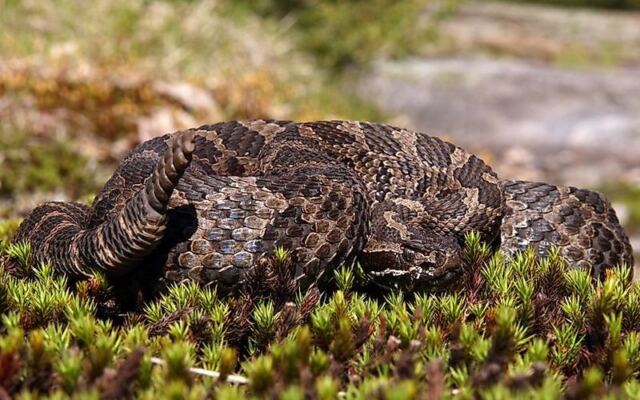
3. Eastern Massasauga
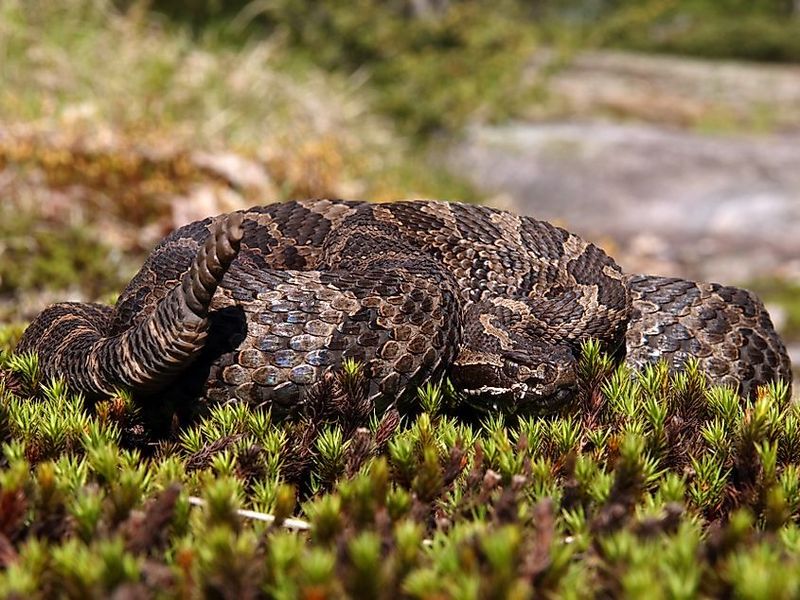
Eastern Massasauga
© Animals

Small, shy, and nearly gone. The eastern massasauga is a short, chunky rattlesnake that prefers soggy wetlands and wet prairies.

Only a handful of spots in eastern Iowa still hold these snakes, and they are federally protected. In fall they head for crayfish burrows and low wet ground to spend the winter.

By September, yellowjacket colonies are at their biggest, and the workers get grumpy and hungry for sugar.

A bite is rare but needs a hospital right away. Honestly, spotting one is a lucky moment worth reporting to the Iowa DNR, from a safe distance of course.

4. Copperhead
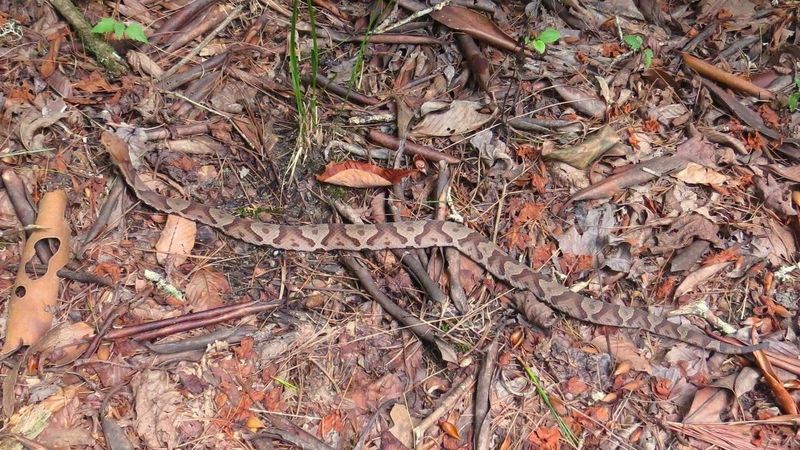
Copperhead
© WLOS

Hourglass bands. A coppery head.

Perfect camouflage on a forest floor full of fallen leaves. That is why fall is the trickiest season to spot a copperhead.

In Iowa, copperheads are very rare and found only in a few southeastern counties. Still, people who live near rocky wooded slopes in that corner of the state should know what they look like.

Copperheads tend to hold still instead of fleeing, so bites often happen when someone steps on one or reaches into leaf piles. Wear gloves and boots when raking near woods, and use a rake rather than your hands.

5. Brown Recluse Spider
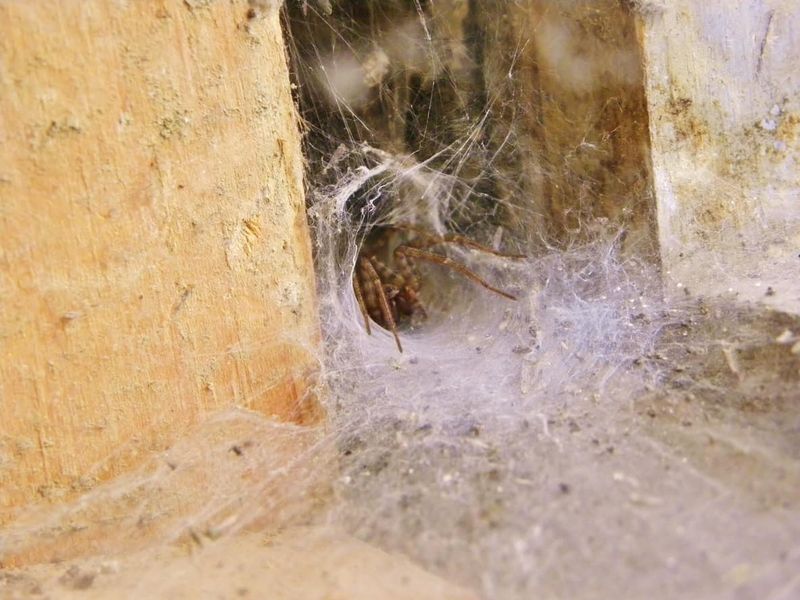
Brown Recluse Spider
© Aspen Pest Control

Ever pulled the Halloween decorations out of the basement and felt a little shiver? Brown recluses love exactly those dusty, undisturbed boxes.

They show up mostly in southern Iowa homes.

Look for a light brown body, a dark violin shape on its back, and six eyes instead of eight. They are not aggressive and usually bite only when trapped against skin, like inside a glove or shoe.

Shake out clothes and bedding stored for the season. Plastic bins with tight lids work much better than cardboard for keeping them out.

6. Black Widow Spider
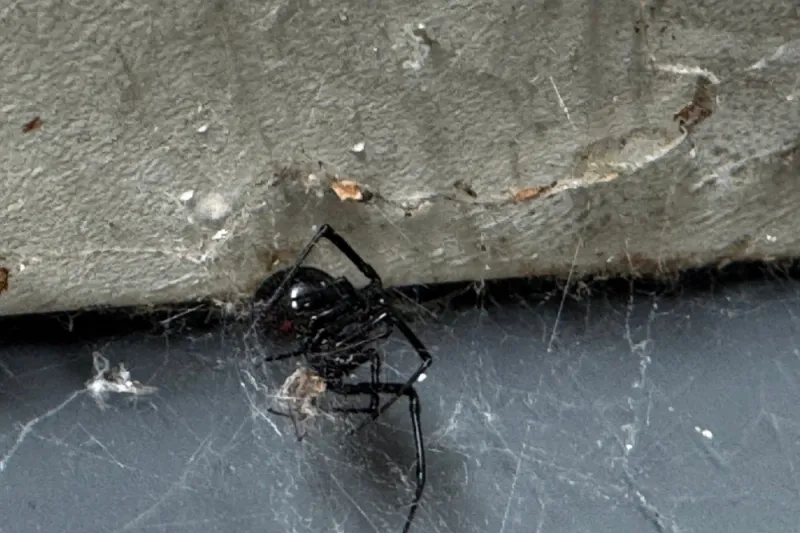
Black Widow Spider
© Insectio

Shiny, black, and sporting a red hourglass, the female black widow looks like a tiny warning sign. She builds tangled, messy webs under decks, in woodpiles, and around outdoor water meters.

As nights cool, widows sometimes move into garages and sheds. Her venom affects nerves, causing painful cramps, though deaths are extremely rare today.

Here is a twist: the males are small, harmless, and rarely noticed. Wear gloves when grabbing firewood, and you will avoid most surprise run-ins.

7. Yellowjackets
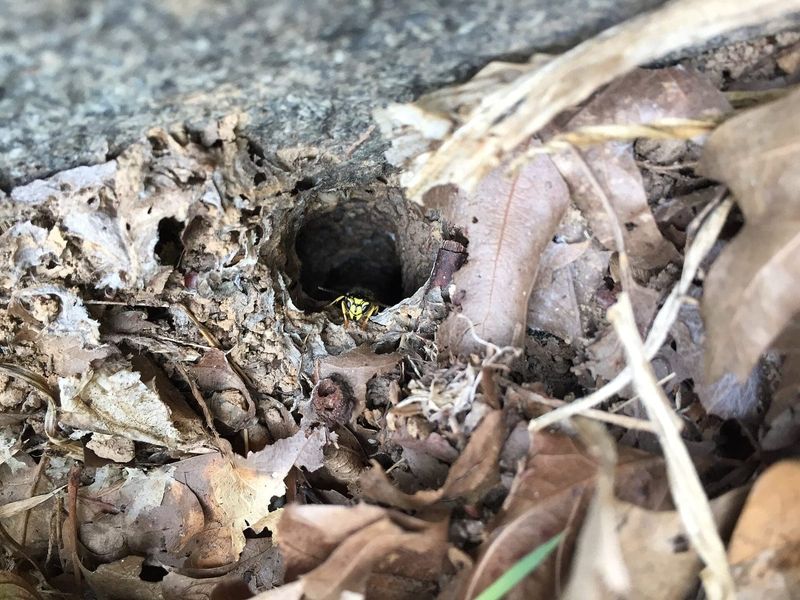
Yellowjackets
© MyWild

Anyone who has sipped a soda at a fall tailgate knows this buzzing pest. By September, yellowjacket colonies are at their biggest, and the workers get grumpy and hungry for sugar.

Many nest underground, so mowing over a hole can trigger a fast, angry swarm. Unlike honeybees, they can sting again and again.

Cover drinks, keep trash cans closed, and mark any ground nest so nobody runs the mower over it. For anyone with a sting allergy, an epinephrine pen is a must.

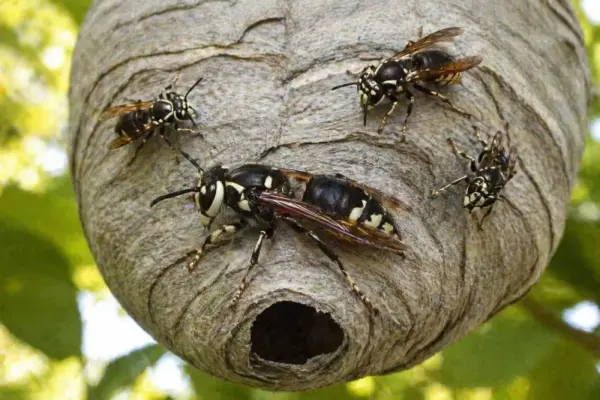
8. Bald-Faced Hornets
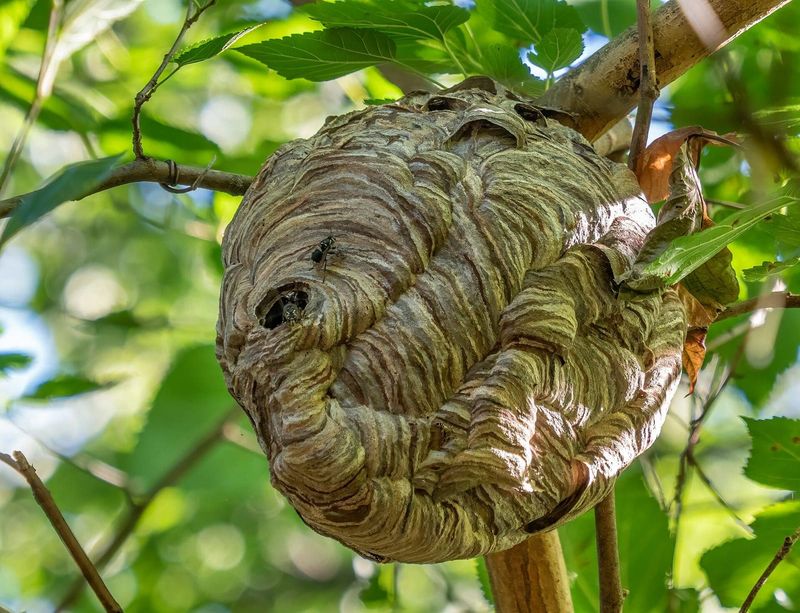
Bald-Faced Hornets

Leaves drop, and suddenly there it is: a gray paper nest the size of a football hanging right over the driveway. Bald-faced hornets built it all summer, and fall is when most people finally see it.

These black-and-white insects defend their home fiercely and can even squirt venom toward a threat’s eyes. Stay at least a few yards away from any active nest.

A hard freeze kills the colony, and the nest is not reused. Waiting until winter to remove it is often the smartest plan.

9. Saddleback and Puss Caterpillars
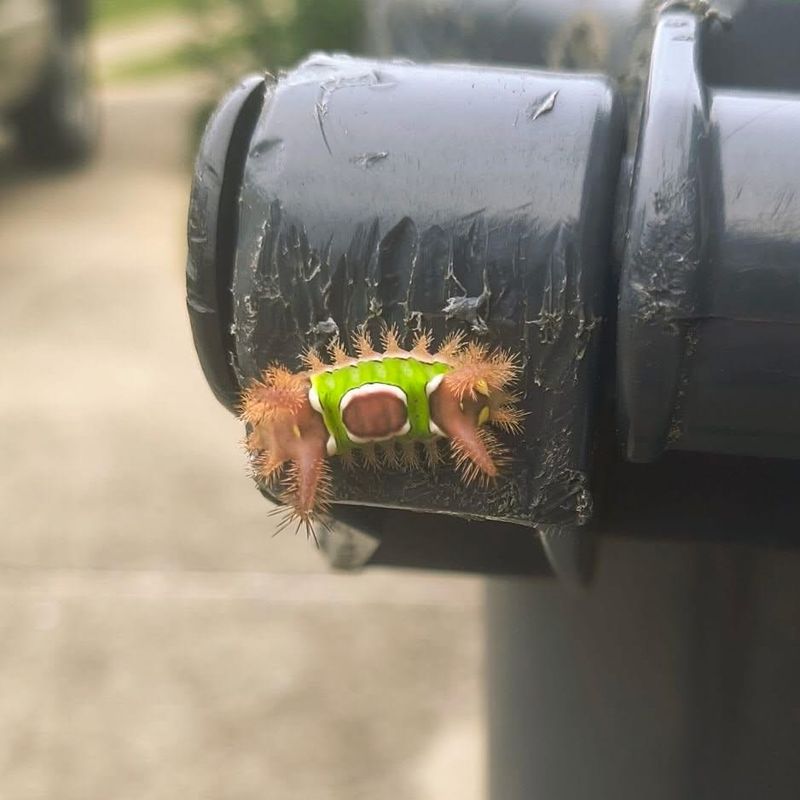
Saddleback and Puss Caterpillars
© spannwx

Cute bugs can bite back, in a way. Iowa has caterpillars with stinging spines, and kids love to pick them up.

The saddleback looks like it wears a tiny green blanket with a brown saddle. The puss caterpillar resembles a fuzzy little toupee, but hidden spines underneath the fluff pack a painful sting.

Late summer into fall is when they are most common on garden plants and shrubs. Teach children a simple rule: look, take a photo, but never touch fuzzy or spiky caterpillars.

10. Northern Short-Tailed Shrew
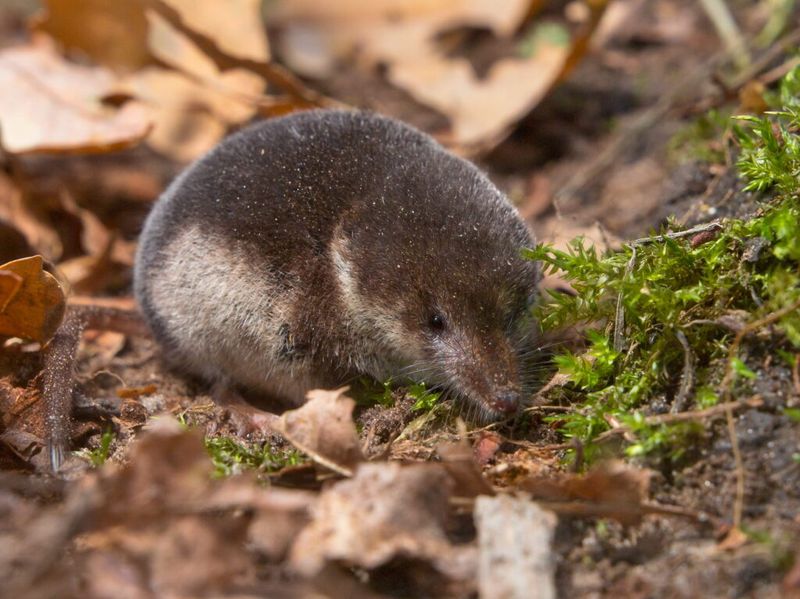
Northern Short-Tailed Shrew
© The Mole Hunter

Surprise entry! Iowa has a venomous mammal, and it might be living under your leaf pile right now.

The northern short-tailed shrew is a tiny gray animal with velvety fur and very small eyes.

Its saliva contains venom that helps it overpower worms, insects, and even mice. For people, a bite just causes some burning and swelling, so there is no reason to fear it.

Shrews get busier in fall as they stock up on food. Cats often bring them to the door, so wear gloves if you need to scoop one up.

Think of it as a backyard pest-control worker with an unusual secret weapon.

Share this story
LP

Written by

Lyle Petersen

More from Lyle Petersen →

About Gardening Latest

Gardening Latest provides in-depth guides to maintaining and enhancing your garden and backyard. Learn how to make the most of the space you have and create a beautiful garden.

More about us →

Latest stories

  • Wisconsin GardeningThese 7 Harmless Wisconsin Critters Look Venomous Enough to Make People Run

    These 7 Harmless Wisconsin Critters Look Venomous Enough to Make People Run

    20 min ago
  • Iowa GardeningWhat Those Coyote Howls Near Your Iowa Home at Night Really Tell You, and What They Don’t

    What Those Coyote Howls Near Your Iowa Home at Night Really Tell You, and What They Don’t

    21 min ago
  • Massachusetts GardeningMassachusetts Has Venomous Spiders That Sneak Indoors as Nights Get Cold, and Here’s How to Spot Them

    Massachusetts Has Venomous Spiders That Sneak Indoors as Nights Get Cold, and Here’s How to Spot Them

    1 hr ago
  • Delaware GardeningDelaware’s Northern Short-Tailed Shrew Has a Venomous Bite, and Fallen Leaves Can Make Good Habitat

    Delaware’s Northern Short-Tailed Shrew Has a Venomous Bite, and Fallen Leaves Can Make Good Habitat

    1 hr ago
  • Kentucky GardeningWhy You Hear Coyotes Howling After Dark in Kentucky

    Why You Hear Coyotes Howling After Dark in Kentucky

    1 hr ago

Gardening by state

Stories for your state, and the hardiness zone most of it gardens in.

Keep exploring

Read next

All Iowa Gardening →
Iowa GardeningWhat Those Coyote Howls Near Your Iowa Home at Night Really Tell You, and What They Don’t
Iowa Gardening

What Those Coyote Howls Near Your Iowa Home at Night Really Tell You, and What They Don’t

21 min ago
Iowa GardeningWhat Eating Celery Every Day Can and Can’t Do for You
Iowa Gardening

What Eating Celery Every Day Can and Can’t Do for You

9 hr ago
Iowa GardeningIowa Yards Hide These Venomous Creatures, And Here’s How To Tell Each One Apart
Iowa Gardening

Iowa Yards Hide These Venomous Creatures, And Here’s How To Tell Each One Apart

Yesterday

More from Iowa Gardening

  • These 7 Harmless Wisconsin Critters Look Venomous Enough to Make People Run

    20 min ago
  • Massachusetts Has Venomous Spiders That Sneak Indoors as Nights Get Cold, and Here’s How to Spot Them

    1 hr ago
Back to top

Leave a response Cancel

Your email address stays private. Required fields are marked with an asterisk.

Gardening Latest

In-depth guides to maintaining and enhancing your garden and backyard: how to make the most of the space you have, and how to make it beautiful.

  • Facebook
  • X
  • Pinterest
  • YouTube

We may earn a portion of sales from products or services that are purchased through our site as part of our affiliate partnerships with retailers.

Explore

  • About GardeningLatest.com
  • Contact Us
  • Terms and Conditions
  • Privacy
  • Editorial Note:
  • FTC Disclosure

Newsletter

New garden guides and seasonal tips, straight to your inbox.

We’ll email you a link to confirm. Unsubscribe any time.

Almost there! Check your inbox and tap the link to confirm.

© 2026 Gardening Latest. All rights reserved.

Back to top