In Massachusetts, the spot where a tree grew does not decide who pays when it falls. If the tree was healthy, its owner generally is not responsible for the harm it causes, and your own homeowners policy is usually the first place to turn after a storm.
A sick or dangerous tree can change the picture, though, and the facts matter a lot. Here is how the rules, the evidence, and your insurance fit together.
The tree’s location does not settle who pays
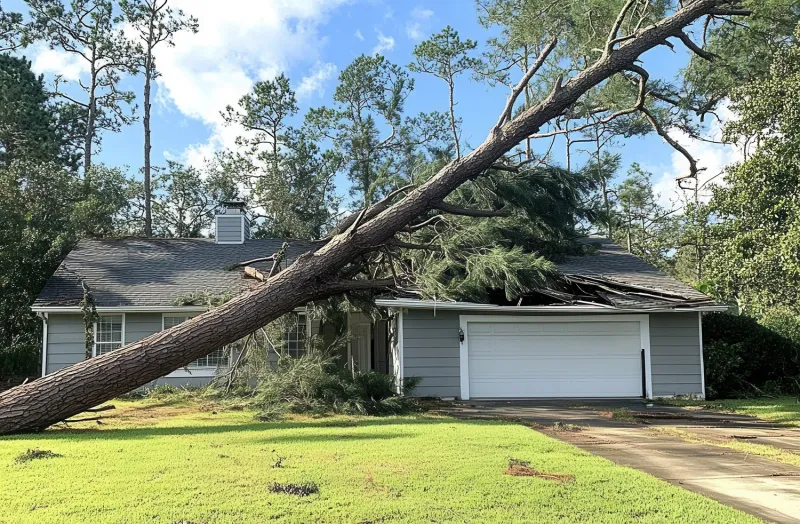
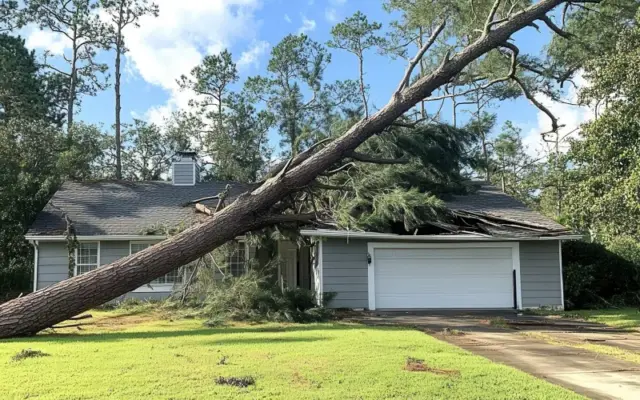
Picture a big branch or a whole trunk lying across your lawn, and the roots are clearly on the other side of the property line. Many people assume that settles it and the neighbor must pay.
Massachusetts law does not work that way.
The state’s highest court, the Supreme Judicial Court, has long held that a landowner generally is not liable for harm that a healthy tree causes to a neighbor. In Shiel v.
Rowell, the court reaffirmed that rule. It treated healthy trees differently from trees that are unhealthy.
An older case, Ponte v. DaSilva, points the same way.
There, neighbors complained about a healthy tree and its natural debris, and the court still rejected liability. That case involved debris and a fall, not a storm-toppled tree, so it should not be stretched too far.
The takeaway is simple. A tree’s former location alone does not decide who pays, and the neighbor does not automatically owe you because the trunk grew on their land.
It also does not mean you always bear the cost yourself. The condition of the tree and the facts of your situation come next, and those are covered in the next section.
Knowing this baseline helps you set realistic expectations before you call anyone. A heated conversation over the fence rarely changes the legal starting point.
When can the tree owner’s negligence matter?
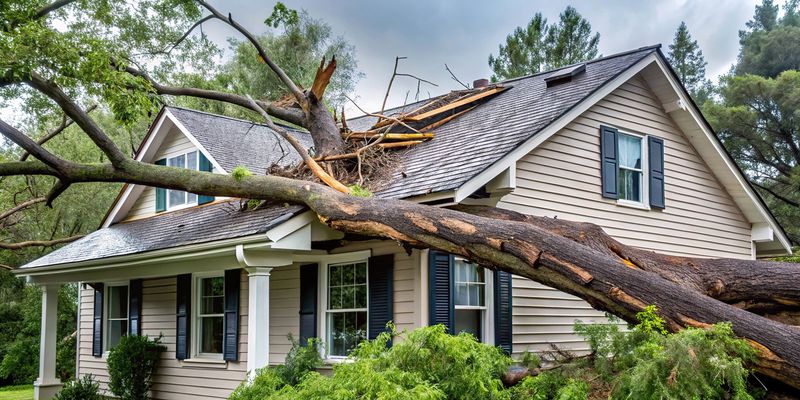
Condition is where cases can turn. The Supreme Judicial Court has said the protection for owners of healthy trees does not carry over to unhealthy ones.
A dead, diseased, or visibly hazardous tree may raise a negligence issue.
May is the key word. A sick tree does not automatically make its owner liable.
Negligence generally means failing to act with reasonable care, and whether that happened depends on the evidence and the circumstances.
Useful evidence might include photos of the tree before it fell, signs of rot or large dead limbs, an arborist’s opinion, and records of what the owner knew or should have known. A tree that looked fine to everyone for years is a very different case from one with a hollow trunk and mushrooms at its base.
A storm can be part of those circumstances, but it does not by itself end the question either way.
Warnings are another common worry. You may have complained to your neighbor about a tree for years.
Complaints alone do not establish negligence. In Ponte v.
DaSilva, neighbors had complained and warned of harm, yet the court still rejected liability because the tree was healthy and the problem was natural debris and a fall. It was not a storm-toppled tree.
The court’s reasoning in Shiel v. Rowell leaves room for negligence claims on the right facts.
If you think a tree was hazardous, start collecting proof now and consider speaking with a Massachusetts attorney about your situation.
Your own policy is usually the first stop after a storm
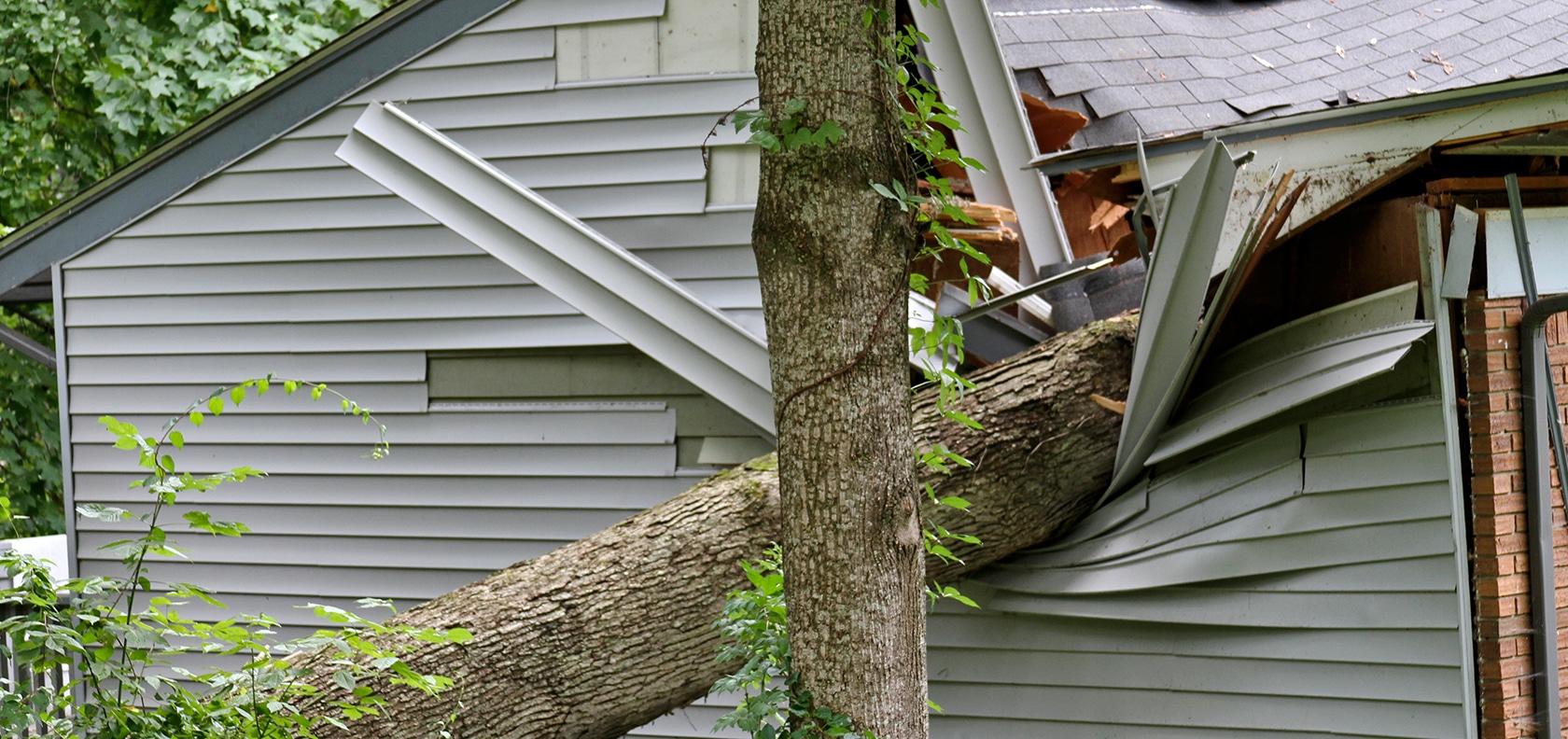
Legal fault and insurance coverage are two separate tracks. For a typical storm loss, the Massachusetts Division of Insurance explains in its homeowners insurance FAQ that the damaged homeowner’s own policy generally covers the loss when a healthy tree falls from a neighbor’s yard.
That is the usual first avenue, not a guarantee. Coverage depends on your policy’s terms, exclusions, limits, and deductible.
Some costs may fall outside what the policy pays.
Notice what this means in practice. Your policy may cover damage to your fence, roof, or shed even if your neighbor did nothing wrong.
You do not need to prove anyone was at fault to ask your own insurer about the loss.
Fault can still come into play behind the scenes. If negligence caused the loss, such as a tree that was clearly unhealthy and ignored, your insurer may seek reimbursement from the neighbor’s insurer.
Whether that happens, and whether it succeeds, depends on the facts. It is not something to count on.
Your insurer may also handle that process without much effort from you, though you may still be asked for information. Ask whether your deductible could be recovered if reimbursement occurs, since policies and practices differ.
A call to your agent early on keeps your options open.
Put safety before cleanup or claims
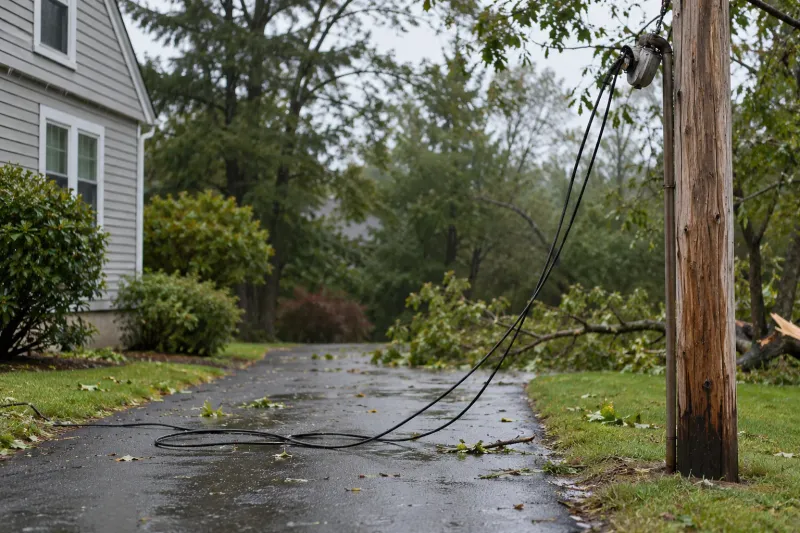
Before you think about paperwork, check for wires. Treat any downed line as live, and stay away from the wires and from nearby trees, fences, or other objects that could be energized.
Massachusetts emergency guidance says to call 911 for downed power lines, and OSHA’s downed wire guidance gives the same core warning.
Never approach or try to cut a tree that is tangled in wires. Leave that to the utility and trained crews.
Once everyone is safe, contact your insurer. The Division of Insurance says in its post-disaster FAQ that most homeowners policies cover reasonable emergency cleanup and temporary repairs.
Think of a tarp over a damaged roof or boards over a broken window. Keep every receipt and ask the insurer exactly what your policy covers.
Documentation helps. Take photos and video of the tree, the damage, and the tree’s base and trunk before anything is moved.
Write down dates and times, and note any names of people you speak with.
Hold off on permanent repairs until the insurer has inspected. The Division’s consumer alert on the claims process explains that making permanent repairs before an inspection may jeopardize a claim.
Temporary steps to prevent more damage are fine, but save the bigger rebuild for after the adjuster sees the damage.
Tree-debris removal depends on the policy
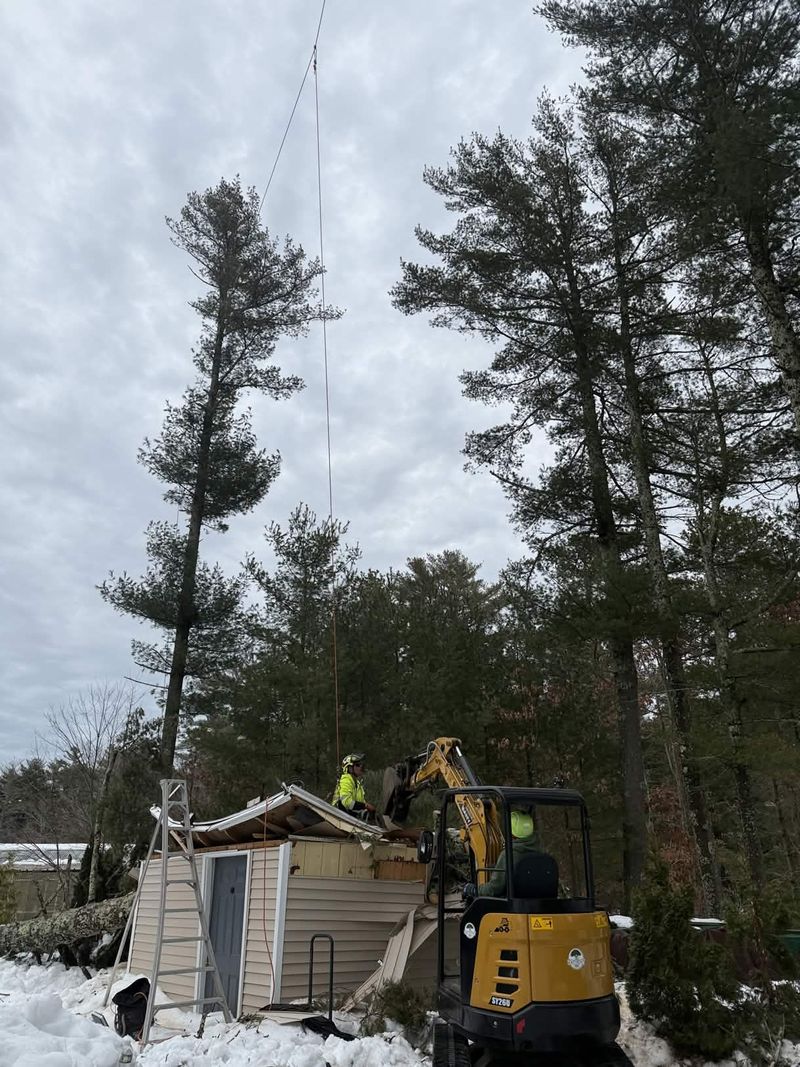
Hauling away a fallen trunk can cost real money, so it pays to ask early. The Massachusetts Division of Insurance, in its home insurance guide, describes debris removal as additional coverage that applies when the debris results from a covered loss.
That wording matters. Coverage is tied to a covered loss, and your policy’s language and limits control what is paid.
Some policies cap how much they pay for tree removal, or set separate limits per tree.
Consider two examples. A tree falls on your garage and damages the roof.
Removal of that tree may fall under your debris coverage, subject to the policy. A tree falls across an empty corner of the lawn and hits nothing covered.
Removal may not be covered at all, so you could be paying for it yourself.
Neither example is a promise. Each policy reads differently, so do not assume a fallen tree will be removed at no cost.
Ask your insurer direct questions. Does the policy cover removal of this tree?
Is there a dollar limit? Does the deductible apply?
Get the answers in writing if you can, and check them against your policy documents before you hire a tree crew.
Overhanging limbs and public trees follow different rules
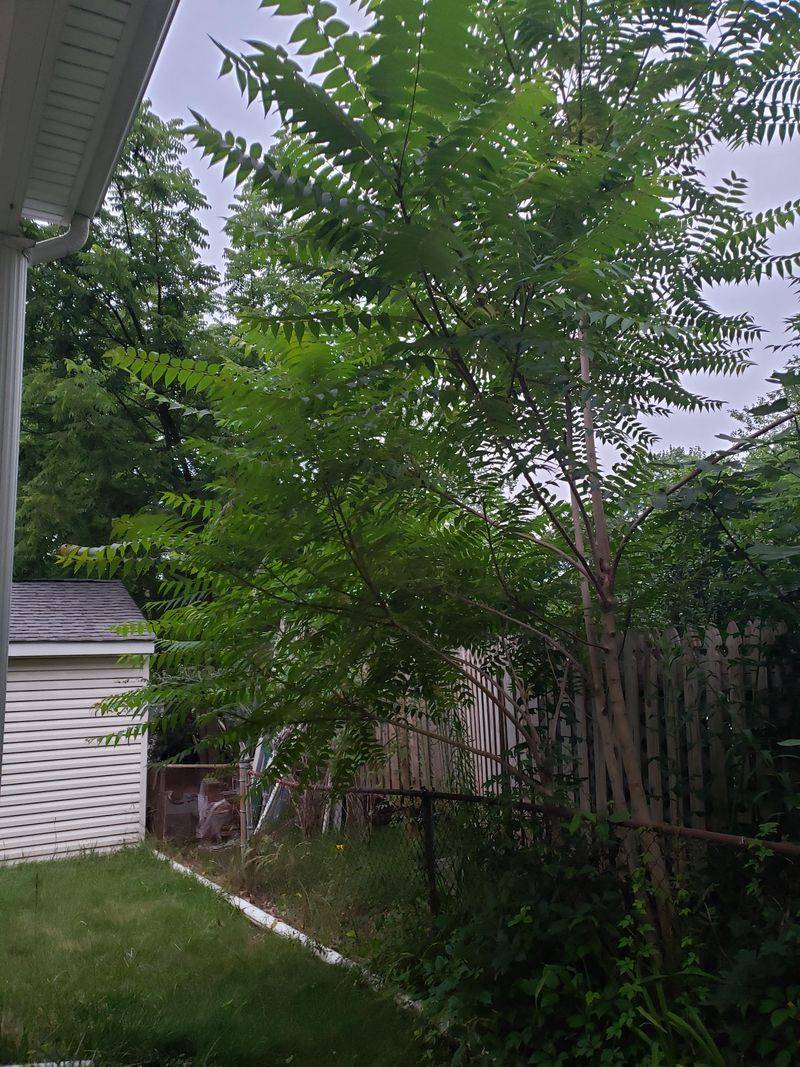
A branch hanging over your fence is a different problem from a tree that already fell. Massachusetts case law, including Ponte v.
DaSilva, recognizes a neighbor’s right to cut back the part of a tree that overhangs their own property.
That right is not unlimited. Think about the tree’s health first, since cutting can damage or destabilize a tree and cause new problems.
Local rules can also apply, and Lexington’s tree management manual shows how a town may set its own tree-related requirements. Check your town’s bylaws before you cut.
Roadside trees add another layer. State law defines trees within or on the boundary of a public way as public shade trees, as set out in Chapter 87, Section 1.
Section 3 generally restricts who may cut or remove them.
If a tree sits along the road, do not treat it as an ordinary private tree. Contact your local tree warden instead of cutting it yourself.
The state’s guide to laws protecting community trees gives more background on these protections.
When in doubt, call the town before the chainsaw comes out.
What to do next
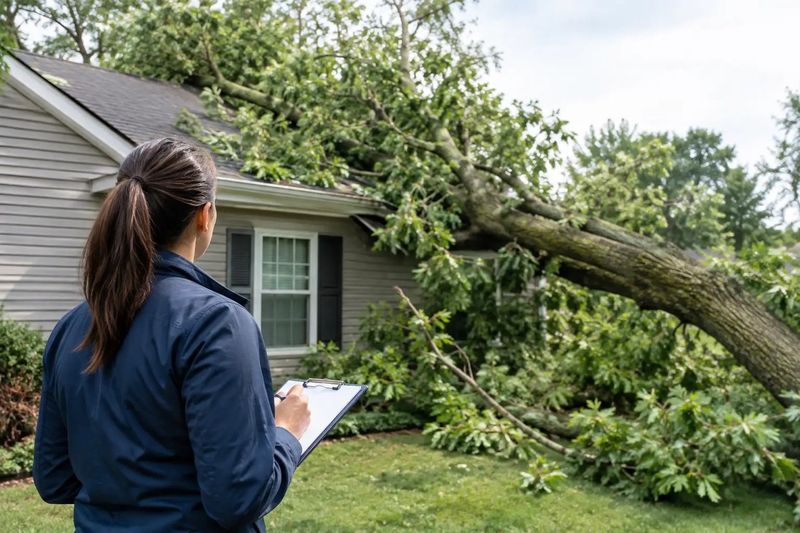
Start with safety: keep clear of wires and call 911 for downed lines. Then photograph everything and call your insurer to confirm what your policy covers.
Under state insurance guidance, your own policy is generally the first place to turn for a typical storm loss.
Remember that location alone does not decide liability. Tree condition and proof of negligence can matter, as the court explained in Shiel v.
Rowell. If the tree looked hazardous, keep your evidence and consider legal advice.
No outcome is guaranteed, but good records make every conversation easier. A fallen tree is stressful, yet a calm paper trail is often your best tool.
Share this story