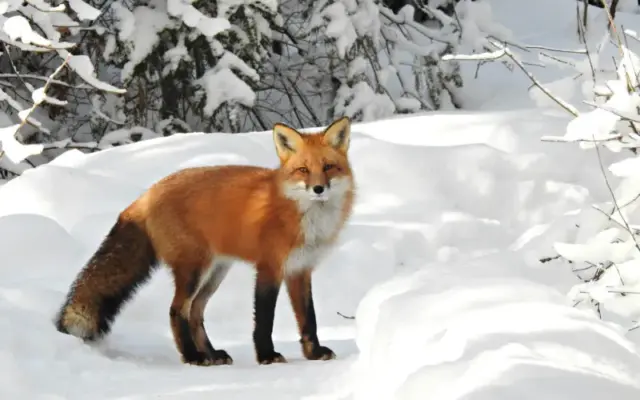
That red fox trotting across your yard is most likely out looking for a meal. Winter can make food harder to find, so foxes cover ground in search of small animals and other snacks.
A single sighting tells you less than you might think, though, and knowing the difference between normal fox behavior and a real warning sign helps you stay calm and safe. Here is what Alabama sources say about what is going on and what to do about it.
A winter visit often means the fox is looking for food
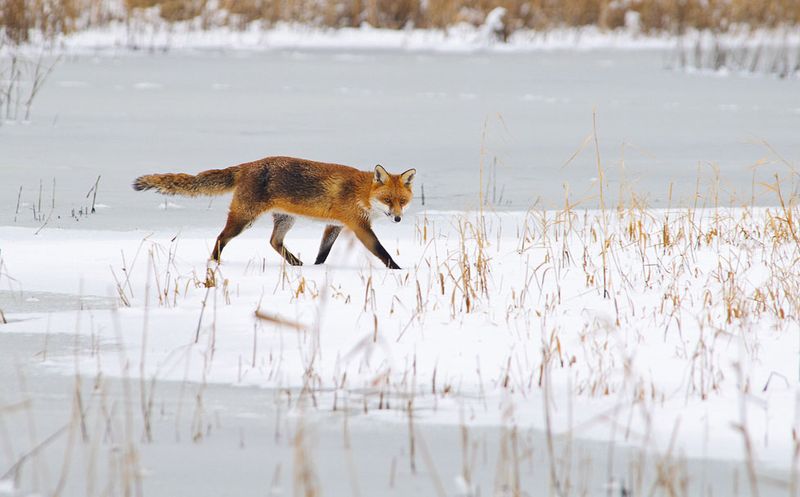
Most of the time, a red fox crossing a yard is simply getting through its day, and its day revolves around eating. Alabama’s wildlife agency says red foxes eat mostly rodents and rabbits, and that they may range farther when food is scarce.
Winter often thins out insects, fruit, and other easy meals, so a fox may stretch its rounds to include your property.
That makes foraging a likely, general explanation for a yard visit. It is not a way to read the mind of one particular fox.
A fox could be cutting through on its usual route, checking a spot where it found food before, or simply passing by on its way somewhere else.
You may come across stories of foxes pouncing on mice buried under deep snow, and of foxes being out more during the day in winter. The National Park Service describes those habits, but they are tied to snowy landscapes and the way prey behaves beneath snow.
Alabama winters are usually far milder and rarely have lasting snow cover, so those patterns should not be assumed for a fox in a Birmingham or Huntsville neighborhood.
A better way to think about it is territory. A fox has an area it knows well, and it patrols that area looking for small animals, birds, insects, and plant foods.
When pickings are slim, the patrol simply gets longer, and the edge of your yard may be part of it.
Yards can offer food and useful cover
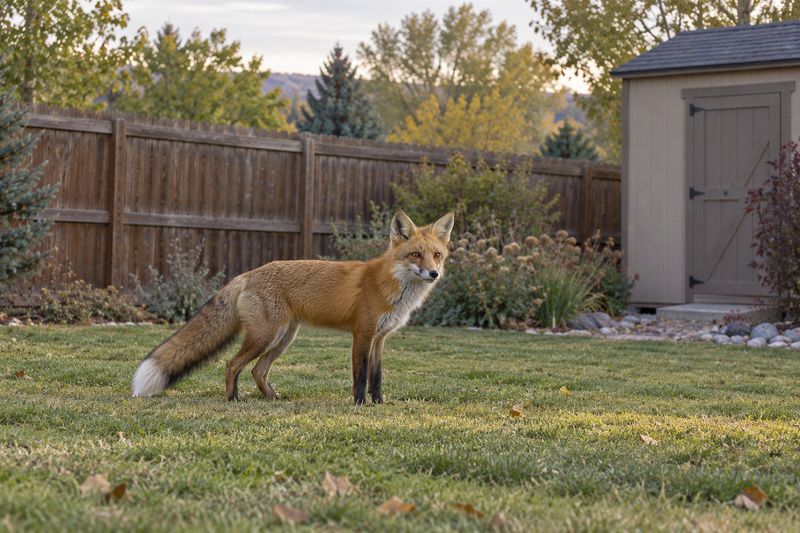
Red foxes live throughout Alabama, according to the state’s wildlife agency, and they are said to be more abundant in the northern half. They are not picky about scenery.
Woods, brush, and open or farmed land all work for them, and so can the patchwork of lawns and tree lines that make up many neighborhoods.
On the menu, Outdoor Alabama lists rats, mice, and rabbits as primary foods. Foxes also take other small animals, birds, insects, and some plant material.
They may bury or cover extra food and come back for it later, so a fox that digs a small hole in a flower bed may be stashing a meal rather than hunting.
Homes can add extra options to that list. An Alabama wildlife biologist’s 2013 forestry article notes that foxes use urban areas and may take advantage of pet food, compost, brush piles, hollow trees, and crawl spaces.
Think of it as general background on what a yard can offer, not a measure of how many foxes live near you today.
Foxes do eat some small mammals, but that is no reason to count on one to deal with mice in your house or shed. A fox is also not risk-free around pets, especially small ones left outside.
Food scraps and sheltered corners are the real draw, and those are things you can control.
A sighting does not prove a den is nearby
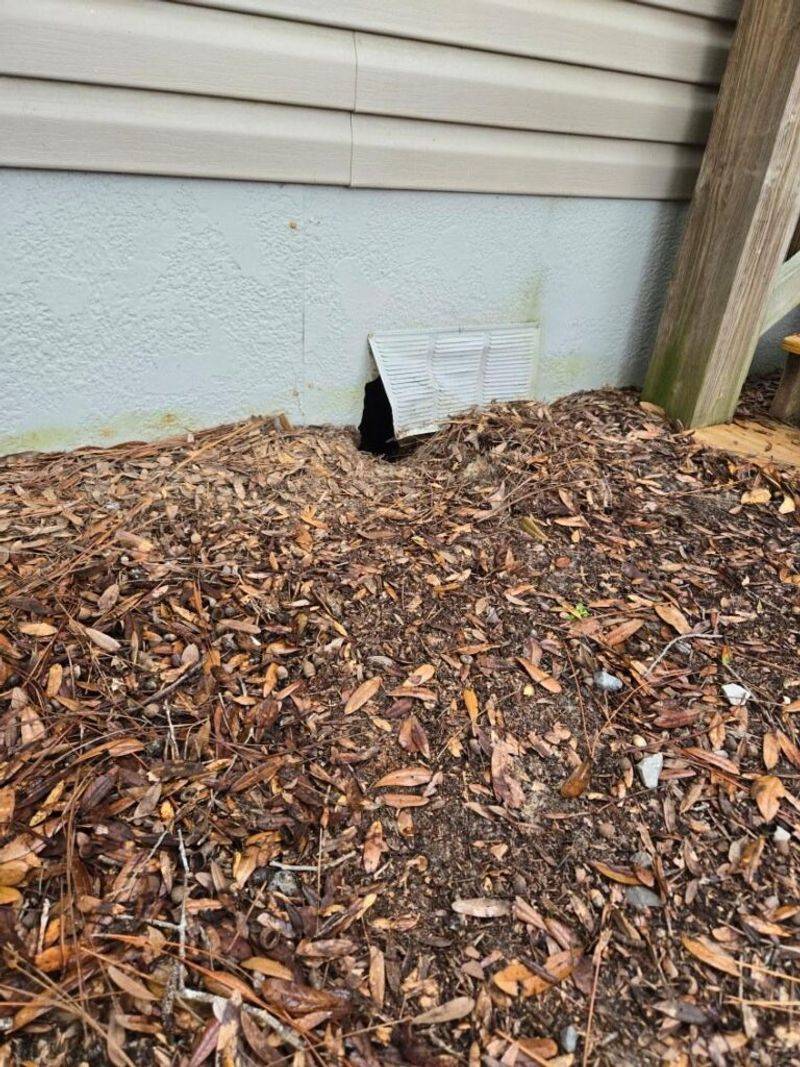
Seeing a fox is one thing. Knowing where it sleeps or raises young is another.
A fox that crosses your lawn at dusk could live a quarter mile away, and nothing about a single sighting tells you otherwise.
Shelter does matter to foxes, and the Alabama forestry article mentions brush piles, hollow trees, and crawl spaces as places foxes may use. Those are possible den sites, not proof.
A tidy yard with an open crawl space is not automatically hosting a fox family, and a fox seen near a house is not necessarily living under it.
If you think an animal is using a spot as a den, look for repeated signs over time rather than a one-time glimpse. Stay back and watch from a window or a distance.
Do not poke around, block openings in a hurry, or try to chase anything out.
Alabama Public Health advises people not to approach wildlife. That applies to a suspected den too.
A cornered or protective animal can bite or scratch, so leave the space alone and call a permitted nuisance-wildlife operator if you need help.
Breeding activity can begin in late winter
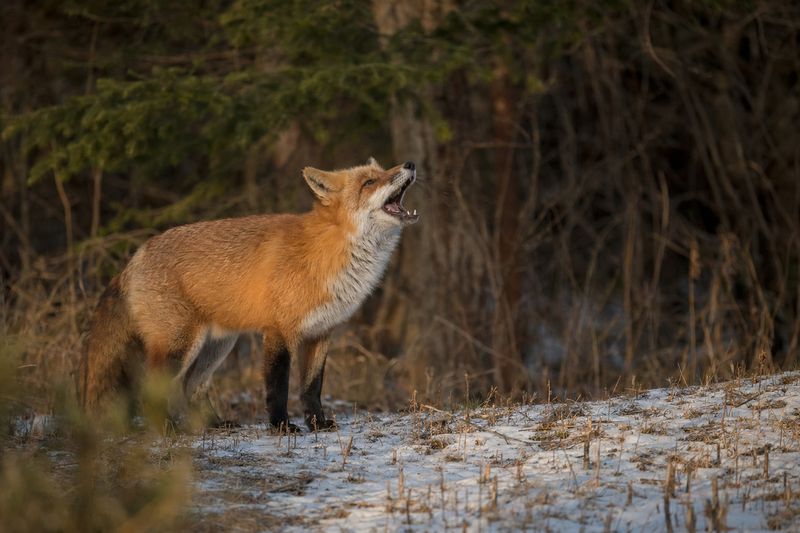
Late winter is when the fox calendar starts to get busy. Alabama’s wildlife agency lists February and March as the mating period for red foxes, and it gives the gestation period as about 53 days.
Those numbers come from Outdoor Alabama’s red fox profile.
Think of that as the general timing for the species across the state. It is a seasonal backdrop, not a report on the fox in your yard.
A fox you spot in January, February, or March may be mated, may be unmated, or may have nothing to do with breeding that day.
Likewise, a winter sighting does not mean a den is close by or that pups are about to arrive. A fox may be hunting, traveling, or marking its range.
Treat the calendar as a reason to be mindful, not a reason to worry.
If you enjoy watching wildlife, this is a good time to notice patterns. Keep track of when and where you see the fox, and keep pets close during those hours.
Observing from a distance gives you a better picture than any guess about what is going on out of sight.
Seeing a fox in daylight does not mean it has rabies

Plenty of people assume a fox out in the sun must be sick. That is an overstatement.
Foxes are often active around dawn and dusk, but a daytime sighting by itself does not establish illness or rabies. A fox hunting on a quiet afternoon can look perfectly ordinary.
What deserves attention is behavior that seems off. Alabama Public Health advises caution around wildlife showing atypical behavior, including unusual fearlessness.
Clues might include a fox that walks right up to people, seems confused or unsteady, or acts aggressively without reason.
A healthy fox usually keeps its distance and moves off when it notices you. One that looks calm but wary, then trots away, is behaving the way a wild animal should.
Context counts, so notice what the animal does over several minutes, not just the hour on the clock.
If a fox does seem ill or behaves abnormally, stay well back and keep children and pets indoors. Do not try to approach, handle, or help it.
Contact your local animal control or other local authorities and describe what you are seeing, including where the animal is.
Keep your distance and reduce what attracts foxes
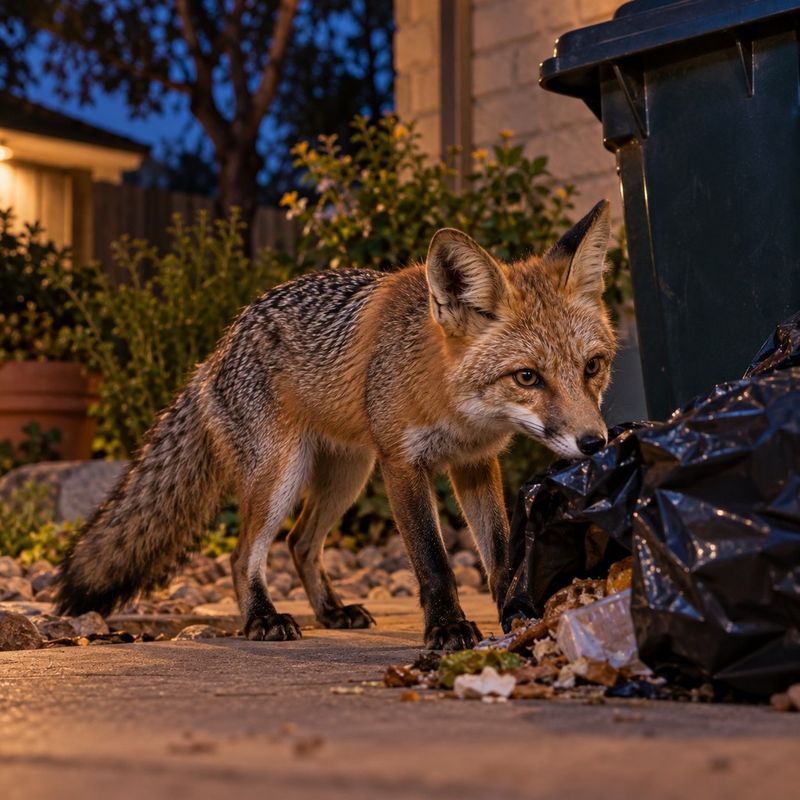
The easiest way to cut down on fox visits is to make your yard less rewarding. Alabama Public Health recommends that you do not feed wild animals, keep trash and leftover pet food covered, and keep pets confined or leashed.
Bring pet bowls inside at night, latch trash can lids, and keep small pets under watch when they are outdoors.
Distance is your friend. Do not feed, approach, handle, capture, or relocate a fox, even one that looks calm or young.
If a fox is causing a real problem, Outdoor Alabama keeps a list of permitted nuisance-wildlife operators who can handle it legally and safely.
If someone is bitten or scratched, act quickly. Wash the area with soap and running water, then seek medical attention promptly.
Alabama Public Health also advises contacting animal control or your local health department for guidance on next steps.
Pets need protection too. Keep your dogs’ and cats’ rabies vaccinations current, and call your veterinarian if a pet has any contact with a wild animal.
A few small habits around the yard go a long way.
A fox is a neighbor you can admire from the window and still never have to meet.
Share this story