Get the latest garden guides in your inbox →
Gardening Latest
  • General Gardening
  • Lawn Care
  • Plant Care
  • Composting
  • Soil Health
  • Backyard
  • Garden Muse Magazine
  • General Gardening
  • Lawn Care
  • Plant Care
  • Composting
  • Soil Health
  • Backyard
  • Garden Muse Magazine
  • News
  • Gardening Calendar
  • Garden Structures
  • Vegetable Garden
  • Vertical Garden
  • Raised Beds
  • Hydroponics
  • General Equipment
  • Community Gardens
Garden Themes
  • Spiritual Garden
  • Hydroseeding
  • Seeding and Laying Sod
  • Artificial Grass
  • Lawn Care Equipment
  • Plants
  • Trees
  • Planting Tools
  • Composting Basics
  • Fertilizer
  • Alternative Growing Mediums
  • Front Yard
  • Backyard Activities
  • Landscaping
Gardening Latest

Explore by state

Which state is your garden in?

Currently viewing Pennsylvania

All states

Northeast

  • Connecticut —
  • Delaware 26
  • Maine —
  • Maryland 12
  • Massachusetts 29
  • New Hampshire —
  • New Jersey 12
  • New York 22
  • Pennsylvania 22
  • Rhode Island —
  • Vermont —

Southeast

  • Alabama 12
  • Arkansas —
  • Florida 12
  • Georgia 13
  • Kentucky 26
  • Louisiana 11
  • Mississippi —
  • North Carolina 11
  • South Carolina 25
  • Tennessee 9
  • Virginia 11
  • West Virginia —

Midwest

  • Illinois 11
  • Indiana 14
  • Iowa 25
  • Kansas —
  • Michigan 13
  • Minnesota 11
  • Missouri 11
  • Nebraska —
  • North Dakota —
  • Ohio 13
  • South Dakota —
  • Wisconsin 27

Southwest

  • Arizona 12
  • Colorado —
  • Nevada —
  • New Mexico —
  • Oklahoma —
  • Texas 11
  • Utah —

West

  • Alaska —
  • California 12
  • Hawaii —
  • Idaho —
  • Montana —
  • Oregon —
  • Washington —
  • Wyoming —

No state matches that search.

Site menu

Gardening Latest
  • General Gardening
    • News
    • Gardening Calendar
    • Garden Structures
    • Vegetable Garden
    • Vertical Garden
    • Raised Beds
    • Hydroponics
    • General Equipment
    • Community Gardens
    Garden Themes
    • Spiritual Garden
  • Lawn Care
    • Hydroseeding
    • Seeding and Laying Sod
    • Artificial Grass
    • Lawn Care Equipment
  • Plant Care
    • Plants
    • Trees
    • Planting Tools
  • Composting
    • Composting Basics
  • Soil Health
    • Fertilizer
    • Alternative Growing Mediums
  • Backyard
    • Front Yard
    • Backyard Activities
    • Landscaping
  • Garden Muse Magazine

Explore

  • About GardeningLatest.com
  • Contact Us

Get the latest from the garden

New guides on lawn care, plants and backyard projects, sent when they go up.

Subscribe →

Follow

  • Facebook
  • X
  • Pinterest
  • YouTube
Pennsylvania Gardening

7 Animals Sleeping Through Winter Right Under Your Pennsylvania Yard

When snow covers your Pennsylvania lawn, it might look like nothing is alive out there.

MY

By Martha Yoder

November 24, 2026 · 5 min read

7 Animals Sleeping Through Winter Right Under Your Pennsylvania Yard

When snow covers your Pennsylvania lawn, it might look like nothing is alive out there. But just a few feet under the frozen ground, a whole crowd of animals is tucked away, waiting for spring.

Knowing who lives beneath your feet can help you protect them and make smarter choices about your garden. Grab a warm drink, because your backyard has more secrets than you think.

At a glance

Where
Pennsylvania Gardening
Hardiness zone
6 −10 to 0°F
Read
5 minutes
Published
November 24, 2026

1. Groundhog

Groundhog
© TVO Today

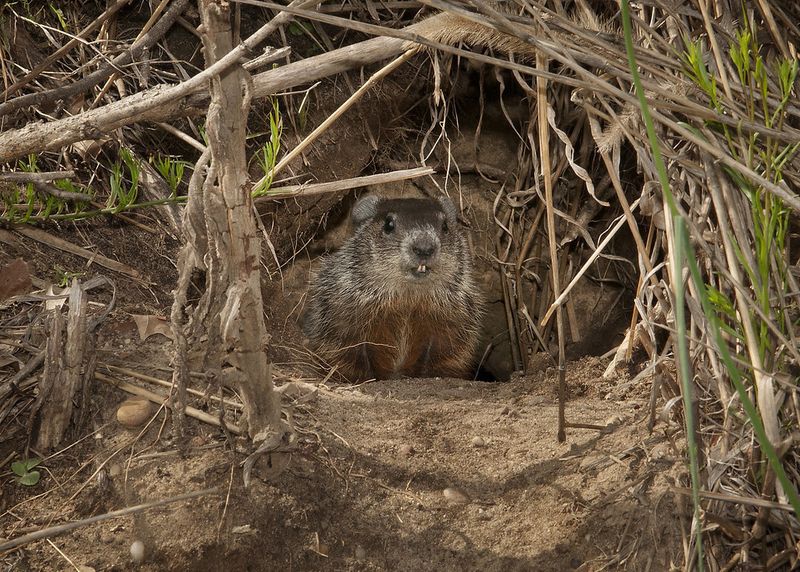
Punxsutawney Phil gets all the fame, but the groundhog hibernating under your shed is doing the exact same thing, minus the cameras. Groundhogs are true hibernators, which means they shut their bodies down in a big way.

Their heart rate drops from about 80 beats a minute to as few as 5.

Burrows can stretch more than 40 feet and include a special winter room dug below the frost line. Inside, the groundhog rolls into a tight ball and barely breathes.

Body temperature can fall to around 40 degrees Fahrenheit.

Here is a fun twist on Groundhog Day. Many males actually wake up in February, not to check shadows, but to visit nearby females before the real breeding season starts.

Then they head back to bed for a few more weeks.

2. Eastern Chipmunk
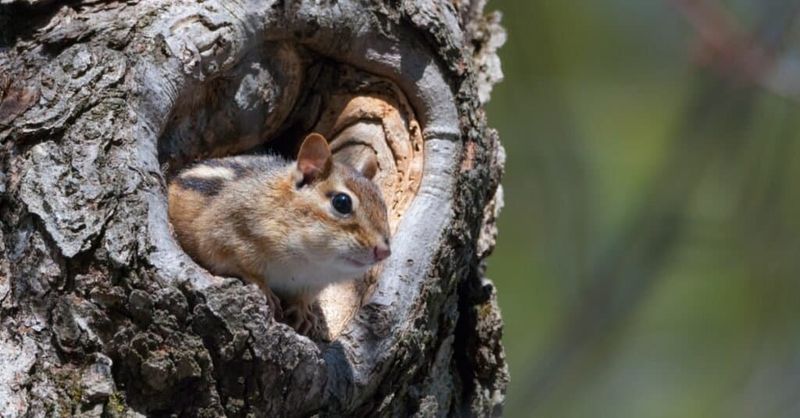
Eastern Chipmunk
© A-Z Animals

Picture a tiny bedroom with a snack pantry built right under the mattress. That is basically how an eastern chipmunk spends a Pennsylvania winter.

Unlike groundhogs, chipmunks do not fatten up before cold weather. Instead, they spend fall stuffing their cheek pouches with acorns, hickory nuts, and seeds, then carry it all to a chamber that can sit three feet deep.

Some folks get the shivers hearing this, but that old stone wall in your yard could be a snake slumber party.

They enter torpor, a light sleep, and wake every few days to nibble from their stash.

One chipmunk can store thousands of seeds in a single season. On a warm January afternoon, you might even spot one zipping across your patio before ducking back underground.

So if you notice small round holes with no dirt piles near your foundation, a striped neighbor is probably snoozing nearby.

3. Eastern Box Turtle
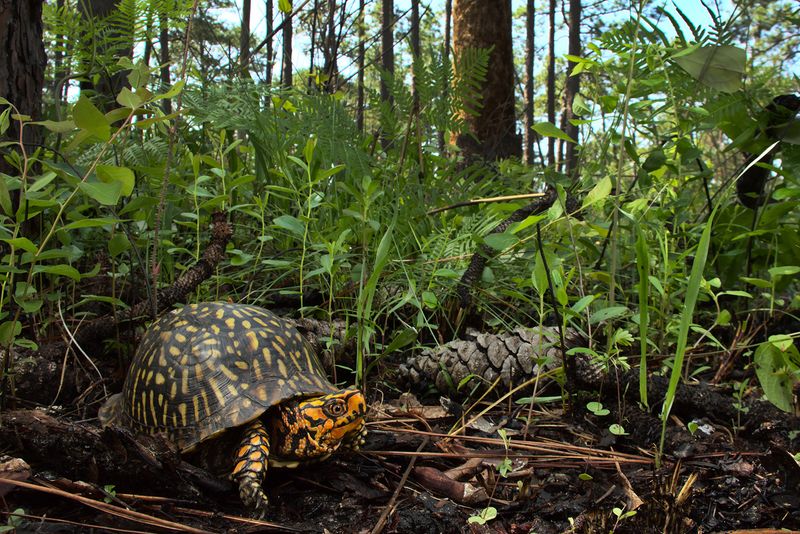
Eastern Box Turtle
© The Orianne Society

Slow and steady wins the winter, at least for the eastern box turtle. As October cools down, these colorful reptiles dig into loose soil or leaf piles, sometimes only a few inches deep.

Box turtles do something called brumation, the reptile version of hibernation. Their bodies slow so much that they can handle partial freezing for short periods.

Amazingly, some return to the very same winter spot year after year.

Since they live so close to the surface, raking every leaf out of your yard in fall can leave them exposed. Try leaving a cozy leaf pile in a quiet corner.

A box turtle can live over 100 years, so the one in your garden might be older than your house.

4. Wood Frog
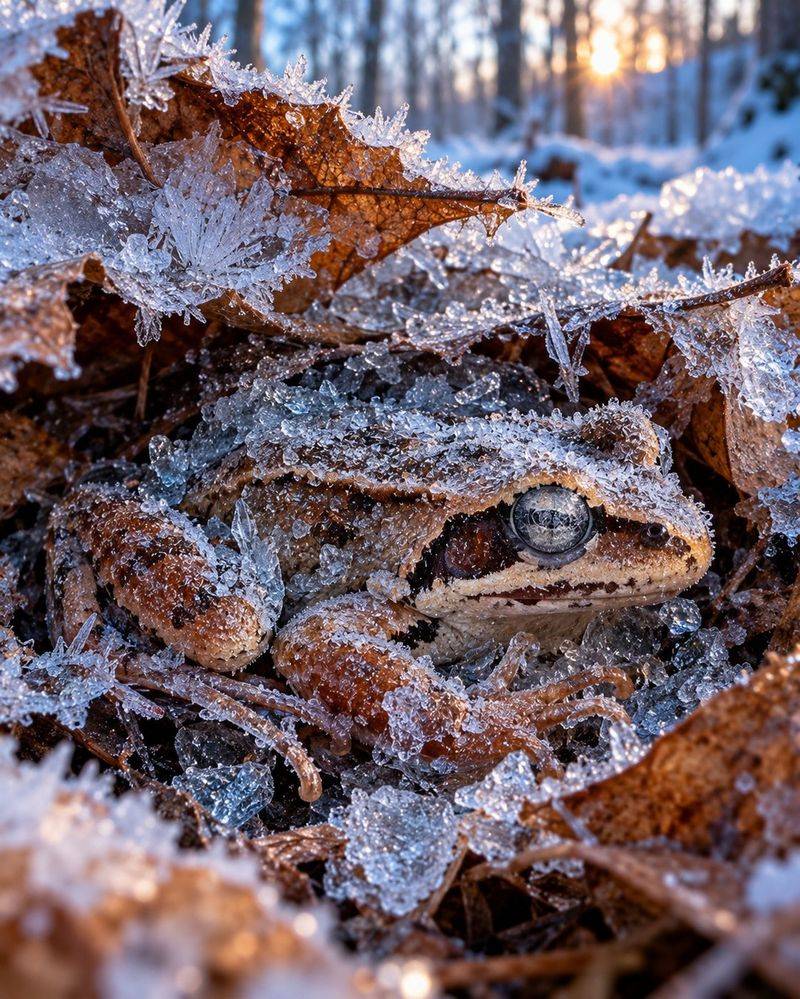
Wood Frog
© naturewatchdaily

Frozen solid and totally fine? Meet the wood frog, Pennsylvania’s real-life popsicle.

Wood frogs tuck themselves just under dead leaves rather than digging deep. When temperatures plunge, up to two-thirds of the water in their bodies turns to ice.

Their hearts stop, and they stop breathing completely.

So how do they survive? Their livers pump out sugar that works like antifreeze inside their cells, keeping the important parts safe.

When spring warms things up, the frog thaws, its heart starts beating again, and it hops off to the nearest pond.

Listen in early March for a sound like quacking ducks coming from wet areas. That chorus is wood frogs celebrating their wake-up.

5. Eastern Garter Snake
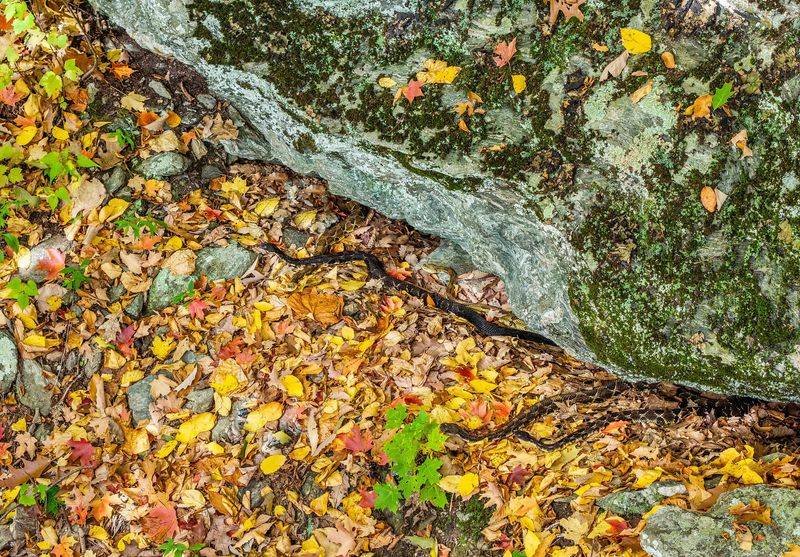
Eastern Garter Snake
© Animals

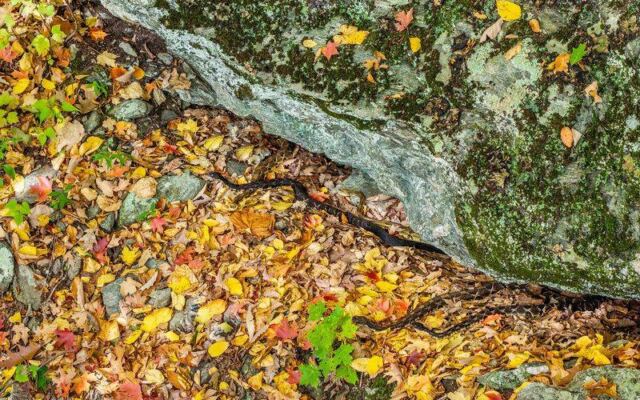
Some folks get the shivers hearing this, but that old stone wall in your yard could be a snake slumber party. Eastern garter snakes often gather in groups called hibernacula, where dozens or even hundreds pile together for winter.

Sharing space helps them stay a bit warmer and makes finding mates easier in spring. Common spots include rock crevices, old animal burrows, and gaps beneath foundations or porches.

Take a breath, though. Garter snakes are harmless to people and are fantastic at eating slugs, insects, and garden pests.

Having them around is like getting free pest control. When they emerge in April, you might see several basking on warm rocks at once.

6. Bumblebee Queen
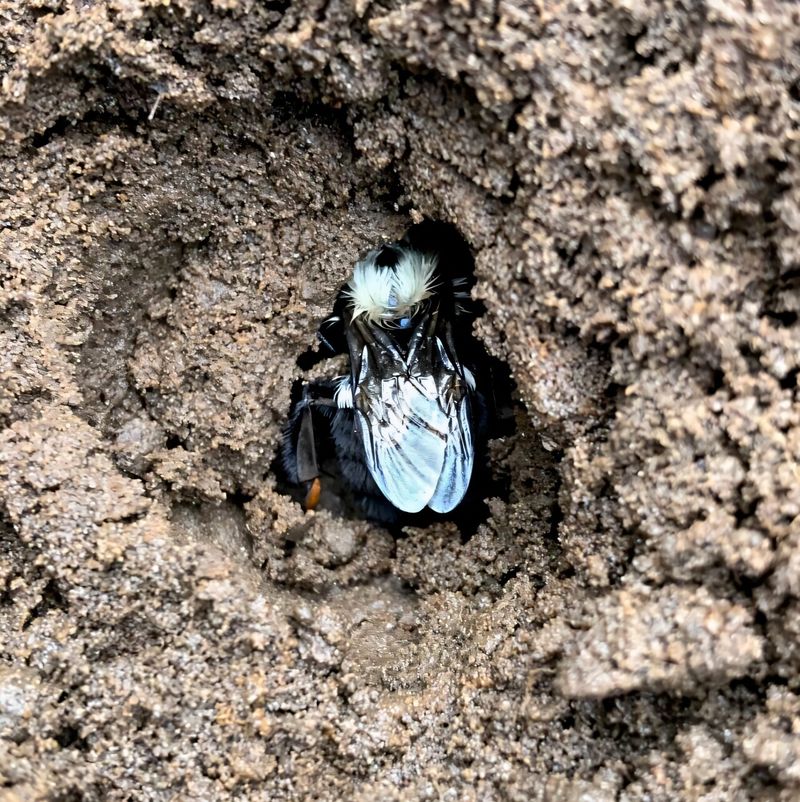
Bumblebee Queen
© Phys.org

Every summer bumblebee colony in your neighborhood dies off in fall, except for one very important insect. The new queen survives, and she spends winter alone in a tiny hole in the dirt.

After mating in late summer, she fills up on nectar and digs a small chamber a few inches down, often on a north-facing slope that stays cool. Staying cold actually keeps her from waking up too early during a warm spell.

Come spring, she starts a brand new colony entirely by herself. That means each sleeping queen holds the future of next year’s pollinators.

Skip tilling garden beds in early spring and leave some bare soil, and you are giving these royal sleepers a fighting chance.

7. Meadow Jumping Mouse
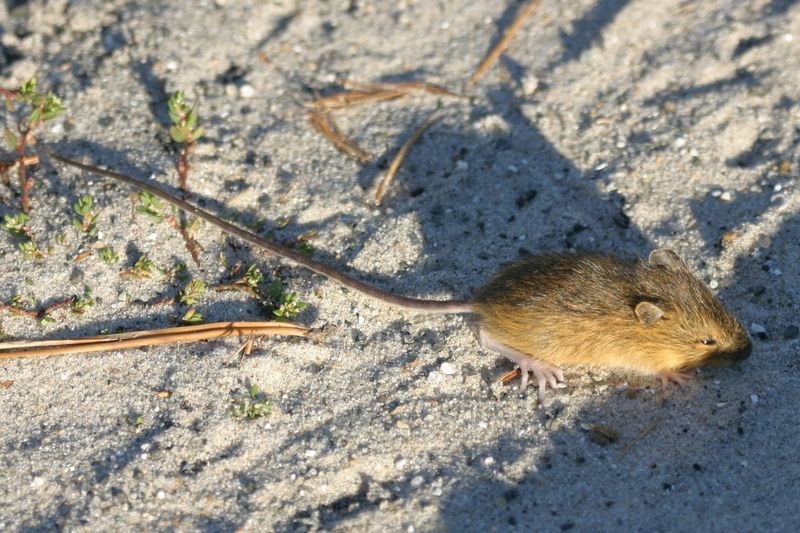
Meadow Jumping Mouse
© Maryland Biodiversity Project

With a tail longer than its body and legs built like a tiny kangaroo, the meadow jumping mouse is a showstopper in summer. It can leap several feet in a single bound.

Yet few people ever see one, partly because it vanishes for half the year.

Out of every mouse in Pennsylvania, this one is the deep sleeper. It hibernates for six months or more, usually from October until April or May.

Before bed, it packs on fat quickly, sometimes gaining several grams in just a couple of weeks.

Its winter nest sits in a burrow lined with soft grass, often below brushy edges or tall unmowed areas. Keeping a patch of wild grass in your yard could give this bouncy little sleeper a perfect home.

Share this story
MY

Written by

Martha Yoder

More from Martha Yoder →

About Gardening Latest

Gardening Latest provides in-depth guides to maintaining and enhancing your garden and backyard. Learn how to make the most of the space you have and create a beautiful garden.

More about us →

Latest stories

  • North Carolina GardeningYour Dog Just Ran Through a Fire Ant Mound in North Carolina, and Here’s What to Do First

    Your Dog Just Ran Through a Fire Ant Mound in North Carolina, and Here’s What to Do First

    5 min ago
  • Michigan GardeningMichigan’s Only Venomous Snake Has Company: a Thumb-Sized Shrew Living in Your Yard

    Michigan’s Only Venomous Snake Has Company: a Thumb-Sized Shrew Living in Your Yard

    10 min ago
  • Massachusetts GardeningThose Ant Hills Popping Up After a Massachusetts Rain Reveal a Lot About Your Yard

    Those Ant Hills Popping Up After a Massachusetts Rain Reveal a Lot About Your Yard

    15 min ago
  • New York GardeningThese Wild Plants Around New York Homes Are Poisonous, And One Is Probably In Your Yard

    These Wild Plants Around New York Homes Are Poisonous, And One Is Probably In Your Yard

    25 min ago
  • Ohio GardeningThe Little Ohio Owl That Quietly Clears Chipmunks Out of Your Garden

    The Little Ohio Owl That Quietly Clears Chipmunks Out of Your Garden

    31 min ago

Gardening by state

Stories for your state, and the hardiness zone most of it gardens in.

Keep exploring

Read next

All Pennsylvania Gardening →
Pennsylvania GardeningThinking About Burning That Leaf Pile? Here’s What Pennsylvania Law Actually Allows
Pennsylvania Gardening

Thinking About Burning That Leaf Pile? Here’s What Pennsylvania Law Actually Allows

42 min ago
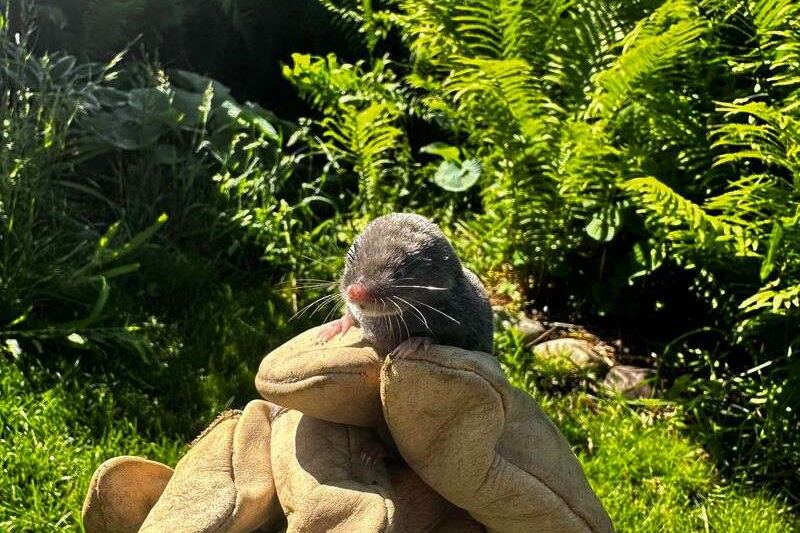
Pennsylvania GardeningThis Tiny Pennsylvania Shrew Has A Venomous Bite And Spends Winter Tunneling Under Your Leaf Litter
Pennsylvania Gardening

This Tiny Pennsylvania Shrew Has A Venomous Bite And Spends Winter Tunneling Under Your Leaf Litter

18 hr ago
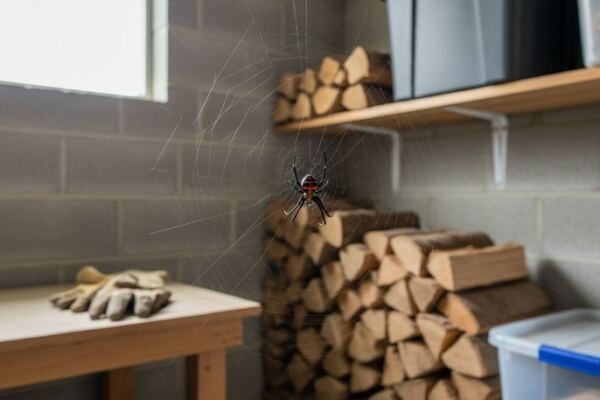
Pennsylvania GardeningThis Venomous Spider Loves Pennsylvania Garages And Hides In The Boxes You Rarely Move
Pennsylvania Gardening

This Venomous Spider Loves Pennsylvania Garages And Hides In The Boxes You Rarely Move

21 hr ago

More from Pennsylvania Gardening

  • The Smells Pennsylvania Deer Avoid And The Ones That Pull Them Into Your Garden

    Nov 22
  • What To Do (And Never Do) When A Coyote Wanders Into Your Pennsylvania Yard

    Nov 22
Back to top

Leave a response Cancel

Your email address stays private. Required fields are marked with an asterisk.

Gardening Latest

In-depth guides to maintaining and enhancing your garden and backyard: how to make the most of the space you have, and how to make it beautiful.

  • Facebook
  • X
  • Pinterest
  • YouTube

We may earn a portion of sales from products or services that are purchased through our site as part of our affiliate partnerships with retailers.

Explore

  • About GardeningLatest.com
  • Contact Us
  • Terms and Conditions
  • Privacy
  • Editorial Note:
  • FTC Disclosure

Newsletter

New garden guides and seasonal tips, straight to your inbox.

We’ll email you a link to confirm. Unsubscribe any time.

Almost there! Check your inbox and tap the link to confirm.

© 2026 Gardening Latest. All rights reserved.

Back to top