A white-tailed deer can smell your hostas from across the yard, long before it ever sees them. In Pennsylvania, where deer outnumber people in some rural townships, that powerful nose decides which gardens get eaten and which get skipped.
Some scents send deer running back into the woods, while others act like a dinner bell. Knowing the difference can save your tomatoes, tulips, and a whole lot of frustration.
1. Garlic and Onion
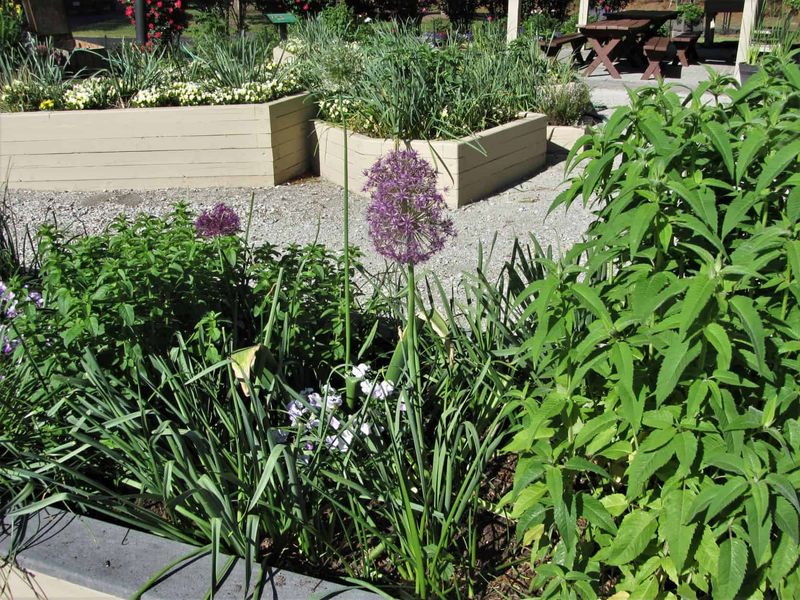
Grandma’s old trick of tucking garlic between her pole beans wasn’t just folklore. Deer really do dislike the sharp, sulfur-heavy smell that alliums give off, especially when leaves get bruised.
Planting garlic, onions, chives, or ornamental alliums around the border of a garden creates a smelly fence line. Many Pennsylvania gardeners plant fall garlic in October, which means the scent barrier is already up and growing by early spring when hungry deer come out of winter.
Garlic sprays work too. Crush a few cloves, steep them in water overnight, strain, and mist your plants.
Just remember to reapply after rain.
2. Lavender, Mint, and Strong Herbs
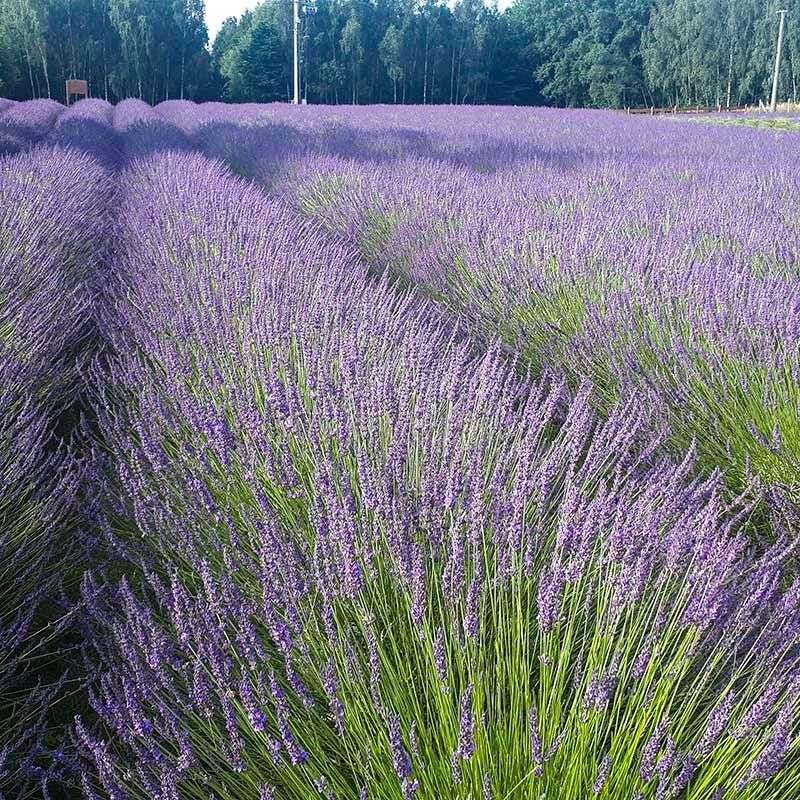
Walk past a lavender patch and you smell perfume. A deer smells something closer to a warning sign.
Herbs packed with strong oils, like lavender, rosemary, sage, mint, thyme, and oregano, overwhelm a deer’s sensitive nose. That makes it harder for them to sniff out tasty plants nearby, so they often move on to an easier meal.
Here is a smart move: mix these herbs right in with plants deer love. A ring of catmint around your roses or sage beside your lettuce can hide the good stuff.
Mint spreads fast, so keep it in a pot unless you want it everywhere.
3. Rotten Eggs
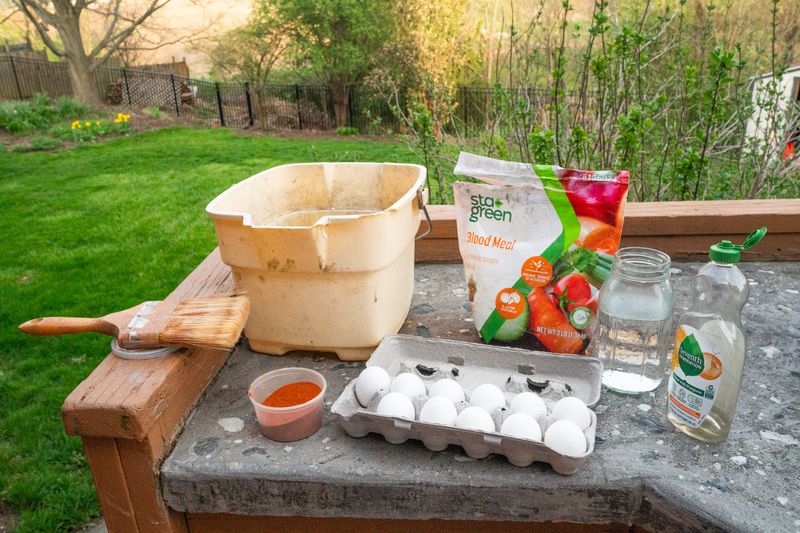
Nobody wants their yard to smell like a science lab gone wrong. Still, rotten egg is one of the most proven deer repellents out there.
Studies from wildlife researchers have found that putrescent egg solids rank near the top for keeping deer away. Deer seem to link the smell of rotting protein with death or predators, so they keep their distance.
Many store-bought sprays use egg as their main ingredient. The good news is the stink fades to human noses within a day, but deer can still detect it for weeks.
Spray in dry weather and cover new growth every couple of weeks.
4. Predator Scents

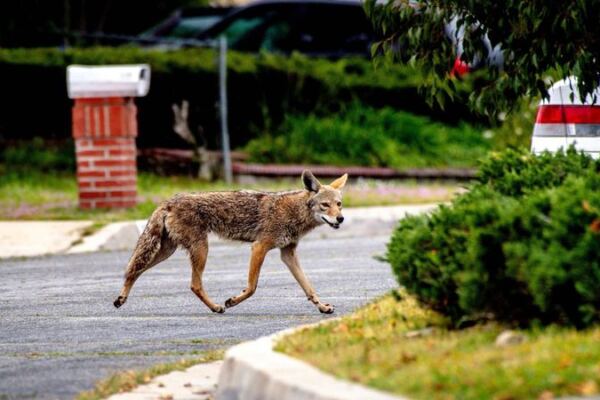
Coyotes now live in every county in Pennsylvania. Deer know it, and their noses are always on alert for signs of danger.
Products made with coyote or fox urine play on that fear. When a deer catches a whiff, it may freeze, stomp, and bolt.
Some gardeners also hang dog hair in mesh bags around their beds for a similar effect.
The catch is that deer are clever. If they smell a predator but never see one, they eventually figure out the threat is fake.
Move the scent stations around every week or so to keep deer guessing.
5. Irish Spring Soap
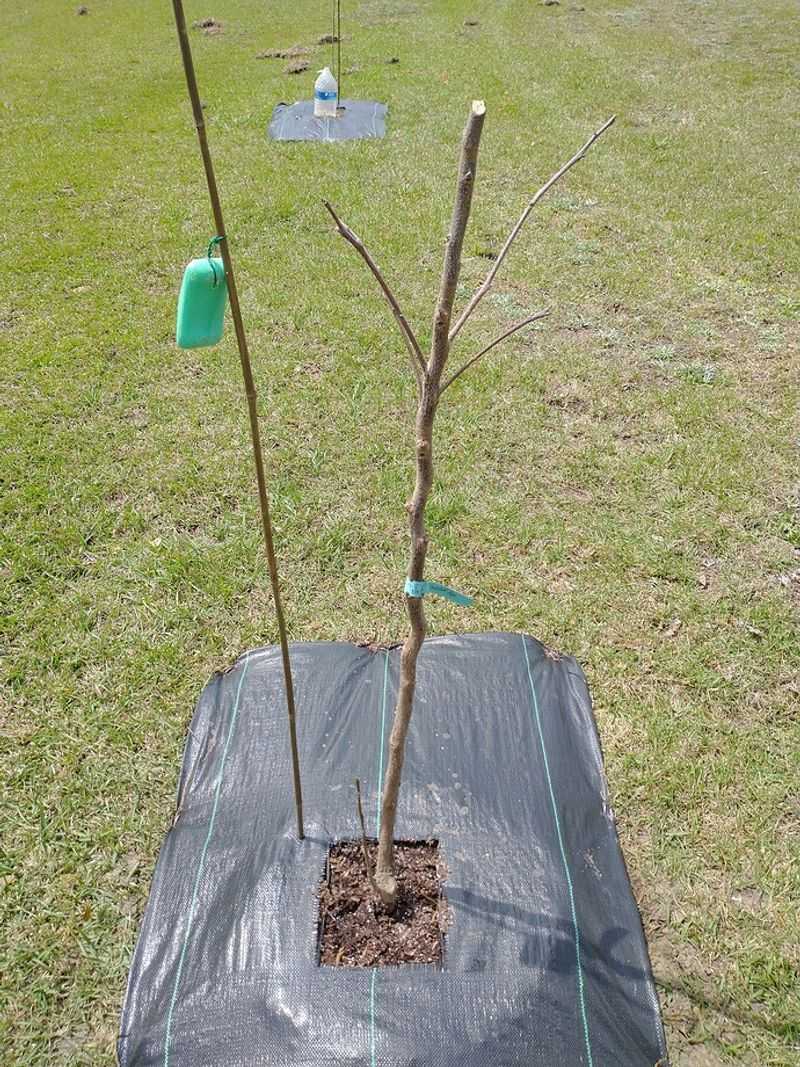
Picture a garden decorated with little green soap bars dangling from stakes. It looks odd, but plenty of folks from Lancaster to Erie swear by it.
Heavily scented soaps, especially Irish Spring, carry a strong, unnatural smell. Deer tend to stay away from scents that feel human and unfamiliar.
Results can be hit or miss. Soap works best in small spaces, like around a few young fruit trees, and it loses punch as it melts in the rain.
Swap bars out every month and pair them with another method for better luck.
6. Hot Pepper
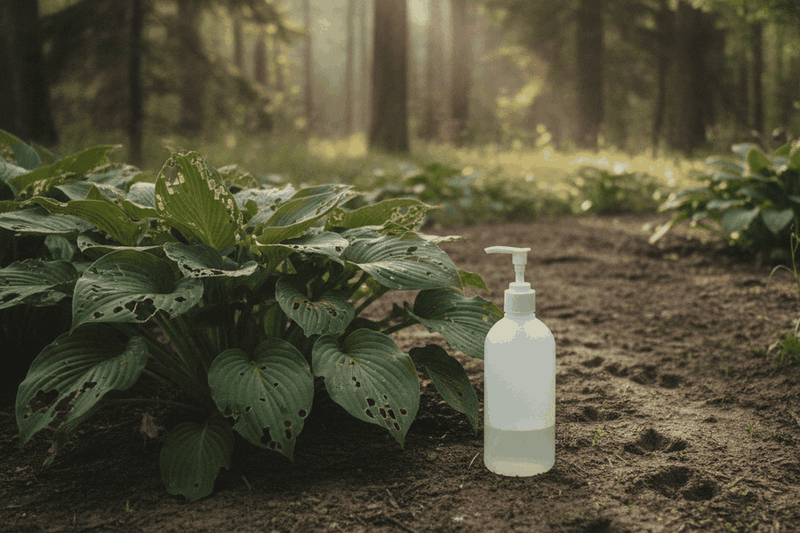
Ever bitten into a pepper hotter than you expected? Deer get that same burning surprise from capsaicin.
Hot pepper works on both smell and taste. The scent makes deer cautious, and one nibble of a sprayed leaf usually teaches them a lesson fast.
Mix hot sauce or cayenne with water and a few drops of dish soap so it sticks. Avoid spraying on veggies you plan to eat soon, unless you love spicy lettuce.
Tulips and hostas are great targets, since deer in Pennsylvania treat them like candy.
7. Apples and Fallen Fruit
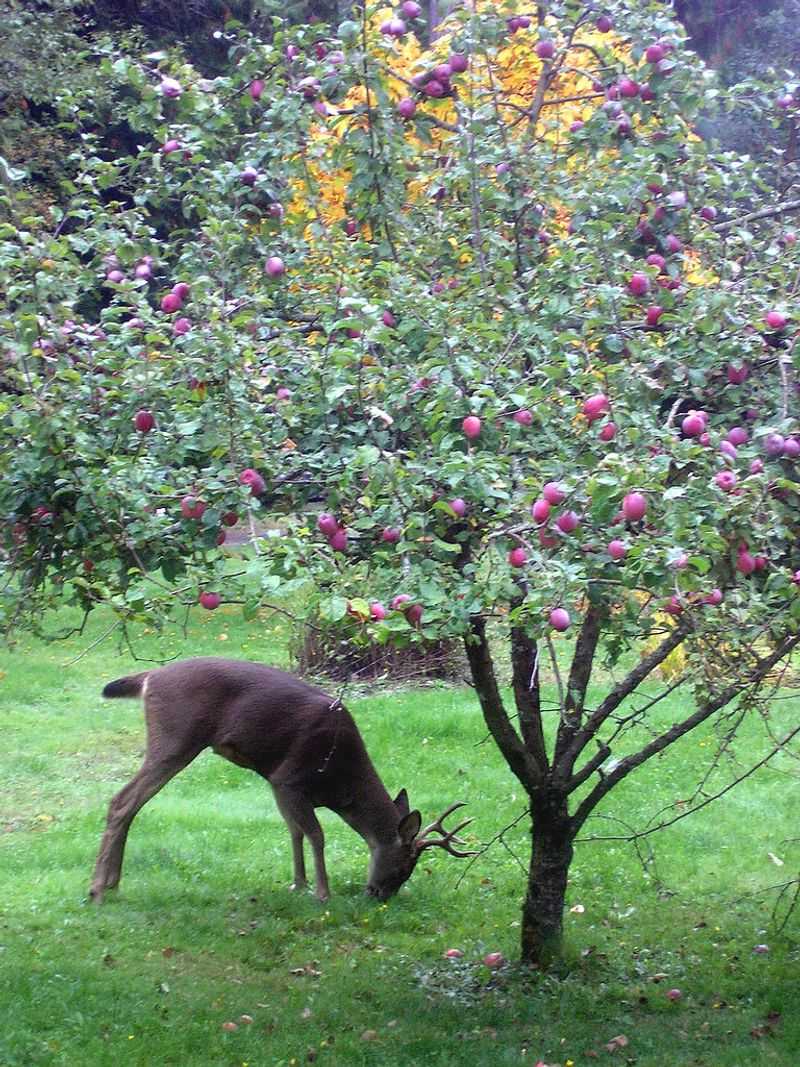
Here’s where things flip. Some smells don’t push deer away at all.
They roll out a welcome mat.
Ripe and rotting apples rank at the very top. The sweet, fermenting scent drifts far on fall air, and deer will travel a long way to find it.
Hunters across Pennsylvania have used apple scents for generations for exactly this reason.
If you have fruit trees, pick up dropped apples, pears, and peaches every few days. Leaving them on the ground practically invites deer to visit, and once they come for fruit, they stick around to munch your shrubs.
8. Fresh Fertilizer and Tender New Growth
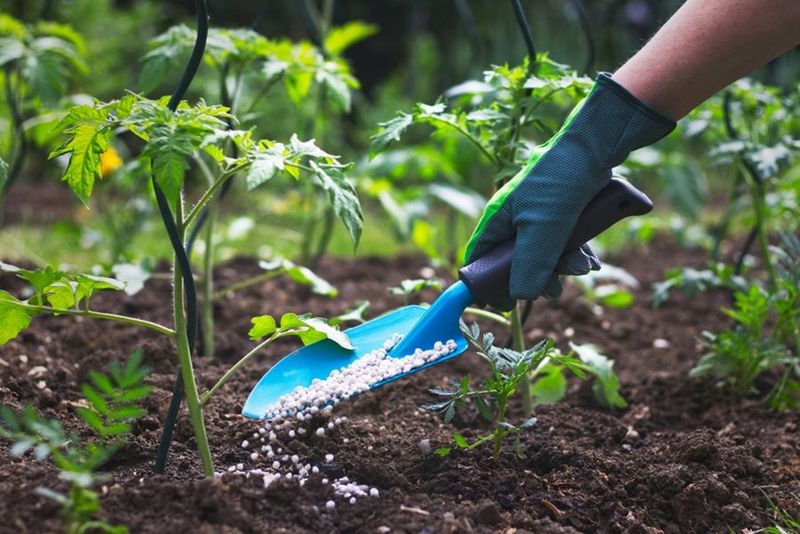
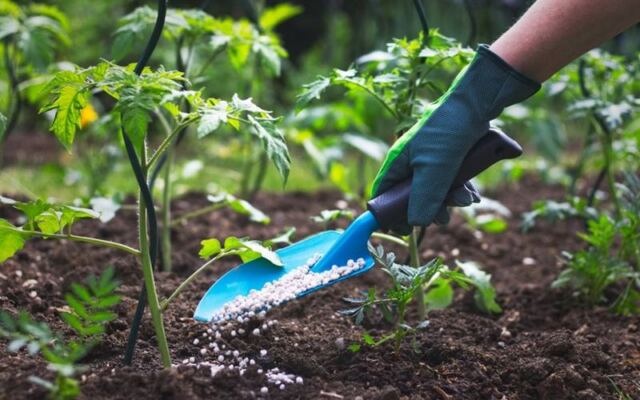
A freshly fed garden smells like opportunity to a deer. Nitrogen-rich fertilizers push out soft, juicy leaves that are packed with nutrients.
Deer can actually detect the difference between well-fed plants and stressed ones. Lush beans, lettuce, and hostas boosted with fertilizer become high-value targets, especially in spring when deer are rebuilding body weight.
That doesn’t mean you should skip feeding your plants. Just protect newly fertilized beds with netting or a repellent for a few weeks while growth is at its most tempting.
9. Salt and Mineral Smells
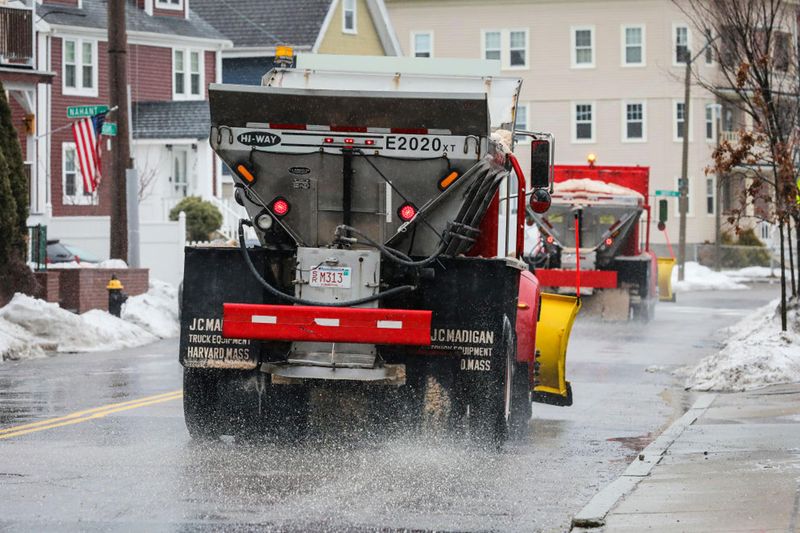
Pennsylvania drivers know the scene. After a snowy winter, deer gather along roads to lick up leftover salt.
Deer crave sodium, especially in spring and summer when growing antlers and nursing fawns. Areas splashed with road salt, water softener runoff, or even sweaty garden tools can attract them.
Watch where you dump softener brine or store bags of ice melt. A salty patch near your garden is like putting a snack bar next to your salad bowl.
10. Bird Seed and Corn
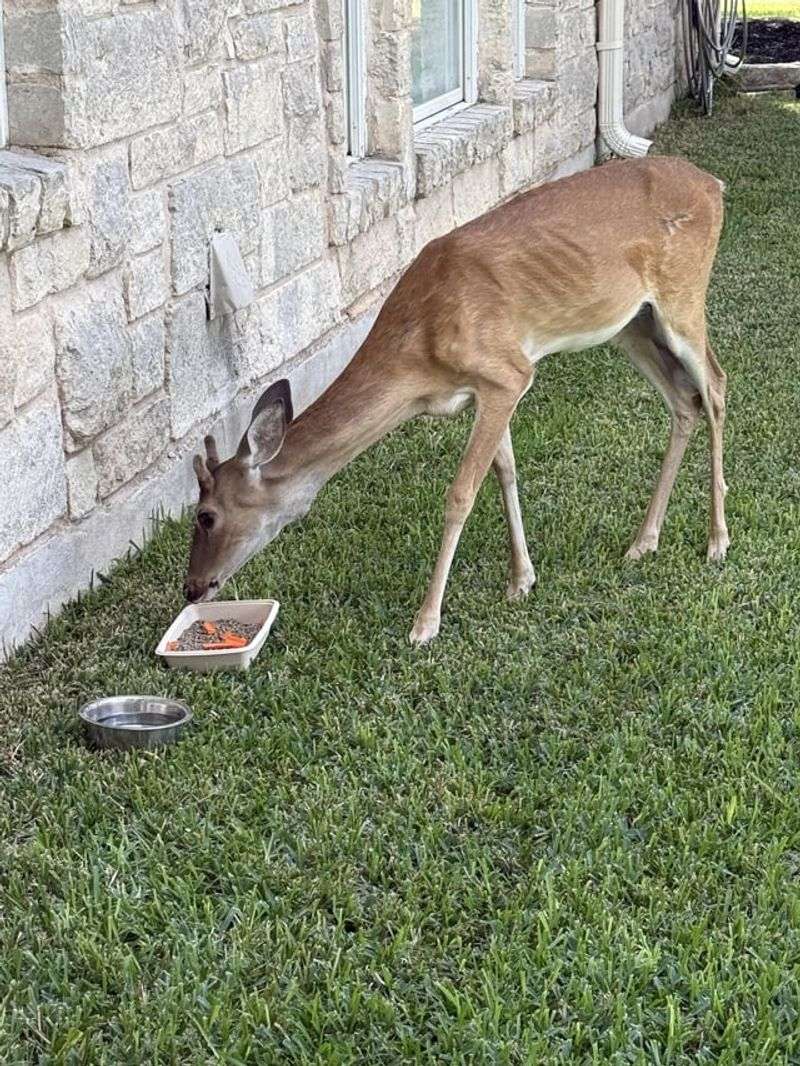
Lots of backyard bird lovers have opened the curtains to find a doe tipping the feeder. Deer smell spilled seed and cracked corn from a good distance.
Corn especially pulls deer in. In fact, many Pennsylvania communities discourage feeding deer, since it crowds them together and can spread disease like chronic wasting disease.
Use trays under feeders, choose seed blends without corn, and clean up spills often. Keep feeders far from gardens so a seed snack doesn’t turn into a full garden buffet.
Balance is the real secret. Remove the smells that tempt deer, add the ones they hate, and your Pennsylvania garden stands a much better chance.
Share this story