Most people think Arizona’s creepy crawlers vanish once the summer heat fades. The truth is, cooler weather often pushes them right into our garages, closets, and woodpiles looking for warmth.
Knowing who might be hiding in your home can keep your family and pets safe. Here are eight venomous visitors that don’t take the winter off.
1. Arizona Bark Scorpion
Ask any Phoenix homeowner with a blacklight and they’ll tell you a story. One flick of the switch and suddenly the garage wall is glowing with tiny green-blue shapes.
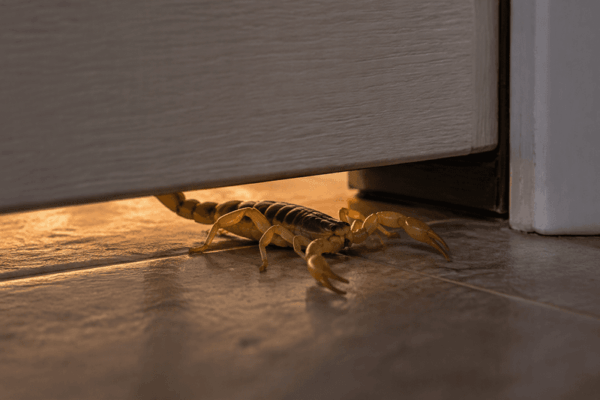
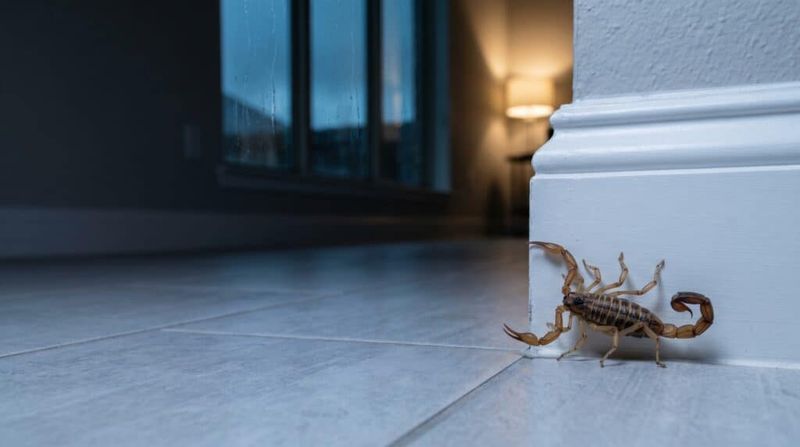
The Arizona bark scorpion is the most venomous scorpion in North America, and it loves a cozy house.
When nights drop into the 50s, these scorpions slow down but don’t disappear. They tuck into baseboards, shoes left by the door, and folded towels.
Unlike most scorpions, bark scorpions can climb walls and even ceilings, which is why some people find them in bathtubs they can’t escape from.
A sting feels like an electric shock that can last for hours. Small kids and older adults face the biggest risk, so call Poison Control at 1-800-222-1222 if someone gets stung.
Shake out shoes, seal gaps under doors, and keep beds pulled away from walls.
2. Western Black Widow
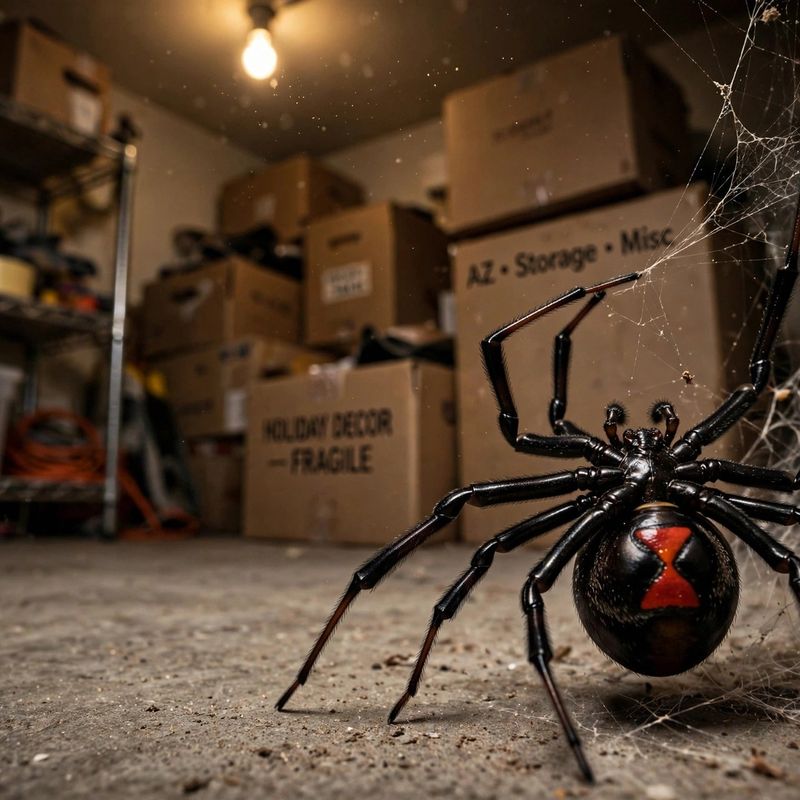
Glossy, round, and marked with a red hourglass, the western black widow looks almost like jewelry. Don’t be fooled.
Her venom is roughly 15 times stronger than a rattlesnake’s, drop for drop, though she injects only a tiny amount.
Widows thrive in the dry, cluttered corners Arizona homes have plenty of. Think irrigation boxes, pool equipment, patio furniture, and the underside of grills.
Their webs look messy and feel unusually strong, almost like fishing line when you brush them.
Fall and winter don’t chase them away. Females can live up to three years, so the same spider might guard her spot all season.
Wear gloves when reaching into dark places, and you’ll avoid most surprise encounters.
3. Arizona Brown Spider
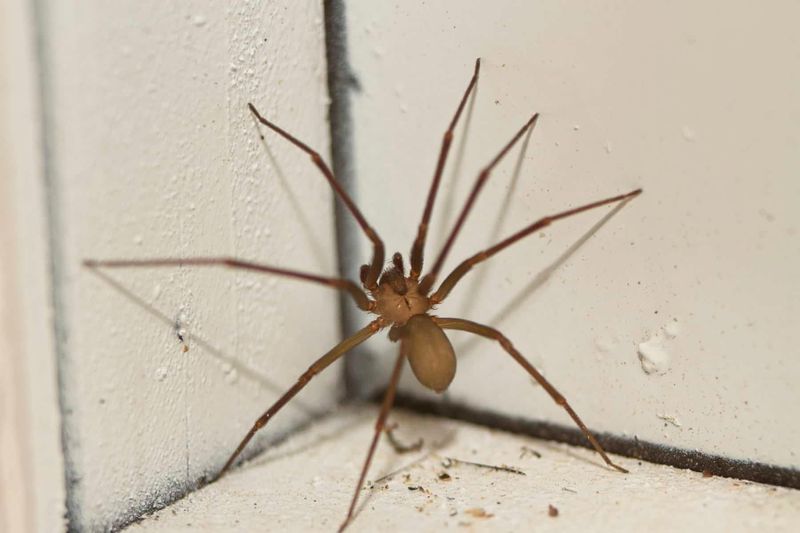
Quiet and shy, the Arizona brown spider is the desert cousin of the famous brown recluse. You probably won’t see one crawling in the open.
These spiders prefer packrat nests, old boxes, and forgotten storage areas.
Here’s the good news: bites are rare, and many “recluse bites” turn out to be something else, like infections. Still, a real bite can cause a slow-healing sore, so it’s smart to respect them.
Winter is when many families pull holiday decorations out of storage. That’s prime time for a run-in.
Swap cardboard boxes for sealed plastic bins and give everything a shake before bringing it inside.
4. Western Diamondback Rattlesnake
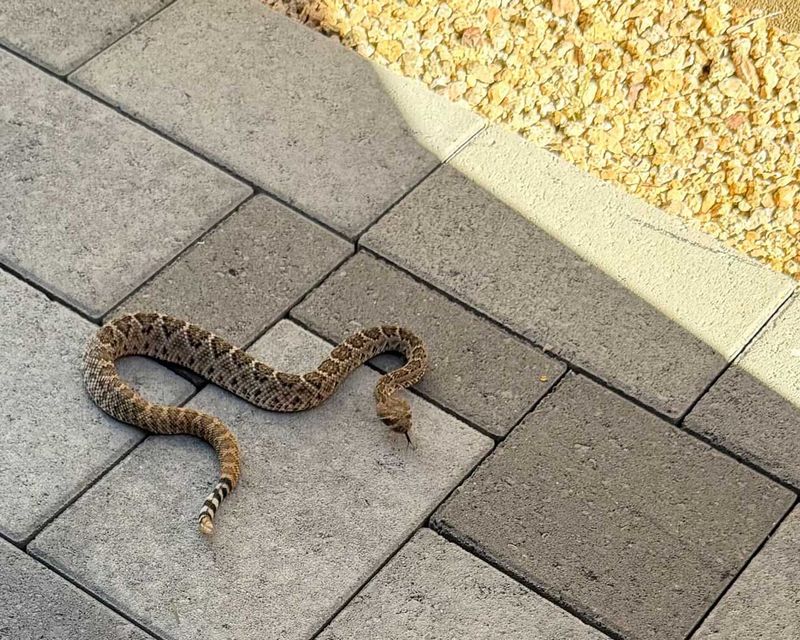
“I thought they hibernated!” That’s what a lot of new Arizonans say after spotting a rattlesnake sunbathing on the driveway in January. Western diamondbacks do brumate, which is a lighter form of winter rest, but warm afternoons wake them right up.
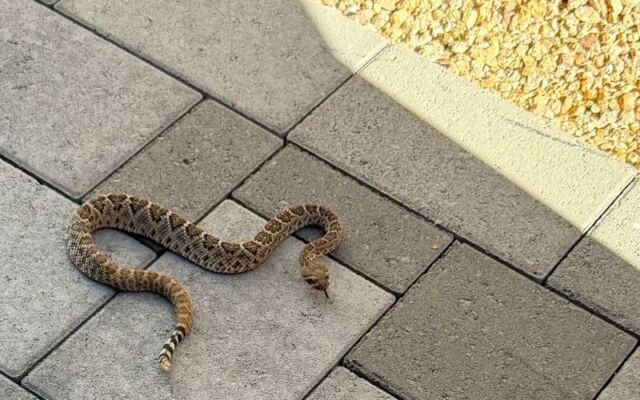
Recognize them by the diamond pattern down the back and the black-and-white banded tail just before the rattle. They’re responsible for most serious snakebites in the state.
Yet they’d much rather leave than fight.
On mild winter days, snakes may slide out to soak up heat from concrete and rocks. Keep woodpiles away from the house and use a flashlight at night.
If you see one, back away slowly and call a removal service rather than handling it yourself.
5. Mojave Rattlesnake

Some locals call it the “Mojave green,” thanks to its olive tint. It’s a small detail with big meaning, because this snake carries some of the most potent venom of any rattlesnake in the United States.
Certain Mojave populations have venom that affects the nervous system, not just tissue. That can make symptoms tricky at first, with a bite seeming mild before trouble starts.
Anyone bitten needs emergency care right away, no waiting to see.
Mojaves favor open desert and grassland, so homes on the edges of towns like Kingman or Tucson see them most. Telling them apart from diamondbacks is hard, even for experts.
Treat every rattlesnake like it could be a Mojave and give it plenty of space.
6. Giant Desert Centipede
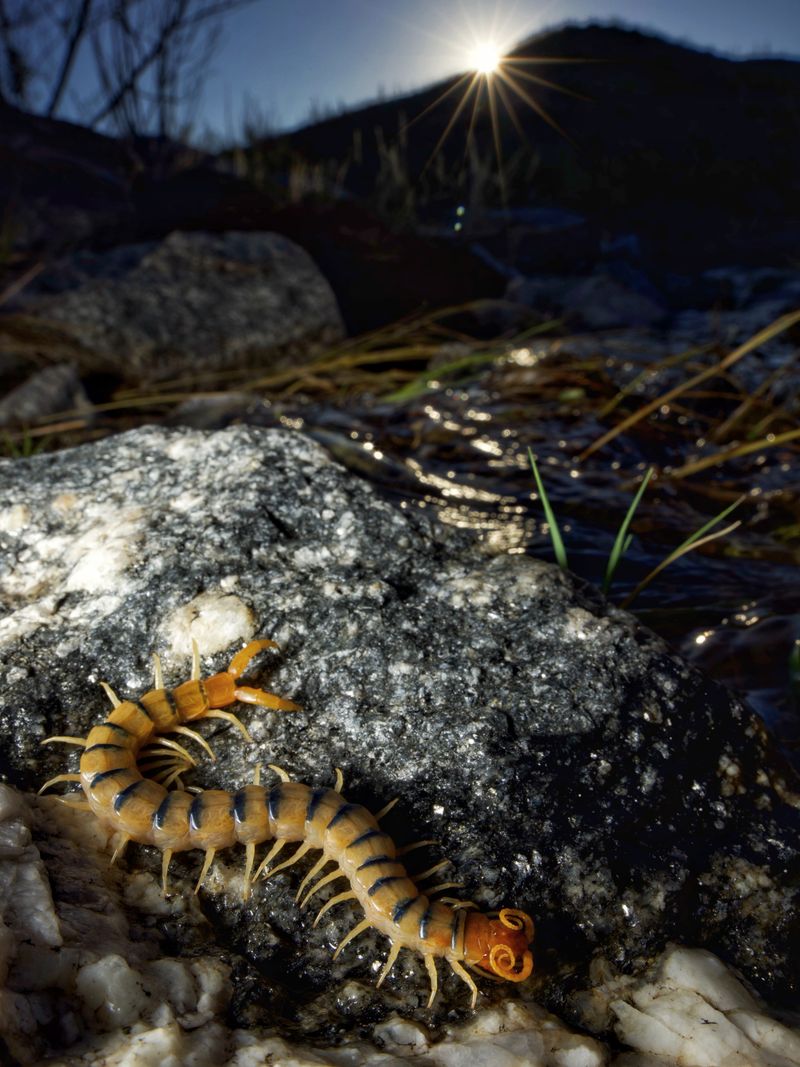
Picture walking into your kitchen at midnight and seeing something eight inches long, orange-bodied, with a black head, racing across the tile. Welcome to the giant desert centipede, one of the most startling houseguests in Arizona.
Each body segment carries a pair of legs, and the front pair works like fangs. A bite is very painful and can cause swelling, though it’s rarely dangerous for healthy adults.
Fun fact: these centipedes hunt mice, lizards, and even other venomous bugs.
Rain and cooler temperatures send them looking for damp shelter. Bathrooms, laundry rooms, and drains are favorite spots.
Fixing leaks and using dehumidifiers makes your home far less inviting.
7. Arizona Coral Snake
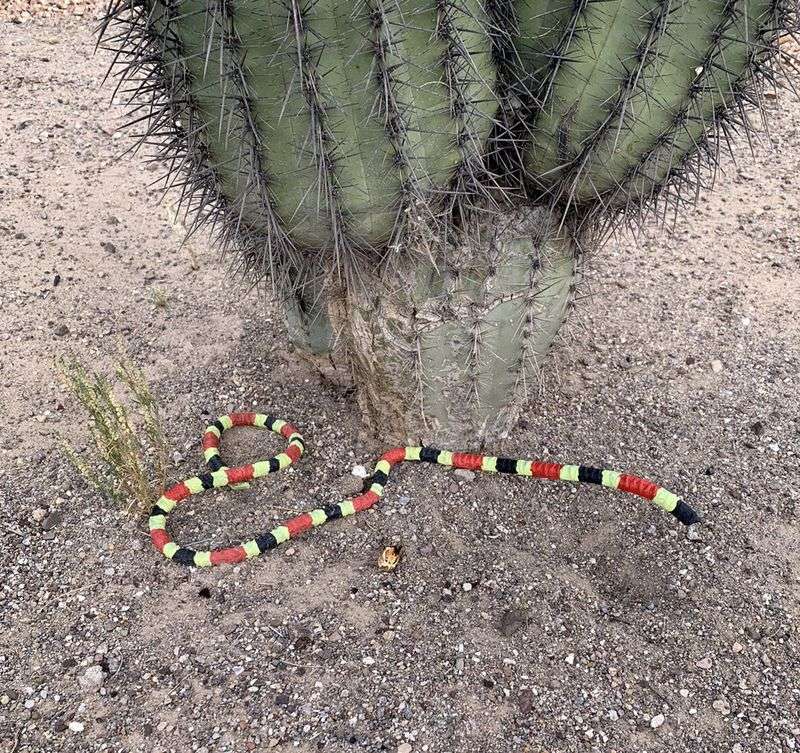
“Red touches yellow, kills a fellow.” The old rhyme gets passed around a lot, and in Arizona it actually holds up. The Arizona coral snake wears bright red, yellow, and black bands, and the red sits right next to the yellow.
At barely a foot or two long and pencil-thin, it’s easy to miss. It spends most of its time underground or beneath rocks.
When disturbed, it may tuck its head and wave its tail while making popping sounds from its rear end, which is as odd as it sounds.
No deaths from this species have ever been recorded, partly because its mouth is so small. Still, its venom is a strong nerve toxin.
Wear gloves when moving landscape rocks and pavers.
8. Gila Monster

Slow, chunky, and covered in pink and black bead-like scales, the Gila monster is one of only a few venomous lizards on Earth. It’s also protected by Arizona law, so harming one can land you a fine.
Gilas spend about 90 percent of their lives underground. Warm winter days or early spring may coax them out near homes bordering the desert.
They move like a sleepy grandpa, so they aren’t chasing anyone.
A bite is the real concern because Gilas clamp down and chew venom into the wound. Just keep your distance and let it wander off.
Did you know? A medicine for type 2 diabetes was developed from a compound found in Gila monster saliva.
Share this story