Get the latest garden guides in your inbox →
Gardening Latest
  • General Gardening
  • Lawn Care
  • Plant Care
  • Composting
  • Soil Health
  • Backyard
  • Garden Muse Magazine
  • General Gardening
  • Lawn Care
  • Plant Care
  • Composting
  • Soil Health
  • Backyard
  • Garden Muse Magazine
  • News
  • Gardening Calendar
  • Garden Structures
  • Vegetable Garden
  • Vertical Garden
  • Raised Beds
  • Hydroponics
  • General Equipment
  • Community Gardens
Garden Themes
  • Spiritual Garden
  • Hydroseeding
  • Seeding and Laying Sod
  • Artificial Grass
  • Lawn Care Equipment
  • Plants
  • Trees
  • Planting Tools
  • Composting Basics
  • Fertilizer
  • Alternative Growing Mediums
  • Front Yard
  • Backyard Activities
  • Landscaping
Gardening Latest

Explore by state

Which state is your garden in?

Currently viewing Pennsylvania

All states

Northeast

  • Connecticut —
  • Delaware 10
  • Maine —
  • Maryland 3
  • Massachusetts 12
  • New Hampshire —
  • New Jersey 3
  • New York 6
  • Pennsylvania 6
  • Rhode Island —
  • Vermont —

Southeast

  • Alabama 3
  • Arkansas —
  • Florida 3
  • Georgia 3
  • Kentucky 11
  • Louisiana 2
  • Mississippi —
  • North Carolina 1
  • South Carolina 10
  • Tennessee —
  • Virginia 2
  • West Virginia —

Midwest

  • Illinois 2
  • Indiana 4
  • Iowa 10
  • Kansas —
  • Michigan 3
  • Minnesota 2
  • Missouri 2
  • Nebraska —
  • North Dakota —
  • Ohio 3
  • South Dakota —
  • Wisconsin 11

Southwest

  • Arizona 3
  • Colorado —
  • Nevada —
  • New Mexico —
  • Oklahoma —
  • Texas 2
  • Utah —

West

  • Alaska —
  • California 3
  • Hawaii —
  • Idaho —
  • Montana —
  • Oregon —
  • Washington —
  • Wyoming —

No state matches that search.

Site menu

Gardening Latest
  • General Gardening
    • News
    • Gardening Calendar
    • Garden Structures
    • Vegetable Garden
    • Vertical Garden
    • Raised Beds
    • Hydroponics
    • General Equipment
    • Community Gardens
    Garden Themes
    • Spiritual Garden
  • Lawn Care
    • Hydroseeding
    • Seeding and Laying Sod
    • Artificial Grass
    • Lawn Care Equipment
  • Plant Care
    • Plants
    • Trees
    • Planting Tools
  • Composting
    • Composting Basics
  • Soil Health
    • Fertilizer
    • Alternative Growing Mediums
  • Backyard
    • Front Yard
    • Backyard Activities
    • Landscaping
  • Garden Muse Magazine

Explore

  • About GardeningLatest.com
  • Contact Us

Get the latest from the garden

New guides on lawn care, plants and backyard projects, sent when they go up.

Subscribe →

Follow

  • Facebook
  • X
  • Pinterest
  • YouTube
Pennsylvania Gardening

9 Things Pennsylvania Homeowners Do To Their Lawns In Fall That Show Up As Bare Patches In Spring

Every spring, Pennsylvania homeowners walk outside and find ugly brown spots where green grass used to be.

MY

By Martha Yoder

November 18, 2026 · 5 min read

9 Things Pennsylvania Homeowners Do To Their Lawns In Fall That Show Up As Bare Patches In Spring

Every spring, Pennsylvania homeowners walk outside and find ugly brown spots where green grass used to be. Most of the time, winter gets the blame.

The truth is that many of those bare patches started months earlier, with small choices made during fall yard work. Here are nine common fall habits that quietly set your lawn up for a rough spring, plus simple ways to fix them.

At a glance

Where
Pennsylvania Gardening
Hardiness zone
6 −10 to 0°F
Read
5 minutes
Published
November 18, 2026

1. Leaving Leaves to Mat Down All Winter
Leaving Leaves to Mat Down All Winter
© Farmers’ Almanac

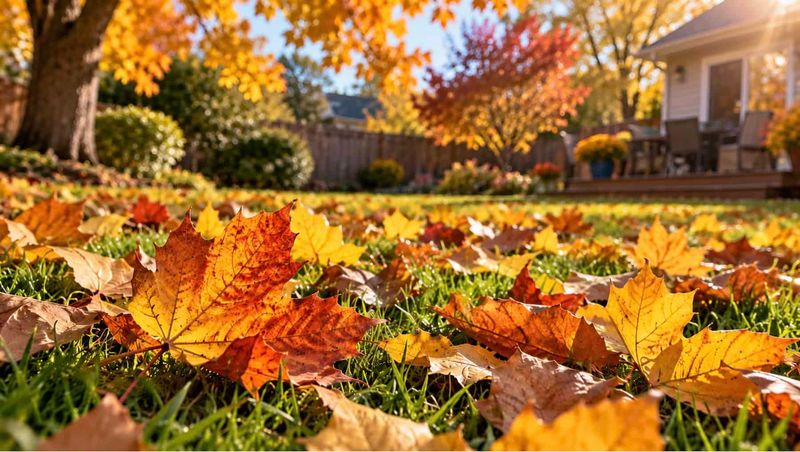
Picture a soggy blanket of oak leaves sitting on your grass from November to March. Underneath, the turf gets no sunlight, no airflow, and plenty of trapped moisture.

By spring, the grass below has often smothered and died.

Pennsylvania yards are packed with maples, oaks, and sycamores, so leaf drop here is heavy. A light scattering is fine, especially if you mulch it with your mower.

The trouble comes from thick layers that clump together after a few cold rains.

Try to rake or mulch leaves every week or two during peak season. If you can still see grass blades poking through after mowing over them, you are in good shape.

2. Cutting the Grass Too Short on the Last Mow
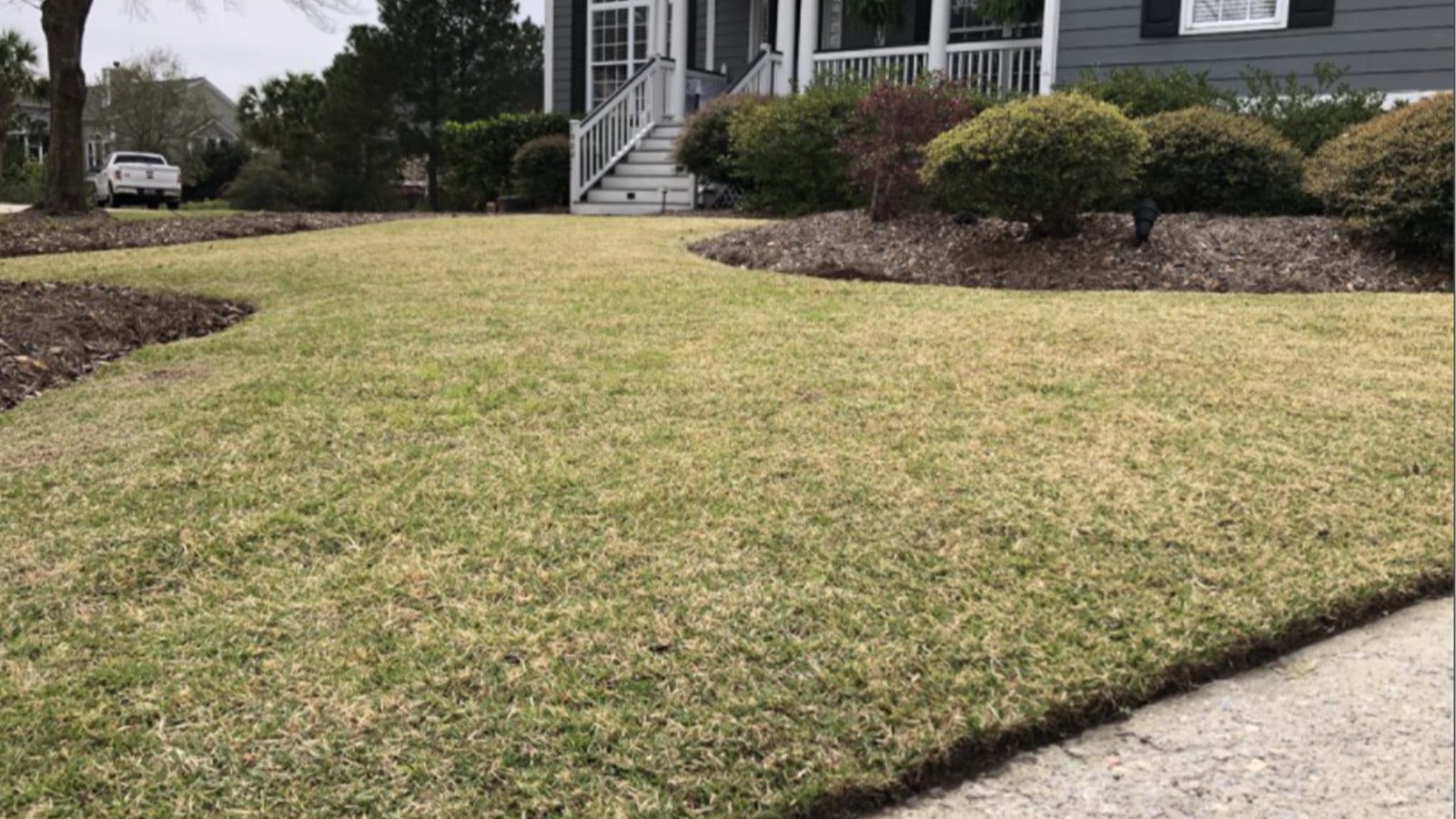
Cutting the Grass Too Short on the Last Mow
© Sod Solutions

Plenty of folks think a buzz cut before winter is the smart move. Fewer mowings next spring, right?

Sadly, scalping the lawn in fall leaves the crowns exposed to harsh freeze and thaw cycles.

Short grass also has smaller roots and stores less energy for winter. When March arrives, those weakened plants simply do not wake up.

You end up with thin, straw-colored spots that refuse to fill in.

For the final cut of the season, aim for about 2.5 to 3 inches for most cool-season grasses like tall fescue and Kentucky bluegrass. It feels a little shaggy, but your spring lawn will thank you.

3. Skipping Fall Fertilizer
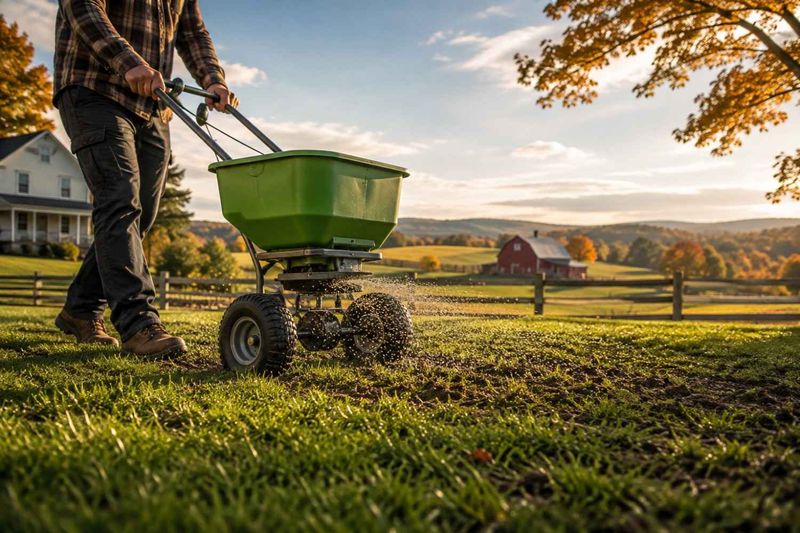
Skipping Fall Fertilizer
© Musser’s Lawn & Garden

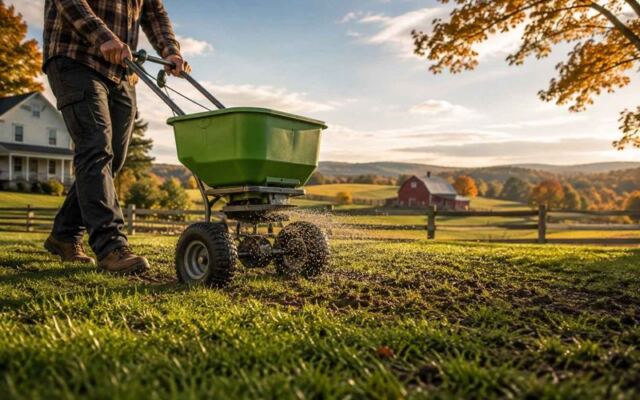
Here is a fun fact that surprises a lot of people: fall is the single most important feeding time for cool-season lawns. Penn State Extension has been saying it for years.

Yet many homeowners pack the spreader away after Labor Day.

Grass keeps growing roots in the cool weeks of fall, even after the top stops growing much. A feeding in September and another in late October or early November gives those roots fuel to store for winter.

Okay, technically this one starts in late fall, when people stock up on rock salt and plan where the snow will go.

Skip it, and the lawn enters spring hungry. Weak spots stay weak, and weeds jump at the chance to move in where grass should be.

4. Seeding Too Late in the Season
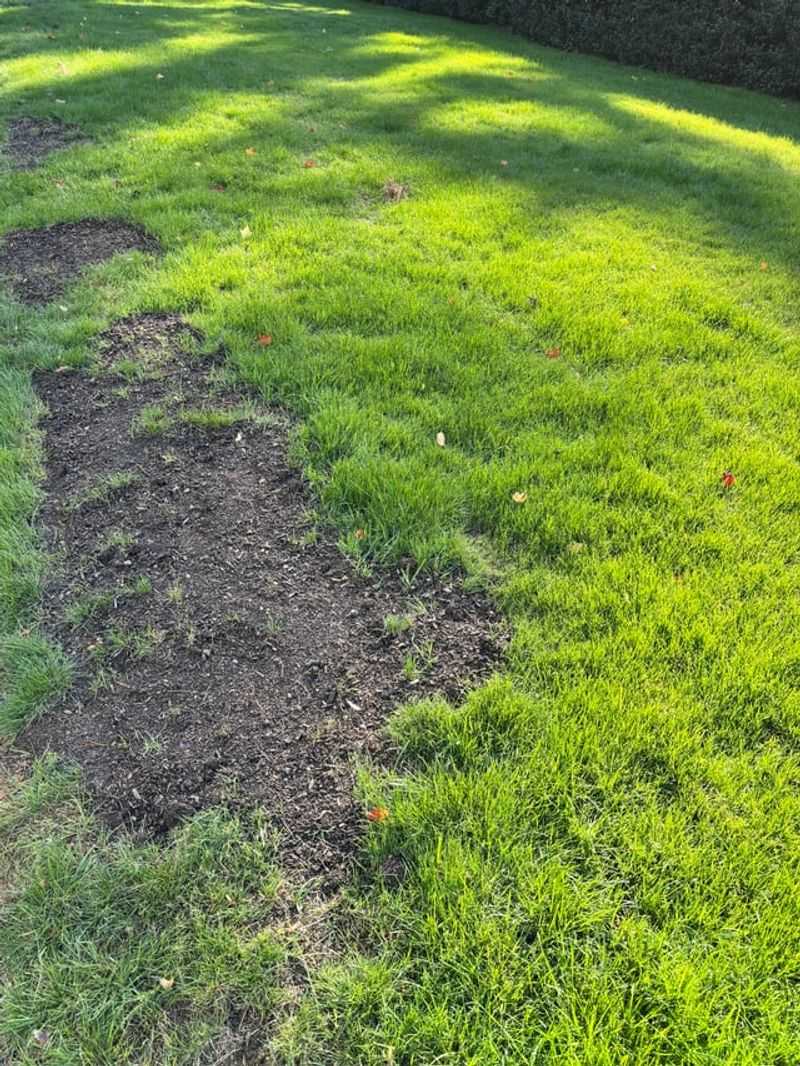
Seeding Too Late in the Season
© Reddit

Mid-November rolls around, you finally get to that thin spot, and you toss down some seed. It seems harmless.

But in Pennsylvania, that seed probably will not have time to root before the ground freezes.

Young sprouts that come up too late are tender and shallow. One hard frost or a heave of frozen soil can kill them or lift them right out of the ground.

The sweet spot for seeding here is roughly mid-August through late September, depending on whether you live up near Erie or down near Philadelphia. If you miss it, consider dormant seeding in deep winter instead, when the seed will just wait until spring to sprout.

5. Ignoring Compacted Soil
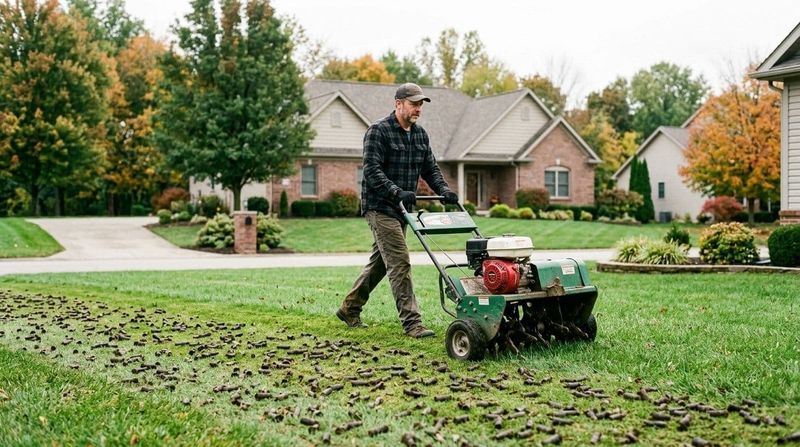
Ignoring Compacted Soil
© Colonial Classics

Ever notice the path the kids and dog wear from the back door to the swing set? That strip is packed hard as a sidewalk.

Much of Pennsylvania has heavy clay soil, which makes the problem even worse.

Compacted ground keeps water, air, and nutrients from reaching the roots. Grass in those areas struggles through fall and then gives up during winter stress.

Core aeration in early fall pulls out small plugs of soil and opens things up. It pairs nicely with overseeding, since seed falls into the holes and gets great contact with the soil.

6. Piling Snow and Salt Near the Lawn Edges
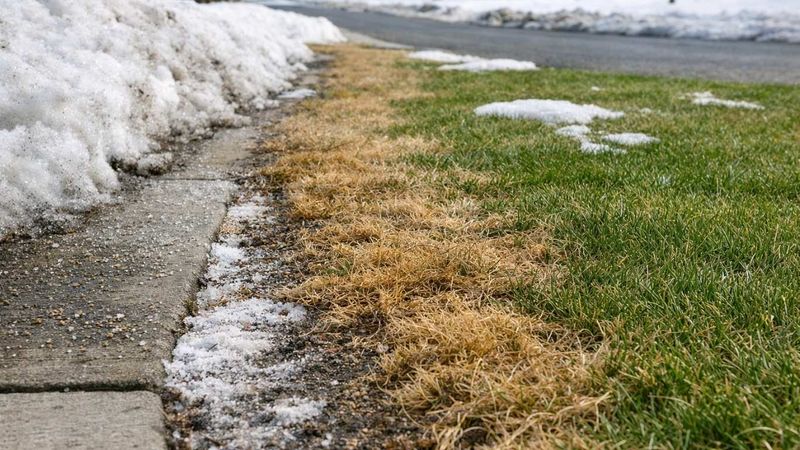
Piling Snow and Salt Near the Lawn Edges
© Caffrey Tree & Landscape

Okay, technically this one starts in late fall, when people stock up on rock salt and plan where the snow will go. Those plans matter more than you think.

Sodium chloride soaks into the soil along driveways and sidewalks. It pulls moisture away from grass roots and burns them.

Come April, you see a crispy brown strip right along the pavement.

Switch to a lawn-safer deicer like calcium magnesium acetate, use less, and shovel snow onto spots away from your best turf. A good soak with the hose in early spring can also flush some salt away.

7. Letting Grubs Go Unchecked
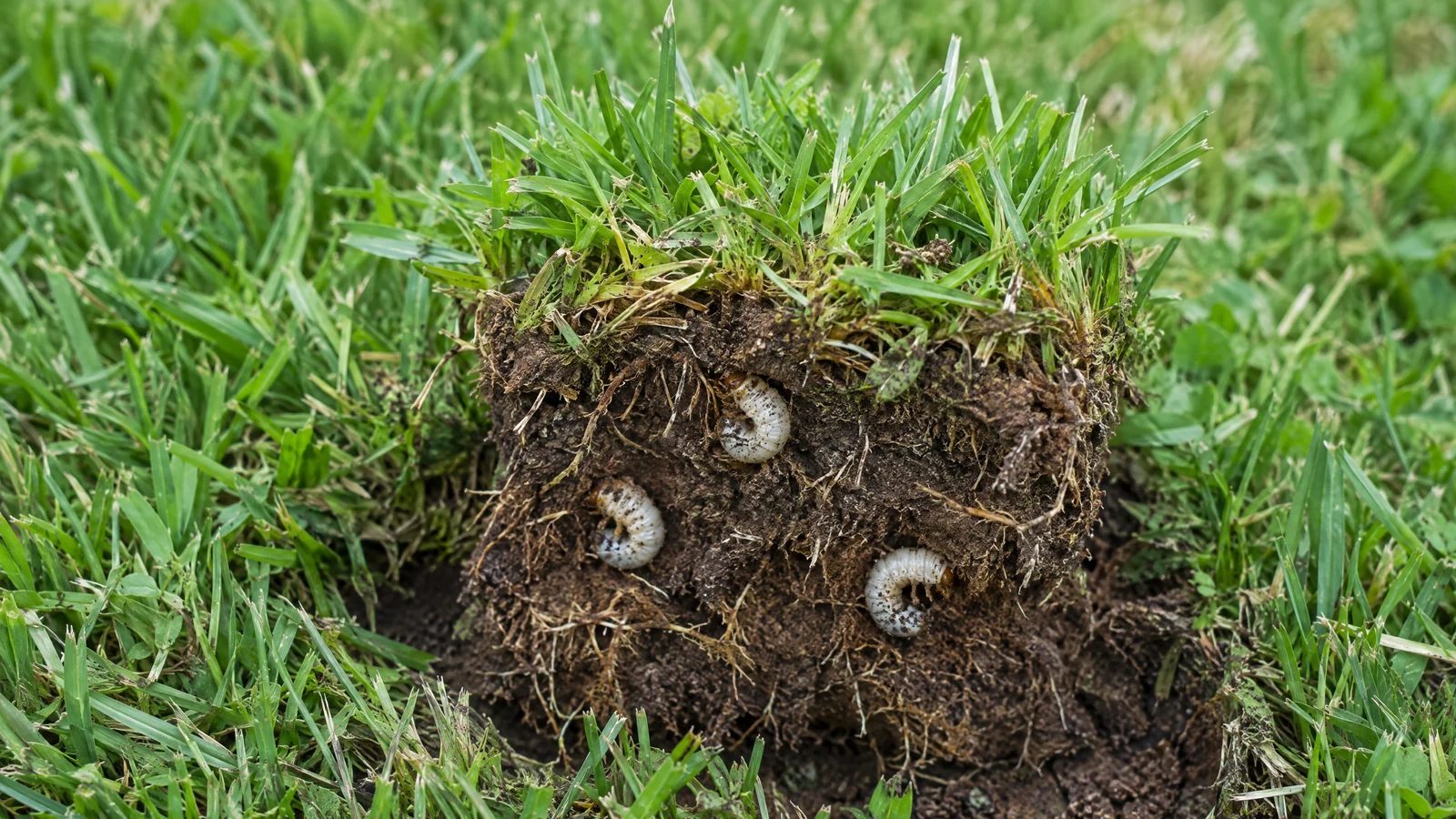
Letting Grubs Go Unchecked
© Vegalab

Did you know Japanese beetles first showed up in the United States in New Jersey in 1916, just a hop from Pennsylvania? Their larvae have been chewing on lawns in our area ever since.

In fall, those fat white grubs feed on grass roots before moving deeper for winter. The damage may look minor in October.

Then spring arrives, and the turf peels up like a loose rug.

Pull back a square foot of sod in a few spots. If you count more than about ten grubs, treatment is worth considering.

Skunks and raccoons digging in your yard are another big clue.

8. Leaving Furniture, Toys, and Hoses on the Grass
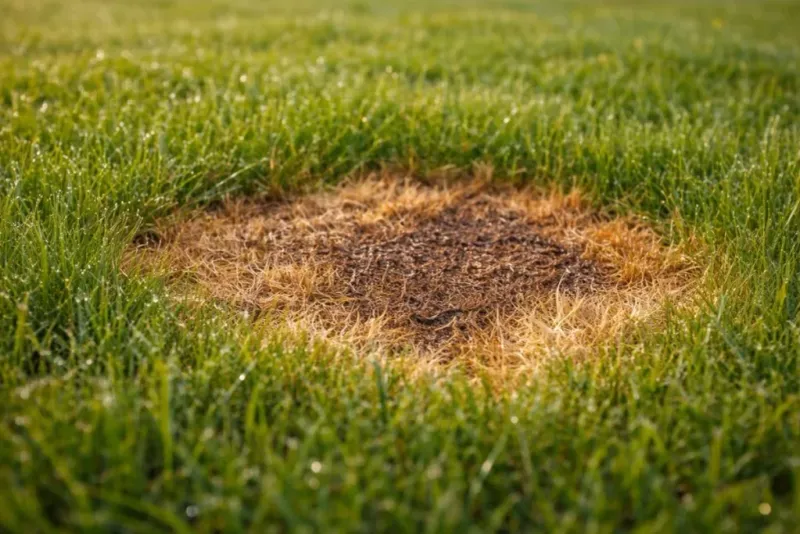
Leaving Furniture, Toys, and Hoses on the Grass
© LawnVista

That kiddie pool flipped upside down by the fence looked harmless in October. By March, it has left a perfect yellow circle behind.

Sound familiar?

Anything sitting on grass through winter blocks light and traps moisture. Trampolines, coiled hoses, firewood stacks, and patio furniture are common culprits.

Take an afternoon in fall to clear the yard. Store items in the shed or on a patio, and your lawn gets a full season of breathing room.

9. Stopping Watering Too Soon
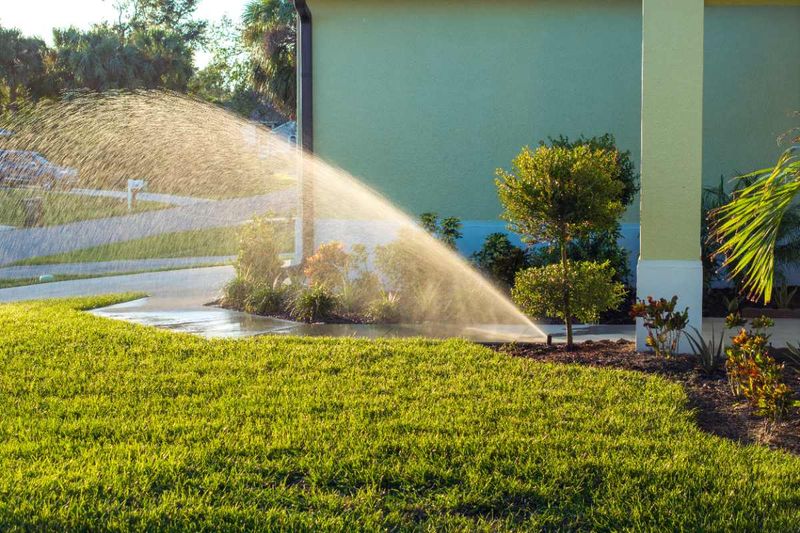
Stopping Watering Too Soon
© LawnStarter

Cooler air tricks a lot of us into thinking the lawn no longer needs water. Pennsylvania falls can be surprisingly dry, though, with weeks between good rains.

Grass going into winter thirsty is more likely to suffer from winter desiccation, a fancy way of saying it dries out and dies. New seed is especially at risk.

Keep an eye on rainfall through October. If your lawn gets less than about an inch a week, give it a deep drink until the ground starts to freeze, then disconnect and drain your hoses.

Share this story
MY

Written by

Martha Yoder

More from Martha Yoder →

About Gardening Latest

Gardening Latest provides in-depth guides to maintaining and enhancing your garden and backyard. Learn how to make the most of the space you have and create a beautiful garden.

More about us →

Latest stories

  • Wisconsin GardeningWisconsin Bars All Fertilizer on Frozen Turf, While Phosphorus Lawn Fertilizer Faces a Separate Restriction

    Wisconsin Bars All Fertilizer on Frozen Turf, While Phosphorus Lawn Fertilizer Faces a Separate Restriction

    26 min ago
  • Iowa GardeningHere’s What It Means When Iowa Rhubarb Shoots Up a Giant Flower Stalk, and Whether to Cut It Off

    Here’s What It Means When Iowa Rhubarb Shoots Up a Giant Flower Stalk, and Whether to Cut It Off

    27 min ago
  • Massachusetts GardeningWhat Winter Owl Hoots in Massachusetts Can and Cannot Tell You

    What Winter Owl Hoots in Massachusetts Can and Cannot Tell You

    1 hr ago
  • Delaware GardeningHow Delaware Gardeners Can Winterize a Rain Barrel Before Freezing Weather

    How Delaware Gardeners Can Winterize a Rain Barrel Before Freezing Weather

    1 hr ago
  • Kentucky GardeningDo This To Your Outdoor Faucets Before A Hard Kentucky Freeze Splits The Pipe Inside Your Wall

    Do This To Your Outdoor Faucets Before A Hard Kentucky Freeze Splits The Pipe Inside Your Wall

    1 hr ago

Gardening by state

Stories for your state, and the hardiness zone most of it gardens in.

Keep exploring

Read next

All Pennsylvania Gardening →
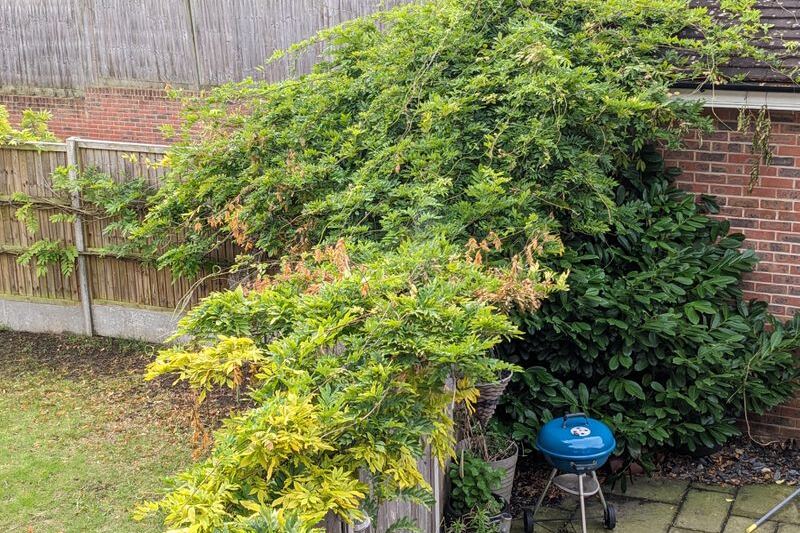
Pennsylvania GardeningCan You Cut Your Neighbor’s Vines Hanging Over The Fence? Here’s What Pennsylvania Law Says
Pennsylvania Gardening

Can You Cut Your Neighbor’s Vines Hanging Over The Fence? Here’s What Pennsylvania Law Says

1 hr ago
Pennsylvania GardeningThose Fallen Pine Needles In Your Pennsylvania Yard Are Better Mulch Than You Think
Pennsylvania Gardening

Those Fallen Pine Needles In Your Pennsylvania Yard Are Better Mulch Than You Think

21 hr ago
Pennsylvania GardeningStink Bugs in Your Pennsylvania Home: Remove Them Now, Seal Before Next Fall
Pennsylvania Gardening

Stink Bugs in Your Pennsylvania Home: Remove Them Now, Seal Before Next Fall

Yesterday

More from Pennsylvania Gardening

  • What Winter Owl Hoots in Massachusetts Can and Cannot Tell You

    1 hr ago
  • How Delaware Gardeners Can Winterize a Rain Barrel Before Freezing Weather

    1 hr ago
Back to top

Leave a response Cancel

Your email address stays private. Required fields are marked with an asterisk.

Gardening Latest

In-depth guides to maintaining and enhancing your garden and backyard: how to make the most of the space you have, and how to make it beautiful.

  • Facebook
  • X
  • Pinterest
  • YouTube

We may earn a portion of sales from products or services that are purchased through our site as part of our affiliate partnerships with retailers.

Explore

  • About GardeningLatest.com
  • Contact Us
  • Terms and Conditions
  • Privacy
  • Editorial Note:
  • FTC Disclosure

Newsletter

New garden guides and seasonal tips, straight to your inbox.

We’ll email you a link to confirm. Unsubscribe any time.

Almost there! Check your inbox and tap the link to confirm.

© 2026 Gardening Latest. All rights reserved.

Back to top