Get the latest garden guides in your inbox →
Gardening Latest
  • General Gardening
  • Lawn Care
  • Plant Care
  • Composting
  • Soil Health
  • Backyard
  • Garden Muse Magazine
  • General Gardening
  • Lawn Care
  • Plant Care
  • Composting
  • Soil Health
  • Backyard
  • Garden Muse Magazine
  • News
  • Gardening Calendar
  • Garden Structures
  • Vegetable Garden
  • Vertical Garden
  • Raised Beds
  • Hydroponics
  • General Equipment
  • Community Gardens
Garden Themes
  • Spiritual Garden
  • Hydroseeding
  • Seeding and Laying Sod
  • Artificial Grass
  • Lawn Care Equipment
  • Plants
  • Trees
  • Planting Tools
  • Composting Basics
  • Fertilizer
  • Alternative Growing Mediums
  • Front Yard
  • Backyard Activities
  • Landscaping
Gardening Latest

Explore by state

Which state is your garden in?

Currently viewing Virginia

All states

Northeast

  • Connecticut —
  • Delaware 36
  • Maine —
  • Maryland 22
  • Massachusetts 39
  • New Hampshire —
  • New Jersey 22
  • New York 32
  • Pennsylvania 32
  • Rhode Island —
  • Vermont —

Southeast

  • Alabama 22
  • Arkansas —
  • Florida 22
  • Georgia 23
  • Kentucky 36
  • Louisiana 21
  • Mississippi —
  • North Carolina 21
  • South Carolina 35
  • Tennessee 19
  • Virginia 21
  • West Virginia —

Midwest

  • Illinois 21
  • Indiana 24
  • Iowa 35
  • Kansas —
  • Michigan 23
  • Minnesota 21
  • Missouri 21
  • Nebraska —
  • North Dakota —
  • Ohio 23
  • South Dakota —
  • Wisconsin 37

Southwest

  • Arizona 22
  • Colorado —
  • Nevada —
  • New Mexico —
  • Oklahoma —
  • Texas 21
  • Utah —

West

  • Alaska —
  • California 22
  • Hawaii —
  • Idaho —
  • Montana —
  • Oregon —
  • Washington —
  • Wyoming —

No state matches that search.

Site menu

Gardening Latest
  • General Gardening
    • News
    • Gardening Calendar
    • Garden Structures
    • Vegetable Garden
    • Vertical Garden
    • Raised Beds
    • Hydroponics
    • General Equipment
    • Community Gardens
    Garden Themes
    • Spiritual Garden
  • Lawn Care
    • Hydroseeding
    • Seeding and Laying Sod
    • Artificial Grass
    • Lawn Care Equipment
  • Plant Care
    • Plants
    • Trees
    • Planting Tools
  • Composting
    • Composting Basics
  • Soil Health
    • Fertilizer
    • Alternative Growing Mediums
  • Backyard
    • Front Yard
    • Backyard Activities
    • Landscaping
  • Garden Muse Magazine

Explore

  • About GardeningLatest.com
  • Contact Us

Get the latest from the garden

New guides on lawn care, plants and backyard projects, sent when they go up.

Subscribe →

Follow

  • Facebook
  • X
  • Pinterest
  • YouTube
Virginia Gardening

9 Virginia Trees That Burn Hottest In Your Woodstove This Winter, And Which Ones Smoke

Not all firewood is created equal, and your woodstove knows it. Some Virginia trees throw off steady, roaring heat all…

CW

By Caroline Whitfield

November 26, 2026 · 4 min read

9 Virginia Trees That Burn Hottest In Your Woodstove This Winter, And Which Ones Smoke

Not all firewood is created equal, and your woodstove knows it. Some Virginia trees throw off steady, roaring heat all night, while others hiss, pop, and fill your chimney with smoke.

Picking the right wood can save you money, keep your house warmer, and lower the risk of a chimney fire. Here are nine common trees from the Blue Ridge to the Tidewater, ranked by how hot they burn and how clean they stay.

At a glance

Where
Virginia Gardening
Hardiness zone
7 0 to 10°F
Read
4 minutes
Published
November 26, 2026

1. Black Locust

Black Locust
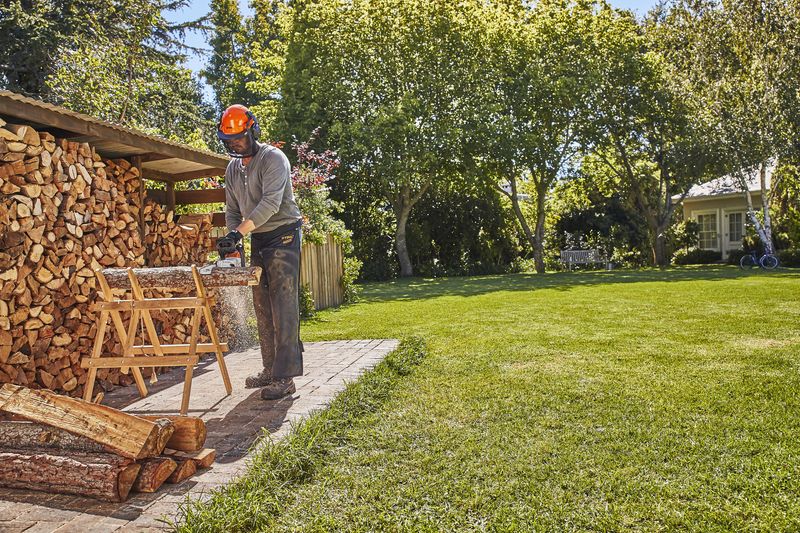
© Stihl

Old Virginia farmers used black locust for fence posts because it refused to rot for decades. That same toughness makes it a monster in the firebox, with roughly 27 million BTUs per cord, close to what you get from coal.

Once seasoned for a year, locust burns long, hot, and surprisingly clean. Smoke is minimal, though it can spark a bit, so keep the stove door closed.

The catch? Locust is hard to split and the thorny branches will bite you.

Wear good gloves and use a maul, and you will be rewarded with the best heat in the Commonwealth.

2. Shagbark Hickory
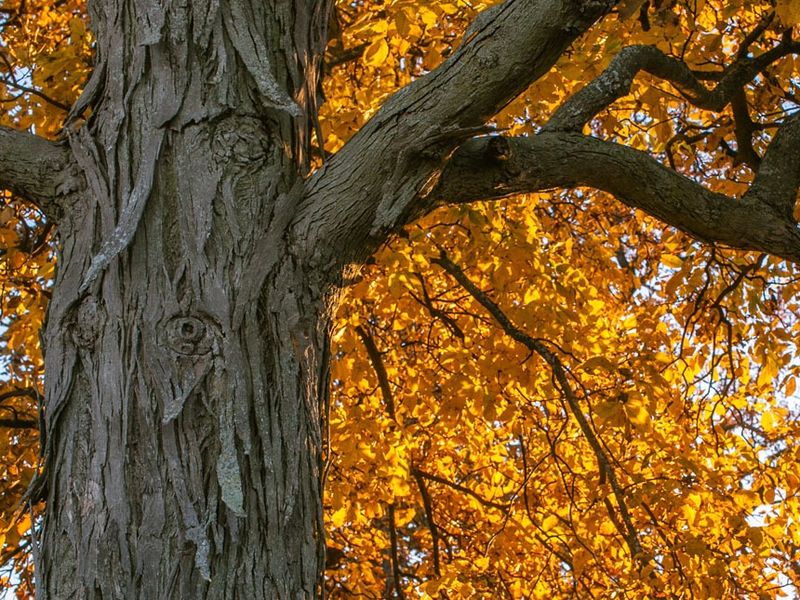
Shagbark Hickory
© Timber Gadgets

Ever wonder why barbecue pitmasters love hickory? It’s dense, packed with energy, and smells amazing when it burns.

Shagbark and its cousins like mockernut deliver around 25 to 27 million BTUs per cord. Coals hang around for hours, so you can load the stove at bedtime and still find glowing embers at sunrise.

Well-seasoned hickory produces very little smoke. Give it at least 12 to 18 months under cover, because green hickory is heavy with water and will smolder instead of blaze.

3. White Oak
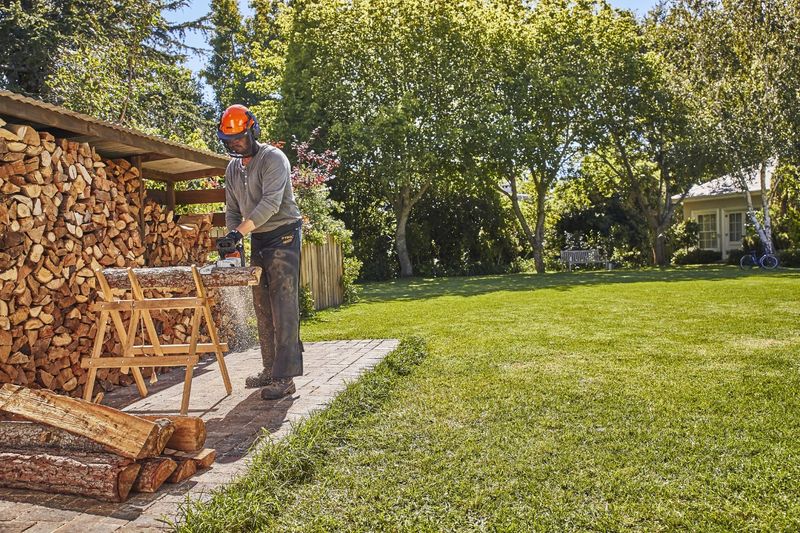
White Oak
© Stihl

Patience is the price of admission with white oak. Split it this spring, and it might be ready by winter after next.

The wait is worth it. White oak gives off about 25 million BTUs per cord and burns slow and steady, making it the backbone of many Virginia woodpiles.

The silver lining is a lot of standing dead wood that’s already half dried.

Burned too early, though, oak will sizzle, smoke, and coat your flue with creosote. Check the ends for deep cracks and listen for a hollow clunk when two pieces knock together before tossing it in.

4. Red Oak
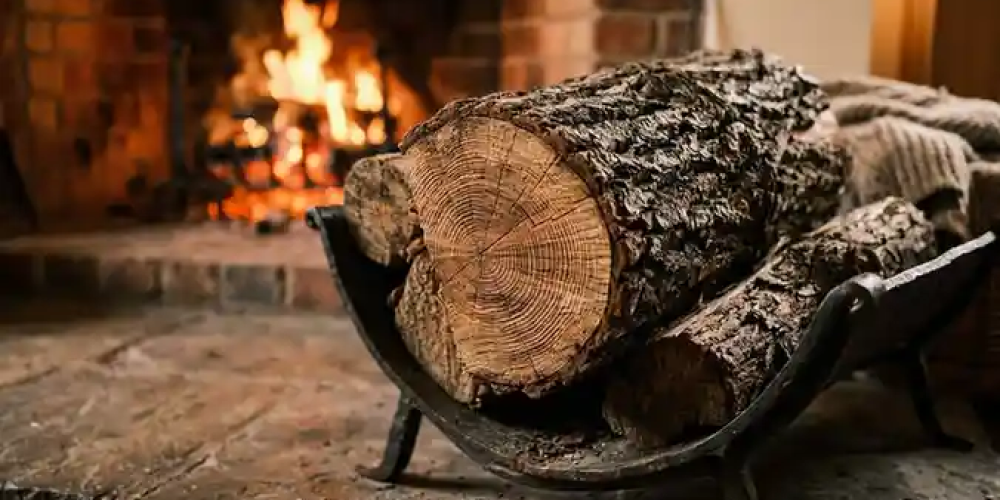
Red Oak
© Kiln dried firewood

Red oak is everywhere in Virginia, which is exactly why so many people burn it. Roughly 24 million BTUs per cord puts it right behind its white cousin.

Here’s a fun trick: red oak is so porous you can blow bubbles through the end of a dry piece with dish soap. Those open pores help it dry a little faster than white oak.

Still, give it a full year or more. Underseasoned red oak is one of the smokiest woods you can burn, and it tends to leave a sour smell in the house.

5. Sugar Maple
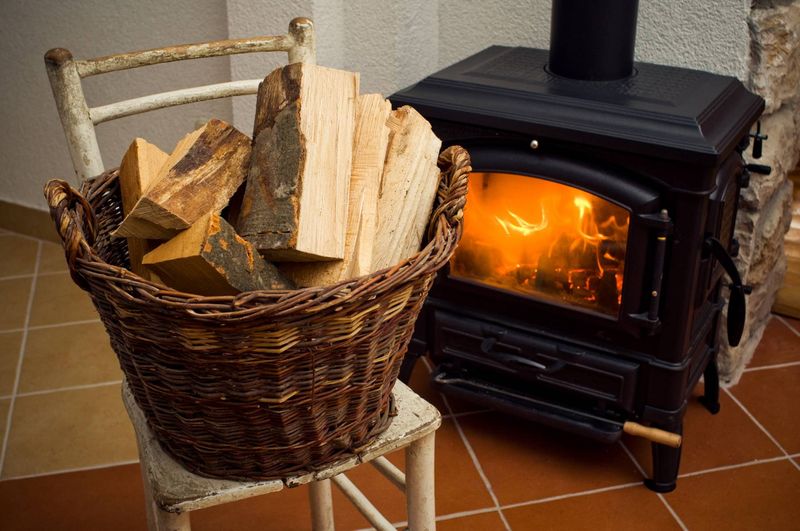
Sugar Maple
© Mother Earth News

Up in Highland County, folks tap sugar maples for syrup every March. When an old tree finally comes down, it heads straight to the woodpile.

Hard maple burns hot, around 24 million BTUs per cord, and catches easily. It splits cleanly too, which your back will appreciate.

Smoke stays low once it’s dry, usually after about a year. The flame is bright and cheerful, great for watching through the stove glass on a snowy evening.

6. White Ash
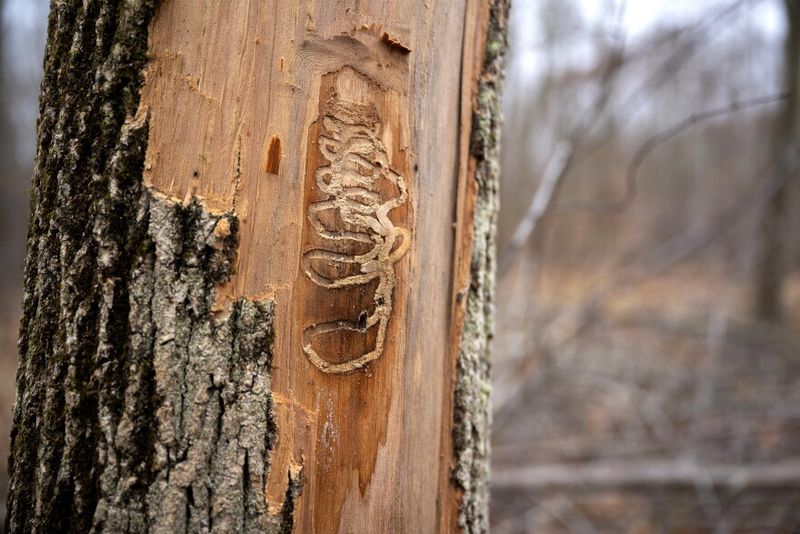
White Ash
© NEPM

Sadly, the emerald ash borer has killed countless ash trees across Virginia. The silver lining is a lot of standing dead wood that’s already half dried.

Ash is the rare wood you can burn with less seasoning, since its moisture content starts low. It puts out about 20 to 24 million BTUs per cord with a clean, steady flame and very little smoke.

One caution: don’t haul ash firewood to other counties. Buy and burn local to keep the borer from spreading further.

7. Black Cherry
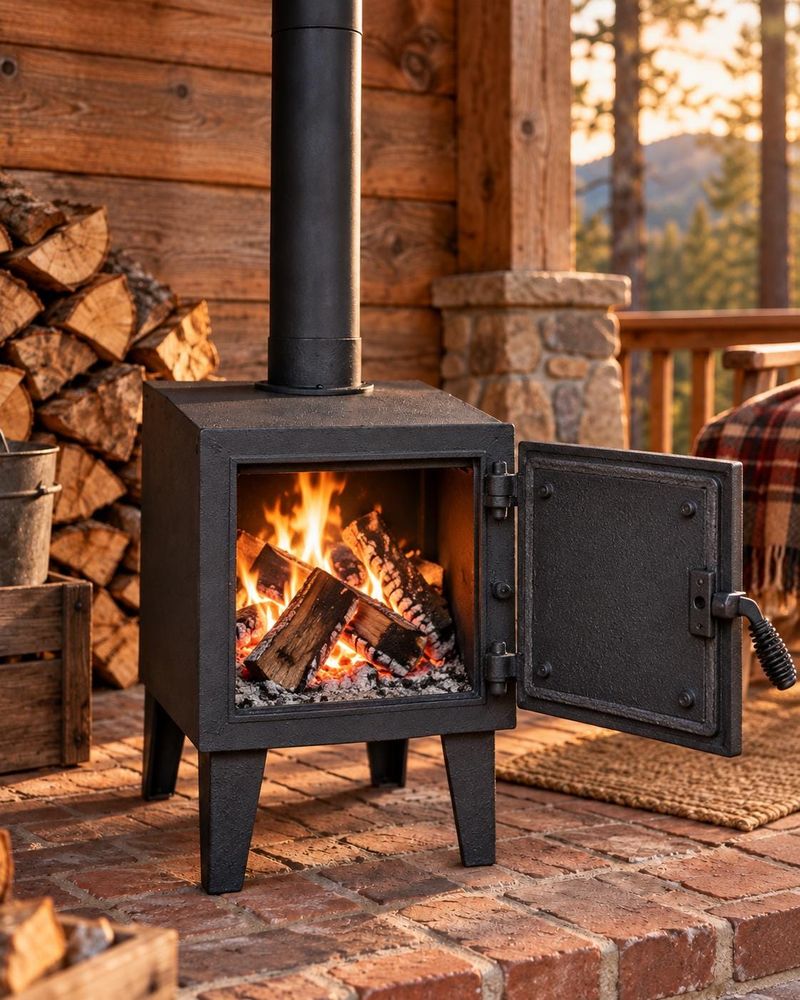
Black Cherry
© Etsy

Close your eyes and you might think someone is baking a pie. Black cherry fills the room with a sweet, fruity scent when it burns.

Heat-wise it’s middle of the road, around 20 million BTUs per cord. That makes it a great shoulder-season wood for chilly October nights when oak would overheat the house.

Dry cherry burns with little smoke and few sparks. Mix it with hickory or oak in the dead of winter for both warmth and that cozy smell.

8. Tulip Poplar
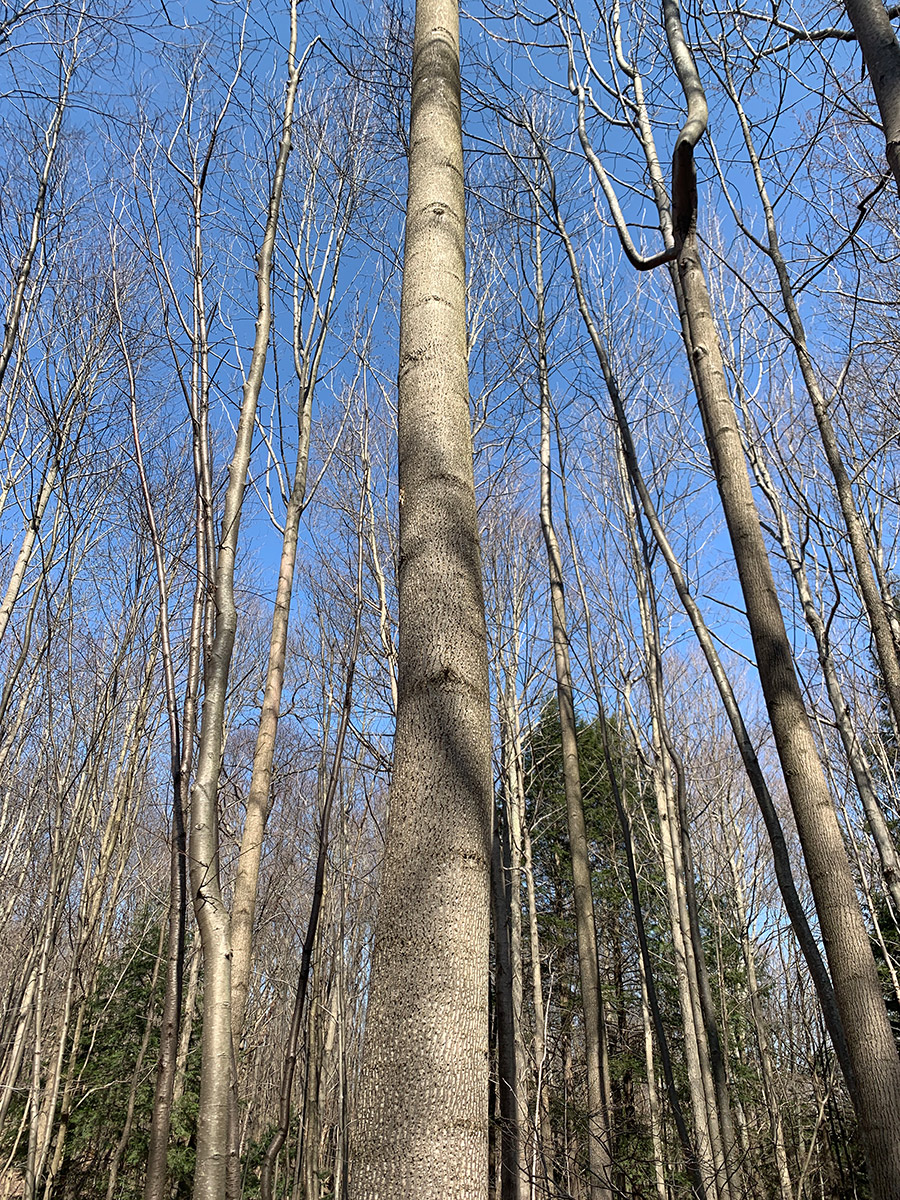
Tulip Poplar
© The Druids Garden

Virginia’s tallest hardwood is a lightweight in the firebox. Tulip poplar offers only about 15 to 16 million BTUs per cord, so it burns fast and leaves few coals.

That doesn’t make it useless. It lights quickly and dries in just a few months, which makes it great kindling or a fire starter for heavier wood.

Burned wet, however, poplar smokes and leaves a mess of soot. Keep it dry and use it to get things going, not to carry you through the night.

9. Eastern White Pine and Virginia Pine
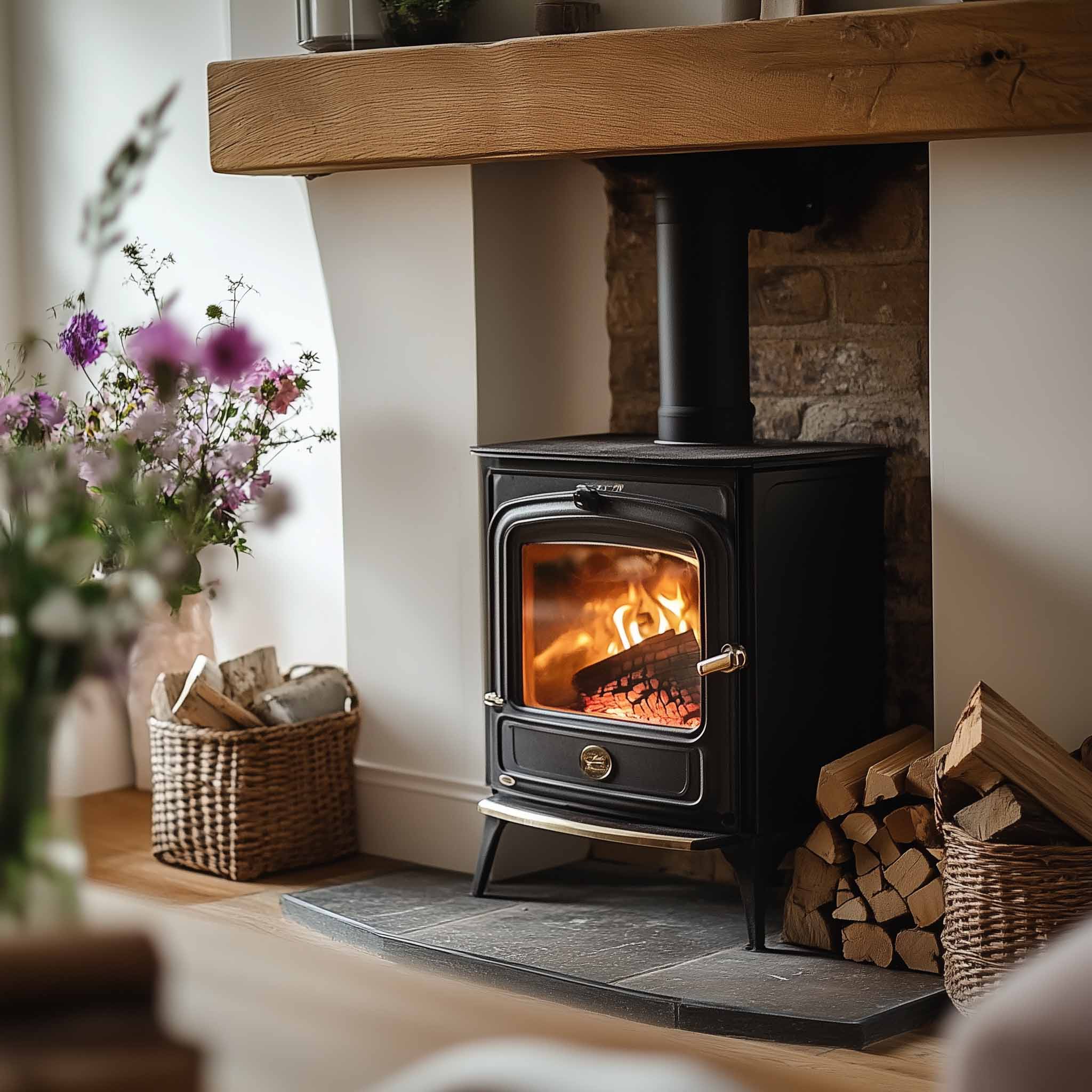
Eastern White Pine and Virginia Pine
© Firewood Fund

Pine gets a bad reputation, and some of it is earned. Sap-heavy Virginia pine and white pine burn fast, crackle, pop, and throw off the most smoke of any tree on this list.

The real danger is creosote. Burning a lot of pitchy, poorly dried pine coats your chimney with tar that can ignite into a dangerous chimney fire.

Fully seasoned pine is fine in small amounts for kindling. Just sweep your chimney every year, and save the hardwoods for the long, cold nights ahead.

Share this story
CW

Written by

Caroline Whitfield

More from Caroline Whitfield →

About Gardening Latest

Gardening Latest provides in-depth guides to maintaining and enhancing your garden and backyard. Learn how to make the most of the space you have and create a beautiful garden.

More about us →

Latest stories

  • North Carolina GardeningNorth Carolina Yuccas Pour Everything Into That Giant Flower Stalk, So Here’s When Cutting It Off Makes Sense

    North Carolina Yuccas Pour Everything Into That Giant Flower Stalk, So Here’s When Cutting It Off Makes Sense

    4 min ago
  • Michigan GardeningWhy Pavement Ants Pile Up Fresh Hills in Michigan Lawns Right After It Rains

    Why Pavement Ants Pile Up Fresh Hills in Michigan Lawns Right After It Rains

    9 min ago
  • Massachusetts GardeningRaking Leaves in Massachusetts? Here’s What We Know About the Northern Short-Tailed Shrew’s Venom

    Raking Leaves in Massachusetts? Here’s What We Know About the Northern Short-Tailed Shrew’s Venom

    14 min ago
  • California GardeningPull One Seedling and More Pop Up: This Invasive Tree Is Spreading Through California Neighborhoods

    Pull One Seedling and More Pop Up: This Invasive Tree Is Spreading Through California Neighborhoods

    19 min ago
  • New York GardeningThe Glossy Nuts New York Children Gather Every Fall Are Actually Poisonous

    The Glossy Nuts New York Children Gather Every Fall Are Actually Poisonous

    24 min ago

Gardening by state

Stories for your state, and the hardiness zone most of it gardens in.

Keep exploring

Read next

All Virginia Gardening →
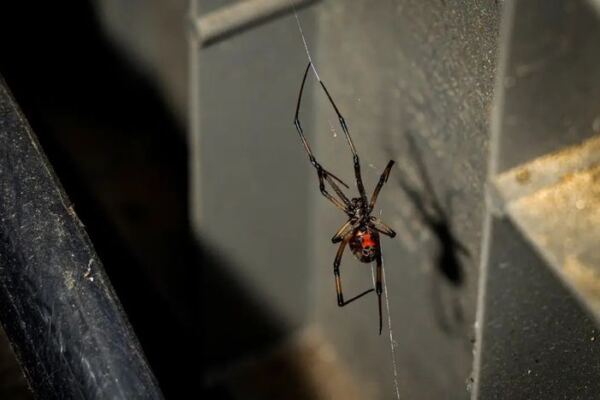
Virginia GardeningBefore You Stack Firewood In Your Virginia Garage, Check Corners For Black Widow Egg Sacs
Virginia Gardening

Before You Stack Firewood In Your Virginia Garage, Check Corners For Black Widow Egg Sacs

5 hr ago
Virginia GardeningThe Bug Wearing A Tiny Cogwheel On Its Back Packs One Of Virginia’s Worst Bites
Virginia Gardening

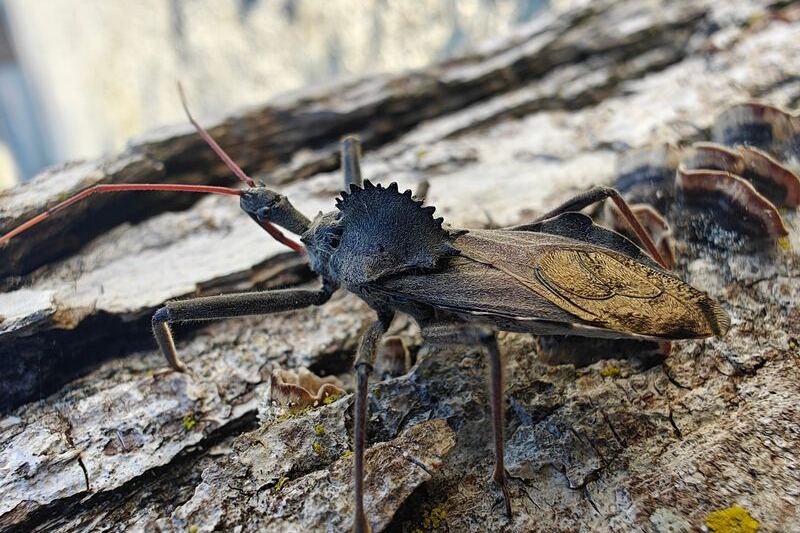
The Bug Wearing A Tiny Cogwheel On Its Back Packs One Of Virginia’s Worst Bites

8 hr ago
Virginia GardeningEveryone Hates Pokeweed’s Purple Berries, But Old Virginia Cooks Prized Its Spring Leaves
Virginia Gardening

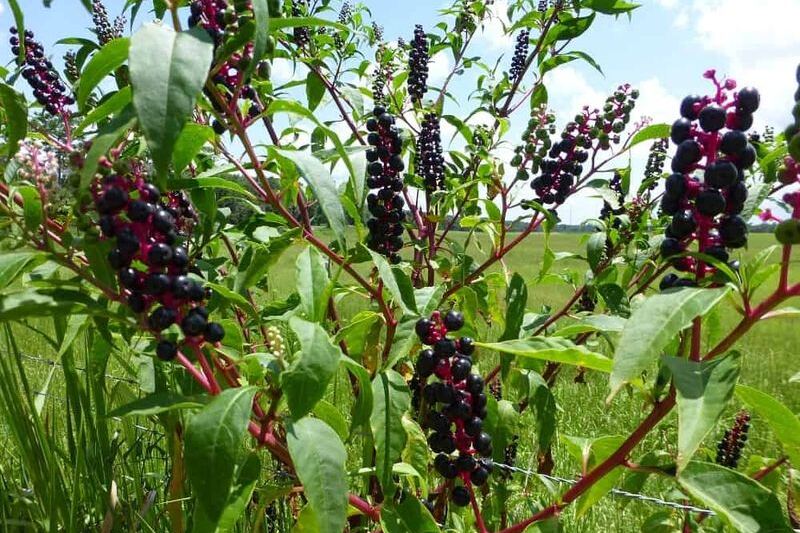
Everyone Hates Pokeweed’s Purple Berries, But Old Virginia Cooks Prized Its Spring Leaves

23 hr ago

More from Virginia Gardening

  • That Bloodcurdling Scream Outside Your Virginia Window At Night Isn’t What You Think

    Nov 24
  • 9 Protected Animals Virginia Homeowners Aren’t Allowed To Remove On Their Own

    Nov 24
Back to top

Leave a response Cancel

Your email address stays private. Required fields are marked with an asterisk.

Gardening Latest

In-depth guides to maintaining and enhancing your garden and backyard: how to make the most of the space you have, and how to make it beautiful.

  • Facebook
  • X
  • Pinterest
  • YouTube

We may earn a portion of sales from products or services that are purchased through our site as part of our affiliate partnerships with retailers.

Explore

  • About GardeningLatest.com
  • Contact Us
  • Terms and Conditions
  • Privacy
  • Editorial Note:
  • FTC Disclosure

Newsletter

New garden guides and seasonal tips, straight to your inbox.

We’ll email you a link to confirm. Unsubscribe any time.

Almost there! Check your inbox and tap the link to confirm.

© 2026 Gardening Latest. All rights reserved.

Back to top