Get the latest garden guides in your inbox →
Gardening Latest
  • General Gardening
  • Lawn Care
  • Plant Care
  • Composting
  • Soil Health
  • Backyard
  • Garden Muse Magazine
  • General Gardening
  • Lawn Care
  • Plant Care
  • Composting
  • Soil Health
  • Backyard
  • Garden Muse Magazine
  • News
  • Gardening Calendar
  • Garden Structures
  • Vegetable Garden
  • Vertical Garden
  • Raised Beds
  • Hydroponics
  • General Equipment
  • Community Gardens
Garden Themes
  • Spiritual Garden
  • Hydroseeding
  • Seeding and Laying Sod
  • Artificial Grass
  • Lawn Care Equipment
  • Plants
  • Trees
  • Planting Tools
  • Composting Basics
  • Fertilizer
  • Alternative Growing Mediums
  • Front Yard
  • Backyard Activities
  • Landscaping
Gardening Latest

Explore by state

Which state is your garden in?

Currently viewing Virginia

All states

Northeast

  • Connecticut —
  • Delaware 34
  • Maine —
  • Maryland 21
  • Massachusetts 37
  • New Hampshire —
  • New Jersey 21
  • New York 30
  • Pennsylvania 30
  • Rhode Island —
  • Vermont —

Southeast

  • Alabama 20
  • Arkansas —
  • Florida 21
  • Georgia 21
  • Kentucky 35
  • Louisiana 19
  • Mississippi —
  • North Carolina 19
  • South Carolina 33
  • Tennessee 17
  • Virginia 20
  • West Virginia —

Midwest

  • Illinois 19
  • Indiana 22
  • Iowa 34
  • Kansas —
  • Michigan 21
  • Minnesota 19
  • Missouri 19
  • Nebraska —
  • North Dakota —
  • Ohio 21
  • South Dakota —
  • Wisconsin 35

Southwest

  • Arizona 20
  • Colorado —
  • Nevada —
  • New Mexico —
  • Oklahoma —
  • Texas 19
  • Utah —

West

  • Alaska —
  • California 20
  • Hawaii —
  • Idaho —
  • Montana —
  • Oregon —
  • Washington —
  • Wyoming —

No state matches that search.

Site menu

Gardening Latest
  • General Gardening
    • News
    • Gardening Calendar
    • Garden Structures
    • Vegetable Garden
    • Vertical Garden
    • Raised Beds
    • Hydroponics
    • General Equipment
    • Community Gardens
    Garden Themes
    • Spiritual Garden
  • Lawn Care
    • Hydroseeding
    • Seeding and Laying Sod
    • Artificial Grass
    • Lawn Care Equipment
  • Plant Care
    • Plants
    • Trees
    • Planting Tools
  • Composting
    • Composting Basics
  • Soil Health
    • Fertilizer
    • Alternative Growing Mediums
  • Backyard
    • Front Yard
    • Backyard Activities
    • Landscaping
  • Garden Muse Magazine

Explore

  • About GardeningLatest.com
  • Contact Us

Get the latest from the garden

New guides on lawn care, plants and backyard projects, sent when they go up.

Subscribe →

Follow

  • Facebook
  • X
  • Pinterest
  • YouTube
Virginia Gardening

Before You Stack Firewood In Your Virginia Garage, Check Corners For Black Widow Egg Sacs

Before you stack firewood in your garage, take a minute to look over the corners and any gaps you can see.

CW

By Caroline Whitfield

November 26, 2026 · 6 min read

Before You Stack Firewood In Your Virginia Garage, Check Corners For Black Widow Egg Sacs

Before you stack firewood in your garage, take a minute to look over the corners and any gaps you can see. Black widows live in Virginia, and woodpiles are the kind of quiet, undisturbed spot they like.

A quick look helps you avoid bumping into a spider you did not know was there. It is a small habit that takes less time than carrying the first armload.

At a glance

Where
Virginia Gardening
Hardiness zone
7 0 to 10°F
Read
6 minutes
Published
November 26, 2026

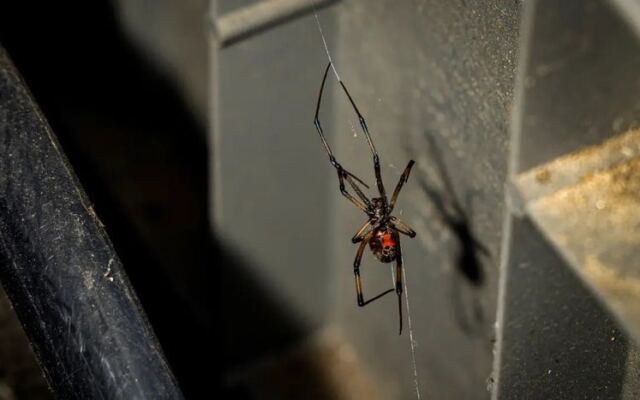
A quick check makes sense around firewood
A quick check makes sense around firewood
© James River Pest Solutions

Before you handle or stack firewood, look over the garage corners and any gaps you can see. Use a flashlight if the light is poor.

The whole check takes a minute or two, and it keeps your hands away from places you have not looked at first.

The reason is simple. Virginia Cooperative Extension identifies both the northern black widow and the southern black widow as spiders found in Virginia.

Adult females are shiny black with red markings underneath, and they can turn up in places people do not often disturb.

Virginia Tech’s species factsheet, dated August 1996, links black widows with woodpiles and other undisturbed places. Poison Control also notes that people can run into these spiders when they reach into spots they cannot see.

Dark garage corners, stacked lumber, and firewood fit that description.

Keep the size of the risk in mind. None of these sources measure how often black widows or their egg sacs show up in Virginia garages.

They also do not show that stacking wood in the fall creates a special spike in danger.

So think of the look as ordinary good sense, like checking a shoe before you put it on. Most garages will turn up nothing more than dust, old cobwebs, and maybe a harmless spider.

The point is to know what is in a space before your hand goes there.

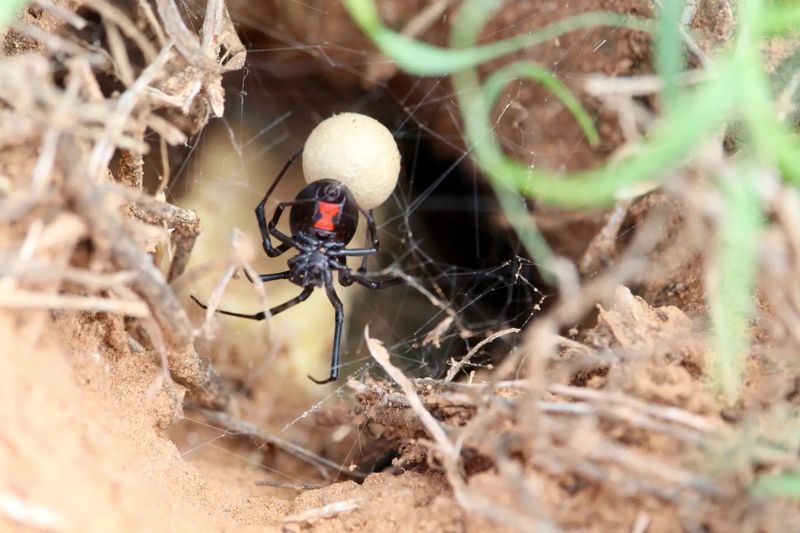
A sac’s appearance cannot confirm a black widow
A sac’s appearance cannot confirm a black widow
© Corky’s Pest Control

Shape, color, and texture are tempting clues, but a sac alone cannot tell you which spider made it. Descriptions differ between widow species, and other spiders also wrap their eggs in silk.

A look from a distance is for awareness, not for naming the spider.

According to CDC and NIOSH, bites tend to happen when a spider is touched, trapped, or pressed against skin.

Adult female black widows are the familiar ones, with shiny black bodies and red markings underneath. Virginia Cooperative Extension notes that the markings differ between the northern and southern species.

It also says males and young spiders can look quite different from the adult female.

Virginia Tech’s older factsheet describes the sac of a southern black widow as oval, brown, and papery, about half an inch long. Treat that as one source’s description, not a test.

By comparison, the University of California’s program describes western black widow sacs as yellowish and teardrop-shaped, which shows how much the descriptions vary.

You may also read that a spiky sac points to a brown widow. That comes from Clemson Extension guidance, which is written for South Carolina.

It does not show that brown widows are present or common in Virginia.

The practical lesson is to treat any unfamiliar sac or web with the same care. If you cannot be sure what made it, leave it alone and work somewhere else.

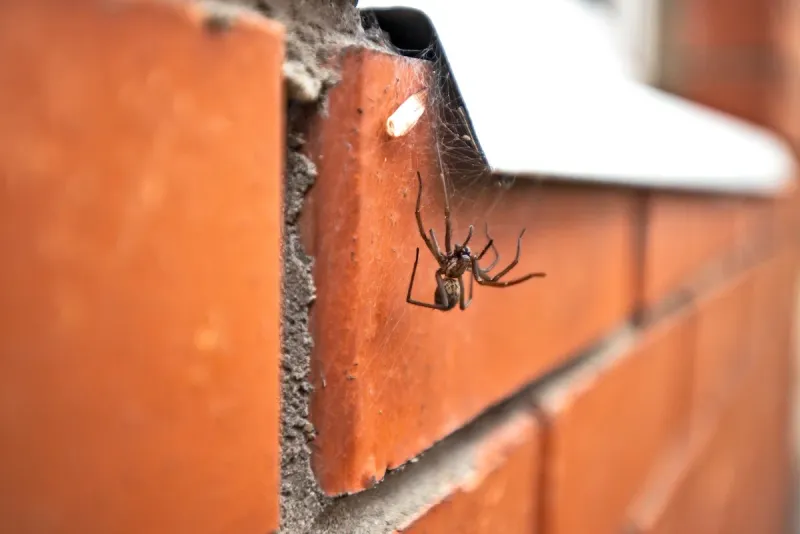
Inspect corners and wood without reaching blindly
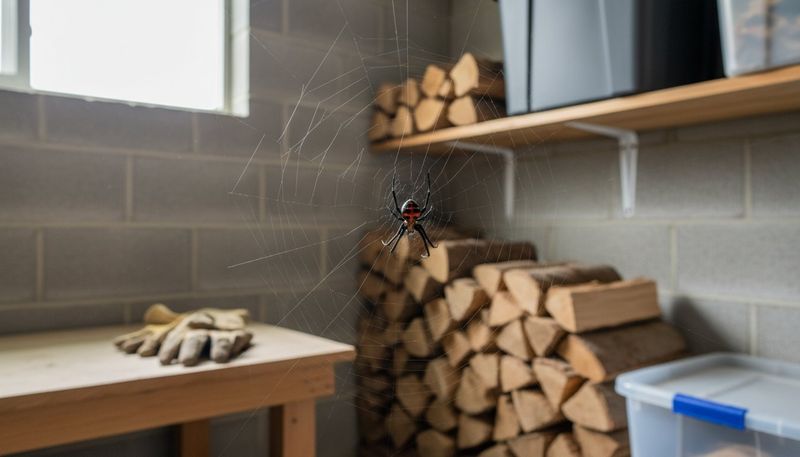
Inspect corners and wood without reaching blindly
© Mosquito Assassin Blog – Mosquito Assassin Pest Control LLC

Start with your eyes, not your hands. Shine a light along the floor line, behind the spot where the stack will go, and into any gaps between boards or shelves.

If you cannot see into a gap, do not push your fingers in to find out.

Poison Control advises against putting your hands where you cannot see. That one habit matters more than any other step here.

Wear gloves and sturdy footwear when you move wood that has been sitting. CDC and NIOSH guidance recommends protective clothing, including gloves and boots, when handling stacked or undisturbed materials.

The page is written for outdoor workers, but the advice fits a homeowner hauling logs just as well.

Gloves and boots can be hiding spots too, especially if they sit in the garage between uses. Give each a quick look and a shake before putting them on.

The same goes for a jacket left hanging near the wood.

Pick up each piece so you can see the side facing you and the spot underneath as you lift. Then set it down in the new stack without squeezing it against your body.

The aim is to prevent surprise contact, so there is no need to poke, tap, or try to flush anything out.

Leave a suspected spider or sac alone
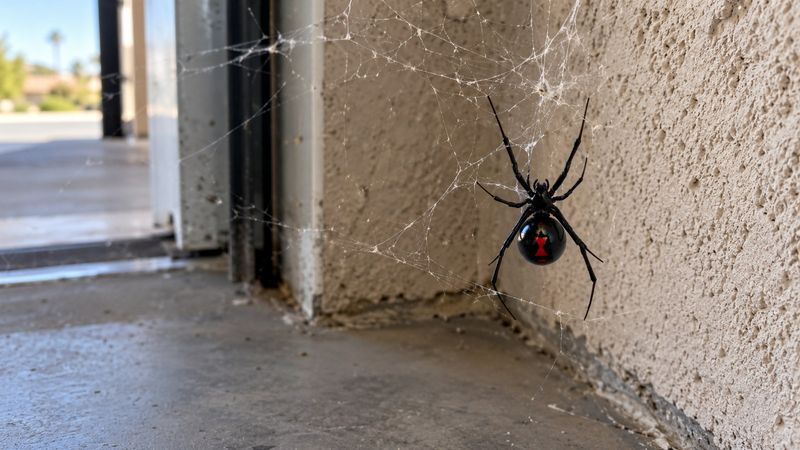
Leave a suspected spider or sac alone
© Vegas Estate Pest Control

If you spot a shiny black spider or a sac you cannot identify, step back. Do not touch it, poke it, or try to move it so you can get a better look.

A photo from a safe distance is plenty for an expert to work with.

Black widows are generally not aggressive. According to CDC and NIOSH, bites tend to happen when a spider is touched, trapped, or pressed against skin.

Virginia Cooperative Extension likewise describes these spiders as shy ones that tend to stay put.

That is why the check is about avoiding contact, not about confronting anything. Working around the spot, or leaving that part of the garage for later, is a perfectly good choice.

Some older advice suggests knocking webs and sacs down and crushing them. The 1996 Virginia Tech factsheet belongs to that era, and its approach puts you in close reach of the spider.

Skip it.

If you want a spider or sac identified or removed, call your local extension office or a licensed pest professional. They can look at a photo, tell you what you are dealing with, and handle it safely.

Until then, keep children and pets away from the area.

After a bite, wash the area and get medical guidance
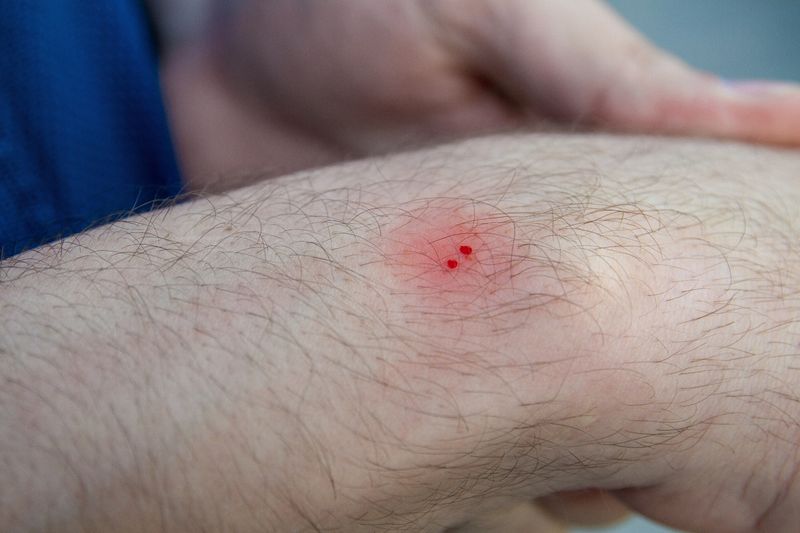
After a bite, wash the area and get medical guidance
© Clemson HGIC – Clemson University

Most garage chores end with nothing more than sawdust on your sleeves. If you think a spider bit you, though, the steps are short and clear.

Start by washing the area with soap and water.

Next, call Poison Control at 1-800-222-1222 or use its online triage tool. Poison Control’s black widow guidance explains that specialists can help you judge how serious a bite may be.

They can also tell you whether you need to be seen in person.

Some symptoms call for urgent medical help. Seek it right away for difficulty breathing, severe pain or cramping, or symptoms that are getting worse instead of better.

CDC and NIOSH guidance points to the same warning signs.

Not every suspected bite means a trip to the emergency room, and bites are not usually fatal. Poison Control says severe outcomes are possible but death is very rare.

Getting guidance early is the sensible way to sort out which situation you are in.

If you can do it without touching the spider, a photo can help the people you talk to. Do not try to catch it with your hands.

Make the check routine, not a reason to panic
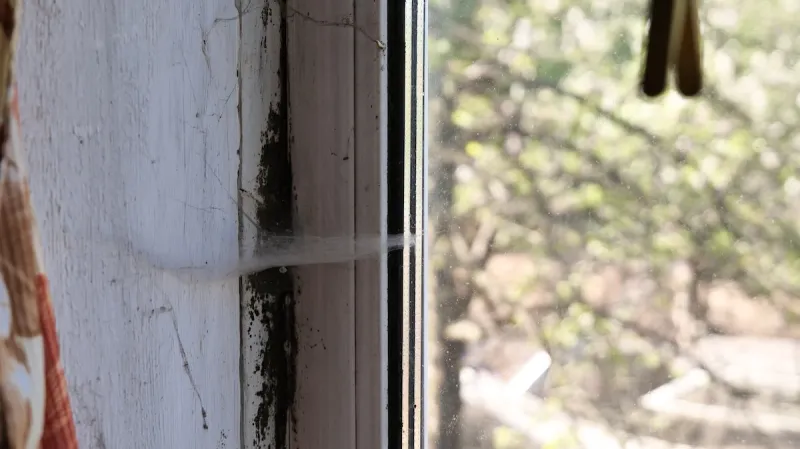
Make the check routine, not a reason to panic
© James River Pest Solutions

Look before you reach, wear gloves and boots when you move wood, and leave any suspected spider or sac untouched. CDC and NIOSH back the protective clothing, and Virginia Cooperative Extension confirms these spiders live in the state.

None of this means black widow egg sacs are a routine Virginia garage problem. It is a modest habit that keeps surprises to a minimum.

Good firewood storage, in the end, is mostly about knowing what your hands are about to meet.

Share this story
CW

Written by

Caroline Whitfield

More from Caroline Whitfield →

About Gardening Latest

Gardening Latest provides in-depth guides to maintaining and enhancing your garden and backyard. Learn how to make the most of the space you have and create a beautiful garden.

More about us →

Latest stories

  • Kentucky GardeningWhy Kentucky Deer Are Rubbing the Bark Off Your Young Trees, and How to Stop the Damage Before Spring

    Why Kentucky Deer Are Rubbing the Bark Off Your Young Trees, and How to Stop the Damage Before Spring

    Just now
  • Florida GardeningFlorida Is Full of Harmless Critters That Look Venomous, and These 7 Send People Running

    Florida Is Full of Harmless Critters That Look Venomous, and These 7 Send People Running

    6 min ago
  • Maryland GardeningThere’s an Invasive Tree Moving Through Maryland Neighborhoods, and Hand-Pulling Can’t Keep Pace

    There’s an Invasive Tree Moving Through Maryland Neighborhoods, and Hand-Pulling Can’t Keep Pace

    13 min ago
  • Iowa GardeningWhen Snow Falls in Iowa, These Six Birds Show Up at Your Feeder, and Here’s How to Tell Them Apart

    When Snow Falls in Iowa, These Six Birds Show Up at Your Feeder, and Here’s How to Tell Them Apart

    19 min ago
  • New Jersey GardeningBefore Winter Hits, New Jersey’s Venomous Yard Critters Make Themselves Known In Late Fall

    Before Winter Hits, New Jersey’s Venomous Yard Critters Make Themselves Known In Late Fall

    32 min ago

Gardening by state

Stories for your state, and the hardiness zone most of it gardens in.

Keep exploring

Read next

All Virginia Gardening →
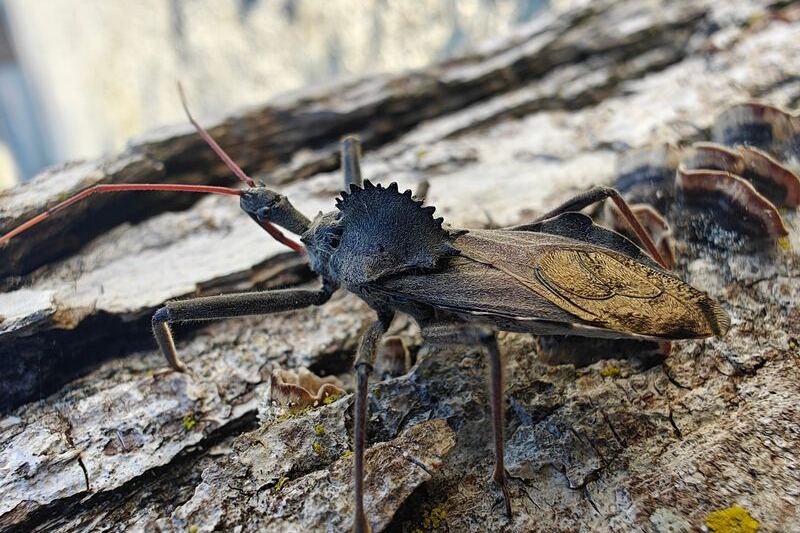
Virginia GardeningThe Bug Wearing A Tiny Cogwheel On Its Back Packs One Of Virginia’s Worst Bites
Virginia Gardening

The Bug Wearing A Tiny Cogwheel On Its Back Packs One Of Virginia’s Worst Bites

3 hr ago
Virginia GardeningEveryone Hates Pokeweed’s Purple Berries, But Old Virginia Cooks Prized Its Spring Leaves
Virginia Gardening

Everyone Hates Pokeweed’s Purple Berries, But Old Virginia Cooks Prized Its Spring Leaves

18 hr ago
Virginia GardeningHere’s What Virginia Law Lets You Do When Your Neighbor’s Vines Swallow Your Fence
Virginia Gardening

Here’s What Virginia Law Lets You Do When Your Neighbor’s Vines Swallow Your Fence

20 hr ago

More from Virginia Gardening

  • 9 Protected Animals Virginia Homeowners Aren’t Allowed To Remove On Their Own

    Nov 24
  • Found A Baby Animal In Your Virginia Yard? These Are Illegal To Keep

    Nov 24
Back to top

Leave a response Cancel

Your email address stays private. Required fields are marked with an asterisk.

Gardening Latest

In-depth guides to maintaining and enhancing your garden and backyard: how to make the most of the space you have, and how to make it beautiful.

  • Facebook
  • X
  • Pinterest
  • YouTube

We may earn a portion of sales from products or services that are purchased through our site as part of our affiliate partnerships with retailers.

Explore

  • About GardeningLatest.com
  • Contact Us
  • Terms and Conditions
  • Privacy
  • Editorial Note:
  • FTC Disclosure

Newsletter

New garden guides and seasonal tips, straight to your inbox.

We’ll email you a link to confirm. Unsubscribe any time.

Almost there! Check your inbox and tap the link to confirm.

© 2026 Gardening Latest. All rights reserved.

Back to top