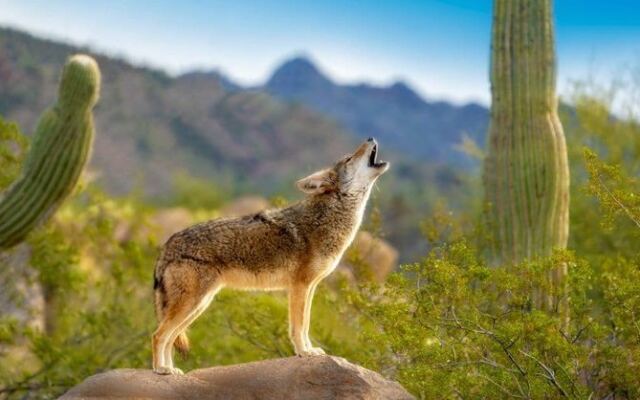
You are lying in bed when a high, wavering cry drifts through the window, followed by a burst of yips. It is easy to wonder if something is wrong outside.
Coyote howls sound dramatic, but they are mostly a way for coyotes to talk to each other. Here is what the sound can tell you, what it cannot, and how to keep your pets and yard safe.
What a howl can—and cannot—tell you
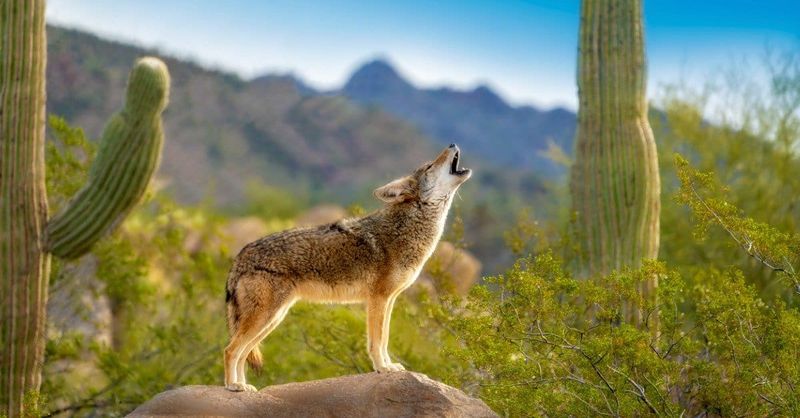
Coyotes howl and yip to communicate with other coyotes. Researchers describe these calls as signals tied to territorial occupancy and maintenance, and a 2017 study of coyote vocalizations describes them that way.
Other experts point to several possible jobs for a howl, such as staying in touch with family members or letting neighbors know who is around.
Here is the catch. Hearing a howl does not tell you which of those jobs it is doing.
Calling it communication is a fair summary. Claiming you can translate one specific call into a plain message is not.
That means the popular stories about howls deserve a second look. You may have heard that coyotes howl to celebrate a kill or to announce that a hunt is about to start.
The National Park Service treats those ideas as folklore, and a Humane Society wildlife conflict guide calls kill celebration a misconception.
The moon is not the trigger either. The same 2017 research found no link between howling and moonlight intensity.
So the next time a chorus rolls across the hollow, think of it as coyotes talking among themselves. You are overhearing a conversation, and you do not have the translation.
That is a good reason to stay calm and a good reason to keep your focus on what the animals actually do near your home.
Nighttime calls fit coyote communication patterns
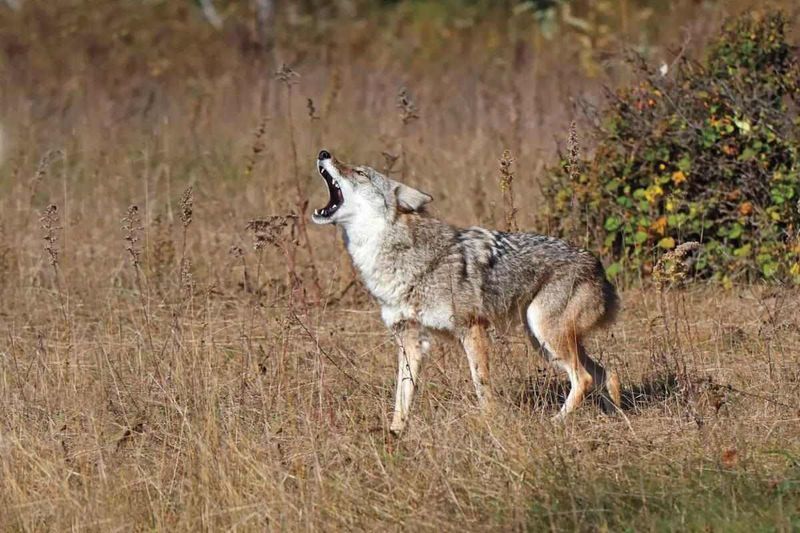
If your howls tend to arrive in the dark, you are not imagining a pattern. The same 2017 research found that howling often happens in the middle of the night or before sunrise.
It also found that howling is commonly linked with breeding season and with dispersal, when young coyotes leave to find their own space.
Kentucky Fish and Wildlife adds a seasonal view. According to the state agency’s coyote page, sightings may increase during winter breeding, during spring and early summer when pups are being raised, and during late summer or fall dispersal.
The agency also notes that coyotes can be more territorial and less tolerant of dogs during breeding season.
Treat these as broad patterns, not a decoder ring. A howl at 2 a.m. in January does not prove a particular coyote is courting, and a call in October does not prove a young one is wandering off.
The hour and the month cannot tell you why one animal called.
What the patterns do offer is a sense of when to be a little more watchful. Winter nights and the months of pup rearing and dispersal are good times to double-check that pets are supervised and that nothing edible is left in the yard.
A chorus is not a head count
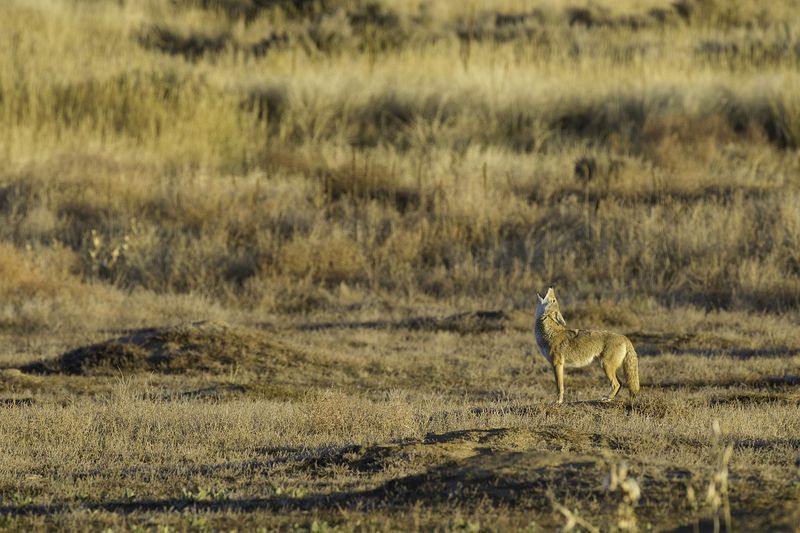
A burst of yips and howls can make it sound like a whole pack has surrounded your neighborhood. Researchers tested how well people can judge that.
In the group-size study, 427 participants listened to recordings of one to four coyotes. On average, they guessed nearly twice as many animals as were actually there.
The takeaway is simple. A chorus can sound bigger than the group that made it.
Quick, overlapping calls trick our ears.
Keep the result in its proper box, though. The listeners were in southern Texas and heard recordings.
The study did not count the animals behind any wild chorus, and it did not measure how many coyotes live in Kentucky.
That means you should not assume a loud chorus is a small family, and you should not assume it is a large pack. Sound alone just cannot give you a number.
If you want to know what is really going on, look at the practical clues instead. Tracks, a daytime sighting, or a camera image can say more than your ears can at midnight.
In Kentucky, hearing coyotes is not an alarm
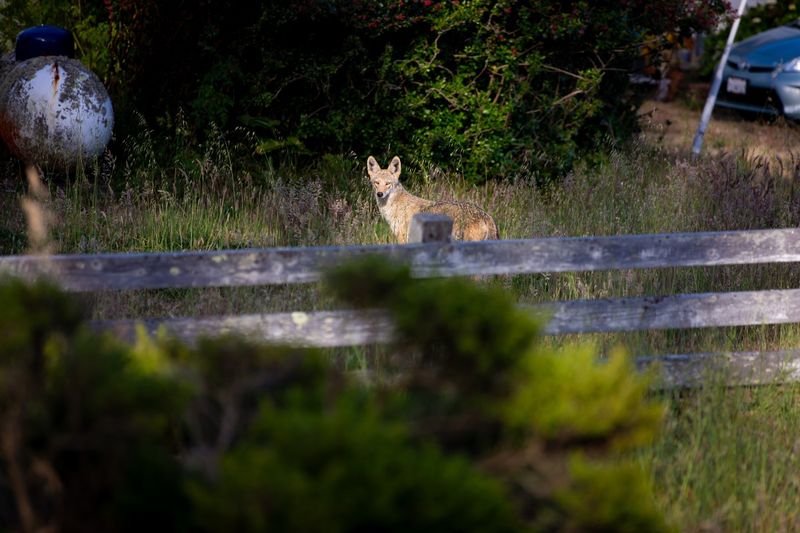
Coyotes live all over the state. Kentucky Fish and Wildlife reports that they occur in all 120 counties.
Hearing one is a normal part of living here, whether you are on a farm in the Pennyroyal or in a subdivision near Louisville.
That statewide fact has limits. It tells you coyotes are part of Kentucky’s wildlife, but it does not prove one is on your street tonight.
A howl can carry a long way, so the animal may be far off.
The more useful question is what a coyote is doing. A sound from a distant field is a different situation from a coyote walking toward you or your dog in the yard.
The first is background noise. The second calls for a response.
Kentucky’s guidance centers on behavior and context, such as an animal approaching, acting threatening, or hanging around a den. It does not treat howling by itself as a warning.
So when you hear calls after dark, you do not need to rush outside or make noise. Bring pets in, check that your yard has nothing tempting in it, and go back to sleep.
Save your concern for what you can actually see.
A safer yard starts by removing rewards
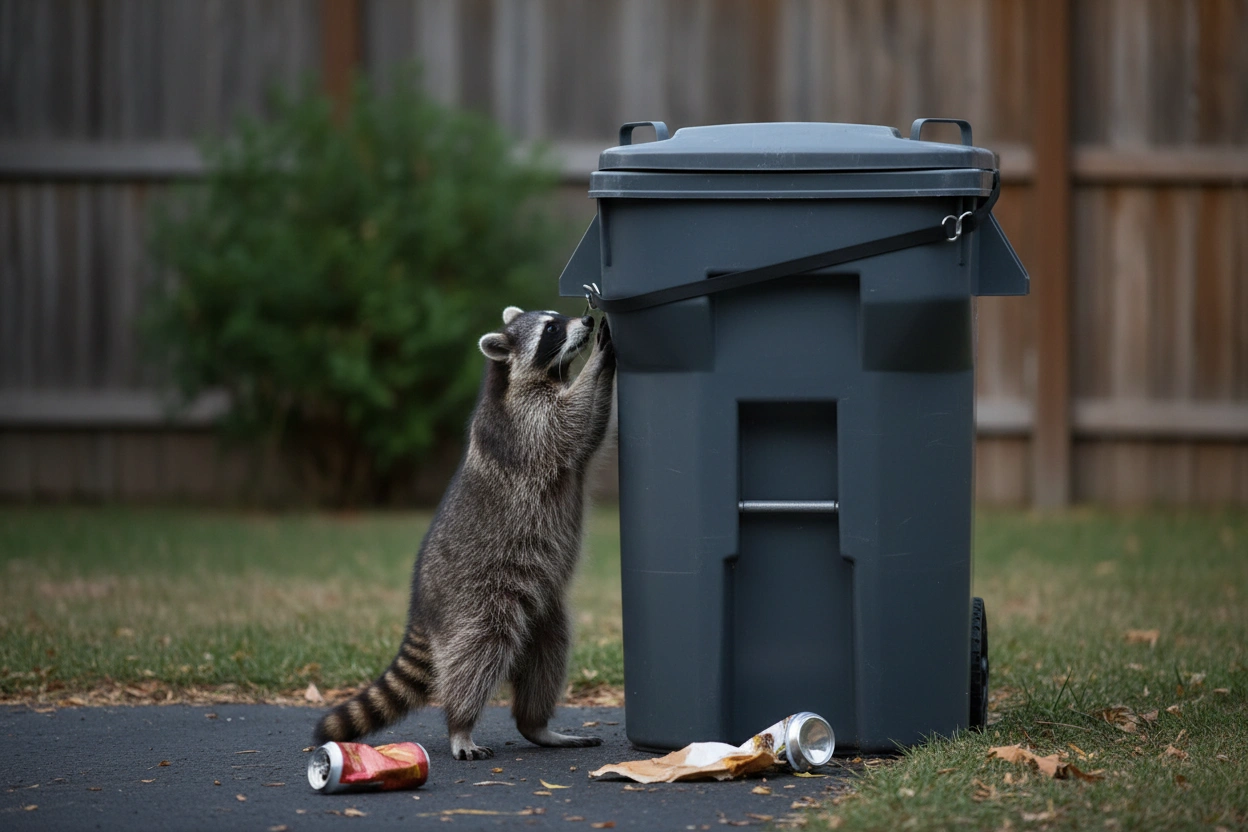
Coyotes are opportunists, so the easiest way to cut down on trouble is to leave nothing worth stopping for. Kentucky Fish and Wildlife suggests a handful of routine habits, all found on its coyote guidance page.
Start with food. Secure garbage and compost so animals cannot get into them, and bring pet food indoors rather than leaving a bowl on the porch.
A sealed lid and a quick evening check go a long way.
Next, think about your pets. Supervise them whenever they are outside, especially after dark.
Keep cats indoors, and walk dogs on a short leash instead of letting them roam at the edge of the yard or the woods.
Picture a small dog let out at 11 p.m. to do its business while the owner stays inside. Stepping out with it, flashlight in hand, changes that picture completely.
These steps reduce chances for conflict, but none of them is a guarantee. A determined coyote might still pass through.
Think of the routine as stacking the odds in your favor, one habit at a time, rather than building a wall that keeps wildlife out.
If a coyote approaches, respond to behavior—not sound
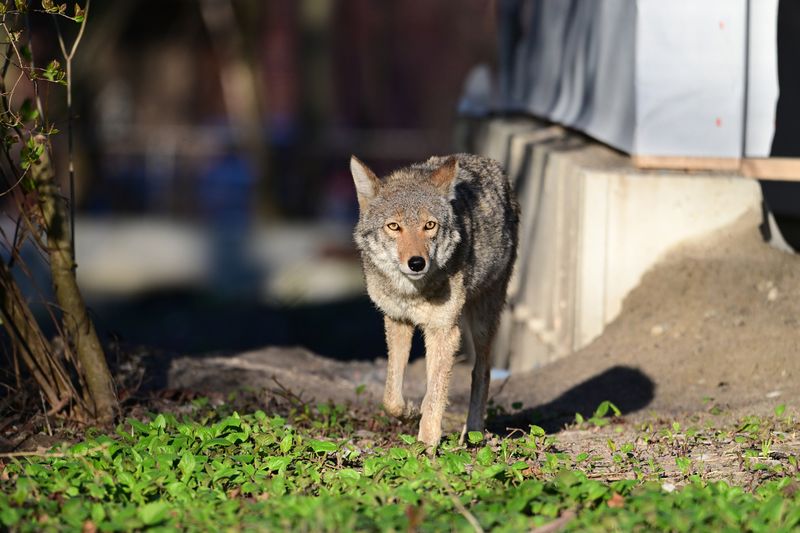
An approaching coyote is a different matter from a distant howl, and here Kentucky Fish and Wildlife gives clear advice. The agency recommends making yourself look larger and using loud noises to haze the animal.
Stand tall, raise your arms, and shout or clap.
Some things to avoid are just as important. Do not run, since that can invite a chase.
Do not walk toward the coyote to get a photo, and never let your dog chase it. A coyote that is chased may defend itself.
Hazing is not right for every situation. Do not haze a coyote that is cornered, one that has pups with it, or one that looks sick or injured.
Give those animals space and distance instead, and call your local wildlife authorities if you are worried.
Also steer clear of any area that might hold a den. If you notice a coyote acting protective near a brush pile or hillside burrow, change your route and keep dogs away from that spot.
Finally, remember the trigger. Hearing howls alone does not call for hazing.
Save these steps for a coyote you can actually see coming closer.
The useful takeaway is awareness, not alarm
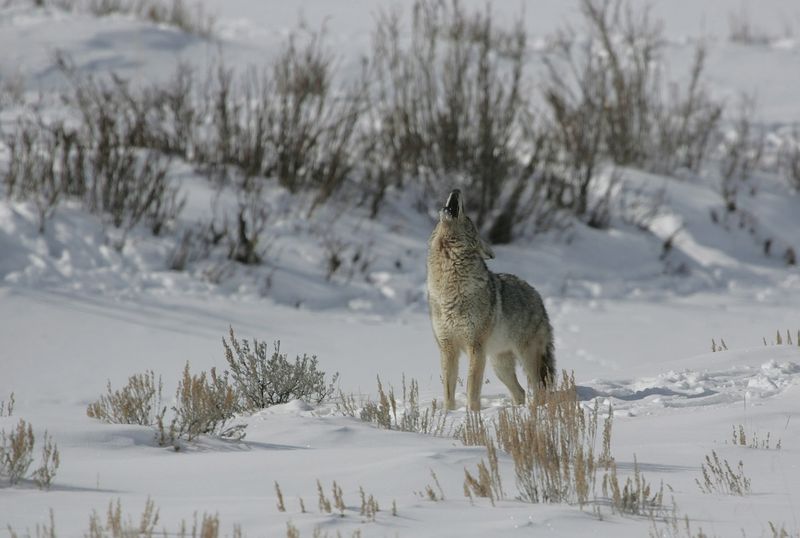
A howl is best read as coyotes talking, and as the group-size research shows, it will not reliably tell you how many animals are out there or what they intend.
What you can control is the setup at home. Following Kentucky’s wildlife guidance to protect pets and remove food attractants lowers the odds of trouble.
Next time that eerie song floats over the hills, listen for a moment. It is just the neighbors, speaking in a language you only partly understand.
Share this story