When the leaves start turning in Wisconsin, a lot of small creatures start moving too. Some of them carry venom, and fall is when they show up most often in yards, garages, and woodpiles.
Most of these critters are shy and would rather hide than bite or sting. Knowing who they are helps you stay safe and enjoy your yard without worry.
1. Yellowjackets
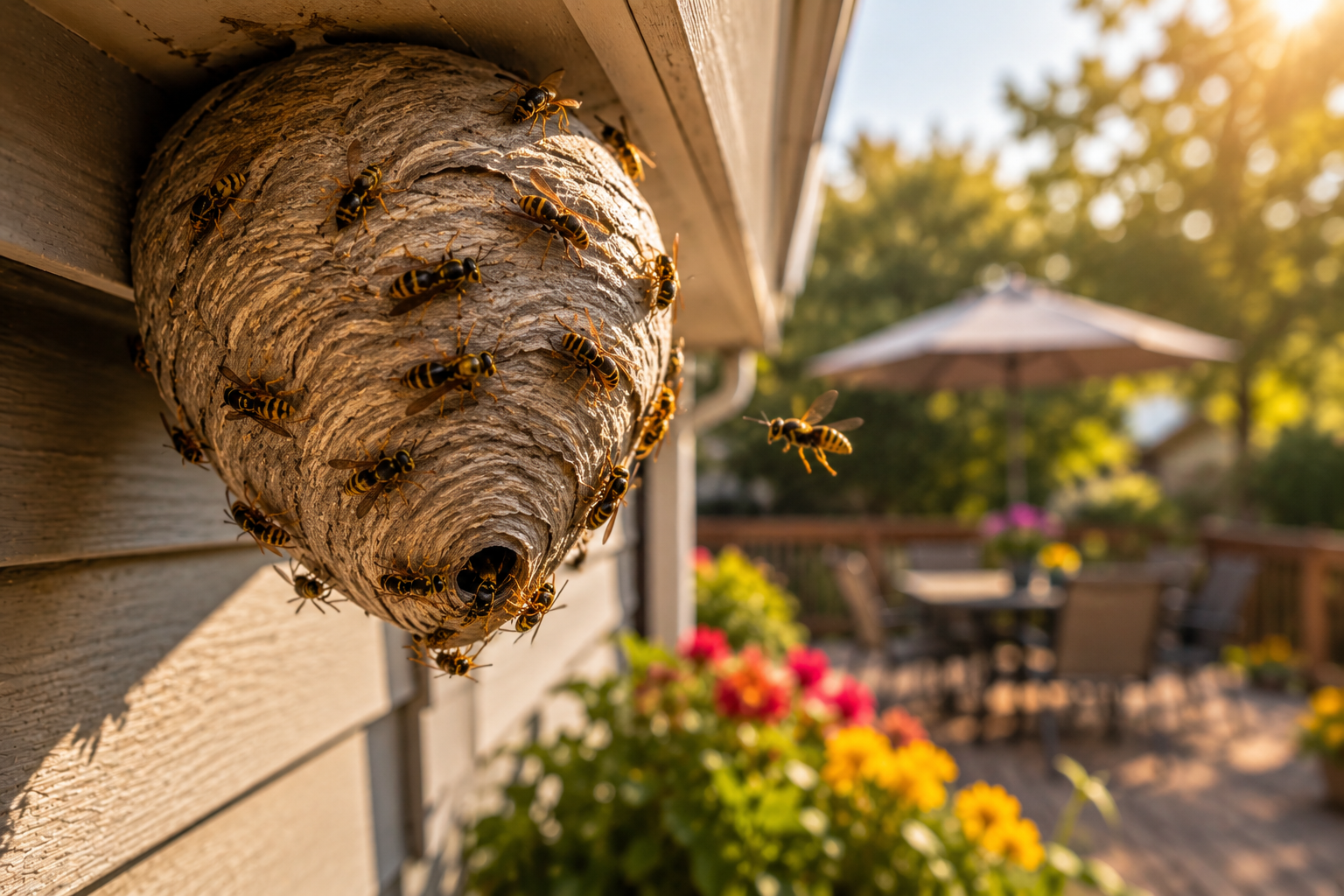
Ever had a picnic crashed by an uninvited guest with stripes? Yellowjackets are the number one reason Wisconsin families flee their patios in September.
Their colonies hit peak size in late summer and early fall.
As the queen stops laying eggs, workers lose their sugary rewards from the larvae. Hungry and cranky, they go looking for soda cans, ripe fruit, and trash bins.
That’s why they seem so aggressive right when the weather cools.
Many nests sit underground in lawns, so mowing over one can stir up trouble fast. Unlike honeybees, yellowjackets can sting more than once.
Keep drinks covered, pick up fallen apples, and wait for a hard frost, which wipes out the workers.
2. Bald-Faced Hornets
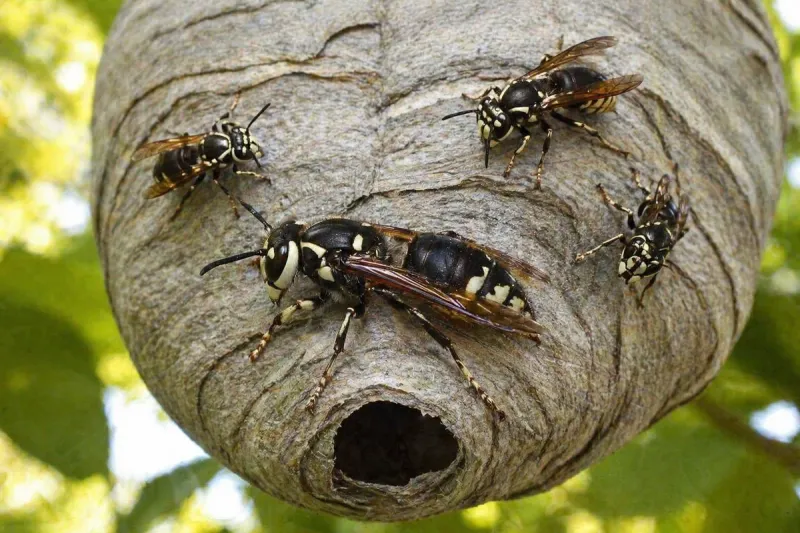
Picture raking leaves in October and looking up to find a gray paper football hanging from a branch. Surprise!
That’s a bald-faced hornet nest, and it was probably there all summer, hidden by leaves.
These black-and-white insects are actually a type of yellowjacket. They guard their homes fiercely and will chase anyone who gets too close.
Their stings pack a punch and they can sting repeatedly.
Here’s the good news. Once winter arrives, the nest is abandoned and only new queens survive elsewhere.
If you spot a nest after several freezes, it’s usually empty and safe to admire from below.
3. Northern Black Widow
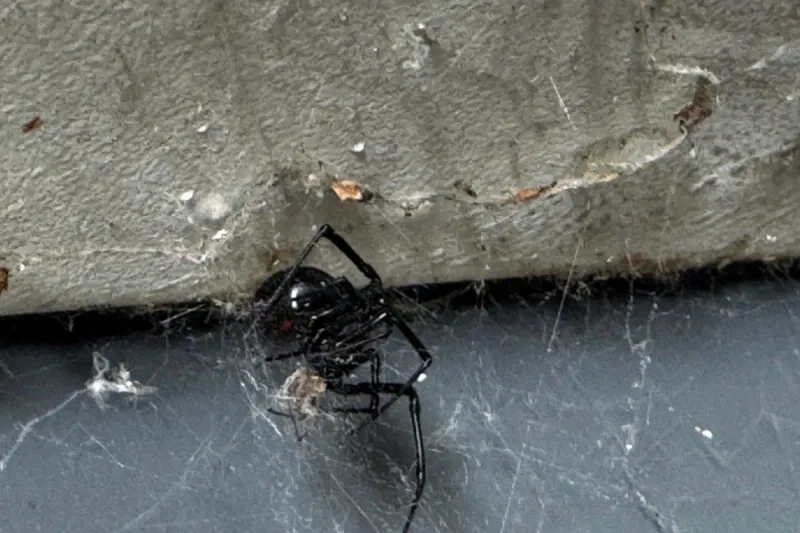
Shiny, black, and marked with a red hourglass, the northern black widow is Wisconsin’s most famous spider. It lives mostly in the southern and western parts of the state.
Woodpiles, rock walls, and old sheds are its favorite hangouts.
Fall brings people into these spots more often. Stacking firewood or clearing out garden pots puts your hands right where widows hide.
Their venom affects nerves and can cause painful cramps, though deaths are extremely rare.
A simple pair of work gloves solves most of the risk. Fun fact: the female’s hourglass on the northern species is often split into two pieces, unlike its southern cousin.
4. Brown Recluse
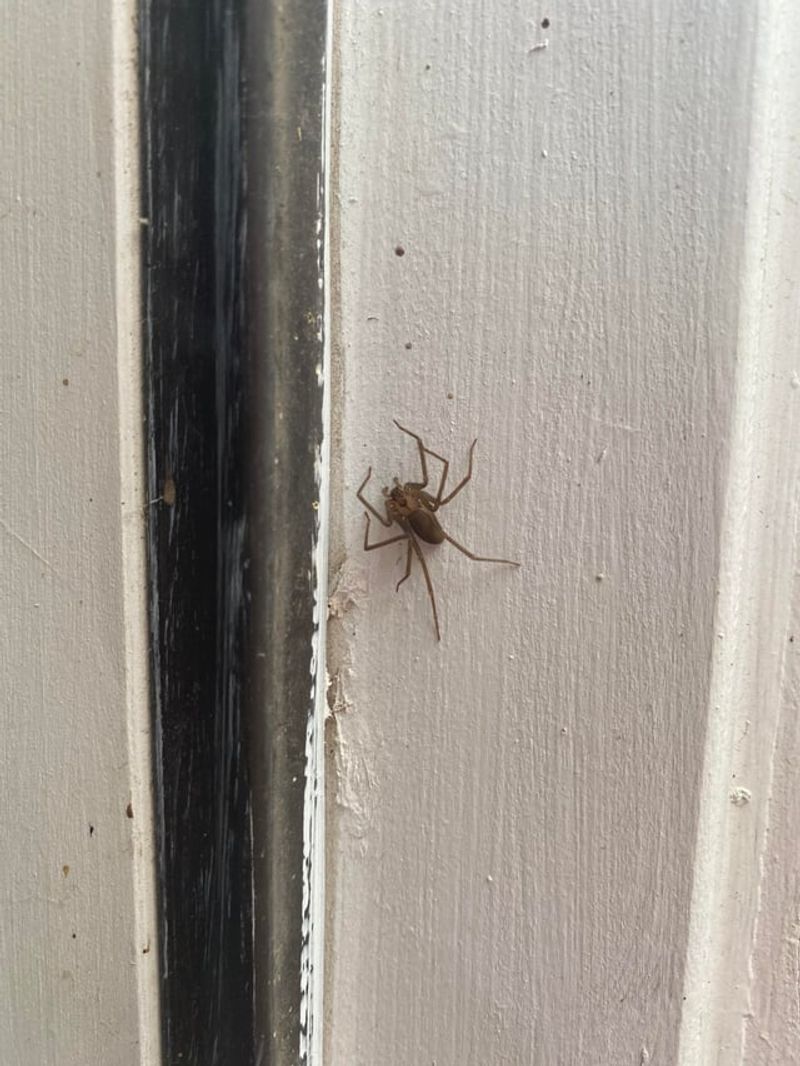
Let’s clear something up first. Brown recluses are not native to Wisconsin and are rarely found here.
Most reports turn out to be harmless look-alikes.
Still, a few hitchhike in on boxes, furniture, or moving trucks from states farther south. Once inside, they can survive in heated basements and closets.
As temperatures drop, any stowaways stay tucked indoors where people store fall and winter gear.
Look for a violin-shaped mark on the back and six eyes in pairs. Bites can cause slow-healing sores, so shake out stored clothes and boots before wearing them.
Seeing one is unlikely, but being careful costs nothing.
5. Eastern Massasauga Rattlesnake
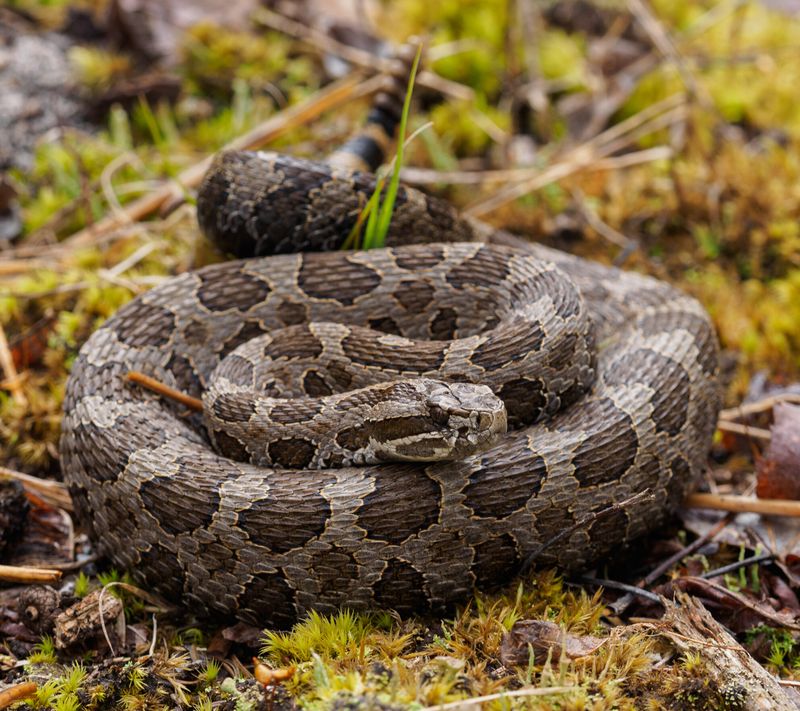
Few Wisconsinites will ever see one, and that’s part of what makes the eastern massasauga so special. Listed as endangered in the state, this small rattlesnake lives in wet prairies and marshes, mostly along river valleys.
In fall, massasaugas move back toward crayfish burrows where they spend the winter. That journey can bring them closer to homes near wetlands.
They’re quiet, calm, and often stay perfectly still when people pass.
If you find one, back away and leave it be. Bites are rare and usually happen when someone tries to handle the snake.
Report sightings to the Wisconsin DNR to help protect them.
6. Timber Rattlesnake
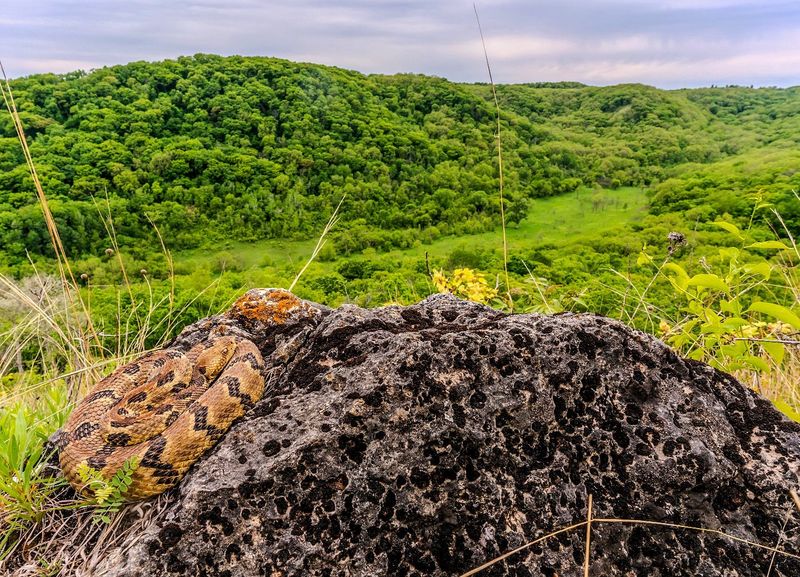
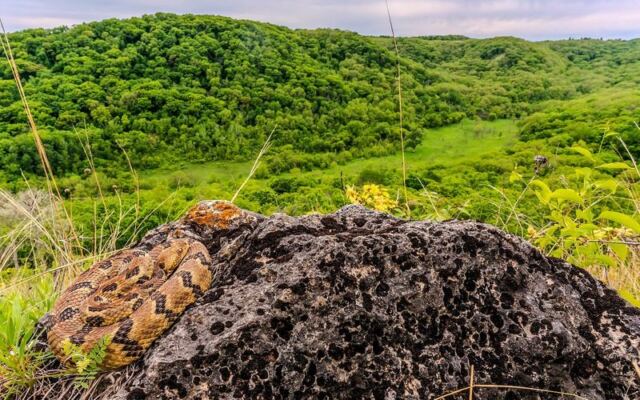
High on the rocky bluffs of the Driftless Area, timber rattlesnakes soak up the October sun. These heavy-bodied snakes can reach four feet long.
Their colors range from yellow to nearly black with dark bands.
Autumn is denning season. Dozens may gather near the same rocky crevice to wait out winter, and that’s when hikers and homeowners near bluffs notice them most.
Timber rattlers are famously laid-back and usually warn with a buzz before striking. They’re also protected in Wisconsin, so killing one is illegal.
Give them space and they’ll go right back to sunbathing.
7. Northern Short-Tailed Shrew
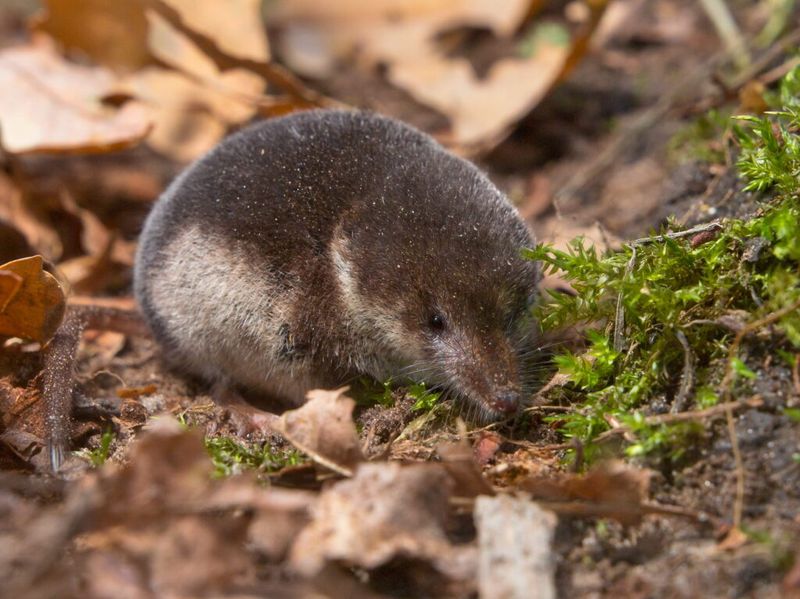
Plot twist: one of Wisconsin’s venomous critters is a mammal. The northern short-tailed shrew looks like a tiny gray mouse with a pointy nose and almost no eyes to speak of.
Its saliva contains venom that paralyzes worms, insects, and even small mice. Shrews store stunned prey to eat later, like a living pantry.
In fall, they tunnel under leaf piles and sometimes slip into garages.
A bite to a human hurts and can swell for a few days, but it’s not dangerous. Just don’t pick one up bare-handed.
Gardeners actually love these little hunters for eating slugs and grubs.
8. Saddleback and Other Stinging Caterpillars
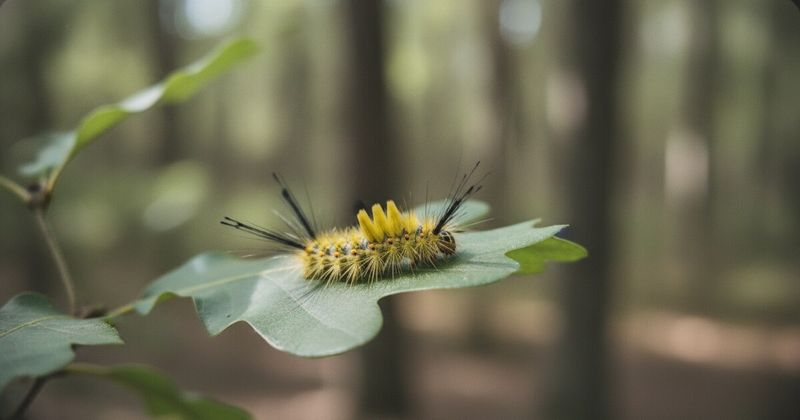
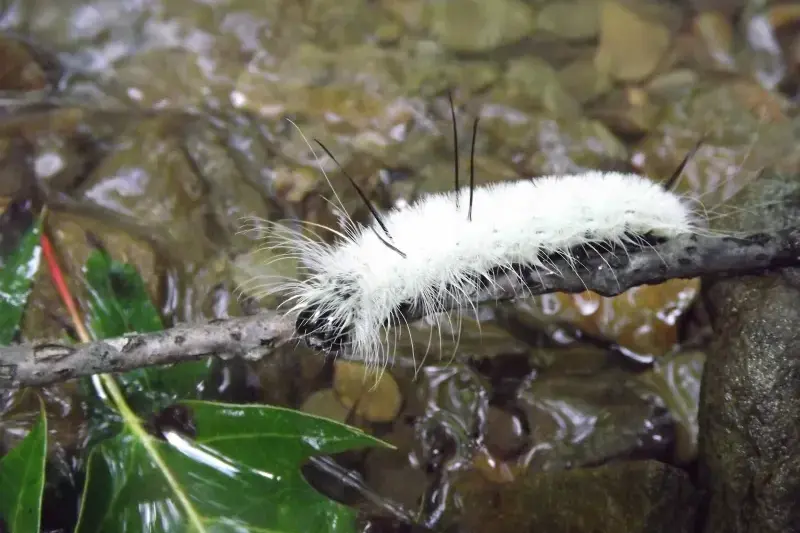
Kids love collecting fuzzy caterpillars in the fall. A few Wisconsin species, though, come armed with venomous spines that feel like a bee sting.
The saddleback caterpillar wears a bright green patch with a brown dot, like a tiny saddle. Others, such as the hag moth larva and some tussock moths, carry irritating hairs too.
Late summer into fall is when they’re largest and easiest to spot.
Stings cause burning, redness, and itching. If someone touches one, press tape on the skin to pull out spines, then wash with soap.
Teach little explorers to look, not touch.
Share this story