Get the latest garden guides in your inbox →
Gardening Latest
  • General Gardening
  • Lawn Care
  • Plant Care
  • Composting
  • Soil Health
  • Backyard
  • Garden Muse Magazine
  • General Gardening
  • Lawn Care
  • Plant Care
  • Composting
  • Soil Health
  • Backyard
  • Garden Muse Magazine
  • News
  • Gardening Calendar
  • Garden Structures
  • Vegetable Garden
  • Vertical Garden
  • Raised Beds
  • Hydroponics
  • General Equipment
  • Community Gardens
Garden Themes
  • Spiritual Garden
  • Hydroseeding
  • Seeding and Laying Sod
  • Artificial Grass
  • Lawn Care Equipment
  • Plants
  • Trees
  • Planting Tools
  • Composting Basics
  • Fertilizer
  • Alternative Growing Mediums
  • Front Yard
  • Backyard Activities
  • Landscaping
Gardening Latest

Explore by state

Which state is your garden in?

Currently viewing Wisconsin

All states

Northeast

  • Connecticut —
  • Delaware 8
  • Maine —
  • Maryland 3
  • Massachusetts 10
  • New Hampshire —
  • New Jersey 3
  • New York 4
  • Pennsylvania 4
  • Rhode Island —
  • Vermont —

Southeast

  • Alabama 3
  • Arkansas —
  • Florida 3
  • Georgia 3
  • Kentucky 9
  • Louisiana 2
  • Mississippi —
  • North Carolina 1
  • South Carolina 8
  • Tennessee —
  • Virginia 2
  • West Virginia —

Midwest

  • Illinois 2
  • Indiana 4
  • Iowa 8
  • Kansas —
  • Michigan 3
  • Minnesota 2
  • Missouri 2
  • Nebraska —
  • North Dakota —
  • Ohio 3
  • South Dakota —
  • Wisconsin 9

Southwest

  • Arizona 3
  • Colorado —
  • Nevada —
  • New Mexico —
  • Oklahoma —
  • Texas 2
  • Utah —

West

  • Alaska —
  • California 3
  • Hawaii —
  • Idaho —
  • Montana —
  • Oregon —
  • Washington —
  • Wyoming —

No state matches that search.

Site menu

Gardening Latest
  • General Gardening
    • News
    • Gardening Calendar
    • Garden Structures
    • Vegetable Garden
    • Vertical Garden
    • Raised Beds
    • Hydroponics
    • General Equipment
    • Community Gardens
    Garden Themes
    • Spiritual Garden
  • Lawn Care
    • Hydroseeding
    • Seeding and Laying Sod
    • Artificial Grass
    • Lawn Care Equipment
  • Plant Care
    • Plants
    • Trees
    • Planting Tools
  • Composting
    • Composting Basics
  • Soil Health
    • Fertilizer
    • Alternative Growing Mediums
  • Backyard
    • Front Yard
    • Backyard Activities
    • Landscaping
  • Garden Muse Magazine

Explore

  • About GardeningLatest.com
  • Contact Us

Get the latest from the garden

New guides on lawn care, plants and backyard projects, sent when they go up.

Subscribe →

Follow

  • Facebook
  • X
  • Pinterest
  • YouTube
Wisconsin Gardening

These 7 Harmless Wisconsin Critters Look Venomous Enough to Make People Run

Every summer, folks across Wisconsin scream, swat, and sprint away from creatures that could not hurt them if they tried…

HB

By Heidi Brandt

November 19, 2026 · 5 min read

These 7 Harmless Wisconsin Critters Look Venomous Enough to Make People Run

Every summer, folks across Wisconsin scream, swat, and sprint away from creatures that could not hurt them if they tried. Some of these animals wear bright warning colors, some hiss like movie villains, and some just look plain creepy.

Knowing which critters are actually harmless can save you a lot of panic and save the animals too. Here are seven Wisconsin locals with scary looks and zero venom to back them up.

At a glance

Where
Wisconsin Gardening
Hardiness zone
5 −20 to −10°F
Read
5 minutes
Published
November 19, 2026

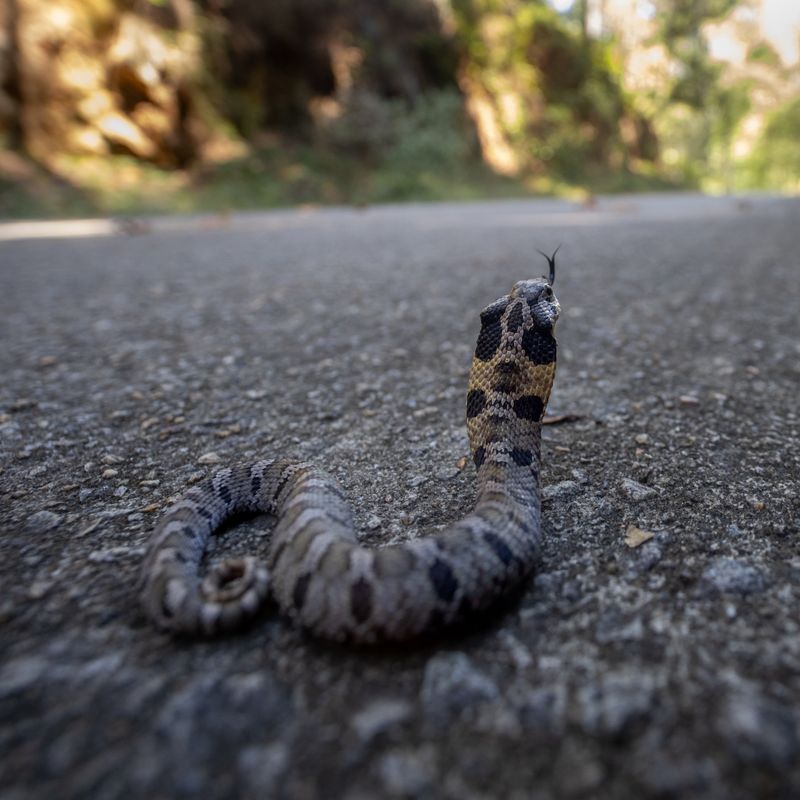
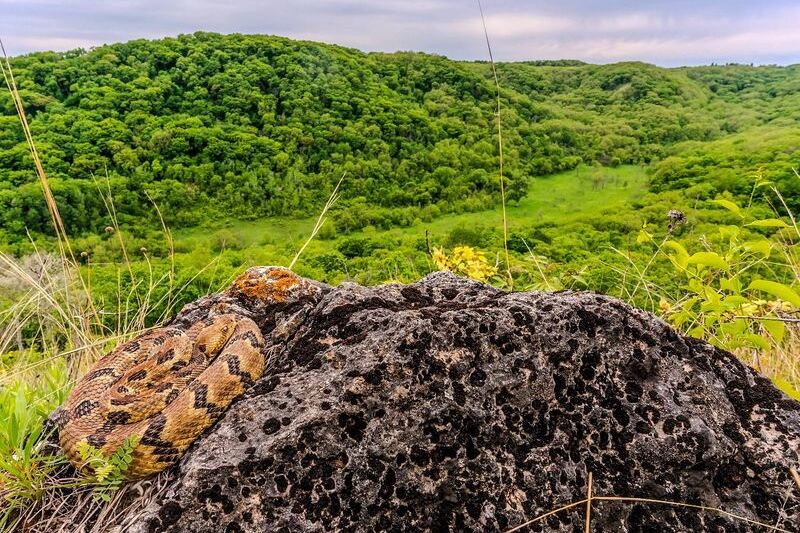
1. Eastern Hognose Snake

Eastern Hognose Snake
© nkfherping

Picture a snake that flattens its neck like a cobra, hisses loudly, and lunges at you. Most people would be halfway home before the show ended.

The eastern hognose counts on exactly that reaction.

Found in sandy areas of central and western Wisconsin, this snake is a total bluffer. Its strikes are usually made with a closed mouth, so it is basically head-butting the air.

If the drama fails, it flips onto its back, sticks out its tongue, and plays dead.

Here is the funny part. If you roll a fake-dead hognose right side up, it will often flip itself back over, as if to insist it really is dead.

These snakes mostly eat toads and pose no real threat to people, so give the little actor some applause and let it be.

2. Fox Snake
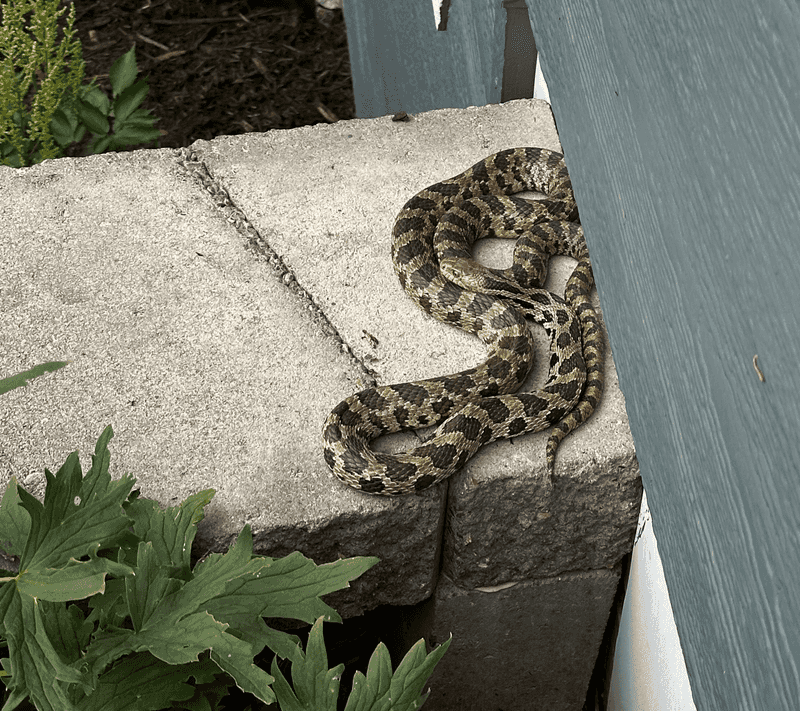
Fox Snake
© Reddit

Ask a Wisconsin farmer about rattlesnakes, and there is a decent chance the story actually involves a fox snake. With its blotchy brown pattern and a habit of shaking its tail in dry leaves, it does a convincing rattler impression.

The buzzing sound alone sends hikers backpedaling.

Fox snakes can grow over four feet long, which only adds to the fear. They also have a coppery or reddish head, so some people mistake them for copperheads, a species that does not even live in the state.

Nearly two inches long, striped in black and yellow, and buzzing low over your lawn, the cicada killer looks like a hornet that hit the gym.

In reality, fox snakes are constrictors with no venom at all. They are fantastic at controlling mice and rats around barns and fields.

Sadly, many get killed because of mistaken identity, so learning to spot one is a real favor to farmers and snakes alike.

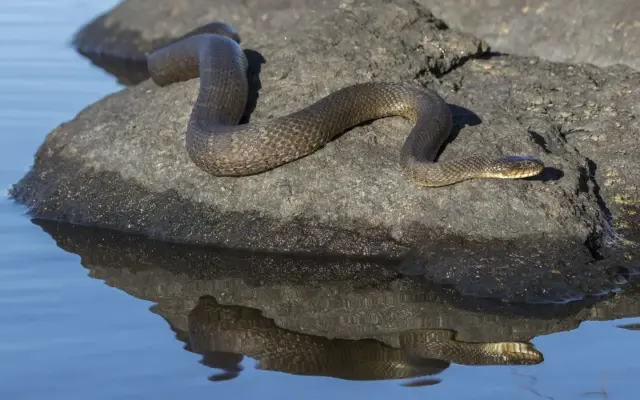
3. Northern Water Snake
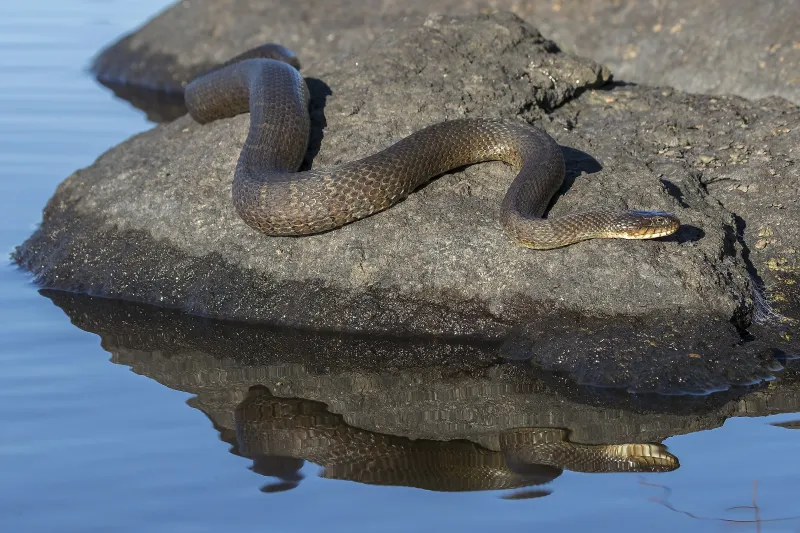
Northern Water Snake
© World Atlas

You are paddling a quiet lake in northern Wisconsin when a thick, dark snake slides off a rock and into the water. Your brain screams one word: cottonmouth.

Relax, because cottonmouths do not live anywhere near the Badger State.

The northern water snake is what you actually saw. It has dark bands, a heavy body, and a bit of an attitude when grabbed.

It may bite and release a stinky musk if you pick it up, which is fair, since nobody likes being snatched.

Still, a bite from one is about as dangerous as a scratch from a briar patch. Clean it up and move on.

These snakes spend their days hunting fish and frogs along the shoreline, and they would much rather swim away than pick a fight.

4. Dock Spider
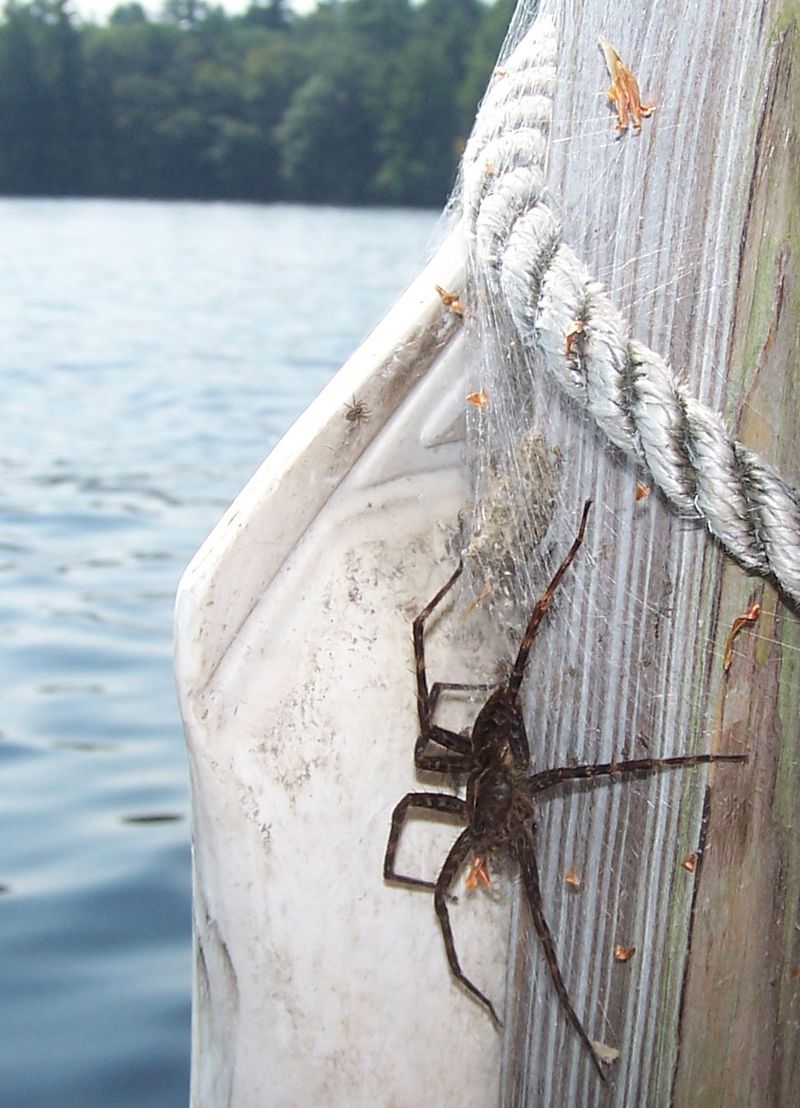
Dock Spider
© The Mossy Skull

Fact: a dock spider with its legs stretched out can be as wide as the palm of your hand. That is usually all the information a person needs before abandoning a pier forever.

Officially called fishing spiders, these big arachnids hang around lake docks, boathouses, and cabin decks all over Wisconsin. They can run across the surface of water and even dive underneath it to catch small fish and insects.

Yes, a spider that goes fishing. Nature is wild.

Despite the nightmare size, dock spiders are shy. They usually dash into cracks when people walk by.

A bite is rare and feels a lot like a bee sting at worst. So next time you spot one at the cabin, take a photo for your friends instead of grabbing the bug spray.

5. Cicada Killer Wasp

Cicada Killer Wasp
© USGA

Nearly two inches long, striped in black and yellow, and buzzing low over your lawn, the cicada killer looks like a hornet that hit the gym. Kids scatter.

Parents grab rakes. Everybody panics.

Here is the twist. The males, which are the ones zooming around and acting tough, cannot sting at all.

Females can, but they save that stinger for cicadas, which they paralyze and drag into underground burrows as food for their young.

Cicada killers are not aggressive toward people and do not defend nests like yellowjackets. You could practically mow around them.

They show up in sandy yards in mid to late summer, then vanish again. Think of them as loud, temporary neighbors who mind their own business.

6. Hickory Horned Devil Caterpillar
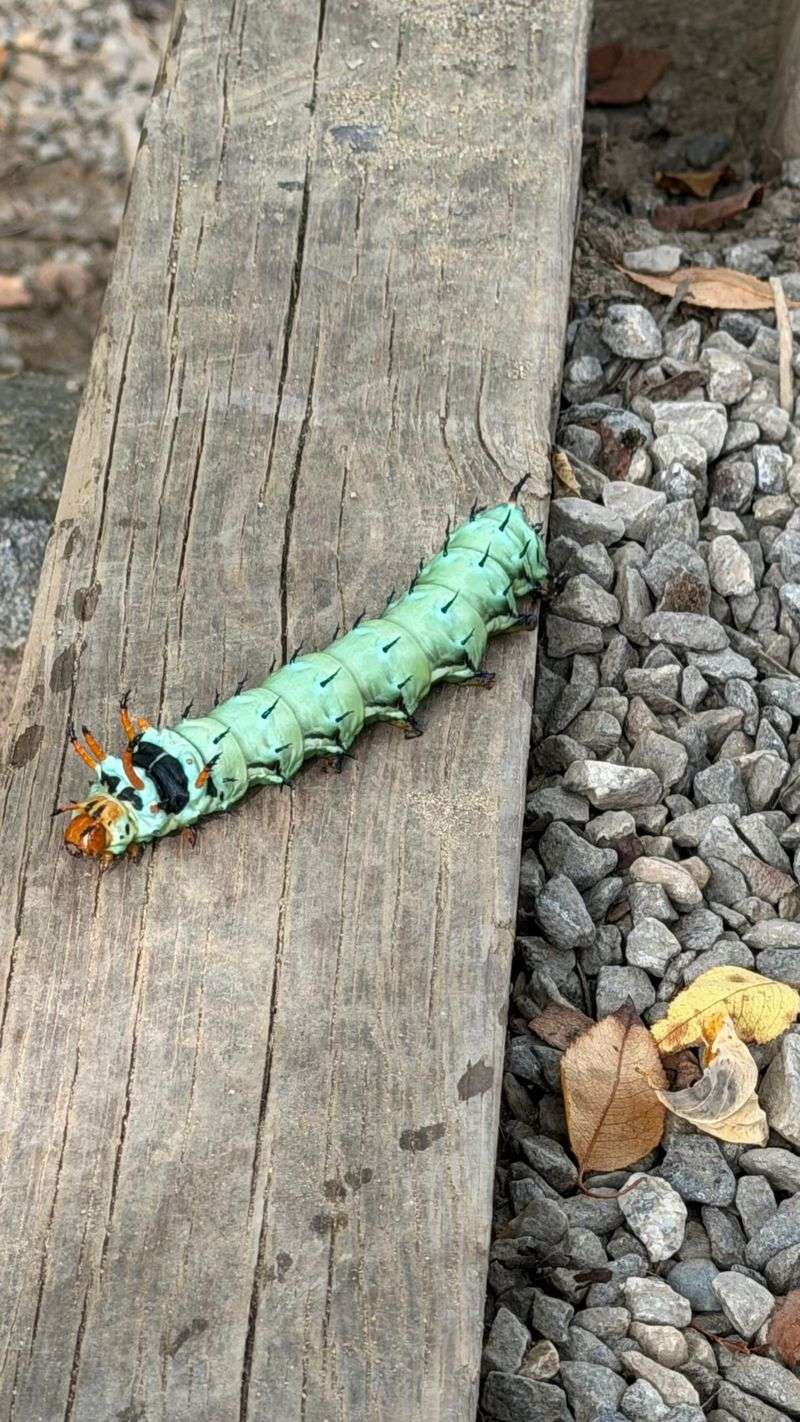
Hickory Horned Devil Caterpillar
© robinmking

Can a caterpillar look like a dragon? Meet the hickory horned devil, a chunky green giant topped with curved orange horns tipped in black.

It can reach five inches long, which is roughly the size of a hot dog.

This rare find in southern Wisconsin feeds on walnut, hickory, and sumac leaves. When bothered, it rears up and waves those horns around like it is ready to battle.

Most people assume it must sting or poison them.

Nope. Those horns are all for show and cannot hurt you.

Even better, this monster grows up into the regal moth, a gorgeous orange and gray beauty. So the scariest-looking caterpillar in the woods turns into one of the prettiest moths around.

7. Eastern Dobsonfly
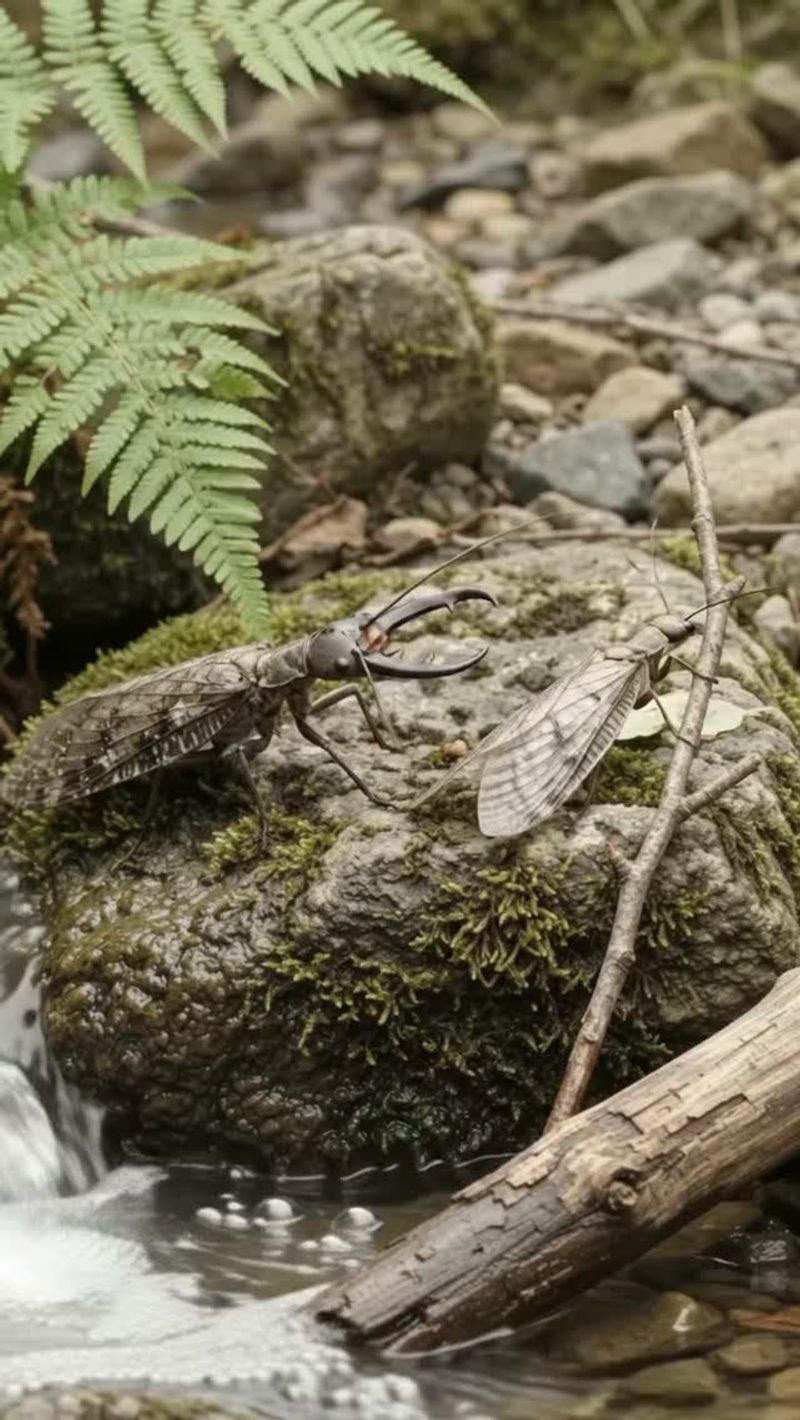
Eastern Dobsonfly
© apexboutsofficial

Some bugs look like they escaped from a science fiction movie. The male eastern dobsonfly is one of them, with long curved jaws that stick out like a pair of tusks and wings that can stretch over five inches.

They live near rivers and streams across Wisconsin and often show up around porch lights on summer nights. Spotting one on your screen door can be a real heart-stopper.

Funny enough, those huge jaws are too long to pinch people effectively. The males use them to impress females, not to attack.

Females have shorter jaws that can give a small nip, but nothing dangerous. Anglers actually prize their larvae, called hellgrammites, as fishing bait.

So that alien bug is really a sign of a clean, healthy stream nearby.

Share this story
HB

Written by

Heidi Brandt

More from Heidi Brandt →

About Gardening Latest

Gardening Latest provides in-depth guides to maintaining and enhancing your garden and backyard. Learn how to make the most of the space you have and create a beautiful garden.

More about us →

Latest stories

  • Iowa GardeningWhat Those Coyote Howls Near Your Iowa Home at Night Really Tell You, and What They Don’t

    What Those Coyote Howls Near Your Iowa Home at Night Really Tell You, and What They Don’t

    21 min ago
  • Massachusetts GardeningMassachusetts Has Venomous Spiders That Sneak Indoors as Nights Get Cold, and Here’s How to Spot Them

    Massachusetts Has Venomous Spiders That Sneak Indoors as Nights Get Cold, and Here’s How to Spot Them

    1 hr ago
  • Delaware GardeningDelaware’s Northern Short-Tailed Shrew Has a Venomous Bite, and Fallen Leaves Can Make Good Habitat

    Delaware’s Northern Short-Tailed Shrew Has a Venomous Bite, and Fallen Leaves Can Make Good Habitat

    1 hr ago
  • Kentucky GardeningWhy You Hear Coyotes Howling After Dark in Kentucky

    Why You Hear Coyotes Howling After Dark in Kentucky

    1 hr ago
  • South Carolina GardeningHearing Coyotes Howl Near Your South Carolina Home at Night? What Their Calls Can and Cannot Tell You

    Hearing Coyotes Howl Near Your South Carolina Home at Night? What Their Calls Can and Cannot Tell You

    1 hr ago

Gardening by state

Stories for your state, and the hardiness zone most of it gardens in.

Keep exploring

Read next

All Wisconsin Gardening →
Wisconsin GardeningWhy Your Wisconsin Rhubarb May Be Flowering and Whether to Cut the Stalk
Wisconsin Gardening

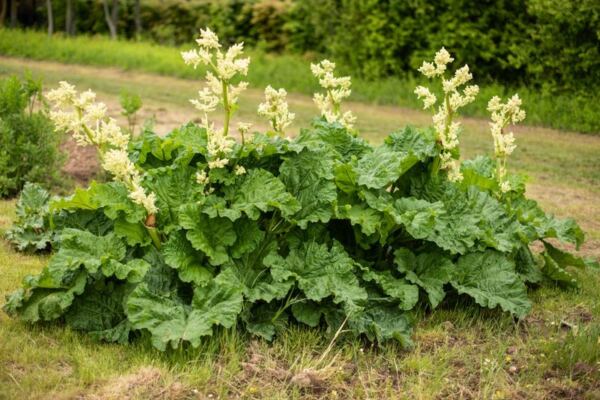
Why Your Wisconsin Rhubarb May Be Flowering and Whether to Cut the Stalk

5 hr ago
Wisconsin GardeningThese Venomous Critters Share Wisconsin Yards With You, And Fall Is When You’ll Spot Them
Wisconsin Gardening

These Venomous Critters Share Wisconsin Yards With You, And Fall Is When You’ll Spot Them

9 hr ago
Wisconsin GardeningWhat Happens To Your Body When You Eat Celery Every Day In Wisconsin
Wisconsin Gardening

What Happens To Your Body When You Eat Celery Every Day In Wisconsin

Yesterday

More from Wisconsin Gardening

  • Leafless Vines in Wisconsin: Is Porcelain Berry the Culprit on Your Tree or Fence?

    Nov 15
  • What Those Coyote Howls Near Your Iowa Home at Night Really Tell You, and What They Don’t

    21 min ago
Back to top

Leave a response Cancel

Your email address stays private. Required fields are marked with an asterisk.

Gardening Latest

In-depth guides to maintaining and enhancing your garden and backyard: how to make the most of the space you have, and how to make it beautiful.

  • Facebook
  • X
  • Pinterest
  • YouTube

We may earn a portion of sales from products or services that are purchased through our site as part of our affiliate partnerships with retailers.

Explore

  • About GardeningLatest.com
  • Contact Us
  • Terms and Conditions
  • Privacy
  • Editorial Note:
  • FTC Disclosure

Newsletter

New garden guides and seasonal tips, straight to your inbox.

We’ll email you a link to confirm. Unsubscribe any time.

Almost there! Check your inbox and tap the link to confirm.

© 2026 Gardening Latest. All rights reserved.

Back to top