Get the latest garden guides in your inbox →
Gardening Latest
  • General Gardening
  • Lawn Care
  • Plant Care
  • Composting
  • Soil Health
  • Backyard
  • Garden Muse Magazine
  • General Gardening
  • Lawn Care
  • Plant Care
  • Composting
  • Soil Health
  • Backyard
  • Garden Muse Magazine
  • News
  • Gardening Calendar
  • Garden Structures
  • Vegetable Garden
  • Vertical Garden
  • Raised Beds
  • Hydroponics
  • General Equipment
  • Community Gardens
Garden Themes
  • Spiritual Garden
  • Hydroseeding
  • Seeding and Laying Sod
  • Artificial Grass
  • Lawn Care Equipment
  • Plants
  • Trees
  • Planting Tools
  • Composting Basics
  • Fertilizer
  • Alternative Growing Mediums
  • Front Yard
  • Backyard Activities
  • Landscaping
Gardening Latest

Explore by state

Which state is your garden in?

Currently viewing Kentucky

All states

Northeast

  • Connecticut —
  • Delaware 19
  • Maine —
  • Maryland 5
  • Massachusetts 21
  • New Hampshire —
  • New Jersey 5
  • New York 14
  • Pennsylvania 14
  • Rhode Island —
  • Vermont —

Southeast

  • Alabama 4
  • Arkansas —
  • Florida 5
  • Georgia 5
  • Kentucky 19
  • Louisiana 4
  • Mississippi —
  • North Carolina 3
  • South Carolina 18
  • Tennessee 1
  • Virginia 4
  • West Virginia —

Midwest

  • Illinois 3
  • Indiana 6
  • Iowa 18
  • Kansas —
  • Michigan 5
  • Minnesota 3
  • Missouri 3
  • Nebraska —
  • North Dakota —
  • Ohio 5
  • South Dakota —
  • Wisconsin 19

Southwest

  • Arizona 4
  • Colorado —
  • Nevada —
  • New Mexico —
  • Oklahoma —
  • Texas 3
  • Utah —

West

  • Alaska —
  • California 4
  • Hawaii —
  • Idaho —
  • Montana —
  • Oregon —
  • Washington —
  • Wyoming —

No state matches that search.

Site menu

Gardening Latest
  • General Gardening
    • News
    • Gardening Calendar
    • Garden Structures
    • Vegetable Garden
    • Vertical Garden
    • Raised Beds
    • Hydroponics
    • General Equipment
    • Community Gardens
    Garden Themes
    • Spiritual Garden
  • Lawn Care
    • Hydroseeding
    • Seeding and Laying Sod
    • Artificial Grass
    • Lawn Care Equipment
  • Plant Care
    • Plants
    • Trees
    • Planting Tools
  • Composting
    • Composting Basics
  • Soil Health
    • Fertilizer
    • Alternative Growing Mediums
  • Backyard
    • Front Yard
    • Backyard Activities
    • Landscaping
  • Garden Muse Magazine

Explore

  • About GardeningLatest.com
  • Contact Us

Get the latest from the garden

New guides on lawn care, plants and backyard projects, sent when they go up.

Subscribe →

Follow

  • Facebook
  • X
  • Pinterest
  • YouTube
Kentucky Gardening

Before You Trap That Possum in Your Kentucky Yard, Here Are 7 Things Every Homeowner Should Know

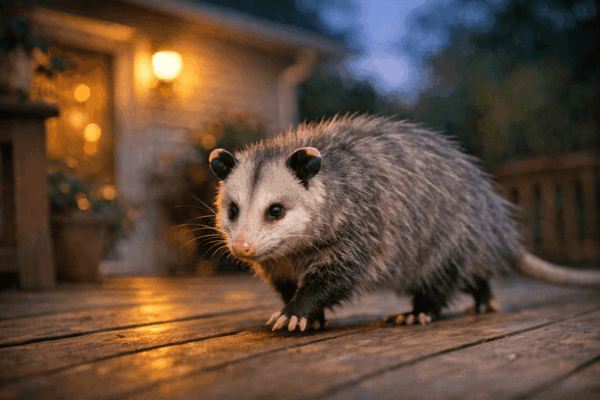
You step outside with your morning coffee and spot a gray, rat-tailed critter waddling under your deck.

HC

By Hattie Combs

November 22, 2026 · 5 min read

Before You Trap That Possum in Your Kentucky Yard, Here Are 7 Things Every Homeowner Should Know

You step outside with your morning coffee and spot a gray, rat-tailed critter waddling under your deck. Your first thought might be to grab a trap and get rid of it fast.

In Kentucky, though, trapping a possum comes with rules, risks, and a few surprises most people never hear about. Knowing the facts first can save you money, trouble, and maybe even a fine.

At a glance

Where
Kentucky Gardening
Hardiness zone
7 0 to 10°F
Read
5 minutes
Published
November 22, 2026

1. Kentucky Law Treats Possums as Furbearers
Kentucky Law Treats Possums as Furbearers
© steady_yeti_

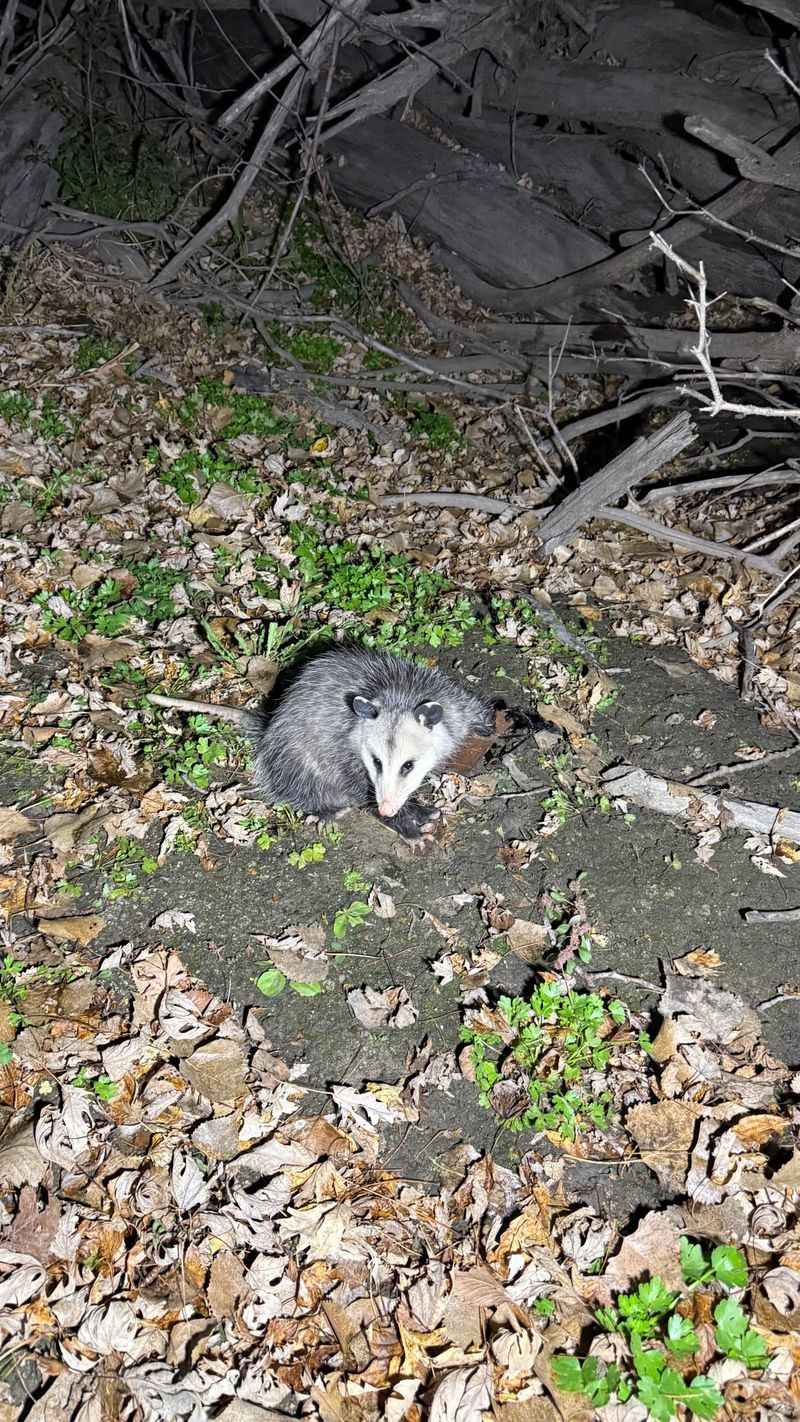
Here is a surprise for many folks: in the eyes of the state, that possum is not just a pest. The Kentucky Department of Fish and Wildlife Resources classifies opossums as furbearers, which puts them in the same legal group as raccoons and foxes.

That label matters. Hunting and trapping furbearers is regulated, with set seasons and, in many cases, license requirements.

Landowners do have some leeway to deal with wildlife causing damage on their own property, but the details can change, so a quick call to the KDFWR before you act is a smart move.

Skipping that step could leave you facing a citation you never saw coming. A five-minute phone call is a lot cheaper than a fine.

2. Relocating a Possum Is Usually Not Allowed
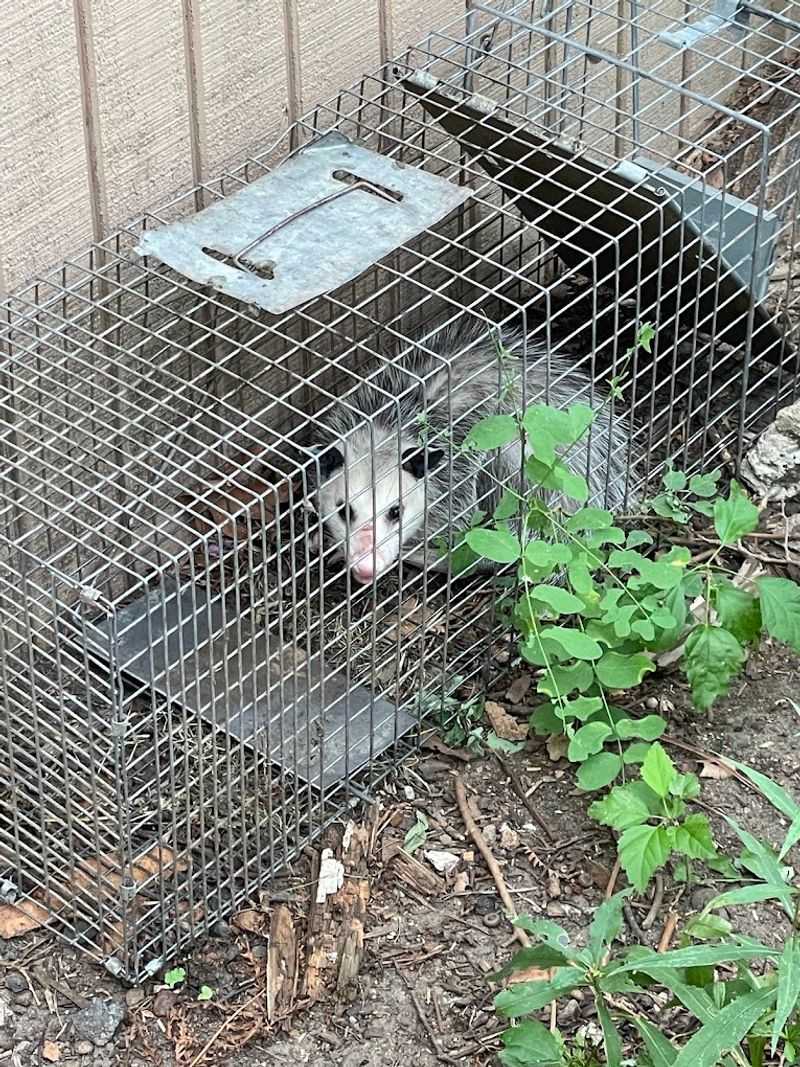
Relocating a Possum Is Usually Not Allowed
© Michigan’s Bat Expert

Picture this. You catch the possum, load the cage into your truck, and drive it out to a pretty patch of woods ten miles away, feeling like a wildlife hero.

Unfortunately, Kentucky generally does not allow people to release trapped wildlife on land they do not own without permission, and moving animals around can spread disease. Relocated possums also tend to struggle, since they get dropped into unfamiliar territory with no den and plenty of competition.

A neighbor once called a pest service in a panic because a possum died in her yard.

Most survive only a short time after being moved. Before you set a trap, have a clear, legal plan for what happens next, whether that means releasing on site or calling a licensed nuisance wildlife operator.

3. Possums Are Surprisingly Helpful Neighbors
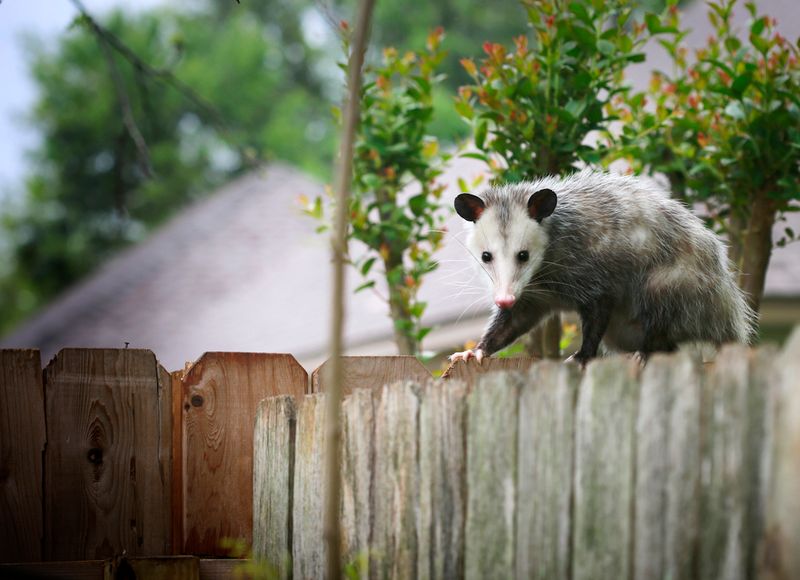
Possums Are Surprisingly Helpful Neighbors
© Bob Vila

Few backyard animals have worse public relations than the opossum, and few deserve it less. These scruffy marsupials are basically a free cleanup crew.

They munch on slugs, snails, beetles, mice, rotting fruit, and even dead animals. Some research has also shown possums groom off and eat many of the ticks that land on them, though scientists still debate exactly how many.

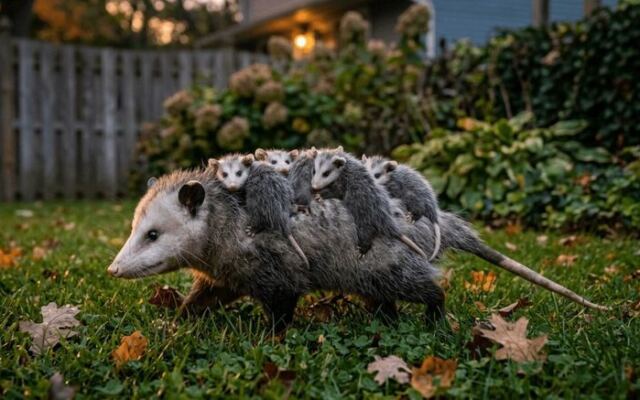
Did you know? The opossum is North America’s only marsupial, meaning mama carries her babies in a pouch like a tiny kangaroo.

Having one around might actually keep your garden healthier.

4. Rabies Risk Is Lower Than You Think
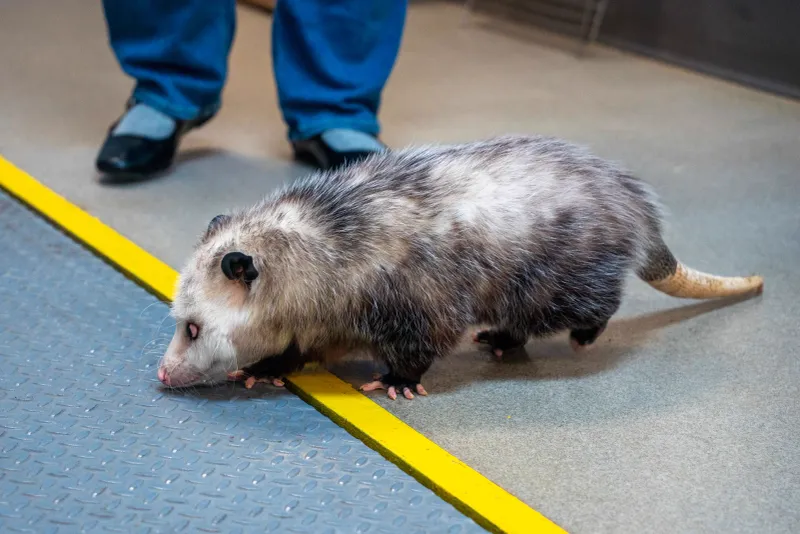
Rabies Risk Is Lower Than You Think
© X

Sure, a hissing possum with fifty teeth on display looks like a horror movie extra. That snarl is mostly bluff.

Opossums have a lower body temperature than most mammals, which makes it hard for the rabies virus to thrive. Cases do happen, but they are rare compared to raccoons, skunks, and bats.

Still, rare does not mean impossible, and possums can carry other germs like leptospirosis and fleas. Never handle one with bare hands, and keep pets away.

If a possum is acting strangely during the day, such as stumbling or circling, call animal control rather than playing detective yourself.

5. Playing Dead Is Real, So Do Not Panic
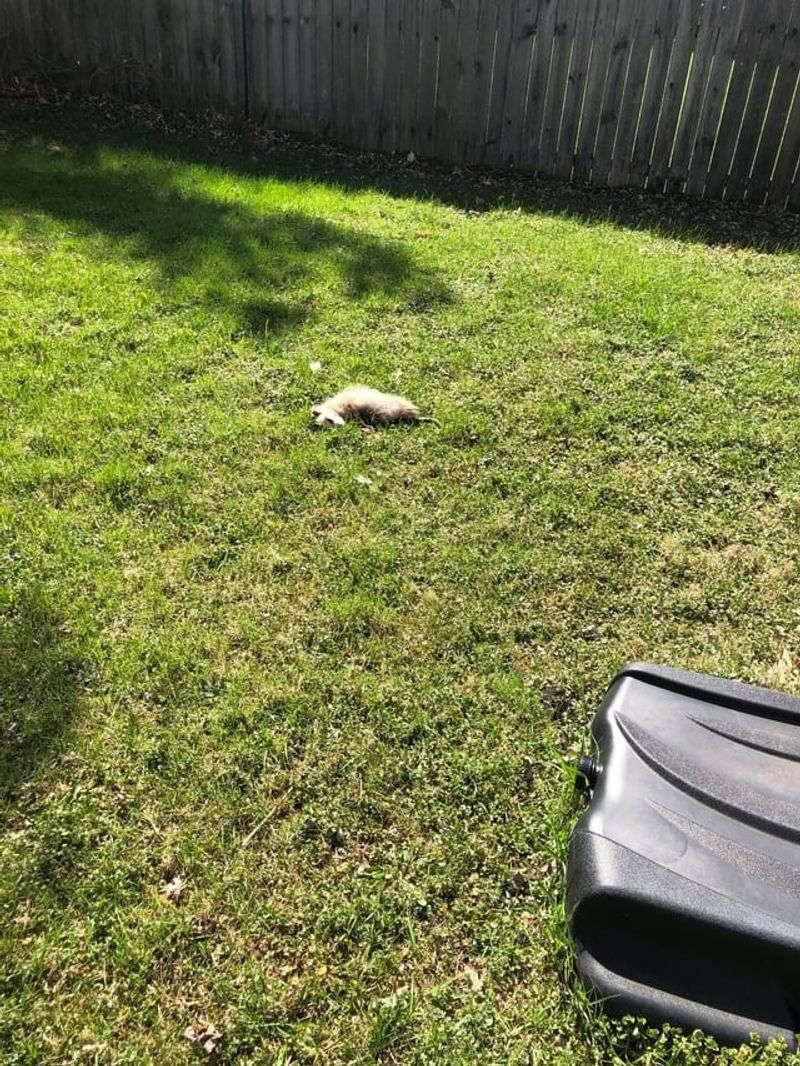
Playing Dead Is Real, So Do Not Panic
© Reddit

A neighbor once called a pest service in a panic because a possum died in her yard. By the time the truck showed up, the corpse had strolled away.

Playing possum is not just a saying. When terrified, an opossum can fall into an involuntary, coma-like state for minutes or even hours.

It drools, bares its teeth, and may release a foul smell that convinces predators the meal has gone bad.

So if you find a stiff possum near your trap or in the grass, give it space and time. Leave the area quietly, check back in a few hours, and you may find nothing but an empty patch of lawn.

6. Spring Babies Change Everything
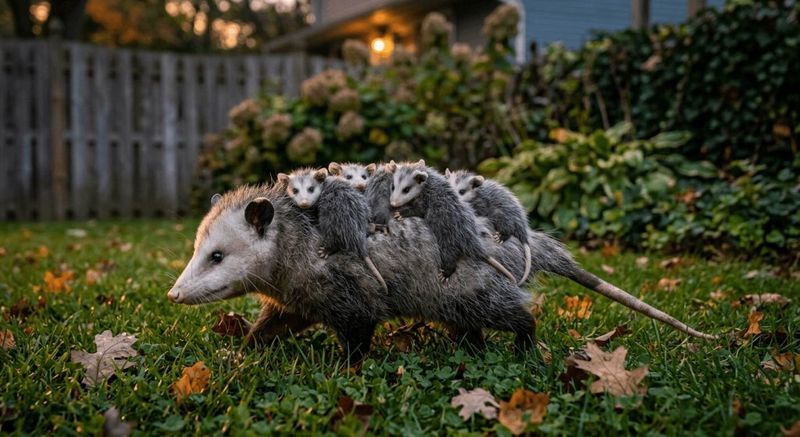
Spring Babies Change Everything
© Ruffled Feathers Parrot Sanctuary Inc.

Timing is everything. Between roughly February and summer, Kentucky possums are busy raising families, and a mother may have up to a dozen or more babies tucked in her pouch or clinging to her back.

Trap the mother during this stretch and those babies often die of starvation or cold. Worse, if she had them in a den under your shed, you might end up with a smell problem a week later.

Check for signs of young before you act. If you spot tiny possums, contact a licensed wildlife rehabilitator, who can guide you on next steps.

Waiting a few weeks until the young head off on their own is often the kindest and easiest fix.

7. Prevention Beats Trapping Every Time
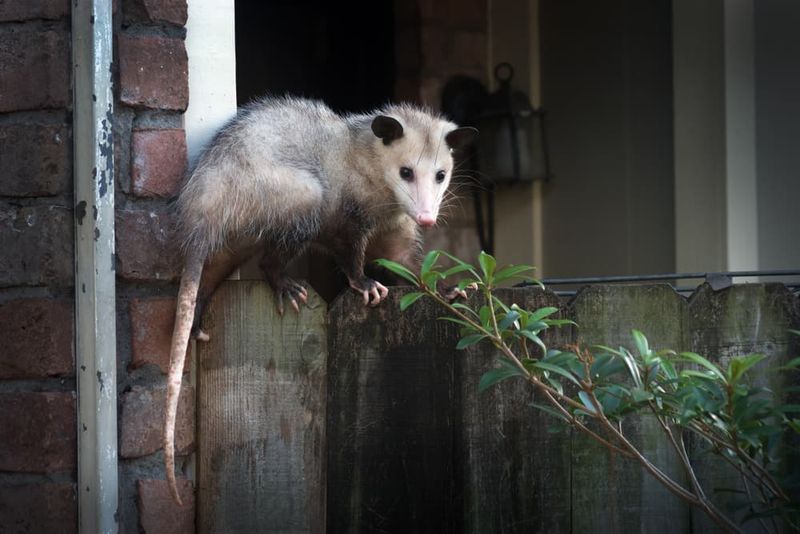
Prevention Beats Trapping Every Time
© EcoCare Pest Control

Trap one possum and another may move in next month. The real question is what drew it there in the first place.

Possums are opportunists, not invaders. Food and shelter are the big magnets, so start with these steps:

Bring pet bowls inside at night and use trash cans with tight, locking lids. Pick up fallen fruit, and keep bird feeders tidy so seed does not pile up underneath.

Seal gaps under decks, porches, and sheds with sturdy hardware cloth, burying the edge a few inches deep. Make sure no animal is inside before closing it up.

Motion-activated lights or sprinklers can also nudge a curious possum to move along.

Do these things, and your yard simply stops being a good place to live. Most possums will wander off without a single trap set.

Share this story
HC

Written by

Hattie Combs

More from Hattie Combs →

About Gardening Latest

Gardening Latest provides in-depth guides to maintaining and enhancing your garden and backyard. Learn how to make the most of the space you have and create a beautiful garden.

More about us →

Latest stories

  • Louisiana GardeningSomething Digs Through Louisiana Lawns Every Night, And By Morning You See The Damage

    Something Digs Through Louisiana Lawns Every Night, And By Morning You See The Damage

    1 min ago
  • Delaware GardeningStung by a Saddleback Caterpillar While Weeding in Delaware? Do These Things Right Away

    Stung by a Saddleback Caterpillar While Weeding in Delaware? Do These Things Right Away

    7 min ago
  • South Carolina GardeningThat Spider in Your South Carolina Closet Is Probably Not a Brown Recluse, Here’s What It Really Is

    That Spider in Your South Carolina Closet Is Probably Not a Brown Recluse, Here’s What It Really Is

    15 min ago
  • Kentucky GardeningSpot a Bobcat Slipping Along Your Kentucky Fence Line This Winter? Here’s What It Wants

    Spot a Bobcat Slipping Along Your Kentucky Fence Line This Winter? Here’s What It Wants

    21 min ago
  • Florida GardeningThe Florida Yard Cleanup That Keeps Black Racers From Hanging Around Your Back Door

    The Florida Yard Cleanup That Keeps Black Racers From Hanging Around Your Back Door

    27 min ago

Gardening by state

Stories for your state, and the hardiness zone most of it gardens in.

Keep exploring

Read next

All Kentucky Gardening →
Kentucky GardeningSpot a Bobcat Slipping Along Your Kentucky Fence Line This Winter? Here’s What It Wants
Kentucky Gardening

Spot a Bobcat Slipping Along Your Kentucky Fence Line This Winter? Here’s What It Wants

21 min ago
Kentucky GardeningWhy You Might See an Opossum Near Your Kentucky Home in Winter, and What to Do
Kentucky Gardening

Why You Might See an Opossum Near Your Kentucky Home in Winter, and What to Do

20 hr ago
Kentucky GardeningCan You Legally Cut Your Neighbor’s Tree Branches Hanging Over Your Kentucky Fence? Here’s the Answer
Kentucky Gardening

Can You Legally Cut Your Neighbor’s Tree Branches Hanging Over Your Kentucky Fence? Here’s the Answer

Yesterday

More from Kentucky Gardening

  • Do This To Your Outdoor Faucets Before A Hard Kentucky Freeze Splits The Pipe Inside Your Wall

    Nov 19
  • Venomous Critters Live Closer Than You Think In Kentucky Yards, And Fall Is When They Show Up

    Nov 19
Back to top

Leave a response Cancel

Your email address stays private. Required fields are marked with an asterisk.

Gardening Latest

In-depth guides to maintaining and enhancing your garden and backyard: how to make the most of the space you have, and how to make it beautiful.

  • Facebook
  • X
  • Pinterest
  • YouTube

We may earn a portion of sales from products or services that are purchased through our site as part of our affiliate partnerships with retailers.

Explore

  • About GardeningLatest.com
  • Contact Us
  • Terms and Conditions
  • Privacy
  • Editorial Note:
  • FTC Disclosure

Newsletter

New garden guides and seasonal tips, straight to your inbox.

We’ll email you a link to confirm. Unsubscribe any time.

Almost there! Check your inbox and tap the link to confirm.

© 2026 Gardening Latest. All rights reserved.

Back to top