You walk outside with your morning coffee and find little holes, torn-up patches, and loose dirt all over the grass. It looks like someone threw a tiny party on your lawn while you slept.
In Louisiana, a whole crew of night visitors loves to dig, and most of them are hunting for food hiding in the soil. Knowing who is doing the digging is the first step to saving your yard.
1. Nine-Banded Armadillo
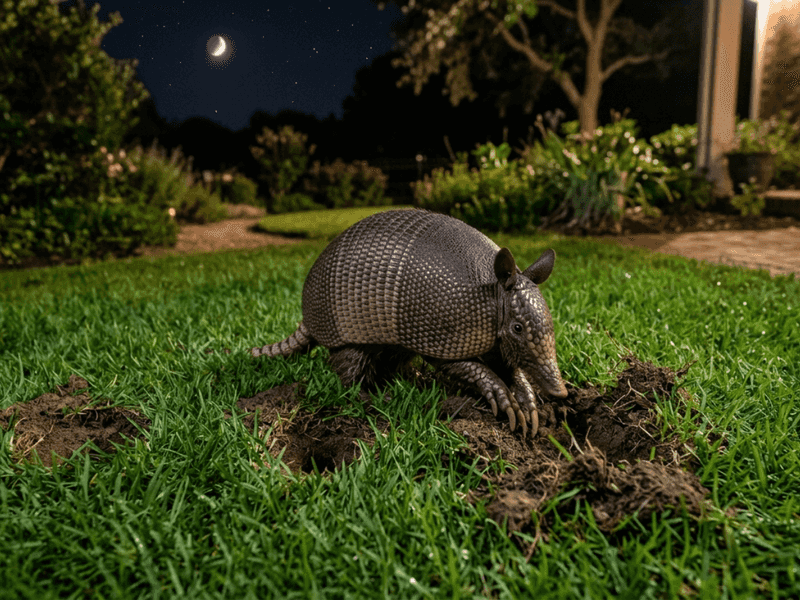
Picture a little armored tank rooting around your flower beds at 2 a.m. That is the nine-banded armadillo, Louisiana’s most famous lawn wrecker.
Its long snout pokes into soft soil looking for grubs, worms, and beetles.
The damage is easy to spot. You will see shallow, cone-shaped holes about three to five inches wide, often with grass flipped over like a pancake.
Armadillos can dig dozens of these in a single night.
Fun fact: armadillos almost always give birth to four identical babies. They also have poor eyesight, so they rely on their nose to find dinner.
Reducing grubs in your lawn and installing a buried fence can send them packing.
2. Raccoon
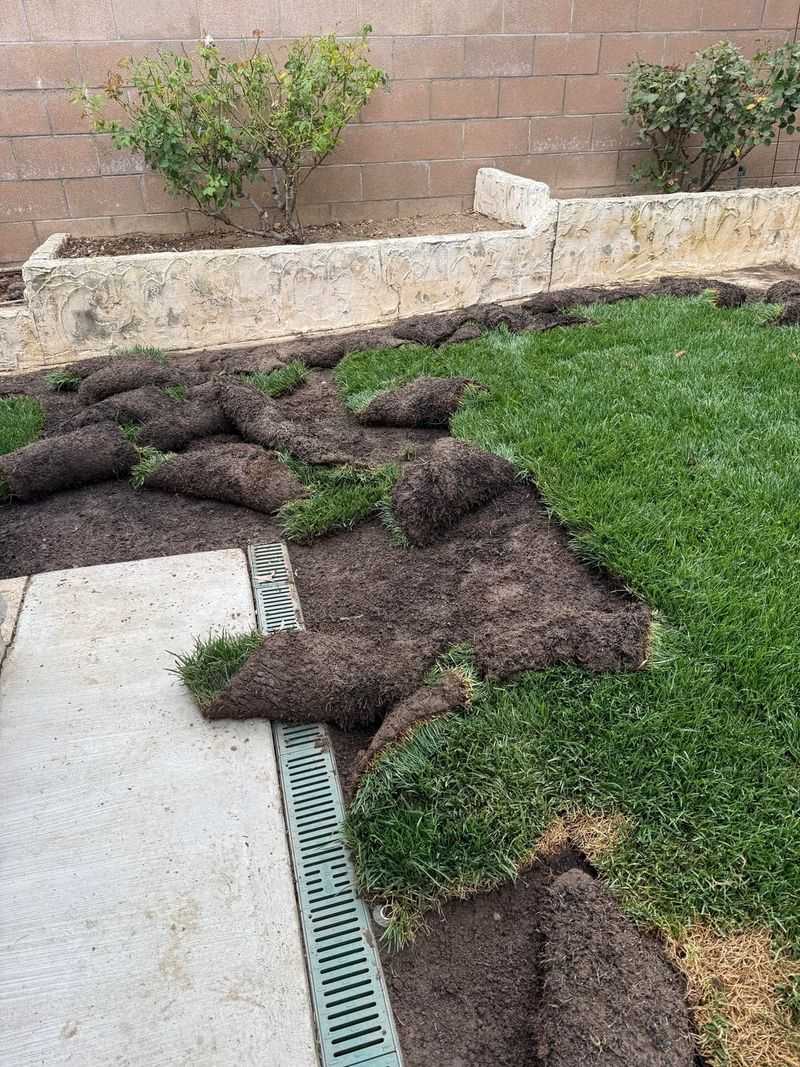
Ever found strips of grass rolled back like a carpet? Raccoons are clever little bandits with hands that work almost like ours.
They grab the turf, peel it back, and snack on the grubs underneath.
New sod is a favorite target because the roots have not grabbed hold yet. A single raccoon family can undo a weekend of yard work in one night.
They usually show up after rain, when bugs move closer to the surface.
Keep trash cans locked and pet food indoors. A motion-activated sprinkler is also a funny but effective way to tell these masked visitors they are not welcome.
3. Skunk
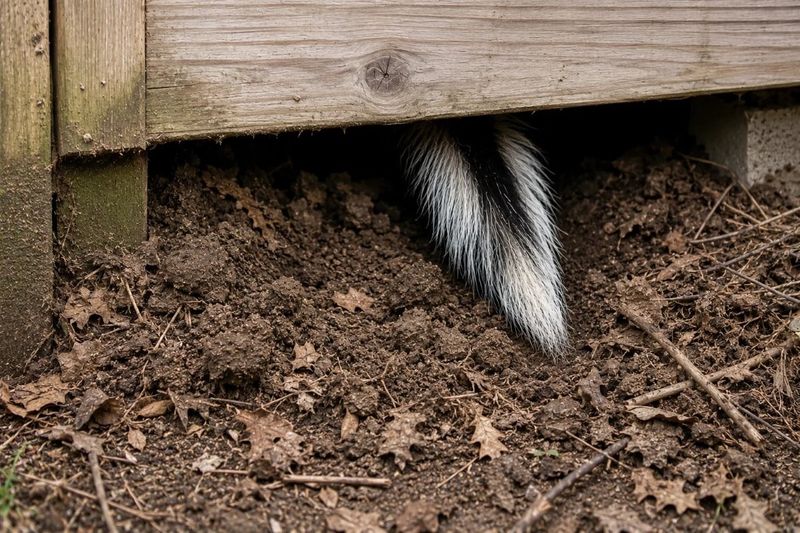
If your yard has neat little holes and a faint, unmistakable smell, a skunk may be your culprit. Skunks are polite diggers compared to raccoons.
They make small, round pits about three inches across.
These striped critters are actually helpful in some ways, since they eat tons of grubs, crickets, and even mice. The trouble is that they dig a lot of holes to find them.
Skunks also like to den under porches and sheds.
Give them plenty of space if you spot one. Sealing openings under buildings and cutting down on lawn grubs will usually encourage them to move along without any stinky drama.
4. Feral Hogs
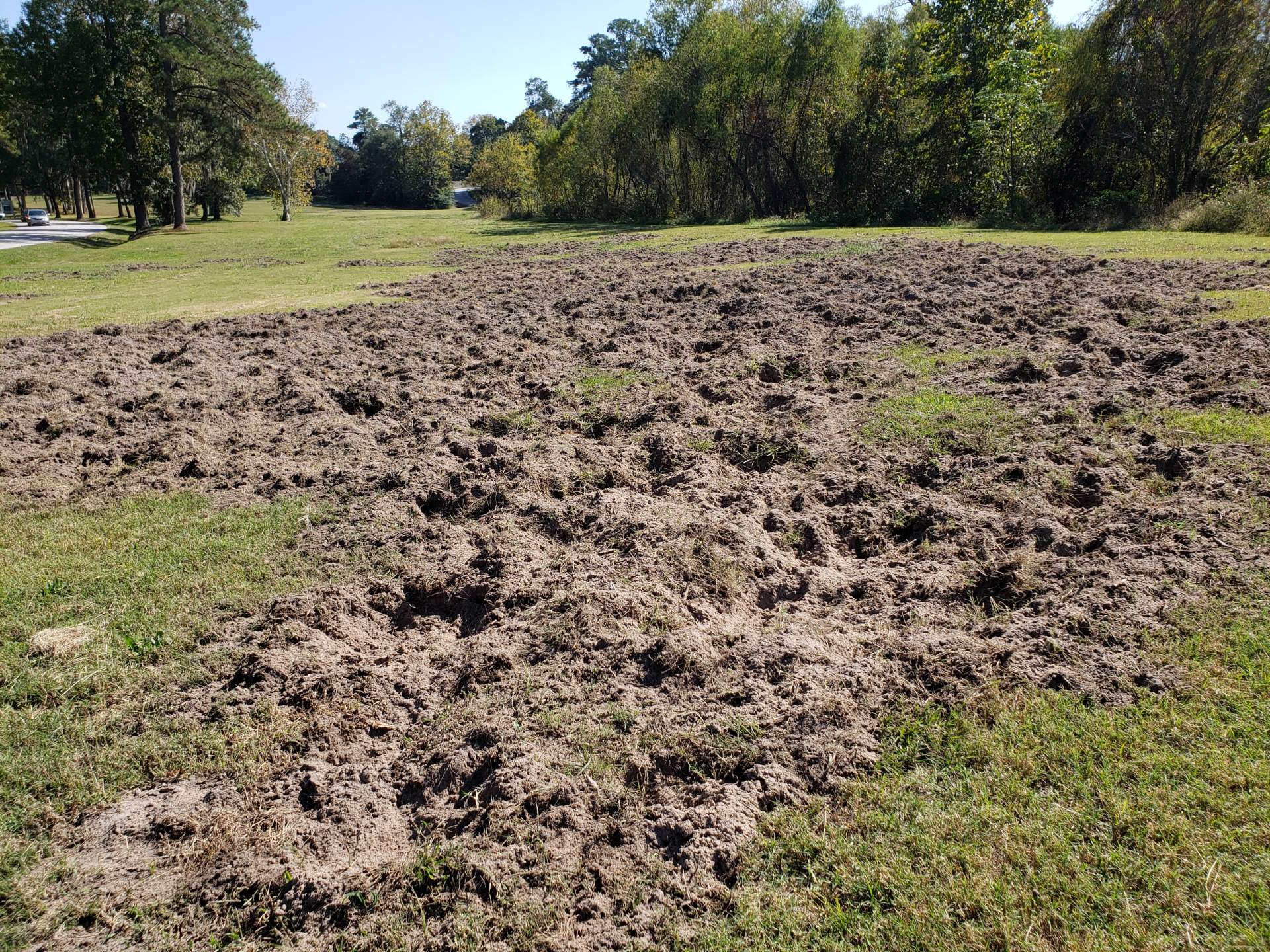
Some homeowners in rural Louisiana wake up to a yard that looks plowed. No small critter did that.
Feral hogs travel in groups called sounders and can tear up an entire acre overnight.
They root with powerful snouts, flipping soil several inches deep while searching for roots, worms, and insects. Louisiana has hundreds of thousands of these hogs, and the damage costs farmers and homeowners millions every year.
Hogs are strong, smart, and sometimes aggressive. Sturdy fencing and help from wildlife professionals are your best bet.
Never try to chase off a sounder alone.
5. Eastern Mole
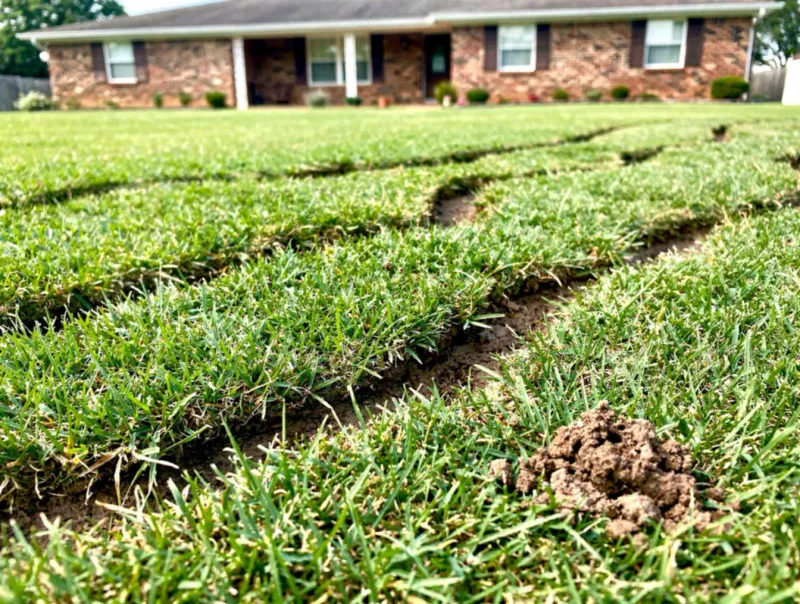
Raised ridges snaking across the grass are a classic mole calling card. Moles rarely come above ground.
Instead, they tunnel just below the surface with huge, shovel-like front paws.
Here is a surprise: moles do not eat your grass roots. They are after earthworms and grubs.
Still, their tunnels lift the turf, dry out roots, and leave squishy spots that twist ankles.
Moles can dig up to 18 feet per hour. Trapping during active seasons and keeping worm-loving soil less soggy can help.
Step on a ridge, and if it pops back up a day later, you know the tunnel is active.
6. Southeastern Pocket Gopher
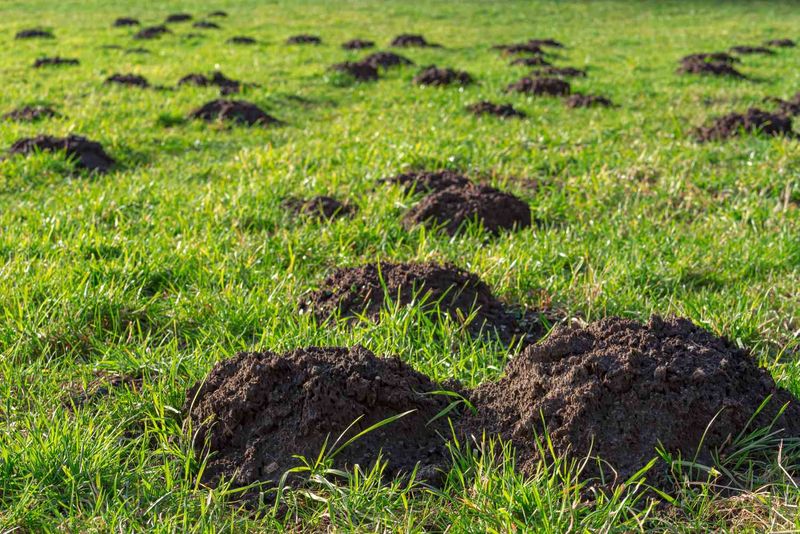
Fan-shaped piles of dirt with no open hole? Meet the pocket gopher.
Unlike moles, gophers are plant eaters, and they will happily munch roots, bulbs, and even small shrubs from below.
Their name comes from fur-lined cheek pouches they use to carry food, kind of like tiny built-in grocery bags. In Louisiana, they prefer sandy and loamy soils, especially in the western parishes.
Gophers plug their holes behind them, which makes them tricky to find. Probing near fresh mounds to locate the main tunnel is the key step before trapping.
Wire baskets around new plantings protect your favorite flowers.
7. Grubs
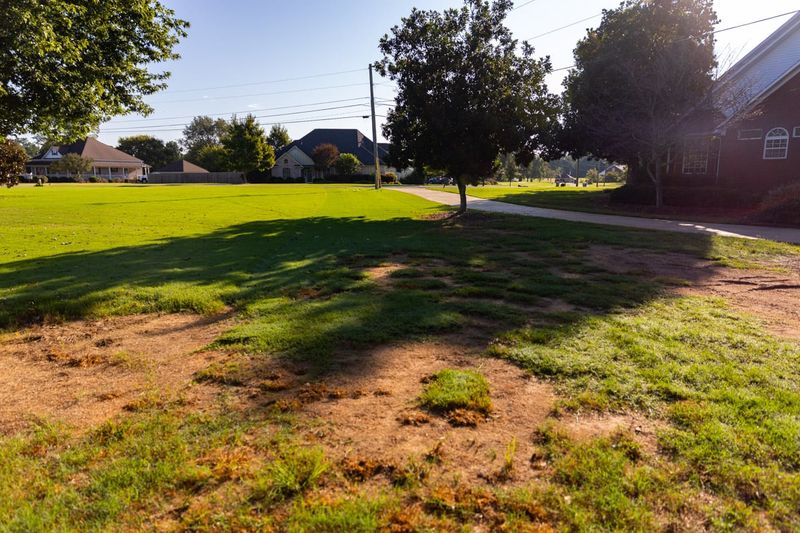
Let’s be honest, most of the creatures on this list would not bother you if this one was not there. White grubs are the baby form of June beetles and other scarab beetles.
They curl into a C shape and live under the turf.
Grubs chew grass roots, causing brown patches that lift up like loose carpet. Worse, they act like a buffet sign for armadillos, skunks, and raccoons.
Pull back a square foot of sod. If you count more than five or six grubs, treatment is worth considering.
Late summer is the best time, when grubs are young and close to the surface.
8. Mole Crickets
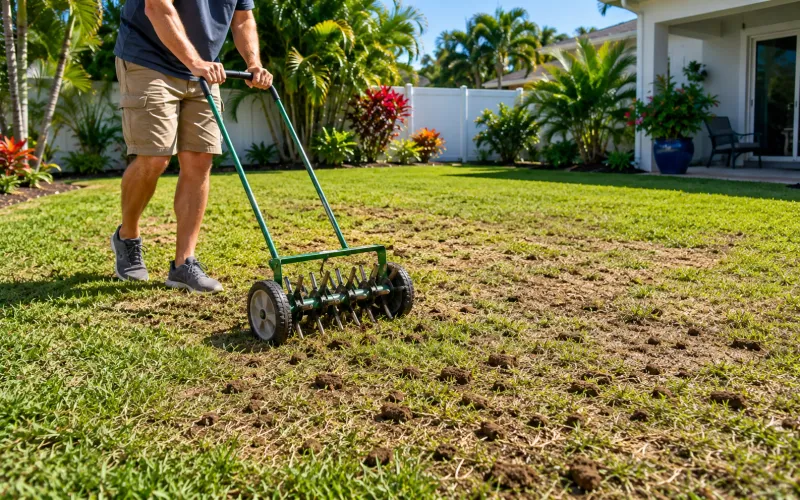
Half cricket, half bulldozer, the mole cricket looks like something from a sci-fi movie. Its front legs are built for digging, and it loves the warm, sandy soils of south Louisiana.
Mole crickets tunnel just under the surface at night, loosening soil and chewing roots. The grass turns spongy and brown, especially in bermudagrass and bahiagrass.
Birds and raccoons then dig more holes chasing them.
Try the soap test: mix two tablespoons of dish soap in a gallon of water and pour it on a suspect spot. Within minutes, mole crickets will crawl up to the surface, and you will know what you are dealing with.
9. Nine-Banded Neighbor Cats and Dogs
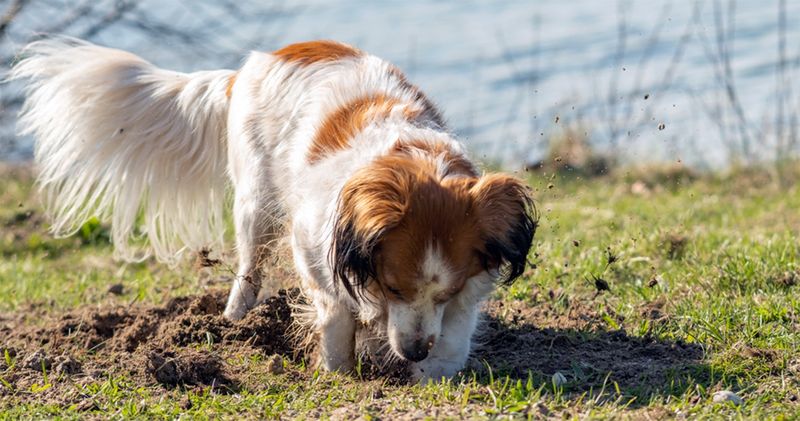
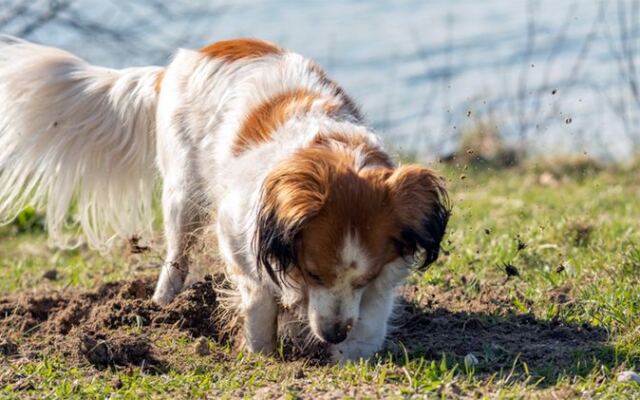
Sometimes the mystery digger has a collar. Roaming dogs and outdoor cats can leave scrapes and holes that look a lot like wildlife damage.
Dogs dig deep, messy holes, often near fences or in cool shady spots during hot Louisiana summers. Cats tend to scratch shallow pits in soft mulch or garden beds to use as a bathroom.
A trail camera can solve the case fast. If a neighbor’s pet is the culprit, a friendly chat usually works better than any spray or trap.
10. Crawfish Chimneys
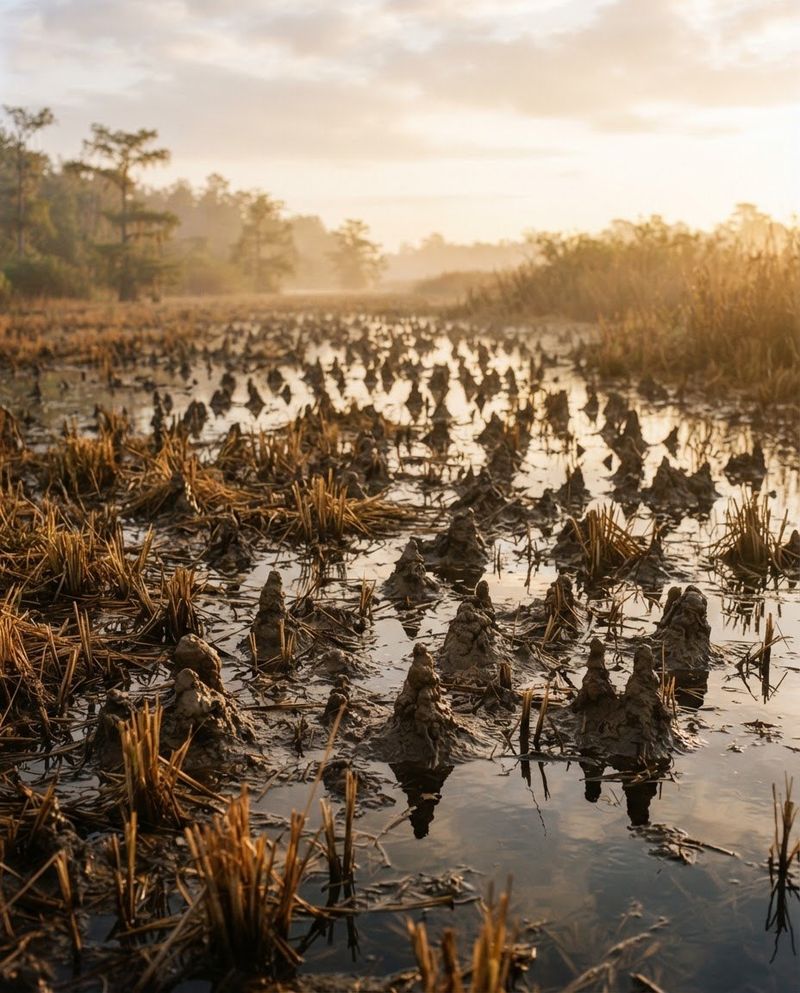
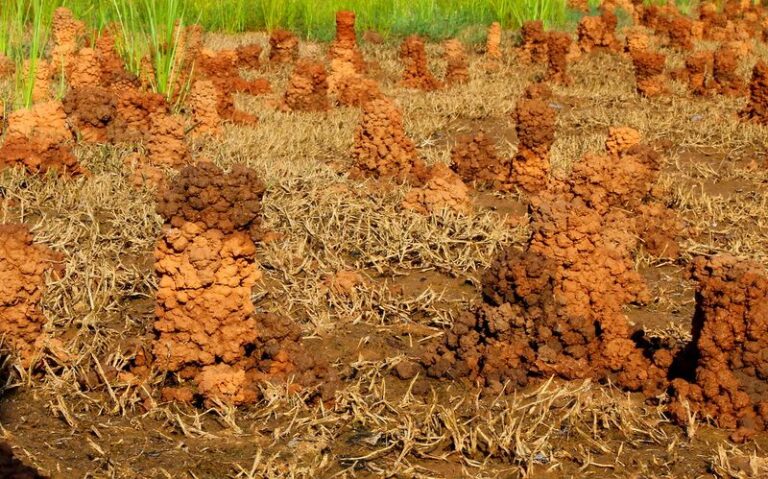
Only in Louisiana could you blame your lawn problems on dinner. Those odd mud towers popping up in low, soggy yards are crawfish chimneys, built by burrowing crawfish pushing mud balls up from below.
Crawfish dig down to reach the water table, sometimes three feet deep. The chimneys can trip mowers and leave lumpy, muddy spots, especially in spring after heavy rains.
They mean no harm and actually help aerate soil. Knocking the chimneys flat and improving drainage is usually enough.
Think of it as a very Louisiana reminder that your yard sits on wet ground. Matching each sign to its digger turns a frustrating mess into a problem you can actually fix.
Share this story