Get the latest garden guides in your inbox →
Gardening Latest
  • General Gardening
  • Lawn Care
  • Plant Care
  • Composting
  • Soil Health
  • Backyard
  • Garden Muse Magazine
  • General Gardening
  • Lawn Care
  • Plant Care
  • Composting
  • Soil Health
  • Backyard
  • Garden Muse Magazine
  • News
  • Gardening Calendar
  • Garden Structures
  • Vegetable Garden
  • Vertical Garden
  • Raised Beds
  • Hydroponics
  • General Equipment
  • Community Gardens
Garden Themes
  • Spiritual Garden
  • Hydroseeding
  • Seeding and Laying Sod
  • Artificial Grass
  • Lawn Care Equipment
  • Plants
  • Trees
  • Planting Tools
  • Composting Basics
  • Fertilizer
  • Alternative Growing Mediums
  • Front Yard
  • Backyard Activities
  • Landscaping
Gardening Latest

Explore by state

Which state is your garden in?

Currently viewing Delaware

All states

Northeast

  • Connecticut —
  • Delaware 19
  • Maine —
  • Maryland 5
  • Massachusetts 21
  • New Hampshire —
  • New Jersey 5
  • New York 14
  • Pennsylvania 14
  • Rhode Island —
  • Vermont —

Southeast

  • Alabama 4
  • Arkansas —
  • Florida 5
  • Georgia 5
  • Kentucky 19
  • Louisiana 4
  • Mississippi —
  • North Carolina 3
  • South Carolina 18
  • Tennessee 1
  • Virginia 4
  • West Virginia —

Midwest

  • Illinois 4
  • Indiana 6
  • Iowa 18
  • Kansas —
  • Michigan 5
  • Minnesota 3
  • Missouri 3
  • Nebraska —
  • North Dakota —
  • Ohio 5
  • South Dakota —
  • Wisconsin 19

Southwest

  • Arizona 4
  • Colorado —
  • Nevada —
  • New Mexico —
  • Oklahoma —
  • Texas 3
  • Utah —

West

  • Alaska —
  • California 4
  • Hawaii —
  • Idaho —
  • Montana —
  • Oregon —
  • Washington —
  • Wyoming —

No state matches that search.

Site menu

Gardening Latest
  • General Gardening
    • News
    • Gardening Calendar
    • Garden Structures
    • Vegetable Garden
    • Vertical Garden
    • Raised Beds
    • Hydroponics
    • General Equipment
    • Community Gardens
    Garden Themes
    • Spiritual Garden
  • Lawn Care
    • Hydroseeding
    • Seeding and Laying Sod
    • Artificial Grass
    • Lawn Care Equipment
  • Plant Care
    • Plants
    • Trees
    • Planting Tools
  • Composting
    • Composting Basics
  • Soil Health
    • Fertilizer
    • Alternative Growing Mediums
  • Backyard
    • Front Yard
    • Backyard Activities
    • Landscaping
  • Garden Muse Magazine

Explore

  • About GardeningLatest.com
  • Contact Us

Get the latest from the garden

New guides on lawn care, plants and backyard projects, sent when they go up.

Subscribe →

Follow

  • Facebook
  • X
  • Pinterest
  • YouTube
Delaware Gardening

Stung by a Saddleback Caterpillar While Weeding in Delaware? Do These Things Right Away

If you brush against a caterpillar while weeding, stop and do not rub the spot.

OP

By Owen Pruitt

November 22, 2026 · 6 min read

Stung by a Saddleback Caterpillar While Weeding in Delaware? Do These Things Right Away

If you brush against a caterpillar while weeding, stop and do not rub the spot. Remove any caterpillar with a tool, lift visible hairs with fresh pieces of sticky tape, wash with soap and water, and call Poison Help at 1-800-222-1222.

Getting the spines off quickly can make a big difference in how bad the burning gets. Here is how to handle each step, and when to get more help.

At a glance

Where
Delaware Gardening
Hardiness zone
7 0 to 10°F
Read
6 minutes
Published
November 22, 2026

Remove the caterpillar and its spines without rubbing
Remove the caterpillar and its spines without rubbing
© Reddit

Start by holding still and resisting the urge to rub or brush the spot. Rubbing can snap more spines and push them deeper into the skin.

You do not need to know what kind of caterpillar it was before you act, because these steps are the same for any suspected contact.

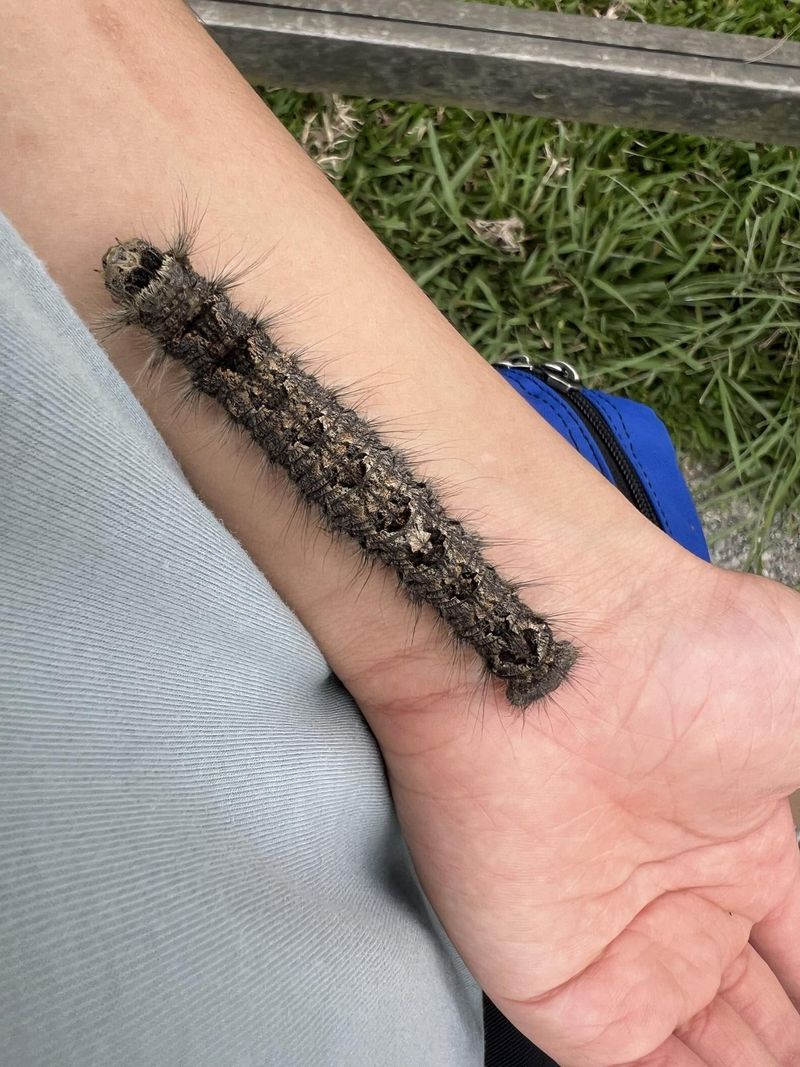
If a caterpillar is still on your skin, flick or lift it off with a tool such as a stick, a trowel, or tweezers. Skip bare hands, since the caterpillar’s spines can break off on whatever touches them.

Poison Control also says to avoid rubbing the site and use tape to remove hairs.

Next, press a piece of sticky tape gently over the area and lift it straight off to pull out visible hairs or spines. Use a fresh piece for each pass so you are not pressing the same spines back onto the skin.

Extension specialists at Virginia Tech describe this tape method followed by washing for stinging caterpillars.

After the tape, wash the skin gently with soap and water. Then call Poison Help at 1-800-222-1222, the national line that connects you to your local poison center through HRSA Poison Help.

The staff can give advice that fits your symptoms and your situation.

Ease local discomfort without treating remedies as cures
Ease local discomfort without treating remedies as cures
© A-Z Animals

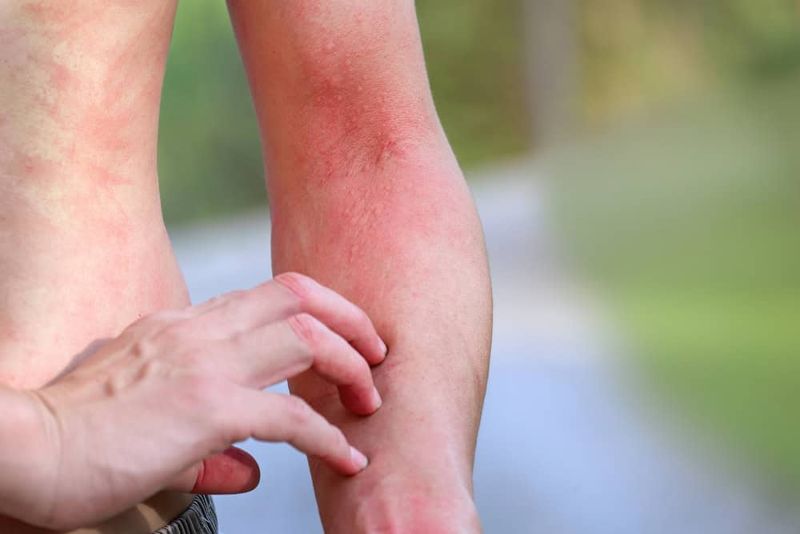
Contact with caterpillar spines can cause burning pain, redness, and swelling. Some people also get blisters.

Reactions vary from person to person, so yours may be milder or stronger than someone else’s.

Skip the home remedies and make the call, either to Poison Help at 1-800-222-1222 or to a doctor or eye clinic.

Once the spines are lifted off and the skin is washed, comfort measures may help. A cold pack wrapped in a thin cloth can take the edge off pain or swelling, and the wrapping protects your skin from the cold.

Virginia Tech’s extension publication on stinging caterpillars mentions this kind of relief, along with itch treatments.

For itching, hydrocortisone cream or an oral antihistamine may be options for some people. Follow the product label, or ask a pharmacist, doctor, or poison center whether they fit your age and health.

Think of them as comfort helpers only, since they will not remove spines and they may not stop the reaction.

Home remedies are not a sure fix either. Poison Control describes a saddleback case in which baking soda and several other measures did not help until tape removed the hairs.

Because reactions differ, there is no set timetable for when symptoms fade, so call Poison Help if things are not improving or you feel unsure.

Call 911 for signs of a severe allergic reaction

Call 911 for signs of a severe allergic reaction
© Allergy & Asthma Network

Most caterpillar contact causes local trouble on the skin, but a few people have a body-wide allergic reaction. Call 911 right away for trouble breathing, difficulty swallowing, fainting, or other signs of a severe allergic reaction.

Other warning signs listed by the American Academy of Allergy, Asthma and Immunology include swelling of the lips or tongue, a feeling of throat tightness, or dizziness.

Do not wait to see if these symptoms pass, and do not drive yourself if you feel faint. Ask someone nearby to stay with you until help arrives.

A painful, red, itchy patch of skin on its own is different, and it does not automatically mean an emergency. For that, call Poison Help at 1-800-222-1222.

The line, described on the HRSA Poison Help contact page, gives advice based on your symptoms, and the specialist can tell you if you need to be seen in person.

Eye exposure needs prompt medical advice

Eye exposure needs prompt medical advice
© The oak processionary

Caterpillar hairs in the eye call for a different response than a skin sting. Rinse the eye with water, then get prompt medical advice.

Hairs that stay in the eye can injure it, so an urgent eye exam may be needed.

Do not rub the eye, and do not hold off to see whether it settles down. Skip the home remedies and make the call, either to Poison Help at 1-800-222-1222 or to a doctor or eye clinic.

The MedlinePlus encyclopedia entry on caterpillars backs up the advice to rinse and seek care.

Inhaled hairs also need medical care. This can happen if hairs become airborne while you are working close to the plants.

If you cough, wheeze, or feel irritation in your nose or throat after contact, get medical help rather than waiting it out at home, and call 911 if breathing becomes difficult.

A painful rash cannot confirm a saddleback
A painful rash cannot confirm a saddleback
© Newsweek

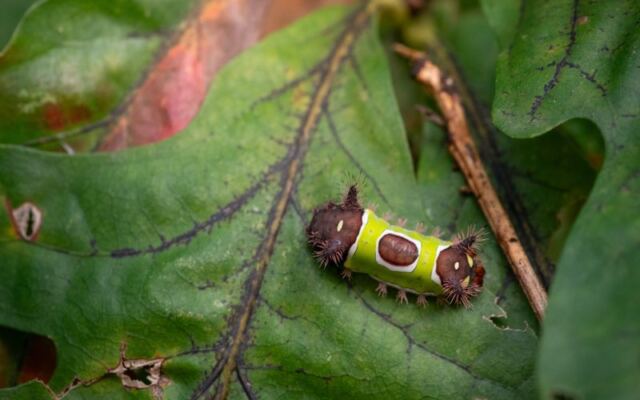
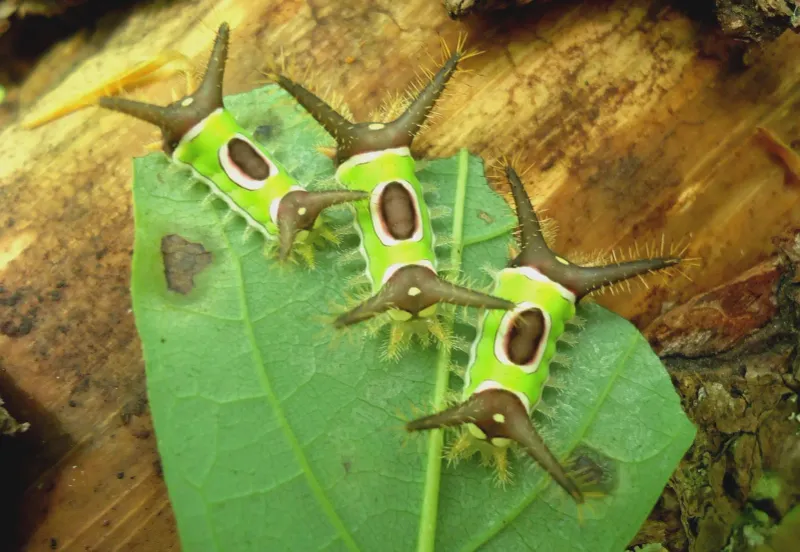
Caterpillars like the saddleback do not have a bee-style stinger. Their hairs or spines can break off on contact and release irritating material that causes a reaction.

Virginia Tech’s extension guide notes that the saddleback has a green saddle with a brown patch in the middle.

That description is a helpful clue if you actually saw the caterpillar, but it is not a diagnosis. A painful rash after weeding cannot tell you which species caused it, since other stinging caterpillars can cause similar reactions.

If you did not see the culprit, treat it as suspected caterpillar contact and follow the same first-aid steps.

As for location, the saddleback occurs across much of the eastern United States, according to the Moths of North Carolina species account. That broad range makes an encounter in Delaware plausible.

The sources I reviewed do not show a current Delaware outbreak or confirm a particular sighting, so there is no reason to panic, only a reason to pay attention.

Use gloves and tools to reduce contact while weeding

Use gloves and tools to reduce contact while weeding
© StylishHomeCorner

Thick gloves are the simplest barrier when your hands are in leaves and stems. Long sleeves help too, since caterpillars can end up on forearms and wrists.

These habits lower your odds of contact, but they cannot guarantee you will never be stung.

If you spot a brightly colored or spiny caterpillar you do not recognize, leave it alone. Poison Control suggests not touching unfamiliar caterpillars, and if one has to be moved, use a stick or trowel instead of bare fingers.

Glance at the underside of leaves before you grab them, and shake out gloves that have been sitting outside.

Brushing the plants with a tool before you reach in can also reveal hidden caterpillars. Extension specialists at Virginia Tech list stinging caterpillars among garden pests to watch for, so a little caution goes a long way.

If contact does happen, remember the order: do not rub, lift off visible spines carefully, wash, and get advice or care that matches your symptoms.

A garden is full of small surprises, and a calm first minute usually matters most.

Share this story
OP

Written by

Owen Pruitt

More from Owen Pruitt →

About Gardening Latest

Gardening Latest provides in-depth guides to maintaining and enhancing your garden and backyard. Learn how to make the most of the space you have and create a beautiful garden.

More about us →

Latest stories

  • Illinois GardeningThose Dark Purple Berries Hanging on Pink Stems Along Illinois Fence Lines Are Poison for Your Dog

    Those Dark Purple Berries Hanging on Pink Stems Along Illinois Fence Lines Are Poison for Your Dog

    1 min ago
  • Louisiana GardeningSomething Digs Through Louisiana Lawns Every Night, And By Morning You See The Damage

    Something Digs Through Louisiana Lawns Every Night, And By Morning You See The Damage

    7 min ago
  • South Carolina GardeningThat Spider in Your South Carolina Closet Is Probably Not a Brown Recluse, Here’s What It Really Is

    That Spider in Your South Carolina Closet Is Probably Not a Brown Recluse, Here’s What It Really Is

    21 min ago
  • Kentucky GardeningSpot a Bobcat Slipping Along Your Kentucky Fence Line This Winter? Here’s What It Wants

    Spot a Bobcat Slipping Along Your Kentucky Fence Line This Winter? Here’s What It Wants

    27 min ago
  • Florida GardeningThe Florida Yard Cleanup That Keeps Black Racers From Hanging Around Your Back Door

    The Florida Yard Cleanup That Keeps Black Racers From Hanging Around Your Back Door

    33 min ago

Gardening by state

Stories for your state, and the hardiness zone most of it gardens in.

Keep exploring

Read next

All Delaware Gardening →
Delaware GardeningHere’s How To Tell Apart The Venomous Creatures Hiding In Delaware Yards
Delaware Gardening

Here’s How To Tell Apart The Venomous Creatures Hiding In Delaware Yards

3 hr ago
Delaware GardeningFound a Woolly Bear Caterpillar Curled Up in Your Delaware Leaf Litter? Leave a Sheltered One Undisturbed
Delaware Gardening

Found a Woolly Bear Caterpillar Curled Up in Your Delaware Leaf Litter? Leave a Sheltered One Undisturbed

20 hr ago
Delaware GardeningCan Your Delaware Neighbor’s Tree Branches Legally Hang Over Your Yard? Here’s What the Law Actually Says
Delaware Gardening

Can Your Delaware Neighbor’s Tree Branches Legally Hang Over Your Yard? Here’s What the Law Actually Says

Yesterday

More from Delaware Gardening

  • Daily Walnuts and Your Health: Modest Cholesterol Findings, No Proven Brain Boost

    Nov 19
  • How Delaware Gardeners Can Winterize a Rain Barrel Before Freezing Weather

    Nov 19
Back to top

Leave a response Cancel

Your email address stays private. Required fields are marked with an asterisk.

Gardening Latest

In-depth guides to maintaining and enhancing your garden and backyard: how to make the most of the space you have, and how to make it beautiful.

  • Facebook
  • X
  • Pinterest
  • YouTube

We may earn a portion of sales from products or services that are purchased through our site as part of our affiliate partnerships with retailers.

Explore

  • About GardeningLatest.com
  • Contact Us
  • Terms and Conditions
  • Privacy
  • Editorial Note:
  • FTC Disclosure

Newsletter

New garden guides and seasonal tips, straight to your inbox.

We’ll email you a link to confirm. Unsubscribe any time.

Almost there! Check your inbox and tap the link to confirm.

© 2026 Gardening Latest. All rights reserved.

Back to top