Walk through almost any Georgia neighborhood in summer and you will spot big, trumpet-shaped blooms dangling from vines, shrubs, and small trees. They look like something out of a fairy tale, and hummingbirds can’t get enough of them.
But several of these showy plants carry toxins, sharp sap, or a habit of swallowing whole yards. Knowing which trumpet flowers are trouble can protect your kids, your pets, and your garden.
1. Angel’s Trumpet (Brugmansia)
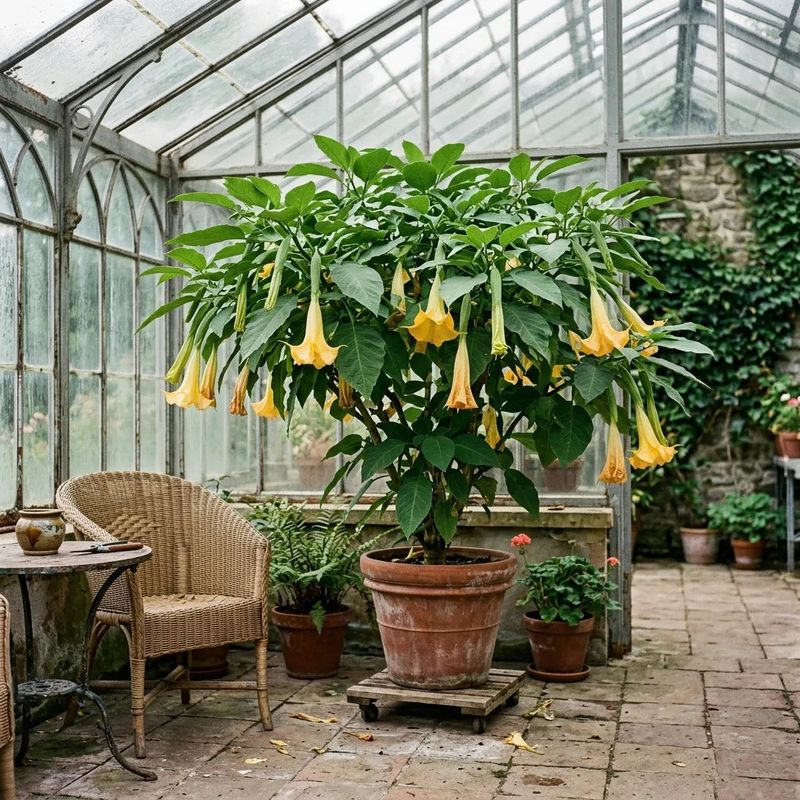
Picture a foot-long bloom hanging like a silk lantern, glowing peach in the evening light. Angel’s trumpet is the showstopper of many Savannah and Atlanta patios, and its sweet perfume gets stronger after dark.
Here’s the catch. Every part of the plant contains scopolamine, atropine, and hyoscyamine, chemicals that can cause confusion, racing heartbeat, hallucinations, and even death.
Emergency rooms in the South have treated teens who brewed the flowers as tea after hearing rumors online.
If you grow one, plant it away from play areas and wear gloves when pruning. Wash your hands before touching your eyes, since even a little sap can widen your pupils for hours.
2. Jimsonweed (Datura stramonium)
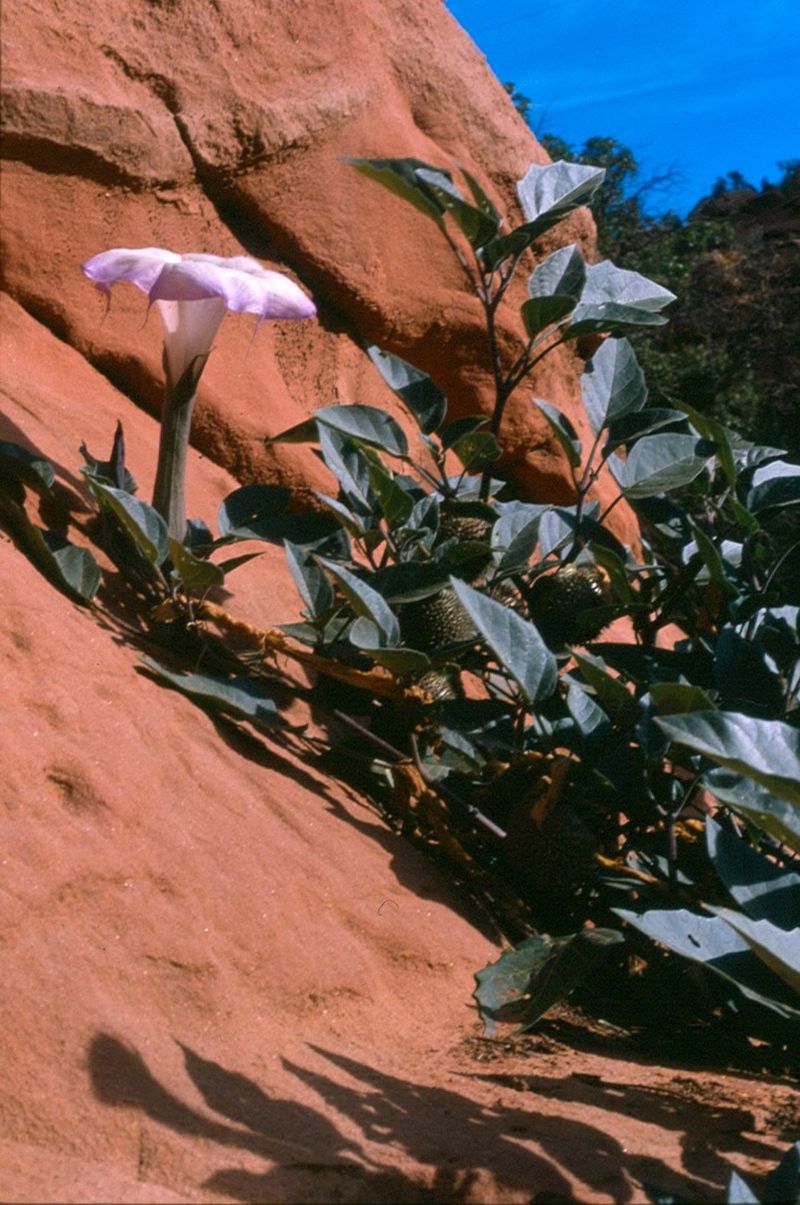
Farmers across rural Georgia have cursed jimsonweed for generations. It pops up in pastures, along red clay ditches, and sometimes right in the vegetable patch, flashing white trumpets that point toward the sky.
Its name comes from Jamestown, Virginia, where British soldiers ate the leaves in 1676 and acted bizarrely for eleven days. The seeds inside its spiny pods are the most toxic part, and just a small handful can poison a child.
Livestock usually avoid it, but hungry animals will nibble. Pull young plants with gloves before the pods ripen and split.
3. Devil’s Trumpet (Datura metel)
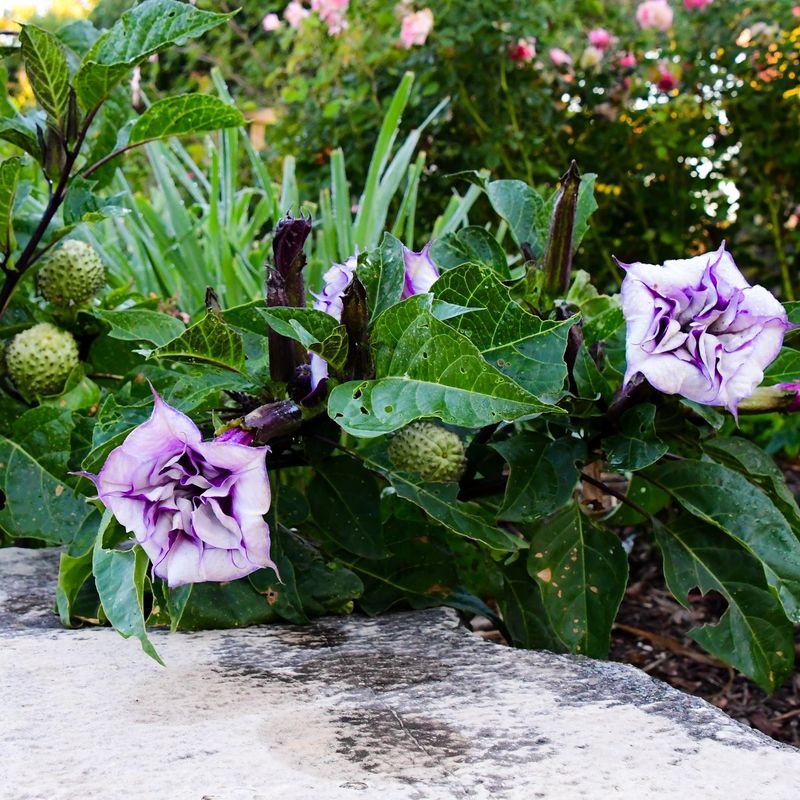
Nurseries sometimes sell it under friendlier names like Ballerina or Purple Queen. Devil’s trumpet is a fancier cousin of jimsonweed, often with ruffled double blooms in purple and cream.
Gardeners love how fast it fills a bed. Unfortunately, it carries the same nasty alkaloids, so the frilly petals hide real danger for curious toddlers and dogs that chew plants.
A smart move is to snip spent flowers before seed pods form. That keeps the plant from scattering seedlings into your neighbor’s lawn too.
4. Trumpet Creeper (Campsis radicans)
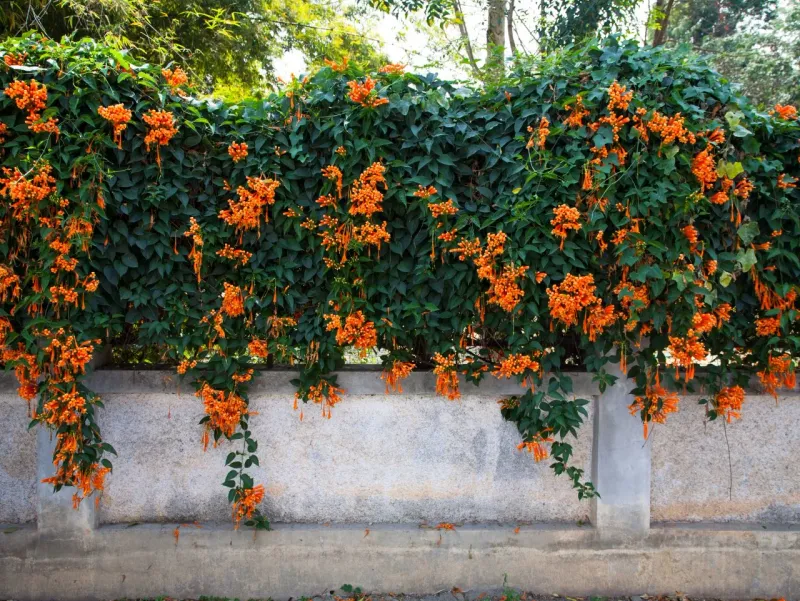
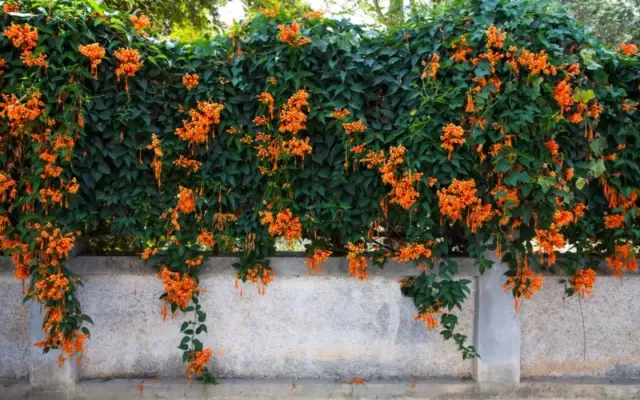
Ask any Georgia grandparent about the orange vine that ate the barn, and you’ll probably hear about trumpet creeper. Native and tough as nails, it climbs fences, poles, and sheds with aerial roots that grip like glue.
Hummingbirds adore it, which is the good news. The bad news is its nickname, cow itch vine.
Handling the leaves and stems can cause red, itchy rashes on sensitive skin.
It also spreads by underground runners, so one innocent plant can become a dozen. Give it a sturdy support far from your house and keep the pruners busy.
5. Yellow Jessamine (Gelsemium sempervirens)
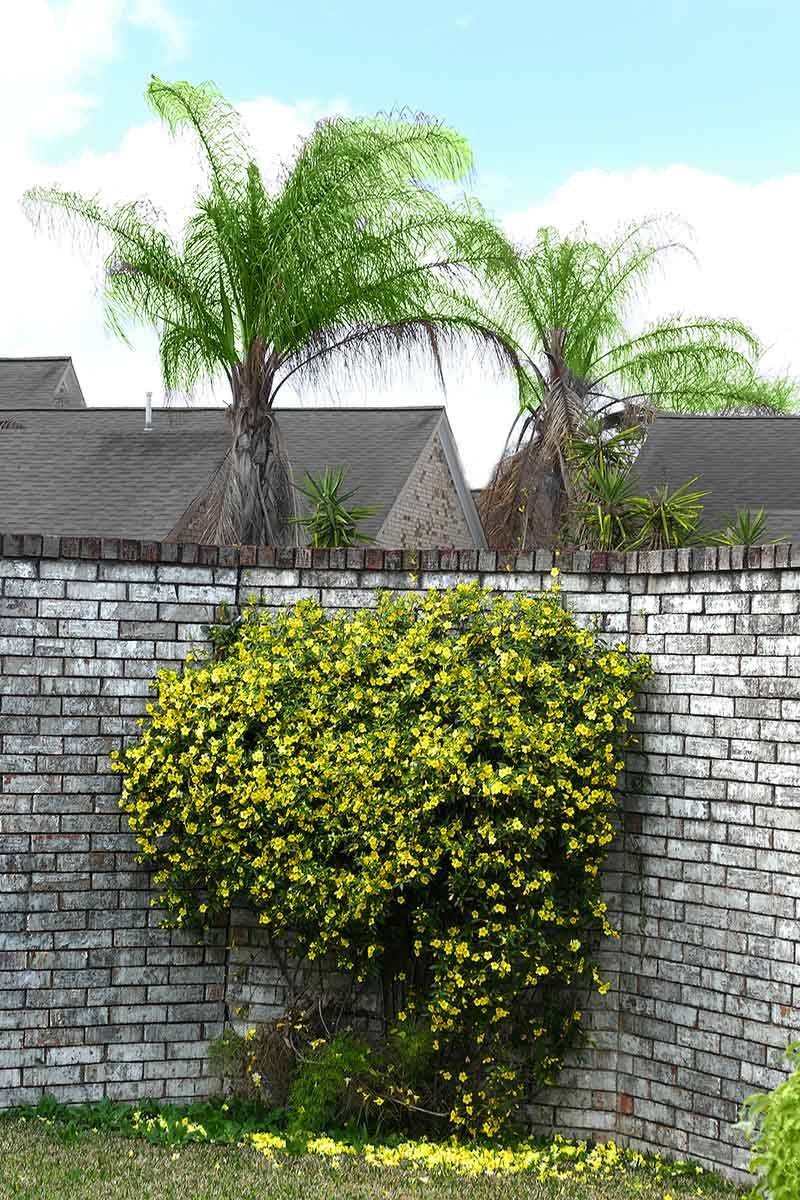
Long before dogwoods bloom, yellow jessamine paints Georgia’s pine forests gold. Those small, cheerful trumpets are a true sign that spring is on its way.
Sweet as they look, every part is highly poisonous. Children have been sickened after sucking nectar from the flowers, mistaking them for honeysuckle.
Even honey made mostly from jessamine has caused problems.
Teach kids the difference: honeysuckle has thin, split petals, while jessamine has a neat, five-lobed bell. A simple lesson in the backyard could prevent a scary trip to the doctor.
6. Oleander (Nerium oleander)
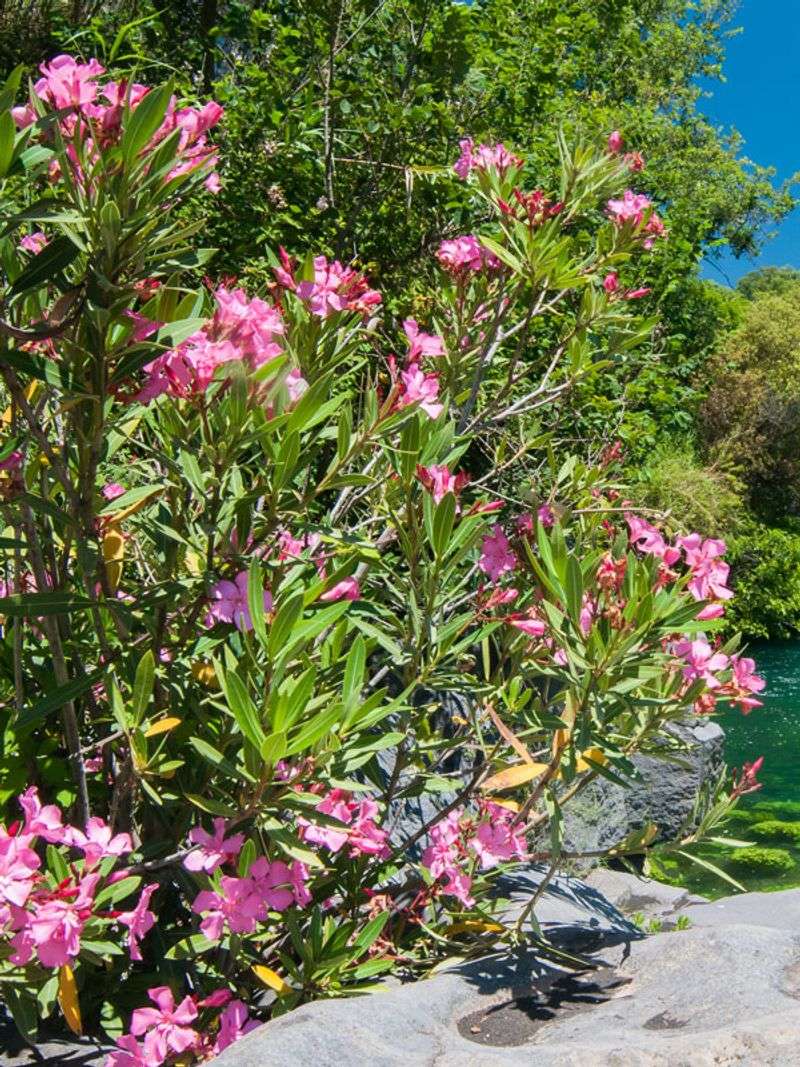
Coastal Georgians plant oleander because it shrugs off salt spray, drought, and heat. Its pink, red, and white funnel-shaped blooms line driveways from Brunswick to Tybee.
Few shrubs pack more poison. Oleander contains heart toxins called cardiac glycosides, and eating a single leaf can be dangerous for a small pet.
Smoke from burning the branches is harmful too.
So never toss trimmings on a fire or into a goat pen. Bag them up and send them out with yard waste instead.
7. Foxglove (Digitalis purpurea)
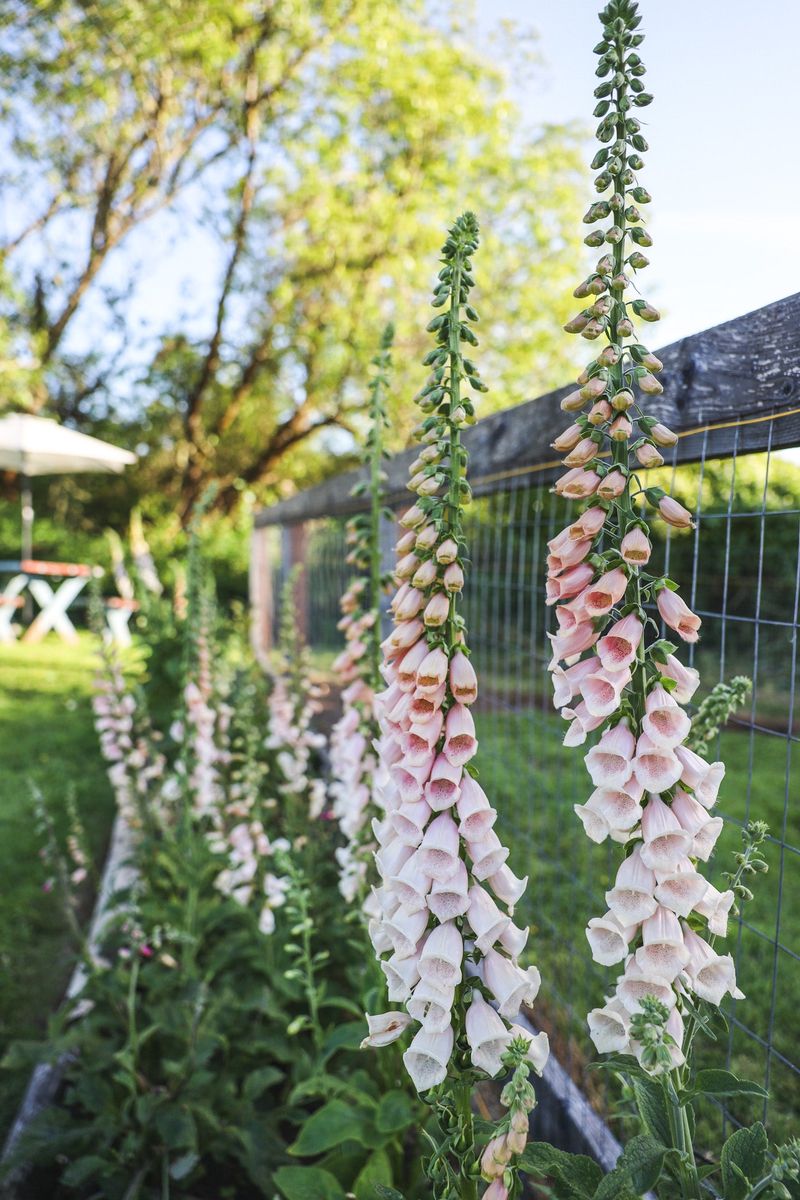
Did you know a common garden flower gave doctors one of their oldest heart medicines? Foxglove is the source of digitalis, still used to treat certain heart conditions today.
In north Georgia’s cooler mountain gardens, its spotted tubular flowers rise on tall spikes that bees practically crawl inside. Yet the same chemistry that helps hearts in tiny measured doses can stop them in larger amounts.
Nausea, blurry yellow vision, and irregular heartbeat are warning signs. Grow it behind other plants where little hands are less likely to reach.
8. Chinese Wisteria (Wisteria sinensis)
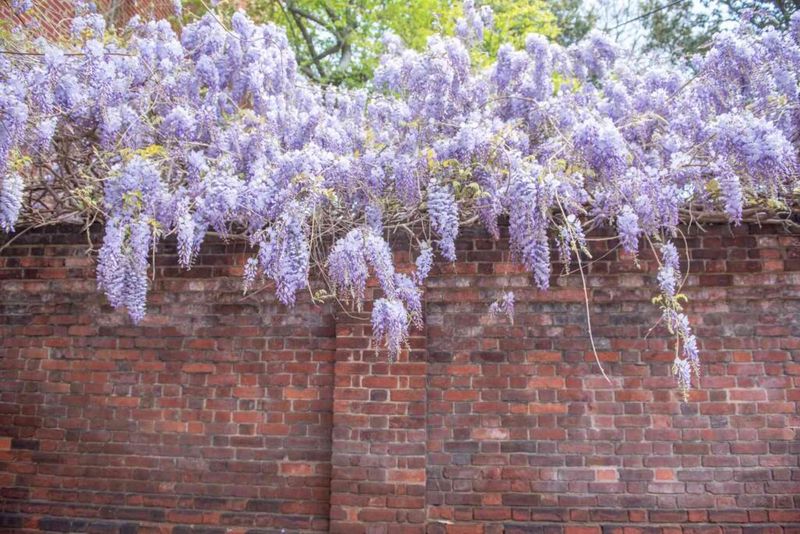
Every April, purple waterfalls drape the trees along Georgia highways. It’s breathtaking, and it’s a problem.
Chinese wisteria’s pea-like flowers are not true trumpets, but gardeners often lump this vine in with other showy climbers. Its seed pods contain lectin and wisterin, which can cause vomiting in kids and dogs.
Worse, it strangles native trees and is listed as invasive in the state.
Gardeners who want that look can try American wisteria instead, a native that behaves much better. Want a final takeaway?
Enjoy Georgia’s flowers with your eyes, learn their names, and when in doubt, keep them out of mouths.
Share this story