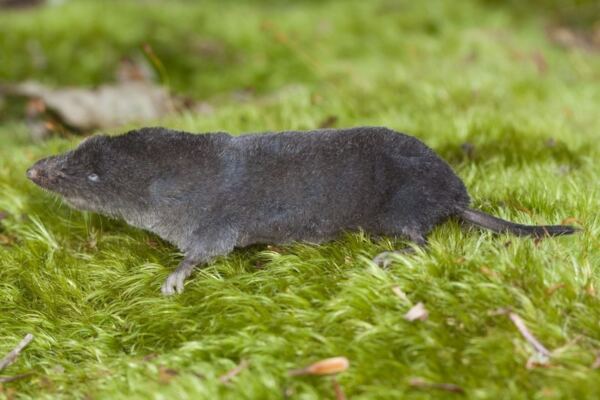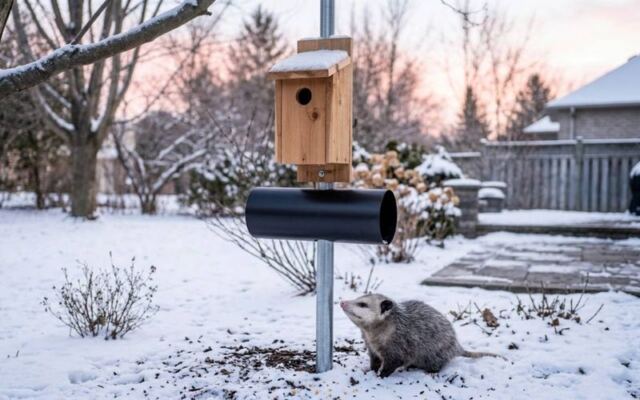
An opossum near your Iowa home in winter is usually just an animal passing through or checking out a spot with food or shelter. Seeing one does not mean it is lost, and it does not tell you why it came by.
Knowing what is normal can save you worry and keep you and the animal safe. Here is how to read the sighting and what to do next.
A winter sighting does not by itself mean an opossum is in trouble
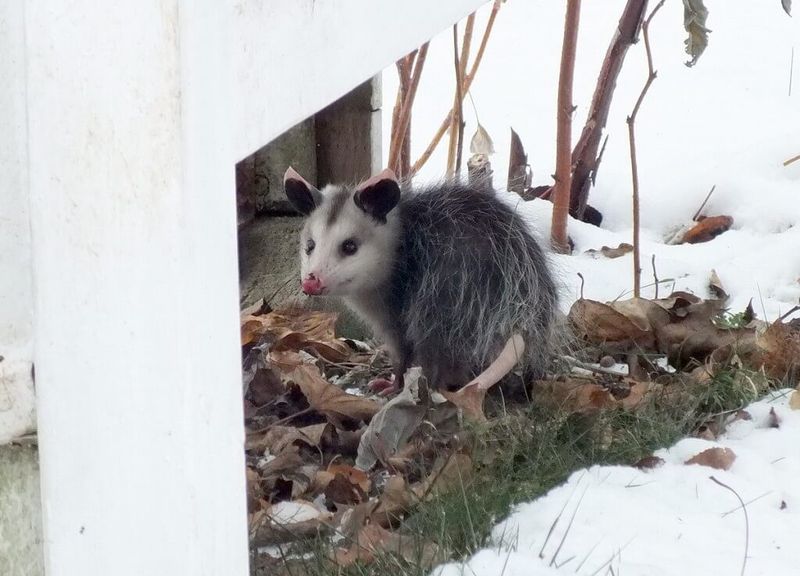
Opossums live across most of Iowa. Iowa DNR’s nuisance wildlife manual describes them as widespread, mostly nocturnal, and common in brushy areas near streams.
That means one can turn up in a town or country yard without being stranded or in distress.
So what can a sighting tell you? Mostly, it tells you an opossum was there at that moment.
It may have been crossing your yard on its way somewhere else, or it may have stopped for a snack or a place to rest.
What a sighting cannot tell you is the reason for the visit. Cold weather can change how active opossums are and where they den, but one glimpse near your porch cannot show that winter pushed the animal toward your house.
Guessing a reason too quickly can lead to the wrong response.
Look at the animal calmly from a distance, such as through a window. A healthy opossum often looks a bit scruffy, with a pointed face, a bare tail, and a slow, shuffling walk.
That look is normal and not a sign of sickness.
Notice what it is doing. Is it walking steadily and sniffing around, or does it seem hurt, tangled, or unable to move normally?
An animal that is simply moving along needs no rescue. The next sections cover possible food and shelter draws, how winter changes routines, and when to call for help.
Food and shelter can make a property useful
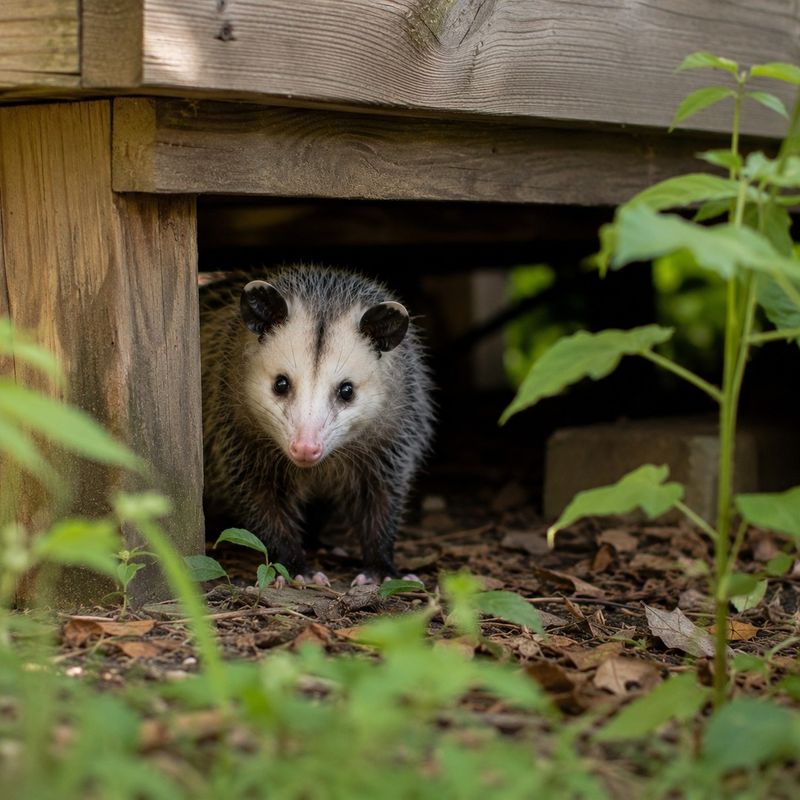
Opossums are not picky about where they sleep. Iowa DNR notes in its manual that they use varied den sites, including old buildings.
Spaces under porches, decks, and sheds can offer similar cover from wind and snow.
Food is the other piece. Massachusetts wildlife officials point to things like unsecured garbage, fallen fruit, spilled birdseed, and pet food left outside as easy meals for opossums.
A yard with several of these can be handy for a passing animal.
Think of your property as a stop on a map. A dry crawl space and a bowl of cat food on the back step make that stop more useful than a bare lawn.
Even so, none of these things proves why one particular opossum showed up.
Walk your yard in daylight and look with fresh eyes. Check around the garage for a gap beneath the door, look under the shed floor, and see whether the trash lid closes tightly.
Look for spilled seed beneath bird feeders and for pet bowls left out overnight.
You may find nothing at all, and that is fine. Opossums also wander through places with no obvious draw.
Still, knowing what your property offers helps you decide what to change, which is the focus of the next sections.
How winter changes an opossum’s routine
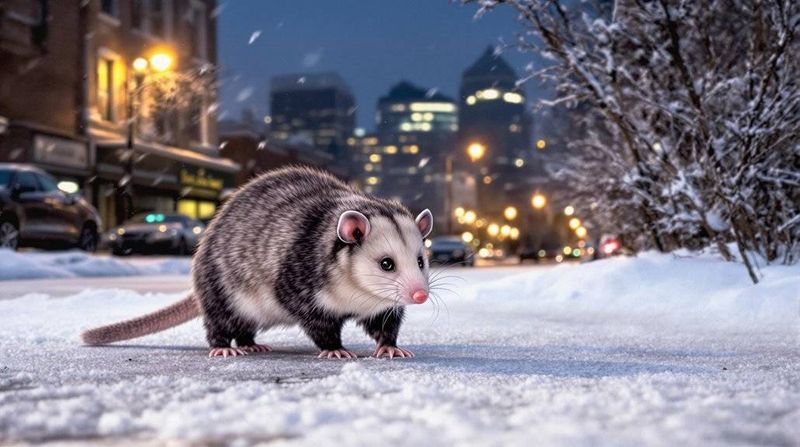
Picture an animal that never really switches off for the season but does slow down. According to the North Carolina Wildlife Resources Commission, opossums do not hibernate.
They may stay in a den during short stretches of extreme cold and reduce their activity.
They still need to eat and drink. The U.S.
Fish and Wildlife Service says opossums may come out when they need food or water, and in winter they can sometimes forage on warmer afternoons. That is one plain reason you might see one in daylight.
Iowa DNR’s manual says opossums are not particularly active below 20°F. Treat that as a general description, not a hard rule.
Conditions vary, and an individual animal may still be out on a very cold night if it is hungry.
Time of day alone does not tell you an opossum is sick. A daytime sighting on a mild afternoon is not proof of illness or rabies, and it is not a reason to try a rescue.
Look for other clues, such as visible wounds, trouble walking, or an animal that cannot move away.
If the opossum ambles along and leaves, you have likely seen normal winter behavior. If it stays in an odd spot for hours or looks hurt, that is the time to think about calling for help.
Remove easy food to discourage repeat visits
Cutting off easy meals is the simplest step you can take. Wildlife agencies such as Massachusetts Fisheries and Wildlife suggest taking away the food that draws opossums to yards.
It will not guarantee that one never returns, but it gives them fewer reasons to linger.
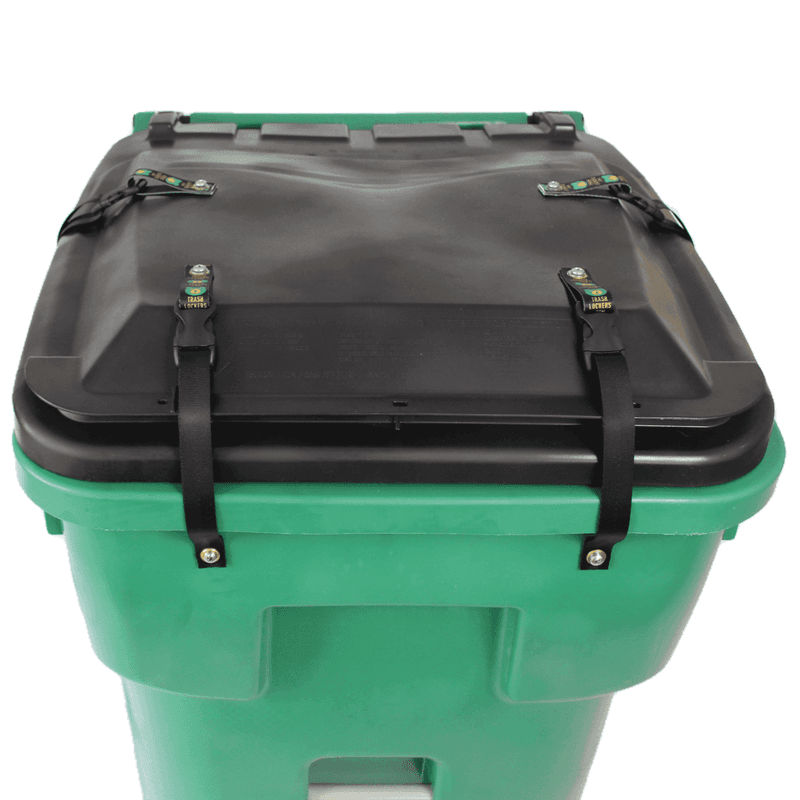
Start with the trash. Use cans with tight, locking lids, or keep them in a garage or shed until pickup day.
A bungee cord or a strap across the lid can stop a curious animal from tipping it.
Next, bring pet food indoors, especially at night. Feed cats and dogs inside when you can, and wash out bowls left on the porch.
If you feed outdoor cats, pick up leftovers once they have eaten.
Walk the yard for spilled birdseed and rake it up often. Seed on the ground tends to attract more than birds.
You might move feeders away from the house or use trays that catch the mess.
Gather fallen fruit from trees and clean up any compost that is not in a closed bin. Skip adding meat or greasy scraps to compost piles.
Small habits like these add up over a few weeks.
If a visitor still shows up now and then, stay patient. Opossums may pass through for reasons that have nothing to do with your yard.
Check an entry before closing it
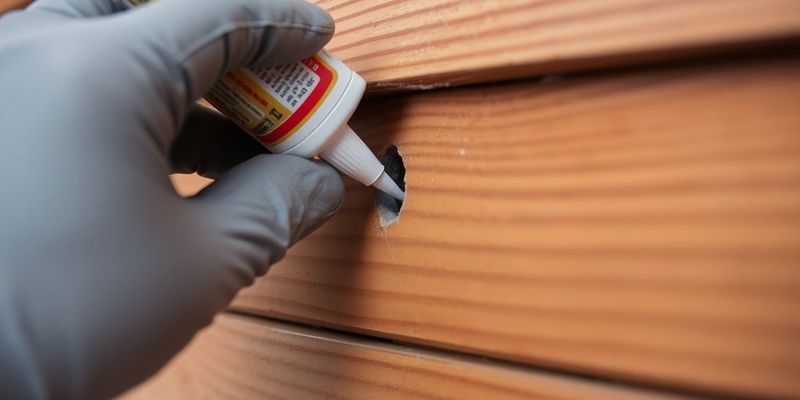
Plugging a hole feels like the obvious fix, but it can go wrong. If an opossum or dependent young are inside when you seal it, they can be trapped.
Do not close an access point until you have confirmed the space is empty.
The Washington Department of Fish and Wildlife guide on evicting animals from buildings stresses confirming that the animal has left and that no young remain before exclusion. Watch the opening at dusk and look for fresh tracks, droppings, or bedding.
Some people lightly stuff the hole with loose material and see whether it has been moved.
If you cannot tell whether the space is vacant, get help instead of guessing. A professional can check the area and handle the animal safely.
When an opossum is living in the house or causing ongoing damage, Iowa DNR recommends contacting a licensed nuisance wildlife control operator. The department’s nuisance wildlife control page offers a current list of operators.
Be careful about what you do on your own. Iowa law has specific nuisance-animal provisions, and Iowa Code section 481A.87 includes limited exceptions, such as for certain owners or tenants of agricultural property and an associated residence outside city limits.
That does not mean every homeowner can handle or kill an opossum. Check current law and ask Iowa DNR or a licensed operator first.
Get the right help for injury, damage, or exposure
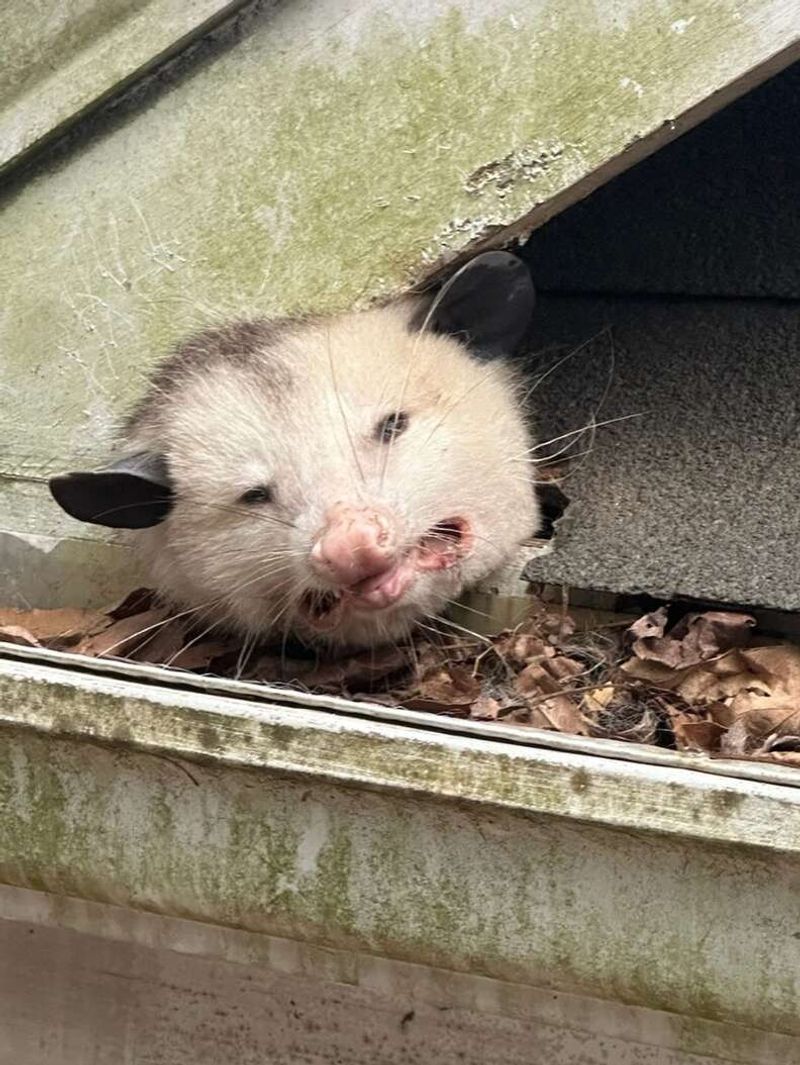
Most sightings need nothing but a little distance. A few situations call for help, and it is useful to know which is which.
If an opossum looks injured or sick, do not touch or move it. Iowa DNR says to call the department at 515-725-8200 or contact an Iowa-licensed wildlife rehabilitator, and its wildlife rehabilitation page explains the options.
Keep children and pets away while you wait.
If an opossum is living in your home, or damage keeps happening, that is a different problem. Use Iowa DNR’s list of licensed operators on its nuisance wildlife control page to find someone who can handle it.
Rabies is the concern people raise most. It is rare in opossums, but Iowa DNR’s manual says it can occur, so opossums are not immune.
You cannot diagnose rabies by how an animal looks or acts.
If you or a pet are bitten, or you think you had another possible exposure, avoid handling the animal and seek prompt advice. CDC guidance explains when to seek care, and a health professional or your local public-health department can tell you the next steps.
Call your veterinarian about pets.
Most winter opossums are just neighbors on a cold night’s errand.
Share this story