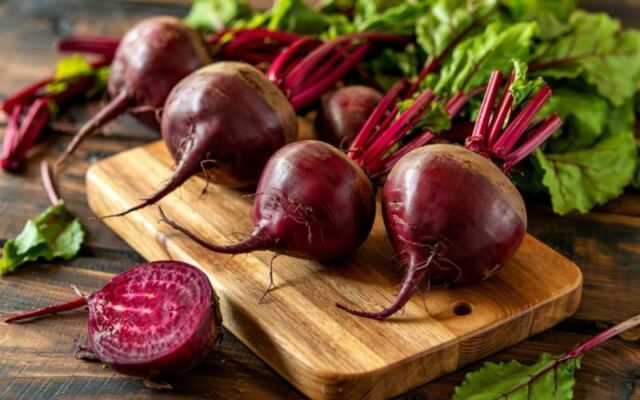
Eating beets every day can change what is on your plate in a few useful ways, mostly by adding a fiber-containing vegetable to your meals. The bigger health headlines, though, usually come from beetroot juice studies, not from a daily helping of whole beets.
For Minnesotans thinking about blood pressure, digestion, or energy, it helps to know which claims hold up and which are stretched. Here is what a daily beet habit can and cannot be expected to do.
Whole beets and beet juice are not the same evidence
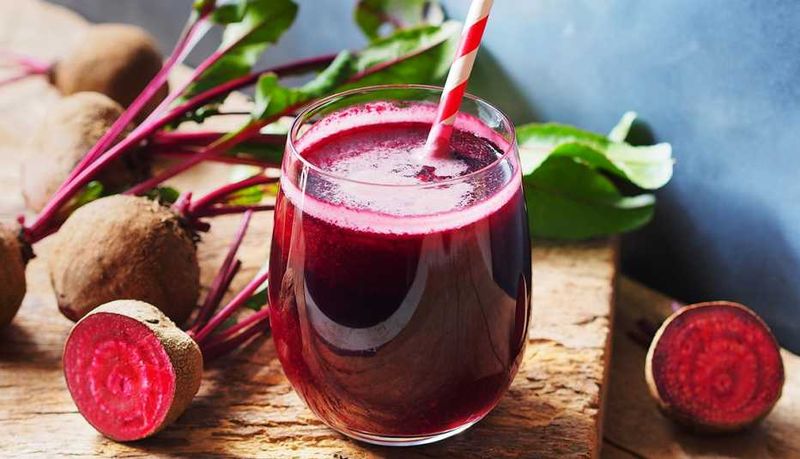
Start with what a plate of whole beets brings: fiber, color, and a vegetable that fits easily into a varied diet. That is the solid, simple part of the story.
Many of the headline-grabbing results come from somewhere else. Studies on blood pressure and exercise often test beetroot juice or measured doses of nitrate, not a usual serving of roasted or boiled beets.
In a 2024 review of beetroot juice trials, the juice supplied 200 to 800 mg of nitrate a day, so those findings cannot simply be copied over to whole beets.
The same caution applies to exercise. NIH guidance on exercise and athletic performance says more research is needed to establish benefits and dosing.
In other words, nobody has pinned down a special daily serving of beets that does something measurable.
Minnesota adds a wrinkle. The state grows a lot of sugar beets, and USDA crop reports track that field crop each season.
Sugar beets are grown to make sugar, while the red or golden beets you roast for dinner are table beets. The big local crop is useful farming context, but it says nothing about a special health effect from the beets in your fridge.
Beetroot juice may modestly affect systolic blood pressure
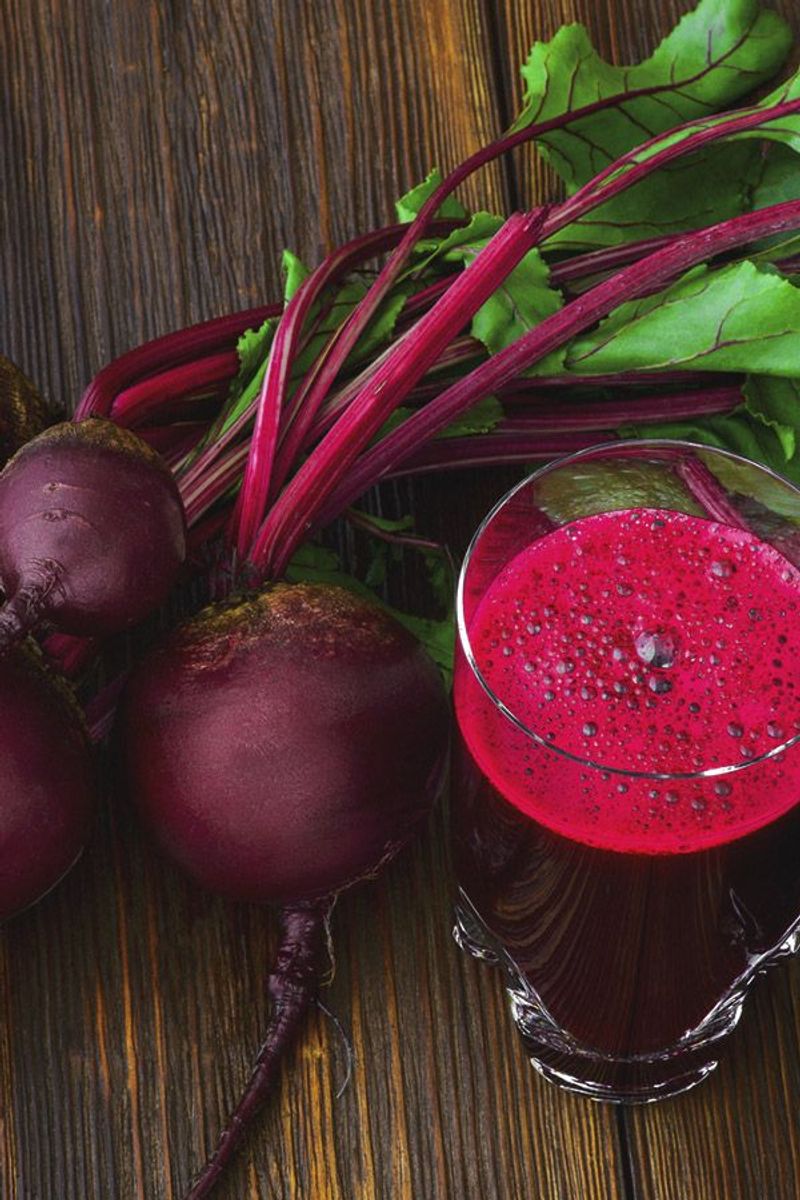
The strongest blood-pressure evidence involves juice. A 2024 systematic review pooled 11 trials with 349 adults who had hypertension, and all of them used beetroot juice.
On average, clinical systolic blood pressure, the top number, dropped by about 5 mmHg. There was no significant effect on clinical diastolic pressure, the bottom number, or on 24-hour blood pressure.
The authors rated the evidence as low certainty, which means future studies could shift the picture.
It matters what was tested. The juice delivered 200 to 800 mg of nitrate daily.
That does not prove that a usual serving of whole beets lowers blood pressure, so a daily side of beets should not be treated as a fix for hypertension.
Think of beets as food, not treatment. They cannot replace prescribed blood-pressure medication.
If you take such medication and are thinking about using concentrated beet juice regularly, the British Heart Foundation advises checking with a clinician first.
Whole beets add fiber, but they are not a constipation remedy
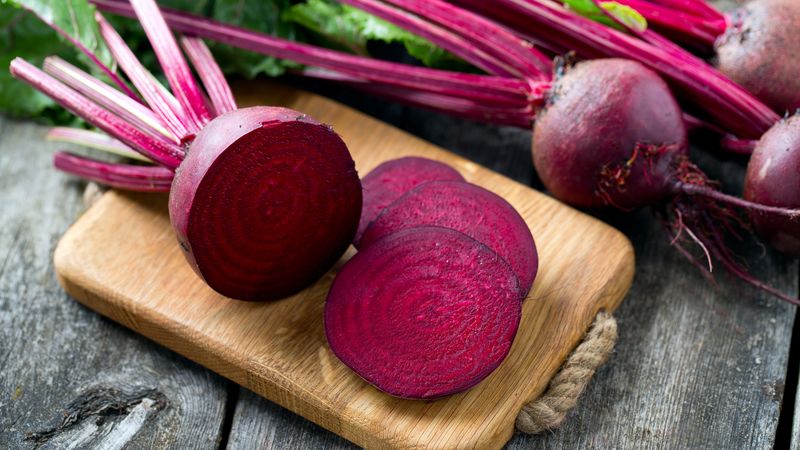
Raw beets contain 2.8 grams of fiber per 100 grams, according to USDA nutrient data. A generous serving adds a few grams toward your day, which is helpful but far from the whole job.
That is the key point: beets contribute to your total fiber, and no single vegetable meets your needs alone. Whole beets keep their fiber, while juicing removes much of it, as the British Heart Foundation points out.
If fiber is your goal, a glass of juice is a weaker choice than a bowl of roasted beets.
For constipation, NIDDK guidance is about the whole diet. Adults are advised to get 22 to 34 grams of fiber daily, raise fiber gradually, and drink enough liquids.
Nothing in that advice says beets in particular prevent or treat constipation. A practical approach is to pair beets with beans, oats, fruit, and other vegetables, and to add them slowly if your usual intake is low.
Persistent digestive trouble deserves a conversation with your doctor rather than a bigger pile of beets.
Exercise findings do not promise more everyday energy
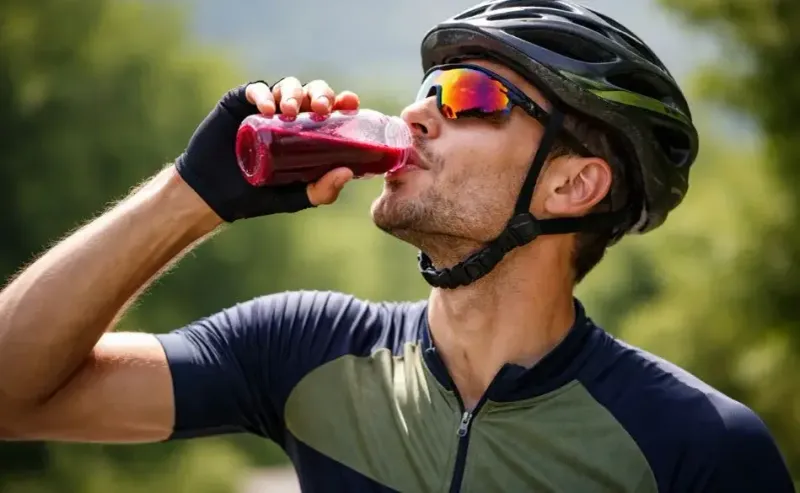
Beets are rich in dietary nitrate. Bacteria in your mouth can convert it into compounds that take part in making nitric oxide, a molecule involved in how blood vessels work.
That chain of events is why researchers got interested in beetroot for exercise.
Results, however, are mixed. According to NIH research summaries, beetroot juice may modestly improve performance in some exercise tests.
Benefits seem more likely in recreationally active people than in elite athletes, and results vary from study to study.
NIH also says more research is needed to establish benefits and dosing. So no one can yet say how much to take or who will notice a difference.
Notice what those studies measured: certain exercise outcomes, such as how long someone could keep going in a test. They did not show that beets give you a daylong lift or relieve fatigue.
If you feel worn out for weeks, a plate of beets is not the answer, and a medical checkup is a better next step.
For a weekend jogger or cyclist, a beet-rich meal is a fine food choice. Just treat any performance perk as a possible bonus that may not show up.
Medication and kidney-stone histories can change the advice
Some readers have good reason to slow down before making beets a daily habit. If you take blood-pressure medication and are eyeing regular, concentrated beet juice or shots, ask your clinician first.
The British Heart Foundation specifically gives that advice.
A useful next step is to bring the product label to your appointment. Concentrated shots pack far more beet into a small serving than a side dish does.
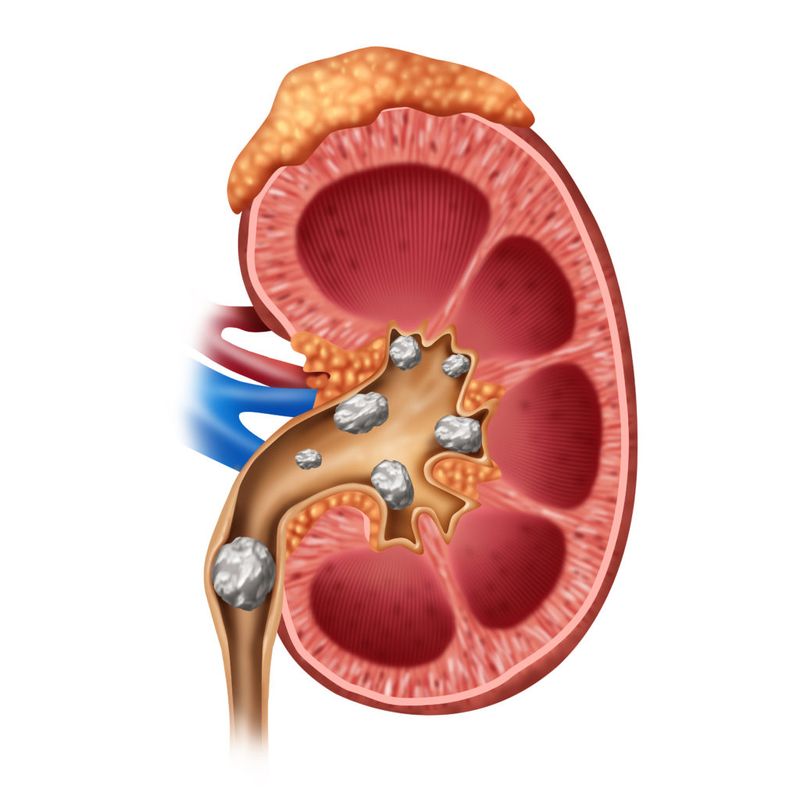
Kidney stones are the other flag. Beets are listed among high-oxalate foods, and oxalate matters for some people who form calcium-oxalate stones.
Even so, the National Kidney Foundation says not everyone needs to avoid oxalate-containing foods.
Advice depends on the type of stone you have and your own situation. If you have had stones, ask your doctor or a dietitian whether beets should be limited, rather than guessing or cutting out healthy foods on your own.
If you have never had stones and have no medication concerns, none of this means beets are risky. It simply means a food that works for one person may call for a conversation for another.
Beeturia can explain red urine, but not every case
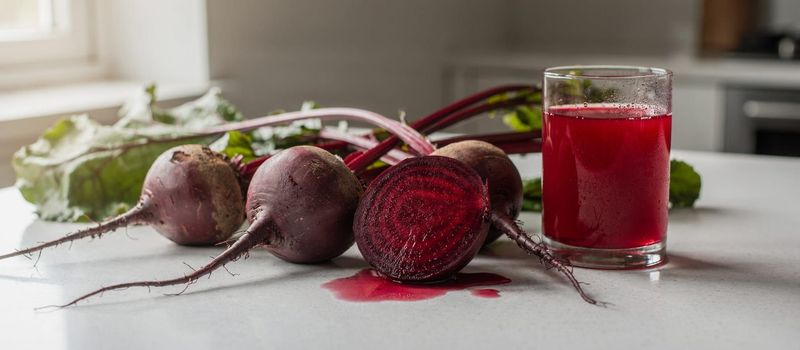
Eat enough beets and your urine may turn pink or red. The effect, called beeturia, is one possible cause and is considered harmless, according to a clinical reference on beeturia.
The catch is that red urine has other causes too, and some of them need attention. Blood in the urine can look similar, so a beet-heavy dinner does not automatically explain a color change.
Watch for clues. Be cautious about blaming beets if the color lasts well beyond a meal or two, if you are not sure whether blood is present, or if other symptoms show up, such as pain, burning, fever, or trouble urinating.
In those situations, contact a healthcare professional promptly. A simple test is to skip beets for a couple of days and see whether the color clears, but do not wait if you have symptoms or any real doubt.
Choose beets for the food, not a guaranteed effect
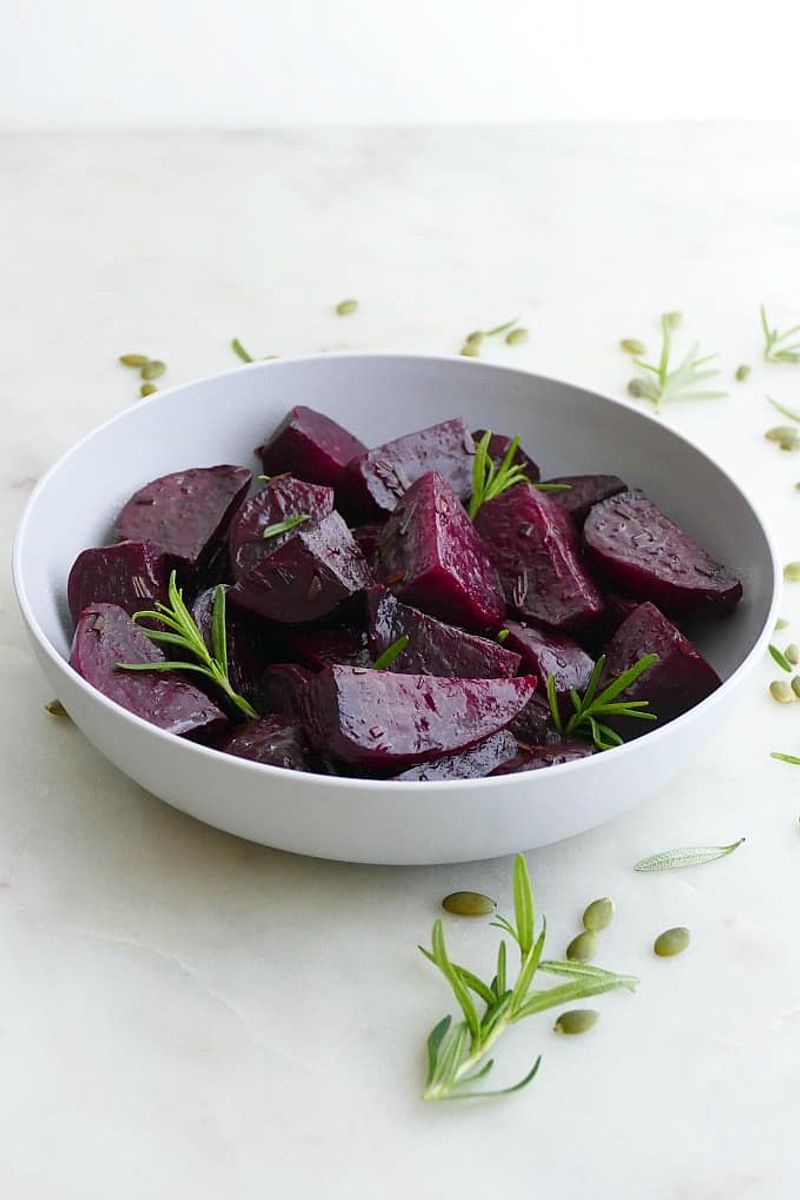
Whole beets add fiber to your day, and that fits with NIDDK advice about total intake. Blood-pressure findings come mainly from juice trials and remain limited, and exercise research does not promise everyday energy.
Pick the form you enjoy and look at your overall eating habits. If you take blood-pressure medication, ask about concentrated juice, and if you form stones, check oxalate advice with your care team.
A beet is a good vegetable, and that is plenty.
Share this story