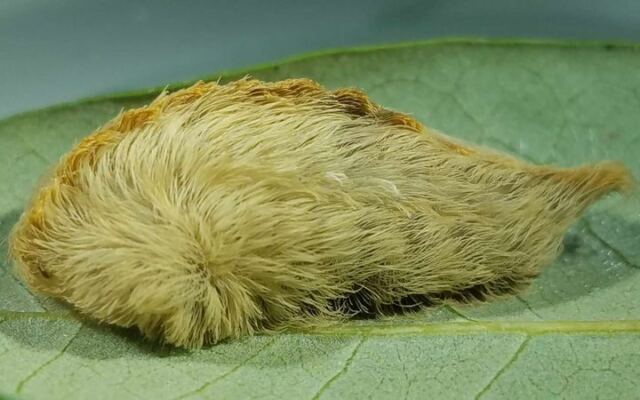
A puss caterpillar looks like a tiny tuft of fur, but it can deliver sudden, intense pain and a rash the moment it touches your skin. These caterpillars can turn up on Louisiana oaks, right where people rake, prune, and mow.
Their stinging spines hide under hairs that look soft enough to pet. Knowing what to avoid and what to do after contact can save you a miserable afternoon.
What does the soft coat hide?
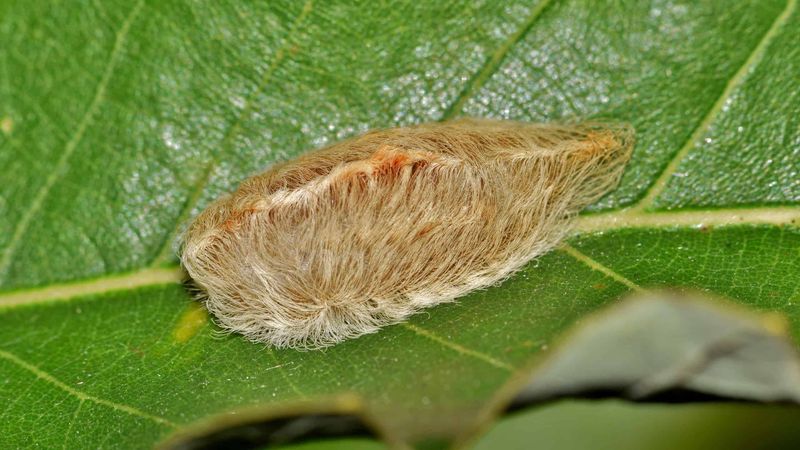
Few yard pests look as harmless as the puss caterpillar. It is usually about an inch long and wears a plush coat of pale hairs that can look tawny, grayish, or a similar soft shade.
The coloring varies, so it is easy to mistake the caterpillar for a bit of fluff or a tiny pet.
The real hazard sits underneath. According to LSU AgCenter, venom-bearing spines lie beneath the soft-looking hairs.
When the caterpillar presses against skin, those spines can break off and stay in the skin.
The result can be sudden, intense burning pain, often followed by a rash. The pain can surprise people because the contact felt so light.
A brush against an arm while reaching into a shrub may be all it takes.
It helps to be precise about the danger. The spines are the problem, not every visible hair on the body.
The caterpillar is also not hunting anyone. It simply stings when something touches it, which is why a careless hand or a pressed forearm is usually how stings happen.
Also known as the asp or southern flannel moth caterpillar, this species deserves respect precisely because it looks so gentle. A soft appearance tells you nothing about what is underneath.
An oak sighting is not an identification
Yes, puss caterpillars can occur on oak. Oak is only one of several documented host plants, though.
LSU AgCenter also lists hackberry, elm, sycamore, plum, and rose, so the species is not tied to oaks.
That works in both directions. A fuzzy caterpillar on an oak cannot be called a puss caterpillar from that fact alone.
Plenty of other caterpillars live on oaks, and some of them look hairy too.
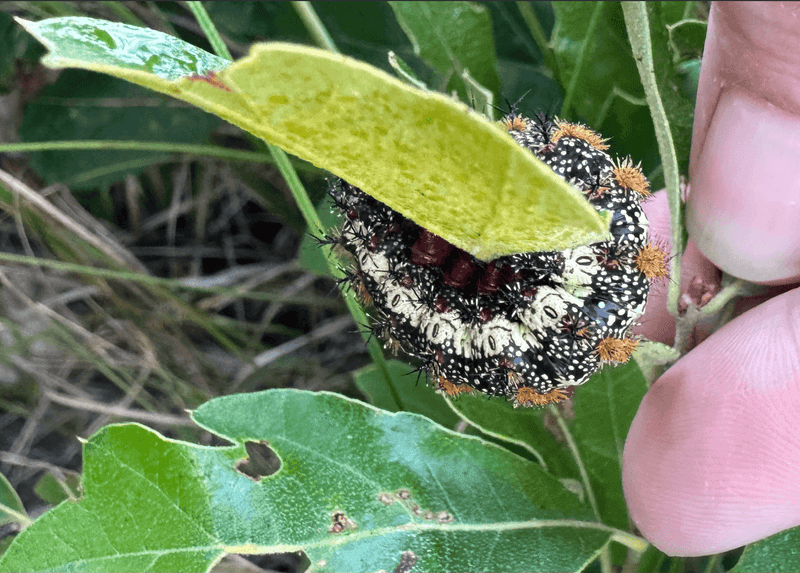
LSU AgCenter’s article on common South Louisiana oak caterpillars describes two useful comparisons. The buck moth caterpillar also stings, but it is dark and spotted, so it looks quite different from a pale puss caterpillar.
The tussock caterpillar does not sting.
Telling them apart by eye is a skill, and a wrong guess can hurt. Looking from a distance is fine.
Taking a photo with a phone zoom and comparing it with a trusted reference is a safer habit than poking at the animal.
Never touch an unidentified caterpillar to figure out what it is. Treat any fuzzy one as a possible stinger until you know otherwise.
Two generations create a broad seasonal window
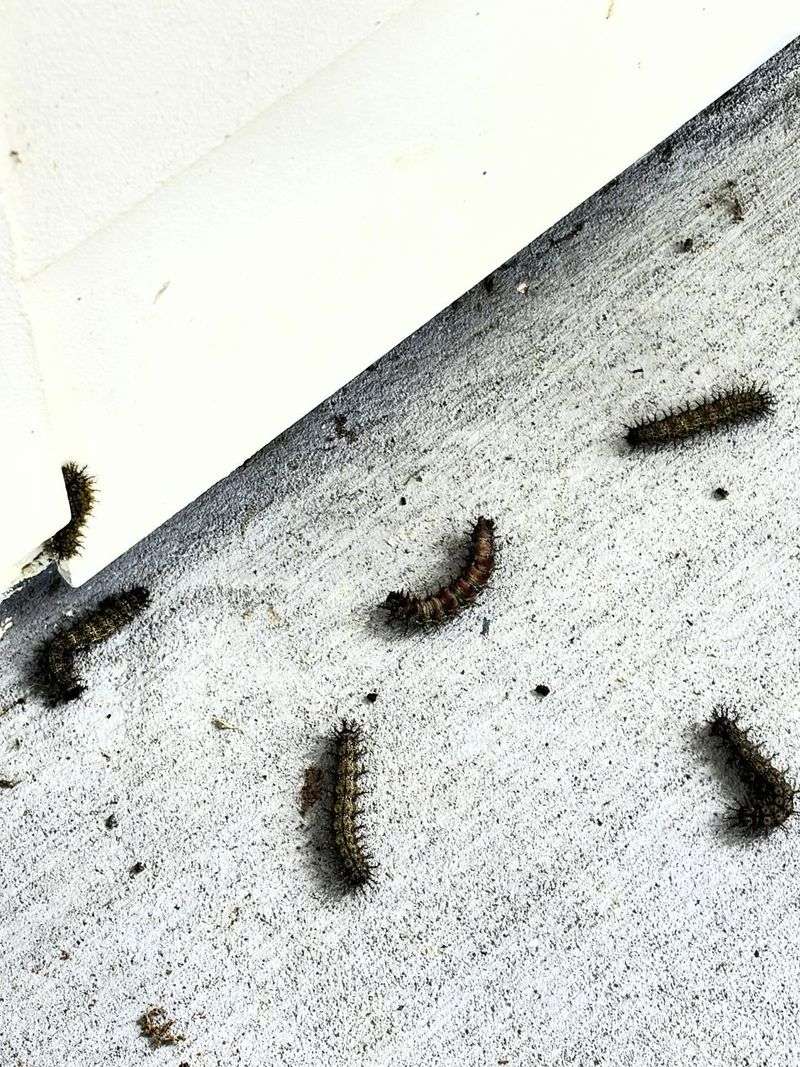
Puss caterpillars have two generations each year. LSU AgCenter describes one generation broadly from May through July and another from late July through October.
Those dates are a general pattern, not a calendar you can set a watch by. Weather, location, and the year itself can shift things, so no one can promise when caterpillars will show up in a given parish.
What the pattern does offer is a useful reminder. Over much of the warm season, there is a reasonable chance that caterpillars are active somewhere in your yard.
That stretch covers a lot of the months when people trim hedges, clear branches, and rake debris.
A practical approach is to stay alert whenever you work among trees and shrubs during warm months, rather than waiting for a specific date. Look before you reach, especially into dense branches or under leaves.
Being observant also beats guessing at the calendar. A quick scan of a branch before you grab it takes seconds.
Protect your skin before yard work
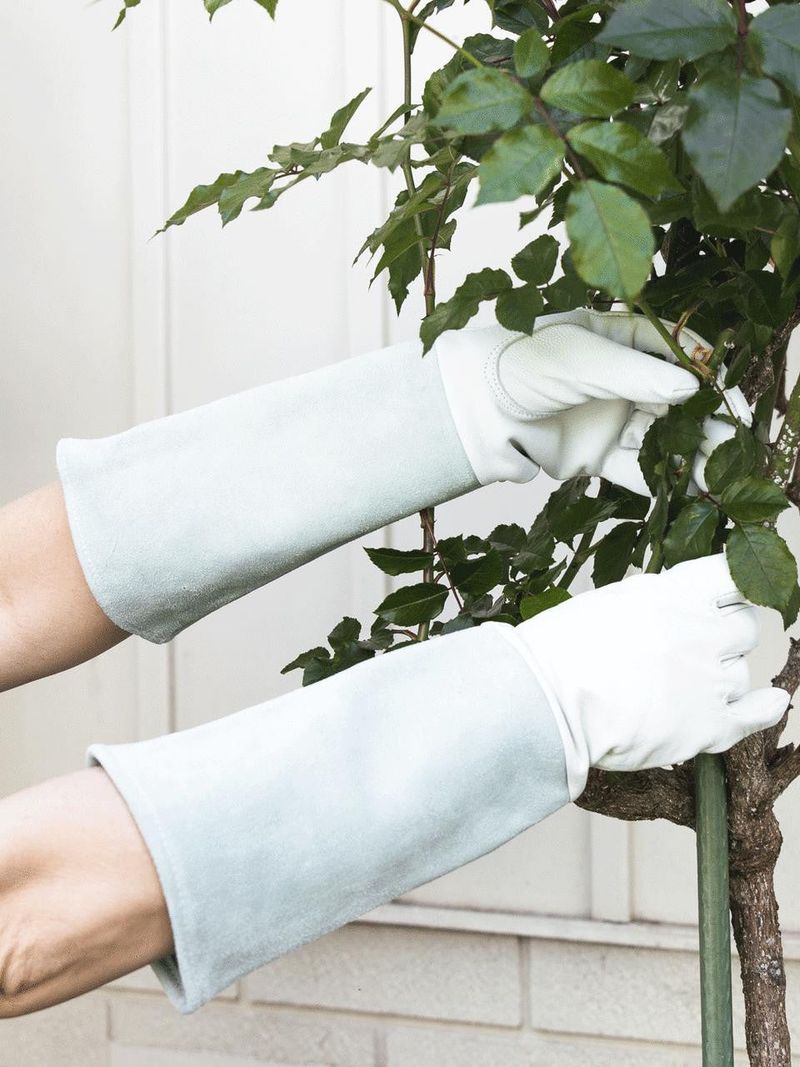
The simplest rule is also the best one: do not touch fuzzy or unidentified caterpillars. That includes the ones that look cute and the ones that seem to be asleep on a branch.
For yard work, Poison Control recommends wearing gloves and avoiding infested areas when possible. If you spot several caterpillars on one tree or shrub, that part of the yard can wait until you have a plan.
Gloves reduce exposure, but they do not make handling a caterpillar safe. Spines can still cling to fabric, and you can transfer them to your skin when you remove a glove or wipe your face.
Long sleeves and long pants add another layer when you rake leaf litter or prune. Check branches and gear before you pick them up, and shake out debris from a distance when you can.
If a caterpillar lands on your skin, do not brush it off with your bare hand. Use a tool instead, such as a stick, tweezers, or a piece of cardboard, to flick it away.
That keeps your fingers from picking up spines too.
After contact, tape and washing can help
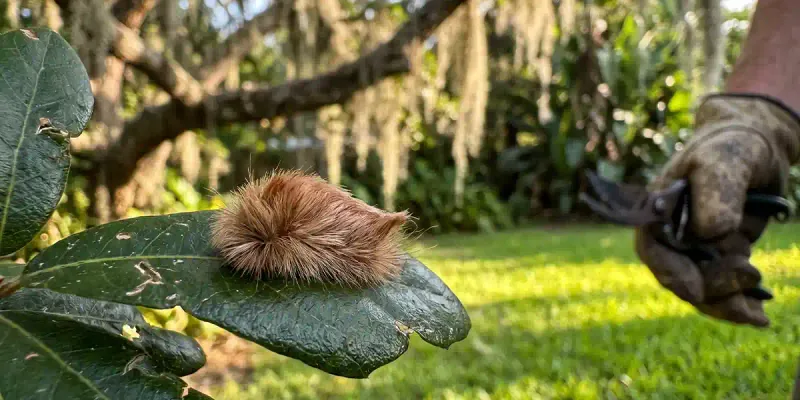
If you think you have brushed against a puss caterpillar, move calmly and start with the spines. Poison Control advises gently pressing tape, sticky side down, onto the affected area and then lifting it.
The tape can pull out hairs or spines left in the skin.
Use a fresh piece each time and repeat as needed. Reusing a strip puts the spines right back where you started.
Avoid rubbing or scratching, since that may push them in further.
Once the tape work is done, gently wash the area with soap and water. Keep the motion light rather than scrubbing hard.
For discomfort, a wrapped ice pack may help, as noted in the MSD Manual consumer guide. A cloth or towel around the ice keeps it from touching bare skin directly.
So the order is simple: tape, fresh tape as needed, soap and water, then a wrapped ice pack if it still hurts. There is no need to add home remedies beyond these steps.
Most reported cases were skin-related, but severe symptoms need urgent care
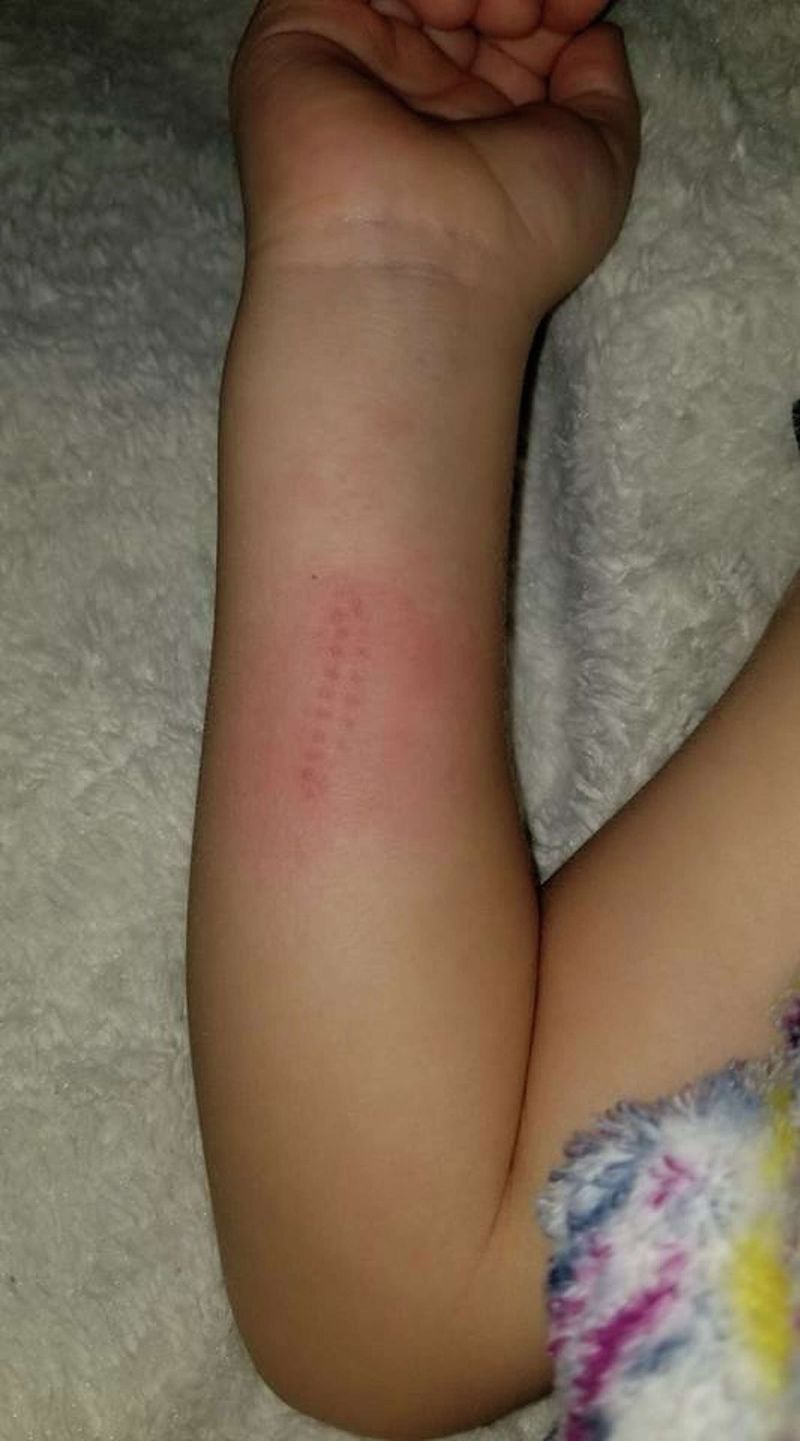
A sting can be painful, but the larger picture is less dramatic than the pain suggests. A Texas poison-center study reviewed 3,484 puss caterpillar sting reports from 2000 to 2016.
The reported effects were mostly skin-related, and the study reported no major effects or deaths.
There are limits to what that tells us. Many cases were not followed to a final outcome, and poison-center reports may not represent all stings.
People with mild stings may never call, and some who did call were not tracked afterward.
In plain terms, most reported stings were handled outside a hospital, but that does not mean every sting is minor or that no one has lasting trouble. It also does not mean every sting is an emergency.
Severe reactions are different. Get immediate medical attention if someone has difficulty breathing or swallowing after contact.
Do not wait to see whether it passes.
For advice in the United States, the national Poison Help number is 1-800-222-1222, as listed by Poison Control. It is worth saving in your phone before you ever need it.
Keep your distance
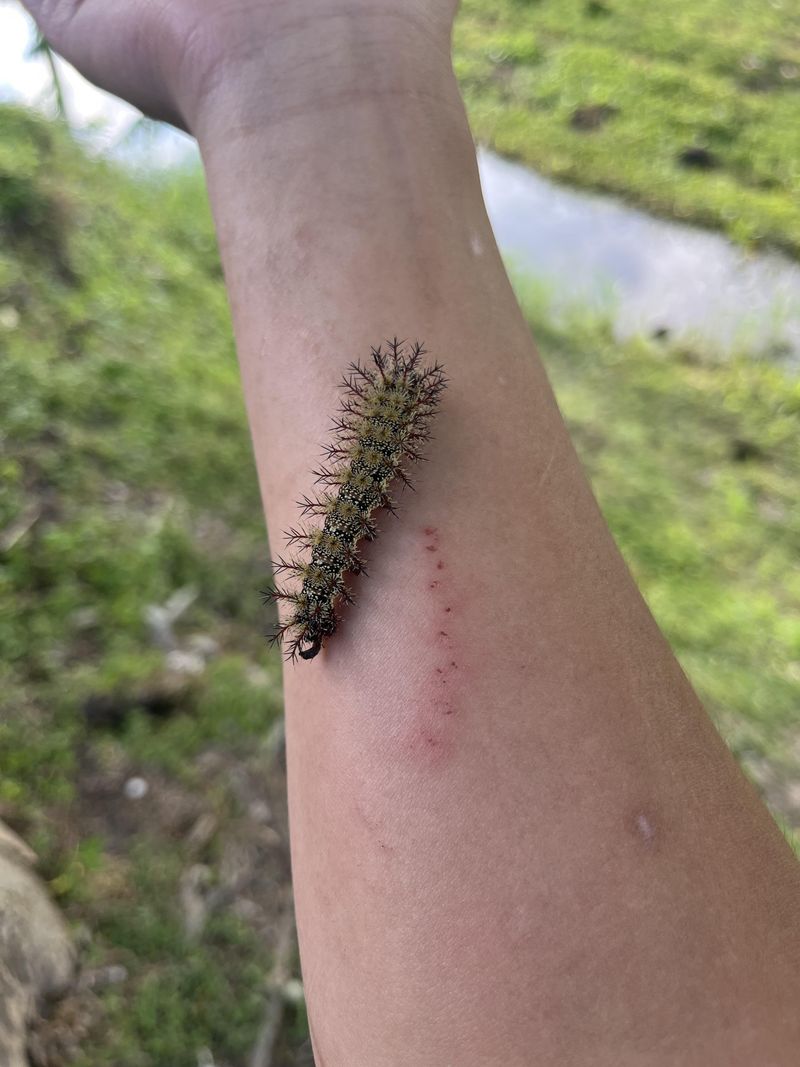
A soft-looking caterpillar may be hiding stinging spines, and its looks alone may not tell you what it is. Staying hands-off is safer than trying to find out the hard way, and Poison Control backs that approach.
Wear gloves, use a tool if one lands on you, and let the rake wait if a branch looks crowded. The prettiest fur in the yard is the one best admired from a few feet away.
Share this story