Somewhere under the leaves and weeds, a mammal lighter than a handful of coins may be tunneling after its next meal. Missouri’s short-tailed shrews have venomous saliva, a rare trick among mammals.
They are tiny, fast, and almost always out of sight. Here is what they do, what their venom is for, and how to treat them if one crosses your path.
A small hunter favors covered ground
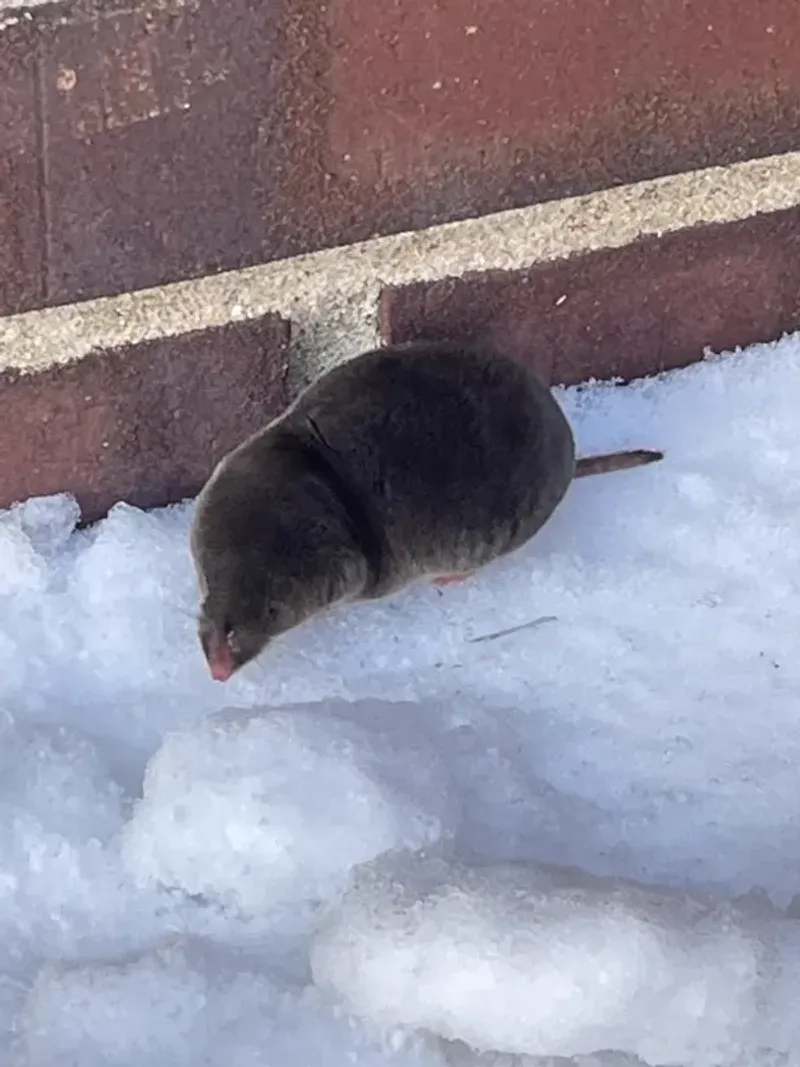
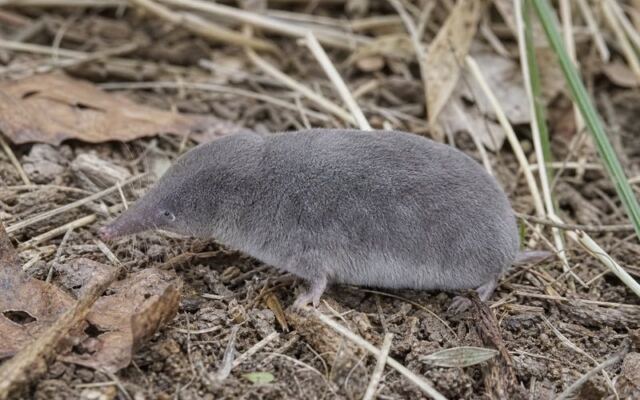
Picture a mammal so small it could ride in the palm of your hand. Missouri’s short-tailed shrews fit that picture, and they weigh about an ounce or less.
Missouri’s field guide to shrews gives a top weight of 1 ounce, and an Illinois wildlife reference lists the northern short-tailed shrew at 0.5 to 1.0 ounces. That is why “under an ounce” is too strict.
Some individuals may reach the full ounce.
The venom story belongs to a specific group. Missouri has six shrew species in all, but only three are short-tailed shrews: the northern, southern, and Elliot’s short-tailed shrews.
Those three belong to the genus Blarina and have venomous saliva. It would be wrong to assume every shrew in the state shares that trait.
Telling the three apart is hard. They look very much alike, and the state guide notes that sure identification may take skull measurements or DNA testing.
So a gardener who spots a stocky, velvety gray shrew should not expect to name the species on sight.
Where might one live? Short-tailed shrews occur statewide, and they like cover that hides them.
A garden with damp mulch, thick plant growth, or leaf litter could offer that kind of shelter. Still, suitable cover is only a possibility.
A shrew may use it, but nothing says one lives in every yard.
How a shrew hunts beneath cover
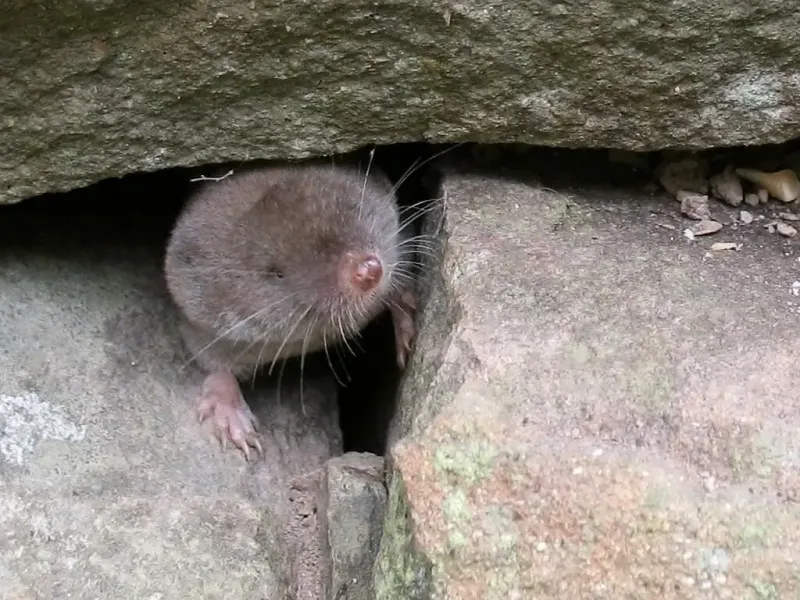
Much of a shrew’s life happens in passages most of us never see. Short-tailed shrews borrow tunnels dug by moles or mice, and they also make their own.
According to the state guide, their tunnels can reach nearly 2 feet below the surface. Runways may also sit just under sod or run through leaf litter.
These routes work like hidden highways. A shrew can slip along them to search for food while staying out of view of hawks, owls, and other predators.
Moving through a tight, covered space also lets it find prey by touch and smell.
Habitat matters here. Missouri’s guide says short-tailed shrews favor dark, damp or wet places and heavy, weedy growth.
It also says they are less often found in grassy cover, and that the range of each species is imperfectly known.
For a gardener, that adds up to a loose guide rather than a prediction. A shady bed with thick plants and a layer of old leaves looks more shrew-friendly than a clipped, dry lawn.
Even so, a garden with the right look may have no shrews, and one with an odd look may have some. The guide describes the animal’s habits, but it does not tell us how many gardens actually hold them.
Venom helps immobilize prey
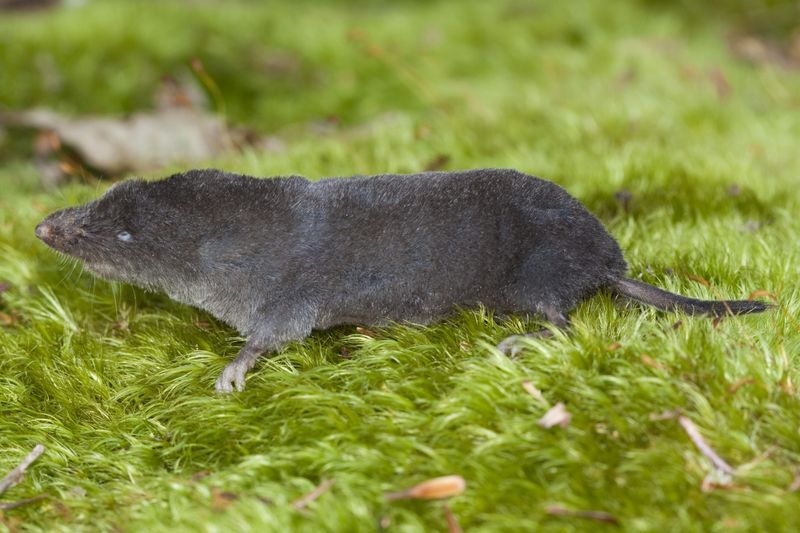
Few mammals produce venom, and short-tailed shrews are among them. Missouri’s conservation agency says their venom immobilizes prey.
That gives a tiny hunter a big edge over meals that might otherwise fight back or flee.
Laboratory work backs this up. A peer-reviewed study isolated and characterized a toxin in the saliva of the northern short-tailed shrew.
So the venom is a measured, studied fact and not just folklore.
Do not picture a snake, though. A shrew has no snake-like fangs and no specialized injection system.
Its venom gets into a victim through a bite, and a scientific review of venom use in shrews and their relatives describes delivery as less precise than a snake’s.
Why did this trait evolve? Researchers have suggested a couple of ideas.
Venom might help a shrew subdue prey larger than itself, or it might keep cached prey alive and fresh for later meals. Both are hypotheses, and no one has shown that either is the single answer.
A small predator may eat garden pests
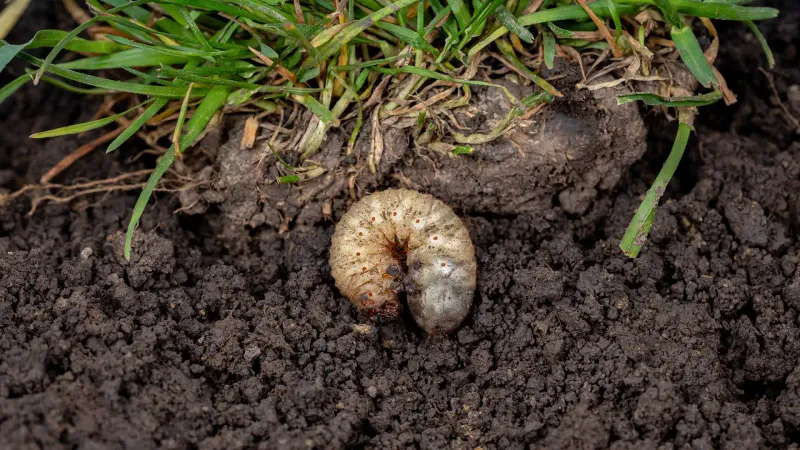
A shrew’s appetite is part of what makes it interesting. Its usual menu includes insects and their larvae, earthworms, snails, slugs, spiders, and centipedes.
Short-tailed shrews may also take small vertebrates now and then.
Some of those foods are familiar garden troublemakers. Missouri’s field guide specifically names cutworms and beetle grubs among the pests that shrews eat.
Slugs and snails, which also appear on the menu, chew holes in many garden plants.
That diet suggests a possible benefit. A shrew patrolling the soil surface and tunnels could eat some of the creatures that damage roots and leaves.
Anyone who has lost seedlings overnight can see why that might be welcome.
Keep the picture realistic, though. A shrew eats a mix of foods, and earthworms are on the menu too.
No evidence says a shrew in your yard is eating your particular pest, and nobody can promise pest control from a single animal. Think of the shrew as a small bonus when it shows up, not a service you can count on.
How to respond to a shrew bite
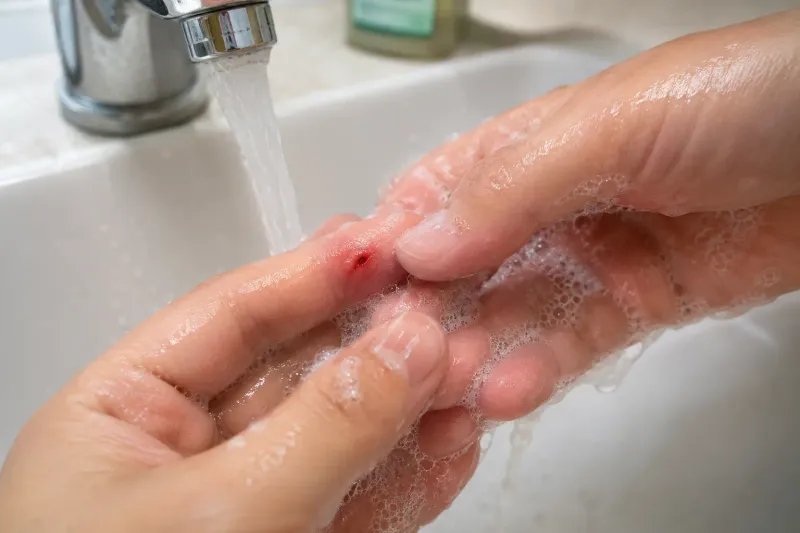
Wild shrews are not pets, so never pick one up or try to handle it. A frightened animal this small will still bite or scratch.
If you find one in a window well or garage, give it space and let it leave on its own.
What a bite would do to a person is not well pinned down. A scientific review reports human bite accounts describing local burning and swelling.
Those accounts are limited. They do not show how often bites happen or what any one person would feel.
If you are bitten or scratched, wash the wound promptly with soap and water. Then contact a health professional or your local health department for advice.
Mention what kind of animal it was and how the contact happened.
Rabies is the other question people ask. CDC wildlife guidance and its advice on when to seek care make clear that the decision depends on the animal and the exposure.
So do not assume a shrew bite always calls for rabies shots, and do not assume it never does. A health professional or public-health authority can sort that out.
Coexist with a garden-edge predator
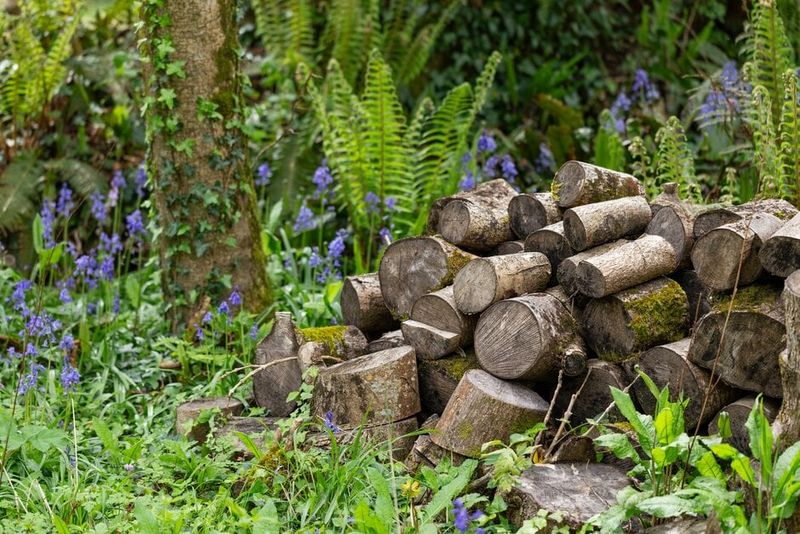
The best plan for most yards is a calm one. Missouri Conservationist recommends tolerating shrews where possible because they can help keep pests in check.
It advises against poisoning them. Poison is a poor choice for an animal that may be doing some useful hunting.
If shrews truly become a problem, trapping may sometimes be used. That is a last step and not routine advice.
Most gardeners will never need it.
Keep the odds in view. A shrew may use suitable cover such as damp, weedy growth, but its presence is never guaranteed.
Seeing signs of one does not by itself mean your garden is at risk.
Somewhere beneath the mulch, a venom-wielding hunter lighter than an ounce may be working its way through the dark. Most of us will never see it, and that is probably fine with both sides.
Share this story