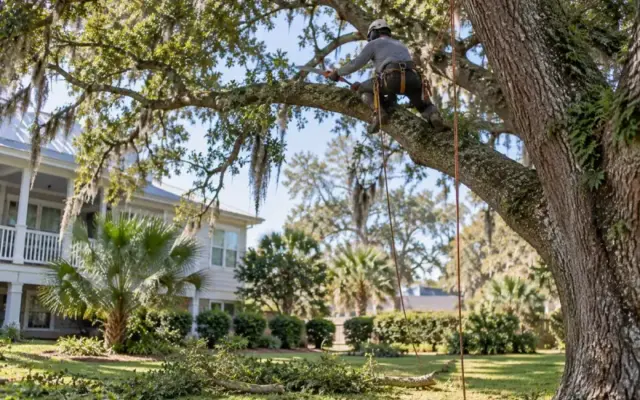
If a neighbor’s branches hang over your yard, you can generally cut them back to the property line, and that is the rule most South Carolina legal commentary points to. The catch is that the limit is real: stay on your own land and do not seriously harm the tree.
Many homeowners find out the details only after a branch hits a roof or a fence. Here is what the guidance says, where it stops, and how to avoid a costly mistake.
What South Carolina guidance says about overhanging branches

Here is the practical answer. South Carolina legal commentary generally treats trimming encroaching branches back to the property line as an accepted approach, as long as you stay on your own land and avoid seriously damaging the tree.
That is how a South Carolina law firm describes the generally accepted approach.
The wording matters, though. The state statute does not expressly grant homeowners a right to trim overhanging limbs.
The same law firm analysis also says no published South Carolina appellate decision squarely settles this self-help rule.
So think of the guidance as a sensible, widely used starting point, not a guarantee. It tells you what most careful people do, and it gives you a reasonable position if a neighbor objects.
It does not promise that every cut will be free of legal risk.
Three ideas carry most of the weight. First, the branch has to actually cross onto your side.
Second, your tools, ladder, and feet need to stay on your side as well. Third, the cut should not threaten the life or stability of the tree.
If any of those three is shaky, the situation changes. A blurry boundary, an aggressive cut, or a step onto the neighbor’s lawn can turn a simple trim into a dispute.
The sections below explain each of those pressure points in plain terms.
What the state tree-injury law does and does not say

South Carolina’s main tree-injury provision is Code § 16-11-520. According to the state code for Title 16, Chapter 11, it makes it unlawful to willfully and maliciously injure another person’s tree or to trespass on their land.
Criminal penalties vary with the value of the injury or loss.
Notice what the statute leaves out. It does not contain an express exception for trimming branches that cross a property line.
It also does not say that trimming encroaching limbs is allowed. The law simply addresses willful and malicious injury and trespass.
That gap is why the trimming guidance comes from legal commentary and not from the text of the law. Reading the statute as a permission slip would go too far, and reading it as a ban on all trimming would also go too far.
Lawmakers have looked at this gap. Senate Bill 39 would add an exception for trimming encroaching limbs to § 16-11-520.
The General Assembly lists it as referred to the Senate Judiciary Committee.
That means it is a proposal. It is not current law, and homeowners should not act as if it has been adopted.
Until that changes, the careful approach is to follow the accepted guidance and keep your work well inside your own boundary.
Keep the work on your side of the boundary
Turning the guidance into action starts with a few simple habits. The lower-risk approach described in South Carolina legal commentary comes down to staying on your property, stopping at the boundary, and not doing work likely to kill or seriously damage the tree.
Begin by confirming where the line actually is. A fence is not always on the boundary, and a guess can put you on the wrong side.
Check your deed, your plat, or a survey if you have one.
Next, plan the cut so that you never leave your own land. Keep ladders, tools, and your body on your side.
If the best angle requires stepping into the neighbor’s yard, stop and ask permission first.
Then look at the size of the job. Trimming a few small limbs that hang over your roof is very different from taking off a large share of the tree.
Heavy cuts that could cripple the tree raise the risk of a damage claim, even when you never crossed the line.
Finally, consider a short, friendly talk with your neighbor before you start. Many disputes fade when someone says what they plan to do and offers to share the cleanup.
None of this guarantees that every cut is lawful or harmless. It simply lowers the chance of trouble.
Criminal penalties and civil claims are separate issues

A criminal law and a civil lawsuit work differently, and mixing them up leads to bad assumptions. Section 16-11-520 deals with willful and malicious injury to another person’s tree and trespass, and its penalties are criminal.
A civil claim is a different path. It is usually about whether one person owes another money for harm.
The willful-and-malicious standard in the criminal statute does not protect you from a civil claim if pruning damages a neighbor’s tree.
The same law firm analysis separates the criminal statute from possible civil claims. In plain terms, you might not be acting with malice and still face a dispute over harm to the tree.
Picture a homeowner who cuts back a large limb so aggressively that the tree is left lopsided and sick. Even with good intentions, the neighbor may argue the tree was seriously damaged.
Whether that argument succeeds would depend on the facts and the evidence.
Nothing here means that a particular cut will automatically lead to liability. The point is narrower.
Staying out of criminal trouble is not the same as being clear of every civil risk.
Keeping photos of the branches before you cut, limiting the amount you remove, and using a qualified arborist for bigger jobs can all help you show you acted reasonably.
Resolve boundary uncertainty before cutting

Sometimes the real question is not about branches at all. It is about where one yard ends and the other begins.
If the line is unclear, self-help becomes riskier, because a branch you think hangs over your land might actually belong to a tree you have no right to touch.
A 2021 unpublished Court of Appeals opinion, Greene-Mackey v. Bevins, offers a limited warning.
Damages were upheld after a neighbor intentionally removed trees located on the other owner’s property while the boundary dispute was unresolved.
Be careful about what that case means. It involved removing trees, not trimming overhanging limbs.
It did not decide the overhanging-branch issue, and it should not be read that way.
Its useful lesson is simpler. Acting before the boundary is settled can be costly if you turn out to be wrong.
Before you cut, gather your deed and plat, and look for survey pins or markers. If the line is in doubt, a licensed surveyor can mark it.
A written agreement with the neighbor about where the line is can also prevent a later argument.
If the neighbor disputes the boundary, pause. A short delay and a conversation with a local real estate attorney usually cost far less than a fight over trees that were never yours to cut.
A dangerous tree raises a different question
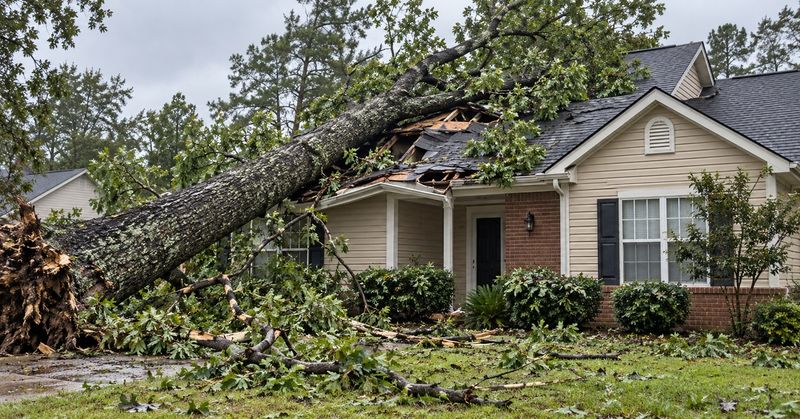
Trimming rights and tree-owner responsibility are two separate topics. Your ability to cut branches that cross the line says nothing about whether your neighbor must act on a risky tree.
South Carolina appellate materials treat the second topic as a question about reasonable care.
In Shelton v. LS&K, the court discussed a duty for urban landowners to use reasonable care so that trees are not unsound or defective.
Liability turned on evidence about whether decay was, or should have been, discoverable. A related unpublished opinion, Kennedy v.
Johnson, is also part of that picture.
This does not mean an owner is automatically liable whenever a limb falls. A healthy tree can lose a branch in a storm without anyone being at fault.
The answer depends on the tree’s condition and what the owner knew or should have known.
It also does not mean the duty forces a neighbor to trim every overhanging branch. The law firm analysis treats liability as dependent on particular circumstances.
If you worry about a tree, look for clues such as dead limbs, fungus, cracks, or a lean. Photograph them with dates and share your concerns with the owner in writing.
A certified arborist can assess the tree, and that report can be strong evidence of what was discoverable.
Use professionals and check local rules when needed
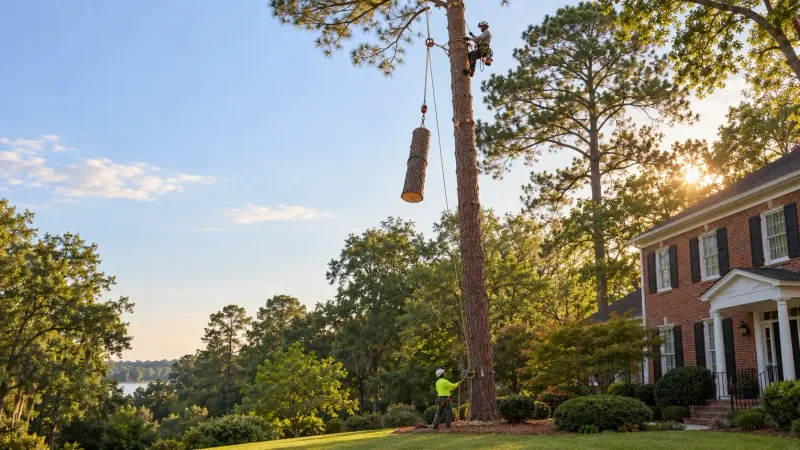
Some jobs are too big or too risky for a weekend with a ladder. The South Carolina Forestry Commission says pruning large trees that requires climbing or removing heavy limbs should be left to skilled arborists.
It also advises against removing more than one-third of a tree’s crown at one time and against topping.
Those limits line up with the legal caution about serious tree damage. A heavy, careless cut can hurt the tree and create a dispute.
Power lines are a separate matter. The South Carolina Office of Regulatory Staff says that for branches near active power lines, homeowners should not do the work themselves or hire a private tree contractor.
Contact the utility and use qualified line-clearance professionals.
Local rules can also apply on their own. For example, the City of Columbia requires a forestry permit for specified work within the drip line or plant bed of a public right-of-way or city-owned property.
That is a Columbia rule for those specific areas. It does not apply statewide, and it does not cover ordinary work on private land.
Still, your city or county may have its own tree or permit rules, so a quick call to the local planning office is a smart step.
When in doubt about height, weight, wires, or permits, hire a qualified professional and ask whether they are insured.
Check the boundary and risks before acting
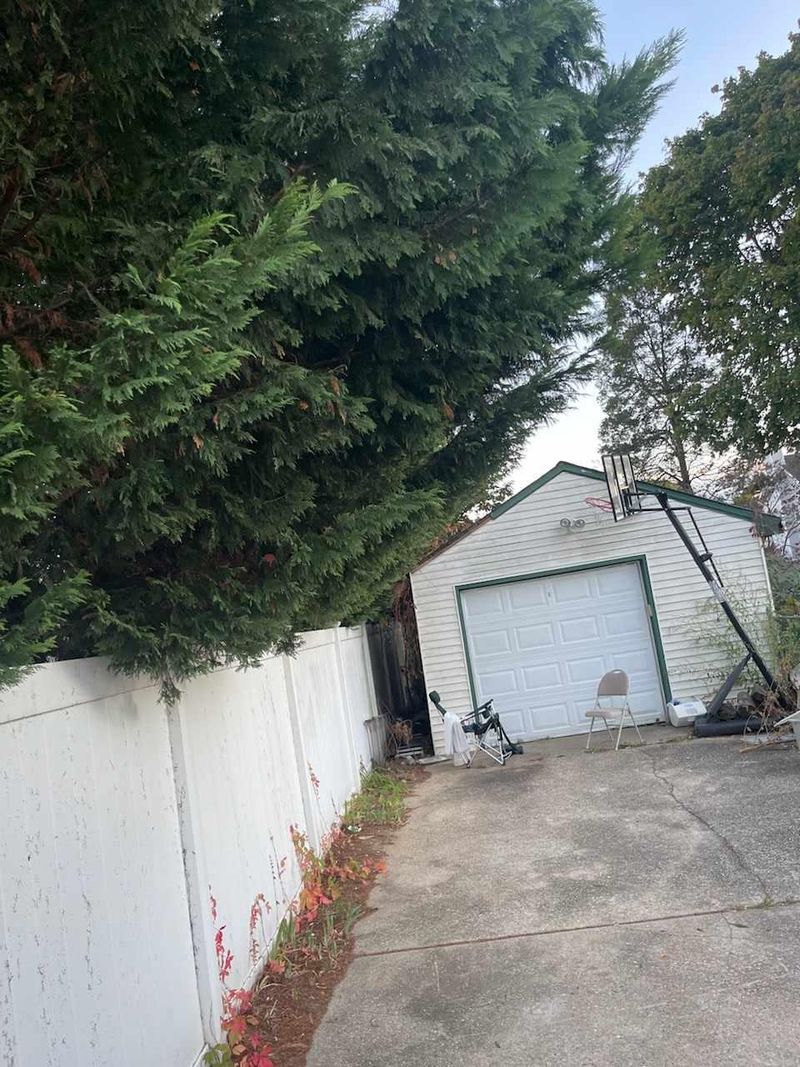
The accepted guidance supports trimming encroaching branches to the boundary under limited conditions, but it is not written into the statute or squarely settled by a published state appellate decision. Verify the line, avoid trespass and serious tree damage, and remember that § 16-11-520 has no express trimming exception.
Pause for a professional or a lawyer if the boundary, the tree’s condition, power lines, or local rules leave you unsure. The property line is a useful stopping point, but a good plan decides whether the cut is wise.
Share this story