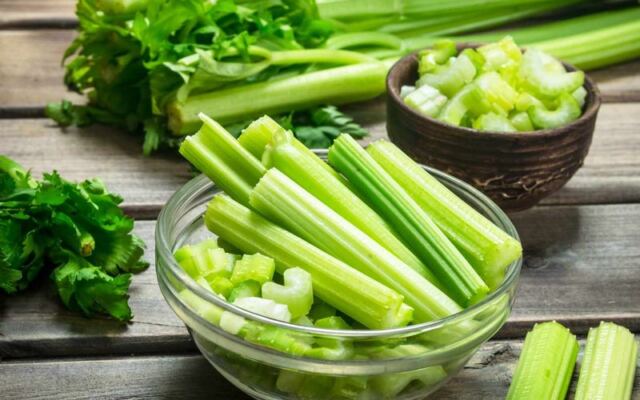
Eat celery every day and, for most people, you get a crunchy, low-calorie vegetable and a little fiber and potassium, and not much else that you could predict. There are no dramatic changes waiting for you, but celery can still be a handy addition to your plate.
Plenty of online claims promise detoxing and lower blood pressure from this pale green stalk. Here is what the evidence really says, so you can decide if a daily crunch makes sense for you.
What two stalks provide
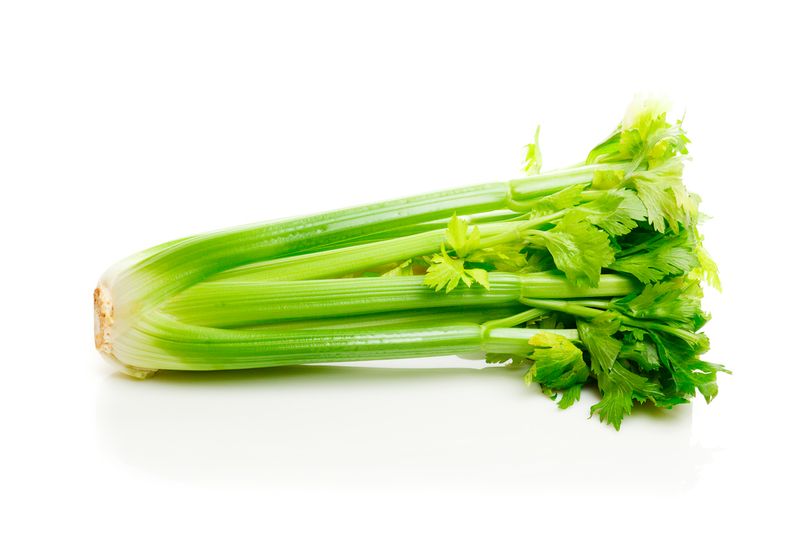
Numbers help here, so start with the official serving size. The FDA lists a reference portion of two medium raw stalks, which weighs 110 grams.
According to the FDA’s raw produce nutrition table, that portion provides about 15 calories, 1 g of fiber, 115 mg of sodium, and 260 mg of potassium.
Those values describe one specific portion. They are not a promise for every stalk you buy, since celery stalks vary a lot in size.
They also do not describe juice, cooked celery in soup, or celery mixed into other foods.
Notice that celery is not calorie-free and not sodium-free, even though you may hear both claims. Fifteen calories is small, but it is not zero.
The same goes for the 115 mg of sodium.
That sodium figure needs some perspective. It is a modest amount for two stalks, and it does not make ordinary celery a high-sodium food.
The bigger sodium swings usually come from what goes with the celery, such as a salty dip, a sprinkle of celery salt, or a prepared dish like a deli salad.
So a plain stalk and a stalk loaded with creamy dressing are very different snacks. If you enjoy celery with peanut butter, hummus, or ranch, the toppings change the calories and sodium far more than the celery does.
Plain celery is simply a light base for whatever you add.
Celery can fit a varied diet
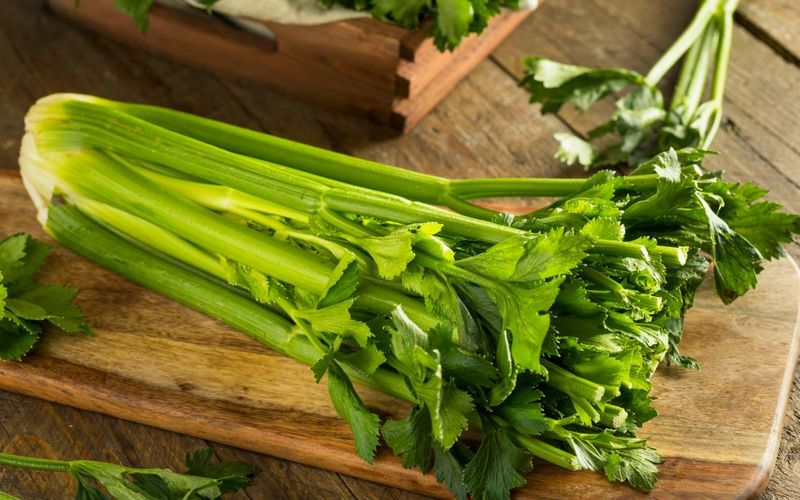
Think of celery as one seat at a big table. It can add crunch and volume to a lunch or snack, and it counts as a vegetable.
That makes it an easy way to get more produce into your day if you like the taste.
Current U.S. dietary guidance, described on the federal dietary guidelines page, favors a varied diet that includes vegetables. It does not name celery as a must-have, and it sets no celery-specific daily target.
You can also browse the broader advice at DietaryGuidelines.gov.
That means eating celery every day is optional. If you prefer carrots, spinach, tomatoes, or green beans, you are not missing out on some secret ingredient.
Different vegetables bring different nutrients, which is the whole point of variety.
It also helps to separate a useful habit from a medical need. A daily celery snack can be a nice routine if it keeps you reaching for vegetables.
But evidence does not establish a special, predictable health benefit from eating stalks every single day.
A practical test is to ask what celery replaces. If it takes the place of a bag of chips, that is a reasonable swap.
If it crowds out other vegetables because you think it is a cure-all, it is working against you.
What blood-pressure research tested
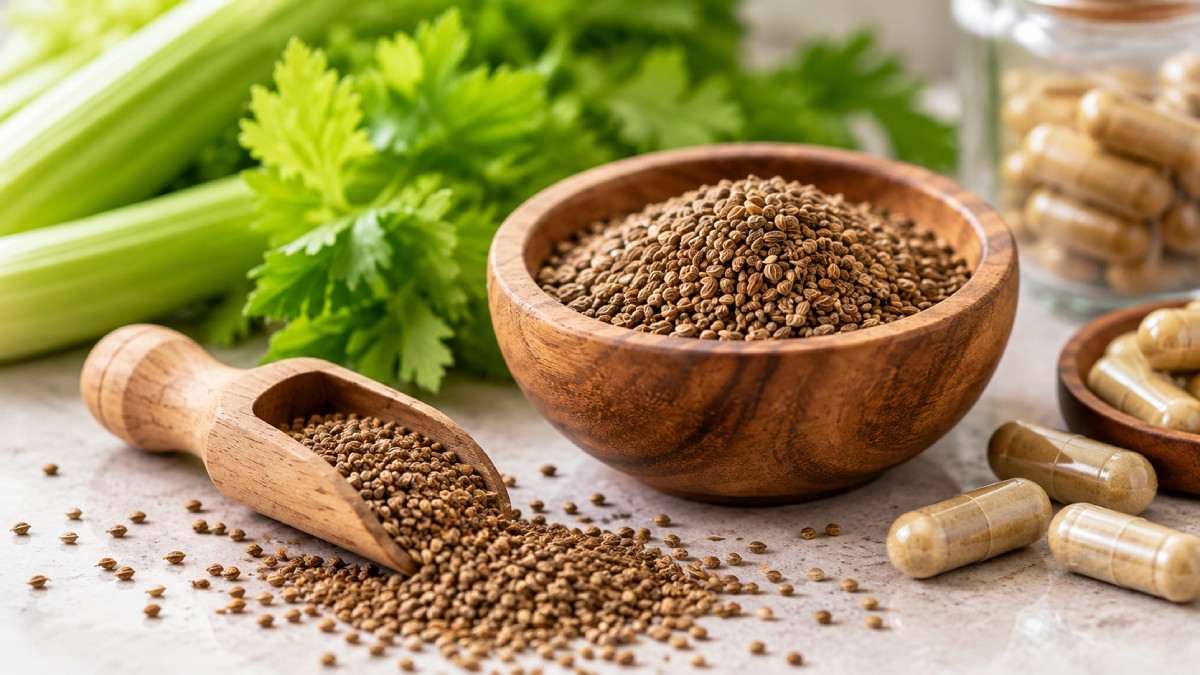
Headlines about celery and blood pressure often skip a key detail: the studies did not simply have people munch stalks. Much of the research used celery seed, extracts, or other measured preparations, often in supplement doses.
Those are very different from the celery in your crisper drawer.
A 2025 review, published on PubMed, pulled together 10 trials with 511 adults. It reported potential effects on some measures.
It also found substantial variation among the studies, small sample sizes, and a need for better trials.
That makes it preliminary evidence about celery preparations. It is a hint that more research may be worthwhile, not a final answer.
An earlier randomized trial on celery seed extract and hypertension shows the kind of product studied. Participants took an extract, which is a concentrated, measured product rather than a plate of raw stalks.
So the findings cannot be applied directly to a daily serving of raw celery. Evidence does not establish that eating celery stalks daily lowers blood pressure, prevents hypertension, or treats disease.
If you have high blood pressure, work with your health care team on proven steps, and do not count on celery to do the job.
Juice does not offer a proven detox
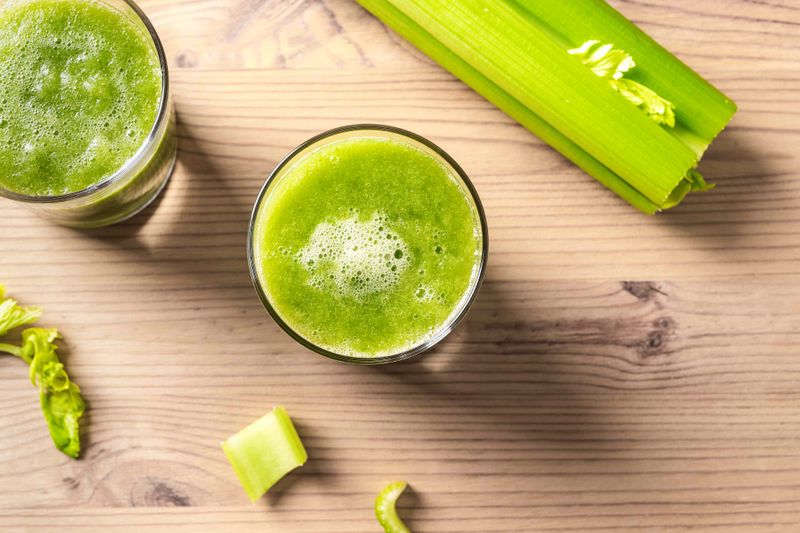
Whole celery keeps its fiber. When you strain celery into juice, much of that fiber is removed.
So juice and stalks are not nutritionally identical, even though they start from the same plant.
Celery juice has been promoted as a miracle drink, especially when sipped on an empty stomach. Oregon State University Extension reports that studies have not established those special effects.
In other words, the timing of your glass does not appear to matter in any proven way.
Bigger promises about detoxing or cleansing fall into a separate bucket. The National Center for Complementary and Integrative Health says evidence validating detox and cleanse regimens is limited.
Your liver and kidneys already handle waste removal, and no celery routine has been shown to improve on that.
None of this means celery juice is harmful or that you should avoid celery. If you enjoy a glass, that is a personal choice.
Just do not expect it to cleanse your body, and remember that eating the whole stalk gives you the fiber that juice leaves behind.
When personal health needs matter
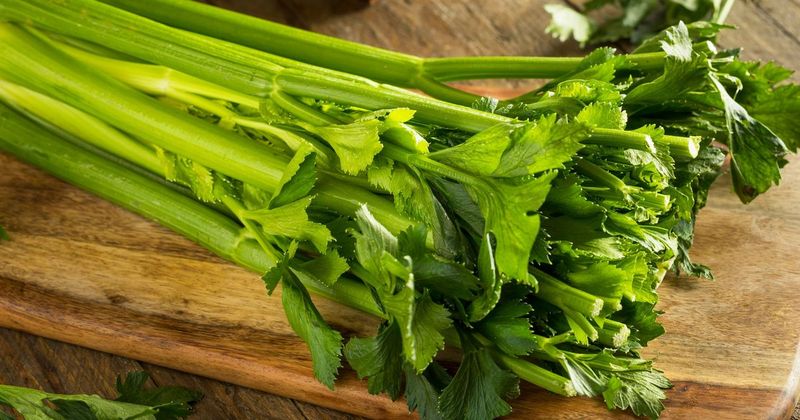
For most people, plain celery is a simple food. A few health situations call for extra thought, though, and none of them make ordinary celery a hazard.
If you have chronic kidney disease, potassium can matter. NIDDK’s potassium tips for people with CKD list raw celery among lower-potassium vegetable choices.
Needs differ from person to person, so NIDDK’s eating guidance points toward advice from a health professional or dietitian.
If you take warfarin, the usual advice is to keep your vitamin K intake consistent rather than making sudden large changes. The NIH vitamin K fact sheet speaks about vitamin K broadly.
Normal celery eating is not a reason to avoid celery or change your medication, but tell your care team about big shifts in your diet.
Celery allergy is different and can be serious. According to Anaphylaxis UK, reactions range from itchy mouth symptoms to severe reactions, including anaphylaxis.
If you think you might be allergic, do not try to figure it out on your own with test bites. Get a clinical assessment from a doctor or allergy specialist.
Prepare celery safely
If you like celery, keep it simple. Treat it as one vegetable option among many, and enjoy it in whatever way you will actually eat it, whether raw, in soup, or chopped into a salad.
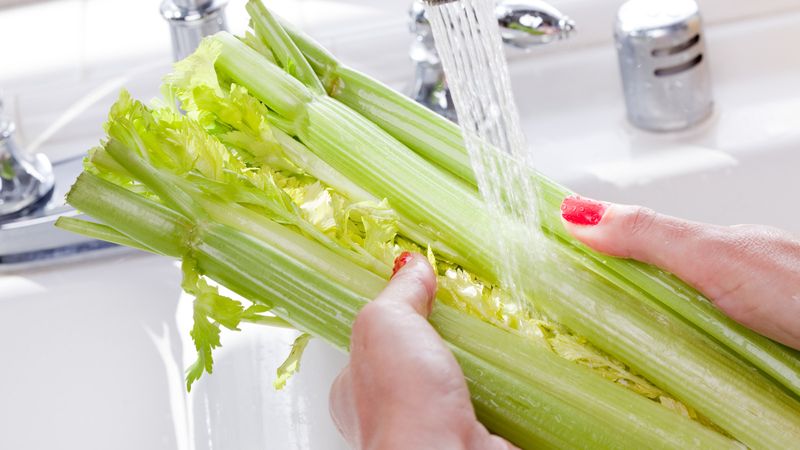
Wash fresh celery under running water before you cut or eat it. Rubbing the stalks with your hands while rinsing helps, and cutting off the base removes trapped dirt.
The FDA’s produce safety advice says not to wash produce with soap or household detergent.
Washing first matters because a knife can drag dirt and germs from the outside of a stalk into the part you eat. A clean cutting board helps too.
As for how much to eat, there is no required schedule. A few stalks in a week works just as well as a few every day, as long as your overall diet has variety.
Pairing celery with a light dip or a spoonful of nut butter can make it more satisfying, though those extras add calories and sometimes sodium.
Store the stalks in the fridge, and use them while they are still crisp. Limp celery is still fine in soups and stews.
A practical choice, not a treatment
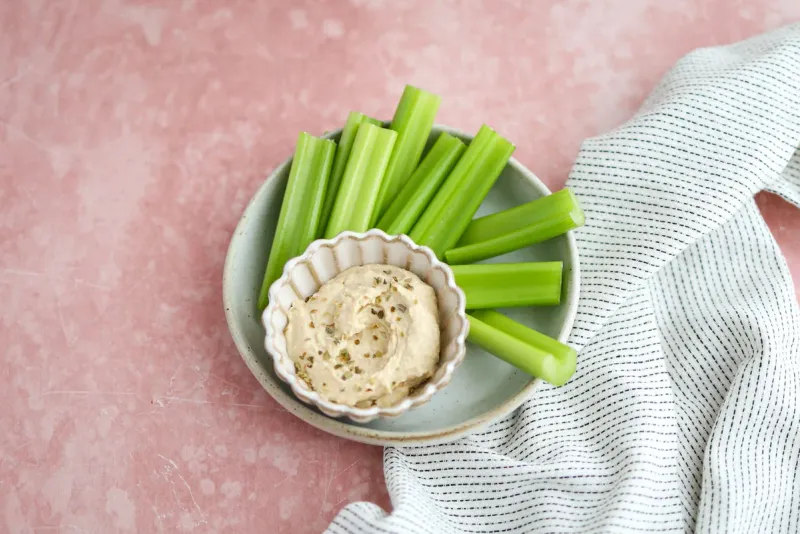
Celery is a convenient, low-calorie vegetable, and you do not have to eat it daily. Evidence does not establish a special benefit from daily stalks or any detox effect.
The research that gets quoted often involves studied preparations such as seed extracts, and the 2025 review itself asks for better trials.
If you like the crunch, keep celery in your routine. Lean on the variety that federal dietary guidance favors.
A stalk is a good snack, not a health fix.
Share this story