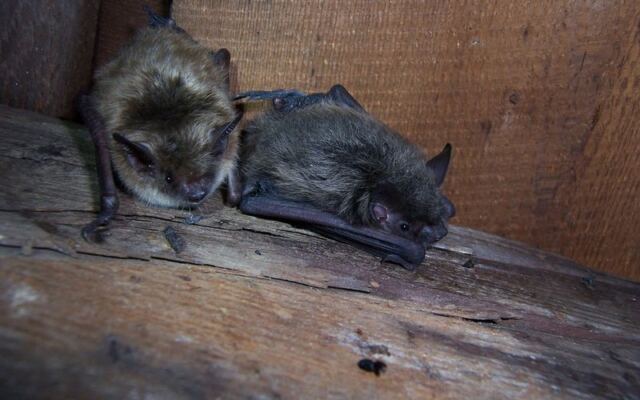
Wisconsin is home to eight kinds of bats, but only two of them might quietly share your house when the snow starts falling. The big brown bat and the little brown bat sometimes tuck themselves into attics, walls, and basements to wait out the cold months.
Knowing which one you have, and why it picked your home, can help you keep both your family and these helpful bug-eaters safe. Here is what makes each of these winter roommates special.
1. Big Brown Bat
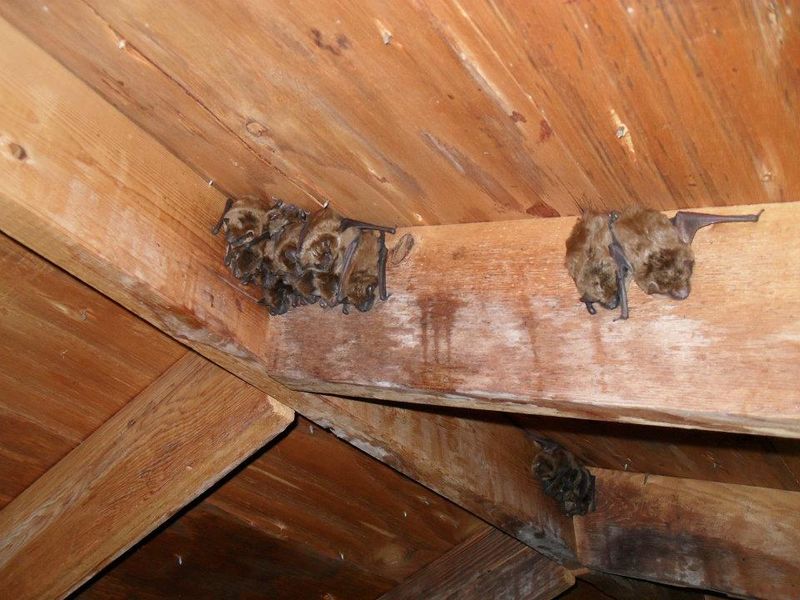
Picture a January night in Madison, with the thermometer reading ten below zero. Up in the attic, a furry little creature is hanging from a rafter, barely breathing.
Meet the big brown bat, the toughest winter bat in the state.
Most Wisconsin bats head to caves or old mines when it gets cold. Big brown bats are different, because they can handle chillier, drier spots than their cousins.
That is why attics, wall gaps, and church steeples work just fine for them.
Even though the name says big, these bats weigh about as much as two nickels and a quarter. Their wings stretch around 13 inches across.
They have shiny brown fur, dark faces, and a surprising appetite for beetles, including ones that damage crops.
Here is a fun fact: big brown bats sometimes wake up in the middle of winter and move around inside the house. That is often when families first notice them.
A bat fluttering near the furnace in February is usually a big brown bat looking for a better spot.
If you find one, stay calm and do not touch it with bare hands. Call a wildlife expert, since the bat cannot survive outside in freezing weather.
2. Little Brown Bat
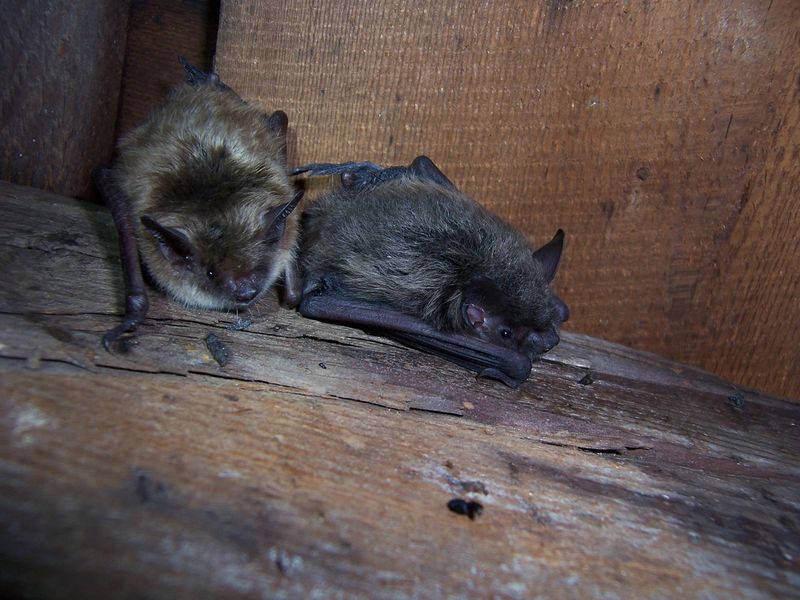
Tiny, fluffy, and lighter than a single grape, the little brown bat is a real underdog. Once one of the most common bats in Wisconsin, it has faced hard times thanks to a disease called white-nose syndrome.
Spotting one in your home today is actually kind of special.
Little brown bats usually prefer humid caves for winter. Still, some end up spending cold months inside buildings, especially older homes with cozy cracks.
They also love raising babies in barns and attics during summer, so a house that welcomes them in July may still have visitors later.
Did you know one little brown bat can catch hundreds of mosquitoes and moths in a single night? That makes them like free pest control for your backyard.
Wisconsin lists this bat as a threatened species, so it is protected by law. That means you should never harm or trap one.
Experts suggest waiting until late summer, after pups can fly, to seal entry holes. A bat house nearby can give them a new place to stay.
Share this story