Get the latest garden guides in your inbox →
Gardening Latest
  • General Gardening
  • Lawn Care
  • Plant Care
  • Composting
  • Soil Health
  • Backyard
  • Garden Muse Magazine
  • General Gardening
  • Lawn Care
  • Plant Care
  • Composting
  • Soil Health
  • Backyard
  • Garden Muse Magazine
  • News
  • Gardening Calendar
  • Garden Structures
  • Vegetable Garden
  • Vertical Garden
  • Raised Beds
  • Hydroponics
  • General Equipment
  • Community Gardens
Garden Themes
  • Spiritual Garden
  • Hydroseeding
  • Seeding and Laying Sod
  • Artificial Grass
  • Lawn Care Equipment
  • Plants
  • Trees
  • Planting Tools
  • Composting Basics
  • Fertilizer
  • Alternative Growing Mediums
  • Front Yard
  • Backyard Activities
  • Landscaping
Gardening Latest

Explore by state

Which state is your garden in?

Currently viewing Massachusetts

All states

Northeast

  • Connecticut —
  • Delaware 21
  • Maine —
  • Maryland 7
  • Massachusetts 24
  • New Hampshire —
  • New Jersey 8
  • New York 17
  • Pennsylvania 17
  • Rhode Island —
  • Vermont —

Southeast

  • Alabama 7
  • Arkansas —
  • Florida 7
  • Georgia 8
  • Kentucky 21
  • Louisiana 6
  • Mississippi —
  • North Carolina 6
  • South Carolina 20
  • Tennessee 4
  • Virginia 7
  • West Virginia —

Midwest

  • Illinois 6
  • Indiana 9
  • Iowa 20
  • Kansas —
  • Michigan 8
  • Minnesota 6
  • Missouri 6
  • Nebraska —
  • North Dakota —
  • Ohio 8
  • South Dakota —
  • Wisconsin 22

Southwest

  • Arizona 7
  • Colorado —
  • Nevada —
  • New Mexico —
  • Oklahoma —
  • Texas 6
  • Utah —

West

  • Alaska —
  • California 7
  • Hawaii —
  • Idaho —
  • Montana —
  • Oregon —
  • Washington —
  • Wyoming —

No state matches that search.

Site menu

Gardening Latest
  • General Gardening
    • News
    • Gardening Calendar
    • Garden Structures
    • Vegetable Garden
    • Vertical Garden
    • Raised Beds
    • Hydroponics
    • General Equipment
    • Community Gardens
    Garden Themes
    • Spiritual Garden
  • Lawn Care
    • Hydroseeding
    • Seeding and Laying Sod
    • Artificial Grass
    • Lawn Care Equipment
  • Plant Care
    • Plants
    • Trees
    • Planting Tools
  • Composting
    • Composting Basics
  • Soil Health
    • Fertilizer
    • Alternative Growing Mediums
  • Backyard
    • Front Yard
    • Backyard Activities
    • Landscaping
  • Garden Muse Magazine

Explore

  • About GardeningLatest.com
  • Contact Us

Get the latest from the garden

New guides on lawn care, plants and backyard projects, sent when they go up.

Subscribe →

Follow

  • Facebook
  • X
  • Pinterest
  • YouTube
Massachusetts Gardening

Snakes Aren’t the Only Venomous Animals in Massachusetts Yards, and This Mouse-Sized Shrew Proves It

A tiny mammal in Massachusetts can make venom, and it is not a snake or a spider.

AT

By Abigail Thatcher

November 23, 2026 · 6 min read

Snakes Aren’t the Only Venomous Animals in Massachusetts Yards, and This Mouse-Sized Shrew Proves It
Snakes Aren't the Only Venomous Animals in Massachusetts Yards, and This Mouse-Sized Shrew Proves It

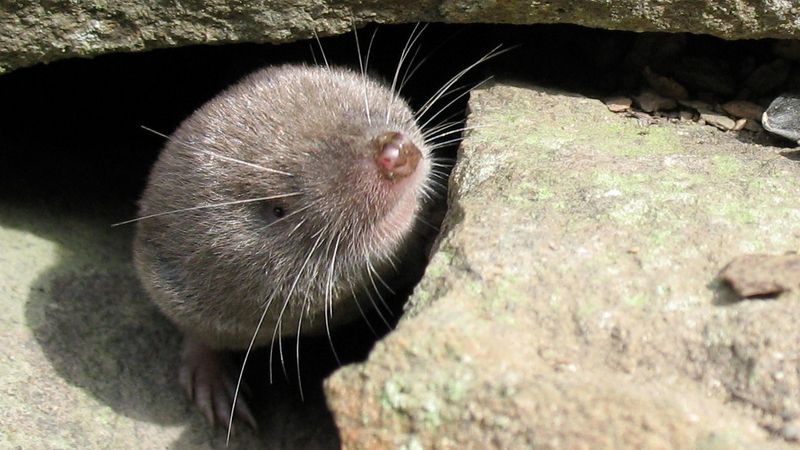
A tiny mammal in Massachusetts can make venom, and it is not a snake or a spider. The northern short-tailed shrew has toxic saliva, which is why scientists call it venomous.

It is small, quiet, and easy to miss under leaves and low plants. Here is what researchers know, what they do not, and how to treat this surprising animal with sensible respect.

At a glance

Where
Massachusetts Gardening
Hardiness zone
6 −10 to 0°F
Read
6 minutes
Published
November 23, 2026

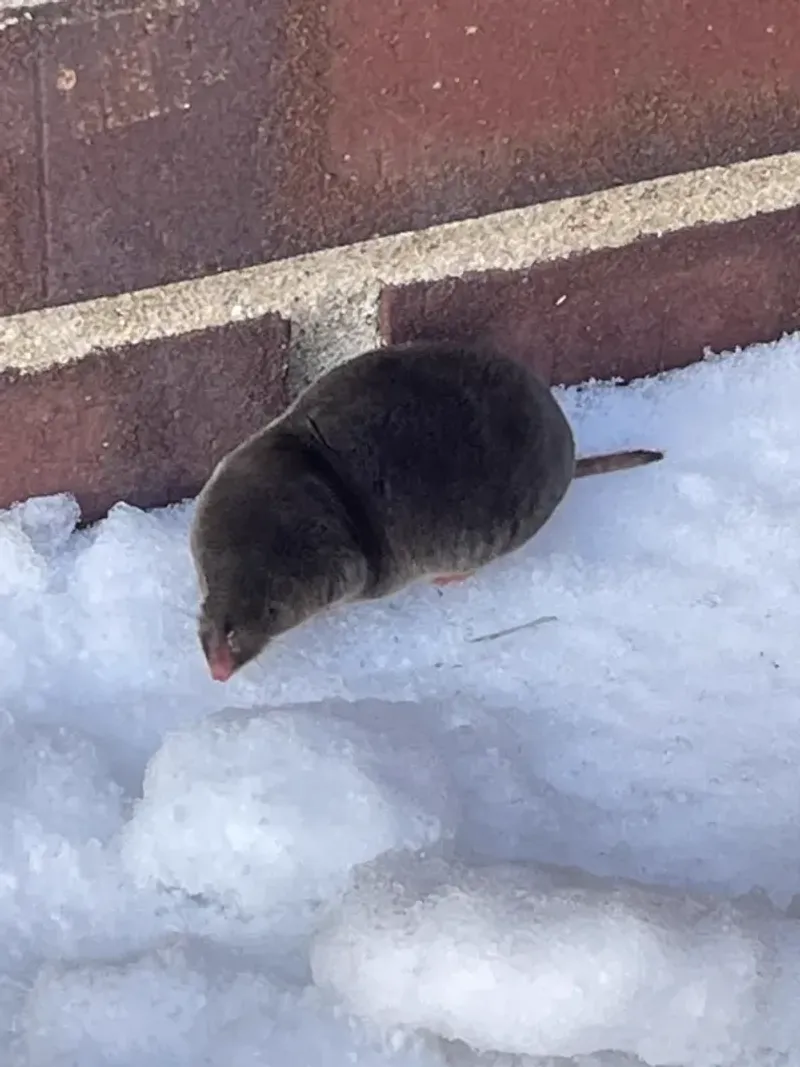
Could a shrew find suitable cover in a yard?
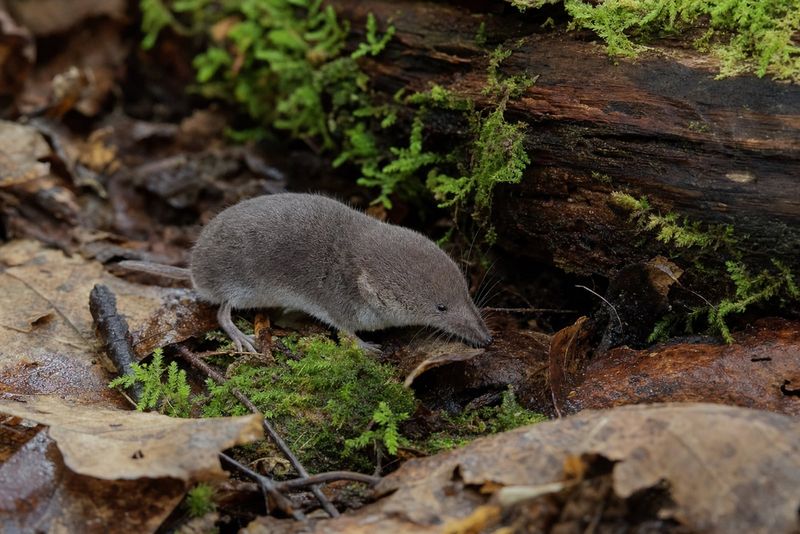
Could a shrew find suitable cover in a yard?
© Outforia

Start with where the animal is recorded. The state’s mammal list records the northern short-tailed shrew statewide in Massachusetts.

That tells us it lives in the state, but it does not tell us how many shrews live in any one neighborhood.

The habitat clue is more specific. A Massachusetts habitat inventory describes short-tailed shrew habitat as low vegetation and damp, loose leaf litter.

Think of the soft, shaded layer under shrubs, along a woodland edge, or beneath a pile of fallen leaves. Not every yard offers those conditions, and a tidy, dry, open lawn may offer very little of it.

So can a yard be a setting for this animal? That is an inference from suitable cover, not documented Massachusetts yard use.

A yard with damp leaf litter and low plants next to woods could fit the description. The cited sources do not show how often shrews occur in residential yards, so there is no honest way to call them common there.

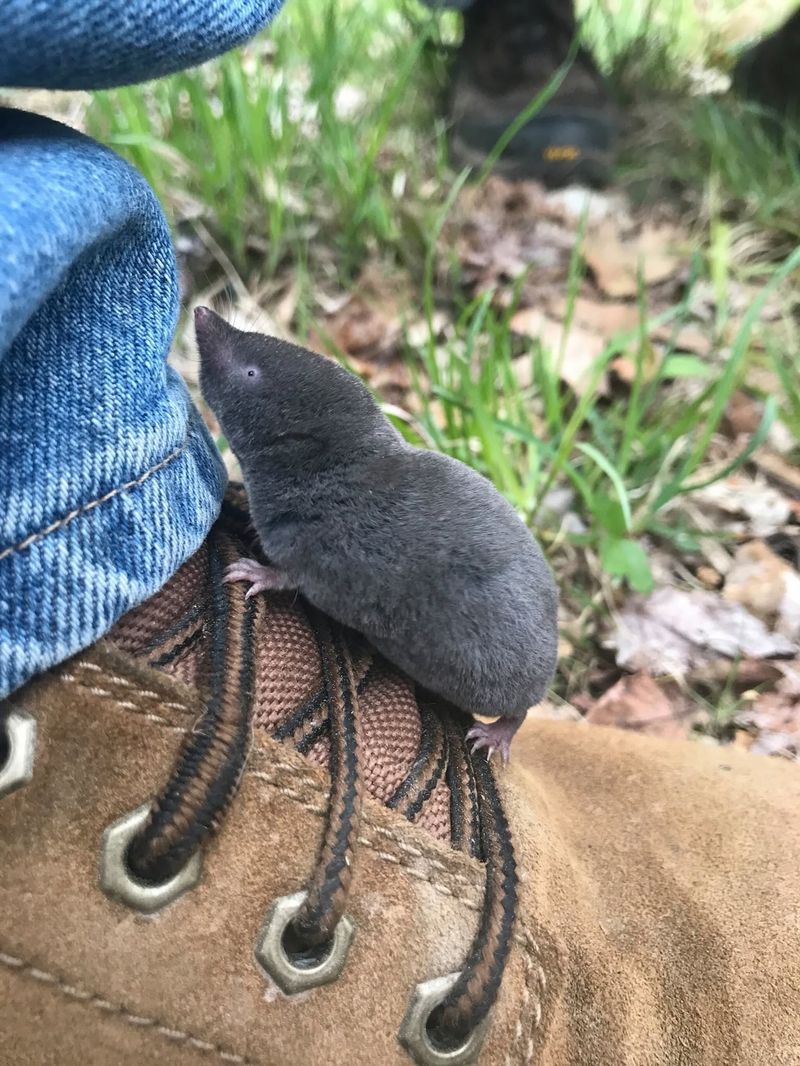
Size gives a sense of how easy they are to overlook. Pennsylvania’s wildlife agency gives a weight of about 0.44 to 0.82 ounces for short-tailed shrews.

That is regional context from Pennsylvania, not a Massachusetts measurement, but it shows an animal lighter than a few coins.

How researchers found venom in a small mammal
How researchers found venom in a small mammal
© Better Termite

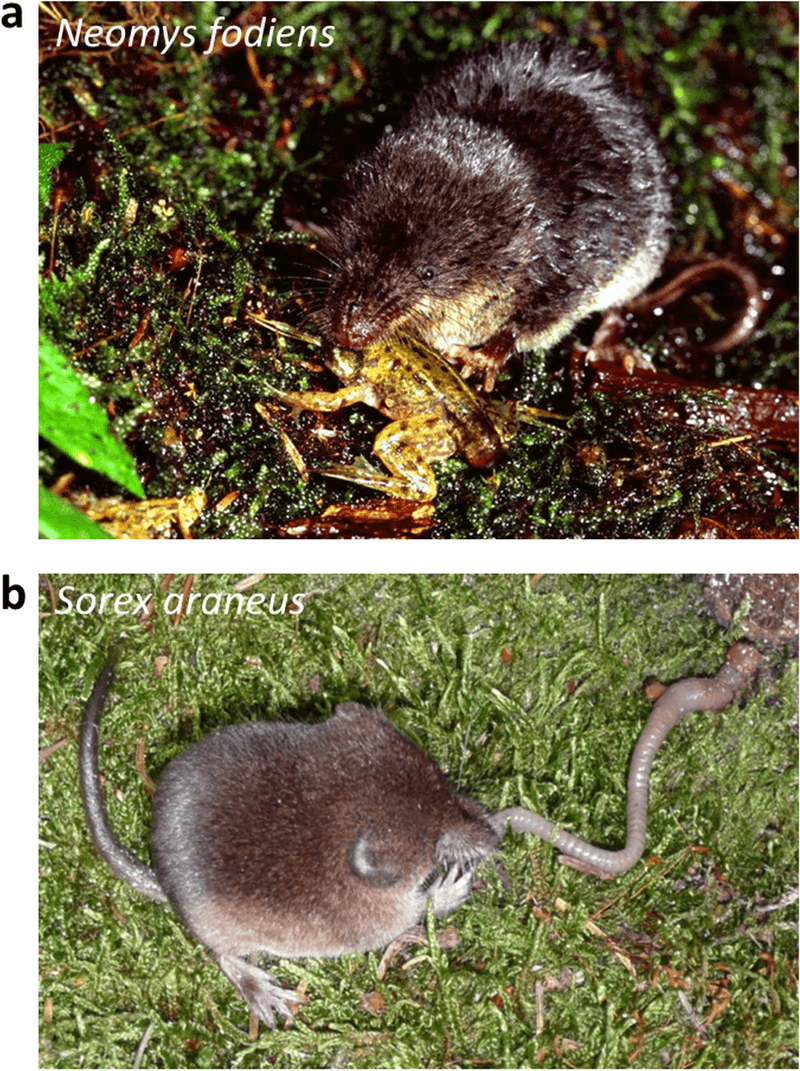
Venom is not only a snake and spider story. Researchers studying the northern short-tailed shrew, Blarina brevicauda, isolated a toxic component from its salivary glands and described it in a PNAS study on Blarina toxin.

The team called it a mammalian lethal venom and worked out its basic characteristics.

The toxin research showed effects on prey and on mice, and the later peptide research reported effects in lab tests.

Why does that count as venom? The animal makes a toxic substance in specialized glands, and the saliva carries it into prey through a bite.

In experiments, the purified toxin affected animals such as mice. That is the basis for calling the shrew venomous.

The finding helps explain a puzzle. Shrews have very fast metabolisms and need to eat often, yet they tackle prey that can be fairly large for their size.

Toxic saliva offers a way to subdue animals such as insects and other small creatures without a long struggle.

This discovery corrects a common assumption. If you were taught that venom belongs only to snakes and spiders, the shrew research shows that is too broad, because it documents venom in a mammal.

That does not put the shrew in the same league as medically significant venomous snakes. It simply means the venom club is bigger than many of us learned.

Researchers have identified more than one venom-related component
Researchers have identified more than one venom-related component
© Springer Nature

The first toxin was not the end of the story. Later work, described in a Journal of Biological Chemistry study on Blarina paralytic peptides, identified additional shrew peptides.

The researchers tested them in the laboratory and reported effects on a human T-type calcium channel, hCav3.2, in lab tests.

That is a different kind of research from the earlier isolation work. The first study found and characterized a toxic component from the salivary glands.

The later one looked at other peptides and how they act on a specific channel studied in the lab. Together they show that shrew venom is not just one ingredient.

Calcium channels help control how cells send electrical signals, so scientists use them as test targets. Seeing an effect on a channel in a lab setup is useful for understanding how a peptide works.

It is not the same as watching what happens when a shrew bites a person.

It also helps to keep the limits in view. Findings about particular components do not give a full account of every effect of shrew venom.

Some details are still being worked out, so it would be a mistake to describe the venom as one fully understood toxin or to treat every possible effect as settled.

What the evidence says about human bites
What the evidence says about human bites
© rawrszn

Most of the strong evidence comes from animals and laboratory work. The toxin research showed effects on prey and on mice, and the later peptide research reported effects in lab tests.

Those results explain how the venom works. They do not tell us what usually happens when a person is bitten.

Human accounts exist, but they are limited. The 2004 study cites accounts of local burning and swelling after bites.

Those are short reports, not organized clinical studies that followed many people.

That gap matters. A handful of accounts cannot establish a typical reaction, how often symptoms occur, how severe they usually are, or whether there is any lethal risk.

It would be wrong to turn them into a rule in either direction.

Even the lab work on human channels needs careful reading. The peptide study tested a human calcium channel in a controlled setting.

That shows a mechanism is possible in the lab, not that a bite causes a particular response in a person.

The practical picture is proportionate. The shrew is venomous, and a bite could be unpleasant, but the sources here do not show shrews to be dangerous to people.

Nor does merely seeing or touching one cause envenomation. A bite is what delivers saliva, and bites happen mainly when a wild animal is handled or cornered.

Leave wild shrews alone
Leave wild shrews alone
© Science News Explores

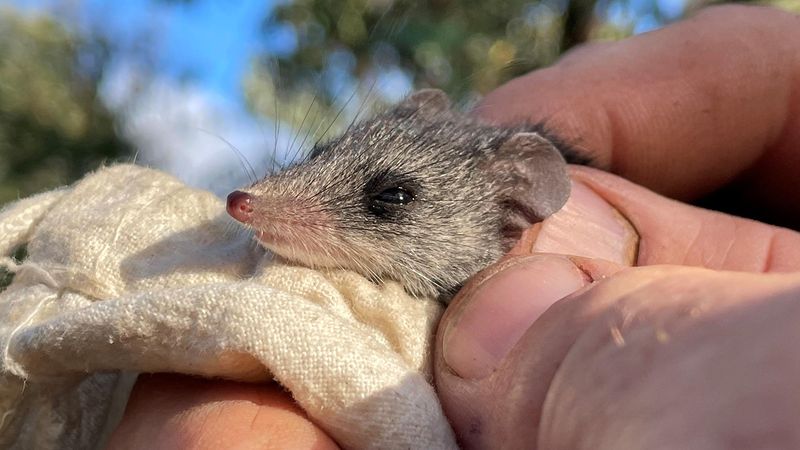
The simplest rule is to skip handling. Wild shrews do not need picking up, and a frightened animal this small will bite if it is grabbed.

Admire it from a distance and let it go on its way.

Massachusetts gives general advice that fits here. According to state guidance on sick or hurt wild animals, wild animals should generally be left alone.

If you think an animal truly needs help, the state directs you to a licensed wildlife rehabilitator rather than urging you to step in yourself.

Say your cat leaves a shrew on the porch, or you uncover one while moving a pile of leaves. Wear gloves if you must clear the area, give the animal space, and keep pets and children back.

A little patience often lets it slip away.

If a bite breaks the skin, follow general small-mammal advice. CDC guidance on small mammals says to wash a bite promptly with soap and water and to seek medical advice when appropriate.

That page covers small mammals in general, so it is not shrew-specific treatment guidance.

A health care provider is the right person to ask about a bite, especially if you have questions about swelling, infection, or tetanus status.

An unusual animal to respect, not fear
An unusual animal to respect, not fear
© Cool Green Science – The Nature Conservancy

The northern short-tailed shrew is recorded in Massachusetts and has toxic saliva, yet the research behind that finding does not establish a serious or life-threatening risk to people. A yard with low vegetation and damp leaf litter could be a possible setting, but the cited sources do not show how often shrews occur in residential yards.

Enjoy the knowledge, and keep your hands to yourself. Sometimes the smallest animal under the leaves has the most surprising story.

Share this story
AT

Written by

Abigail Thatcher

More from Abigail Thatcher →

About Gardening Latest

Gardening Latest provides in-depth guides to maintaining and enhancing your garden and backyard. Learn how to make the most of the space you have and create a beautiful garden.

More about us →

Latest stories

  • Virginia Gardening5 Smart Moves When A Coyote Wanders Into Your Virginia Yard, And 3 Big Mistakes

    5 Smart Moves When A Coyote Wanders Into Your Virginia Yard, And 3 Big Mistakes

    3 min ago
  • New Jersey GardeningDon’t Scrape Off Those Papery Tan Clumps On Your New Jersey Shrubs, They’re Full Of Baby Garden Helpers

    Don’t Scrape Off Those Papery Tan Clumps On Your New Jersey Shrubs, They’re Full Of Baby Garden Helpers

    10 min ago
  • North Carolina Gardening8 Trees and Shrubs North Carolina Gardeners Can Prune Now and 4 You Should Leave Alone

    8 Trees and Shrubs North Carolina Gardeners Can Prune Now and 4 You Should Leave Alone

    16 min ago
  • Michigan GardeningThe Michigan Trees That Bring Owls to Your Yard and Keep Mice Out of Your Garage

    The Michigan Trees That Bring Owls to Your Yard and Keep Mice Out of Your Garage

    21 min ago
  • New York GardeningThose Ladybug Look-Alikes Crawling Inside Your New York Home Chose It For A Reason

    Those Ladybug Look-Alikes Crawling Inside Your New York Home Chose It For A Reason

    36 min ago

Gardening by state

Stories for your state, and the hardiness zone most of it gardens in.

Keep exploring

Read next

All Massachusetts Gardening →
Massachusetts GardeningFall Is When Massachusetts’ Venomous Yard Critters Show Up, And They’re Closer Than You Think
Massachusetts Gardening

Fall Is When Massachusetts’ Venomous Yard Critters Show Up, And They’re Closer Than You Think

15 hr ago
Massachusetts GardeningShould You Cut That Giant Flower Stalk Off Your Massachusetts Rhubarb? Here’s Why It Shows Up
Massachusetts Gardening

Should You Cut That Giant Flower Stalk Off Your Massachusetts Rhubarb? Here’s Why It Shows Up

17 hr ago
Massachusetts GardeningBrushed Against a Browntail Moth Caterpillar in Your Massachusetts Garden? Here’s What to Do Right Away
Massachusetts Gardening

Brushed Against a Browntail Moth Caterpillar in Your Massachusetts Garden? Here’s What to Do Right Away

21 hr ago

More from Massachusetts Gardening

  • Frost Does Not End Blacklegged Tick Risk in Massachusetts, So Keep Checking Yourself This Winter

    Nov 20
  • Hearing Scratching in Your Massachusetts Walls at Night? Flying Squirrels Are One Possibility

    Nov 20
Back to top

Leave a response Cancel

Your email address stays private. Required fields are marked with an asterisk.

Gardening Latest

In-depth guides to maintaining and enhancing your garden and backyard: how to make the most of the space you have, and how to make it beautiful.

  • Facebook
  • X
  • Pinterest
  • YouTube

We may earn a portion of sales from products or services that are purchased through our site as part of our affiliate partnerships with retailers.

Explore

  • About GardeningLatest.com
  • Contact Us
  • Terms and Conditions
  • Privacy
  • Editorial Note:
  • FTC Disclosure

Newsletter

New garden guides and seasonal tips, straight to your inbox.

We’ll email you a link to confirm. Unsubscribe any time.

Almost there! Check your inbox and tap the link to confirm.

© 2026 Gardening Latest. All rights reserved.

Back to top