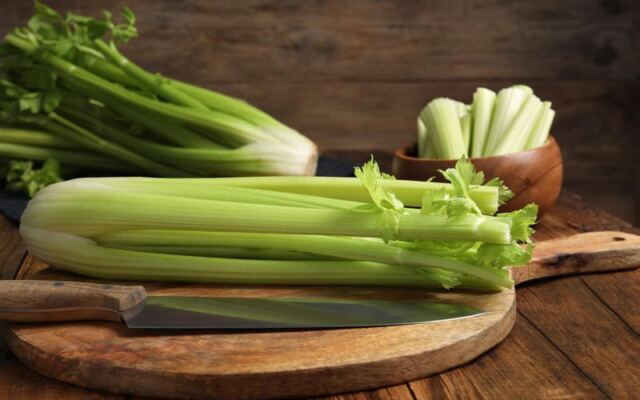
Celery is a crisp, crunchy vegetable that many people grow in garden plots or toss into the grocery cart. Some say eating it every day does wonders for the body.
Others call that hype. Here is a plain look at what celery can do, what it cannot, and how to enjoy it safely.
What celery contributes—and what that does not prove
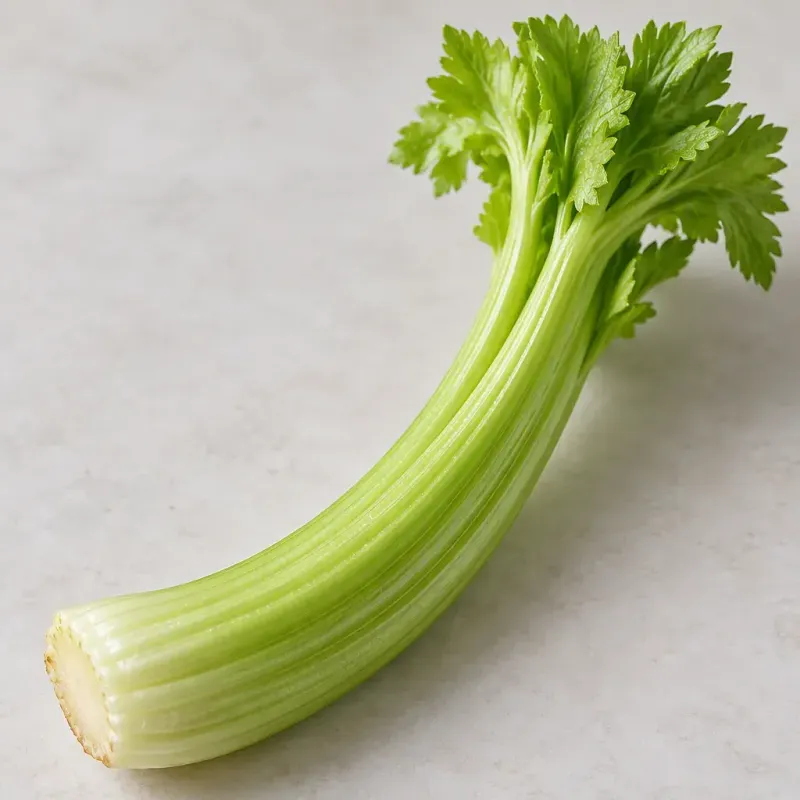
Celery is mostly water. USDA reference data list raw celery at about 16 calories, 1.6 grams of fiber and 95 grams of water per 100 grams.
That is roughly one large stalk and a bit more, or a small handful of chopped pieces.
The same data show potassium and vitamin K in celery. Potassium is a mineral the body uses for nerves and muscles, and vitamin K plays a role in normal blood clotting.
Celery supplies some of both, but it is one food among many that can contribute them.
Here is where expectations need a reality check. Those numbers describe what is in the stalk.
They do not prove that eating celery on its own will improve your hydration, fix your digestion or change your health outcomes.
A fair way to think about it: a daily serving of celery is a light, crunchy way to add water, a little fiber and some nutrients to a meal or snack. It can take the place of a saltier or more processed crunchy snack, and that swap may matter more than the celery itself.
Pairing it with peanut butter, hummus or a bean dip adds protein and keeps you full longer.
Do not expect a dramatic change you can feel after a week or a month. Ordinary foods usually work quietly as part of a whole eating pattern.
Celery fits nicely into that pattern, along with other vegetables, fruits, whole grains and plenty of variety.
If you grow your own, you may get stalks that are stringier or more strongly flavored than store-bought ones. Nutrient amounts will vary a bit from stalk to stalk, so treat the USDA figures as a handy average rather than an exact label for what is on your plate.
What celery studies actually show
Headlines about celery often point to research, so it helps to know what was actually studied. A 2025 review pulled together 10 randomized trials with 511 participants.
It reported possible benefits for blood pressure, blood sugar and triglycerides from celery preparations.
The authors added cautions. The trials differed a lot from one another, and the sample sizes were limited.
In plain terms, the results are interesting but not firm enough to treat as settled.
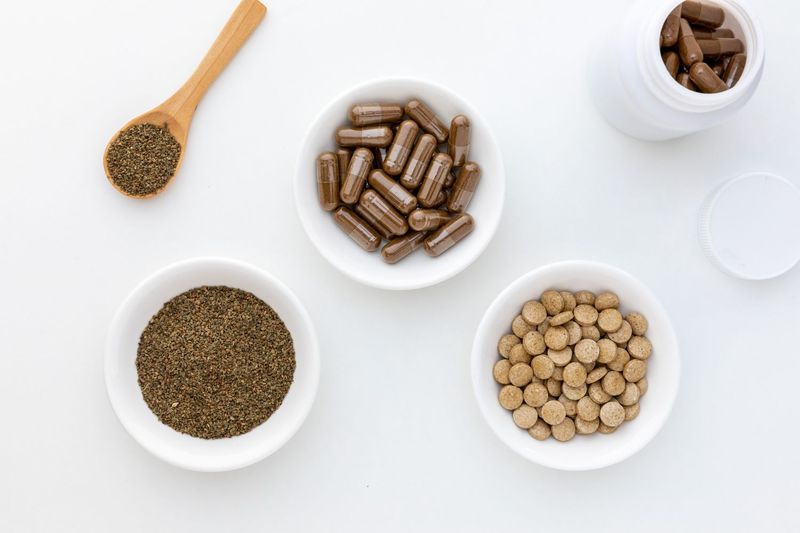
The studies also tested celery preparations, not simply stalks eaten as a snack. Those preparations can be concentrated and differ in form and dose.
One example is a small trial of celery-seed extract. It involved 52 people with hypertension who took capsules containing 1.34 grams daily for four weeks.
Blood pressure was reported lower during the celery-extract phase.
That result applies to capsules in people with high blood pressure. It does not show that celery stalks or celery juice lower blood pressure, and it is no reason to swap out prescribed medication.
Put the two sources together and the takeaway is modest. Researchers are curious about celery compounds, and more and larger studies would help.
Neither source shows that ordinary portions of celery stalks eaten every day produce the same effects, and neither gives a recommended daily amount.
If you have high blood pressure, keep taking your medicine as directed and talk with your clinician before trying any celery supplement.
Detox and weight-loss claims go beyond the evidence
Low calories are not the same as a magic weight-loss trick. Celery has about 16 calories per 100 grams, according to USDA data, but that is a fact about its makeup.
It does not make celery a negative-calorie food, and it does not guarantee that anyone will lose weight.
Where celery fits is simple. If it replaces higher-calorie snacks and leaves you satisfied, your overall intake may drop a little.
That depends on everything else you eat, not on celery alone.
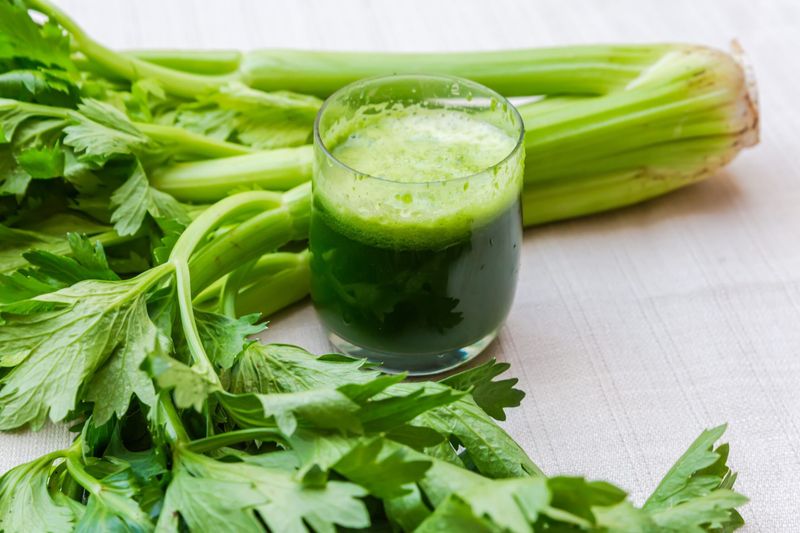
Then there is the word detox. Claims that celery or celery juice detoxes the body or cleanses organs are not supported by the evidence gathered for this article.
Your liver and kidneys already handle that work every day.
The National Center for Complementary and Integrative Health has looked at detoxes and cleanses and reports no compelling research that detox diets remove toxins or help manage weight. That discussion covers detox programs in general.
It is not a test of one particular celery habit, so it does not prove or disprove any single approach.
The same caution applies to disease claims. Celery juice has not been shown to treat high blood pressure, diabetes, inflammation, digestive disease, skin conditions or cancer.
If a product or video promises that, treat it with healthy doubt.
Enjoying celery is fine. Expecting it to cleanse you or melt pounds is where the claims run ahead of the facts.
Consider medications and allergies when changing your diet

Food and medicine sometimes interact. Celery contains vitamin K, and people who take warfarin need a steady intake of that vitamin, as explained in the NIH vitamin K fact sheet.
Sudden changes in how much vitamin K you eat can alter how well the medicine works.
That does not mean everyone on warfarin must avoid celery. The goal is consistency.
If you plan to start eating much more celery, or juice it daily, mention it to your clinician or pharmacist first so they can watch your levels if needed.
Allergies are another factor. Some people with pollen allergies react to raw celery through pollen-food allergy syndrome.
The American College of Allergy, Asthma and Immunology notes that reactions commonly involve itching or swelling in the mouth after eating the raw vegetable.
If symptoms spread beyond the mouth, such as hives, trouble breathing or stomach upset, that can signal a more serious allergy. Get medical advice promptly rather than waiting to see if it happens again.
Skin is a smaller concern. DermNet notes that celery contact can rarely cause skin reactions and increased sensitivity to sunlight, with the greatest risk among people who handle celery for work.
Ordinary eating is not commonly linked to sun sensitivity.
For most gardeners and shoppers, none of this is a problem. It simply pays to know your own situation before turning a casual snack into a big daily routine.
Wash celery under running water
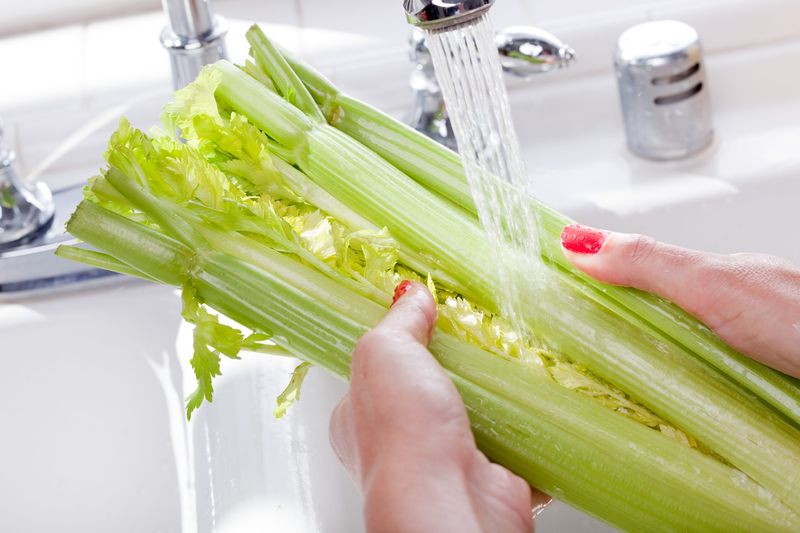
Whether it came from a garden bed or a grocery shelf, celery should be rinsed before you cut or eat it. The FDA’s produce safety guidance advises washing produce under running water before preparing or eating it, and that includes homegrown vegetables.
Start by washing your hands with soap and water. Then separate the stalks and hold them under cool running water, rubbing gently with your fingers.
Pay attention to the base and the grooves along each stalk, where soil likes to hide.
Skip the soap. The FDA advises against washing produce with soap, detergent or commercial produce wash.
Plain running water is the recommended method.
Once rinsed, dry the stalks with a clean cloth or paper towel. Trim off any damaged or bruised spots before using them.
Wash celery even if you plan to peel or chop it, because a knife can carry surface dirt into the part you eat. Keep cut celery on a clean board and away from raw meat juices.
Store any leftovers in the refrigerator.
Keep a daily celery habit in perspective
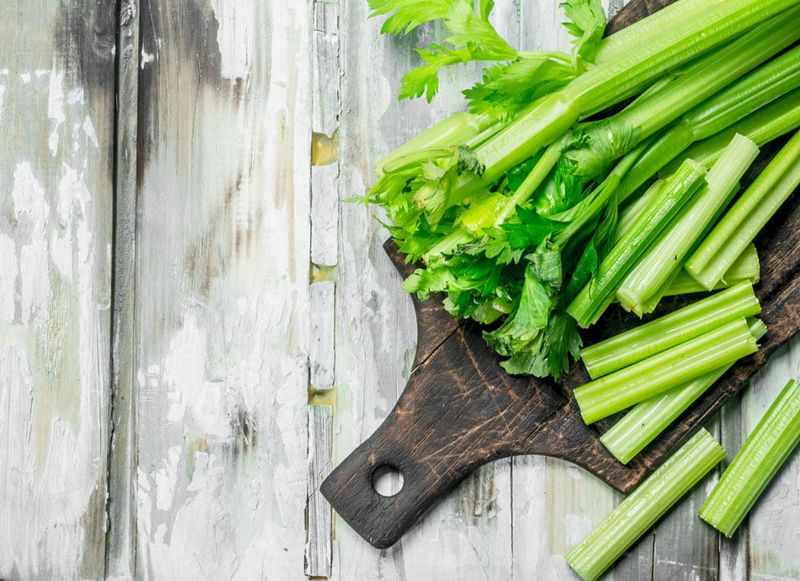
Celery is a water-rich, low-calorie vegetable with some fiber and nutrients, as USDA data show. Studies, including a 2025 review and a small seed-extract trial, looked at preparations, not everyday stalks.
Celery and celery supplements do not replace prescribed treatment.
Crunch away if you like it. Just let it be a good vegetable, not a miracle.
Share this story