Rats in the yard make most people want a quick fix, and a pretty plant that does the job sounds perfect. Sadly, no single plant has been shown to keep rats away.
Rosemary still has real charm in a California garden, though. Here is what actually helps with rats, and where rosemary fits in.
The plant promise does not hold up
Here is the straight answer: nothing shows that one plant, rosemary included, will reliably keep rats out of a California yard. If a plant could do that, pest control would be a lot simpler.
According to UC IPM guidance on rats, rats may avoid some odors or tastes at first. But repellents do not solve rat problems for more than a short time.
The same source says no truly effective rat repellents are registered for use in California.
That is why the title of this article makes a promise it cannot keep. A better title would drop the claim or clearly qualify it, something like a look at rosemary as a garden plant and what really helps with rats.
So the rest of this piece does two jobs. It gives you practical steps that match what UC experts recommend, and it gives rosemary a fair hearing for what it does well.
Those are separate questions, and mixing them up is how many yards end up with both a pretty herb bed and a rat problem.
Why a fragrant herb is not a rat barrier

Walk past a rosemary bush and the scent is strong, so it seems logical that rats would hate it too. The trouble is that smell alone does not make a plant a barrier.
Scientists have tested plant-based products on rodents, but that is different from planting an herb along your fence.
A systematic review of plant compounds as rodent repellents found inconsistent results across laboratory, enclosure, and field studies. Some tests showed an effect, and others did not.
There is another gap to keep in mind. Many of those studies use essential oils, extracts, or concentrated compounds.
A living rosemary shrub releases far less scent in an open yard, and nothing in that research shows that it protects a property.
In plain terms, a lab result with concentrated plant material tells you little about a bush by your patio. No study cited here supports a yard-scale rosemary solution, so it makes sense not to count on one.
Rosemary has garden value beyond pest control
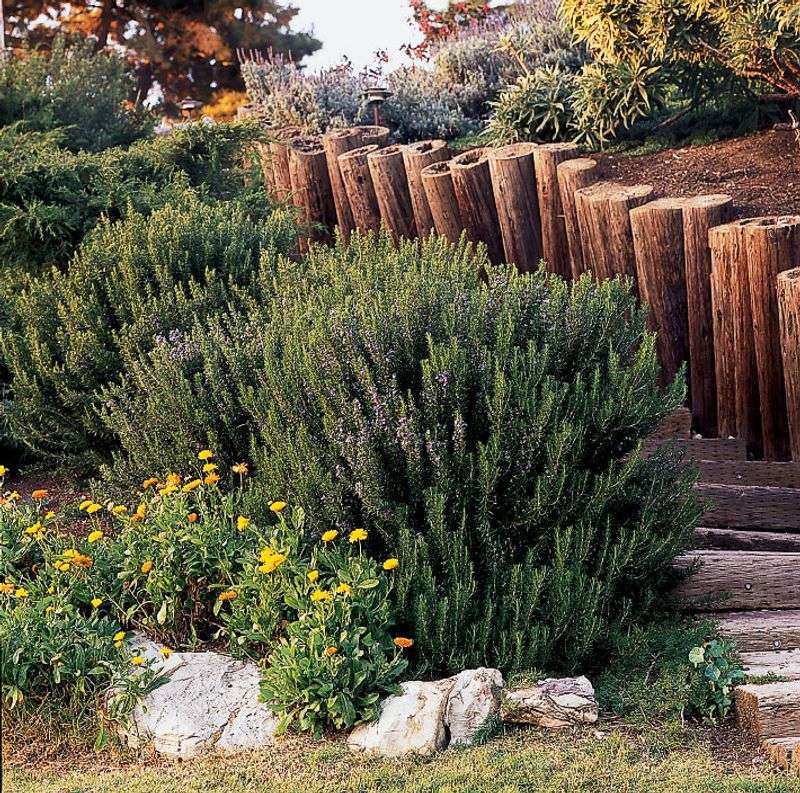
Take rats out of the picture and rosemary still earns its spot. UC sources describe it as an evergreen herb suited to California gardens, and it is drought-tolerant once established.
It also works in the kitchen, adding flavor to roasted potatoes, chicken, and breads.
How it looks through the year depends on where you live and how you care for it. Cold snaps, soggy soil, or heavy shade can leave a plant scruffy, so no one can promise it will look great in every season.
For care, UC IPM growing tips point to full sun to partial shade and well-drained soil. Rosemary does not like wet feet, so a raised bed or sloped spot can help in heavy clay.
Plan on regular water during the first year while roots settle in. After that, it needs little water once established.
Treat it as an attractive, useful herb, and enjoy it for those reasons alone.
Where rats find shelter in a yard

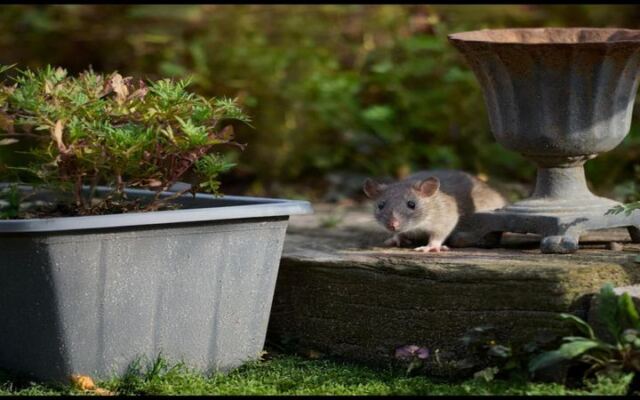
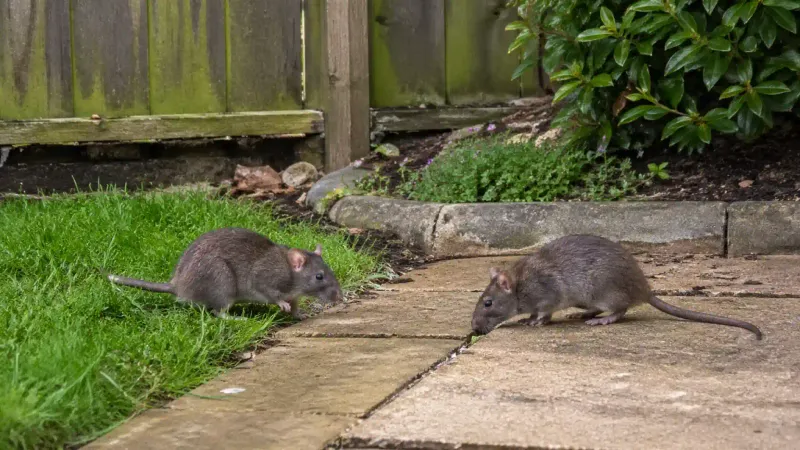
Knowing how rats live tells you where to look. California’s common urban rats are roof rats and Norway rats, and they pick different spots.
Per UC IPM, roof rats often nest above ground in trees, shrubs, or dense vegetation. Norway rats commonly burrow near foundations, rubbish, or woodpiles.
Picture a thick hedge pressed against the house. To a roof rat, that is a hidden highway and a ready-made nest site.
A stack of firewood leaning on the wall gives a Norway rat cover close to a burrow.
The lesson is about placement and upkeep. Dense plantings give rats shelter, so how you space and trim plants matters more than which species you pick.
Walk your yard with fresh eyes and note any tangled, shadowy spots where an animal could hide undisturbed.
Make the yard less inviting to rats
Start with food. Keep garbage in secured containers, put pet food away at night, and pick up fallen fruit and garden debris.
A lemon tree dropping fruit can feed rats all season if no one clears it.
Next, cut back shelter. UC IPM advises thinning dense plantings and reducing heavy ground cover.
Its quick tips suggest about 2 feet between shrubs, and between shrubs and buildings. That is UC guidance, not a guarantee, but it opens up the hiding places rats like.
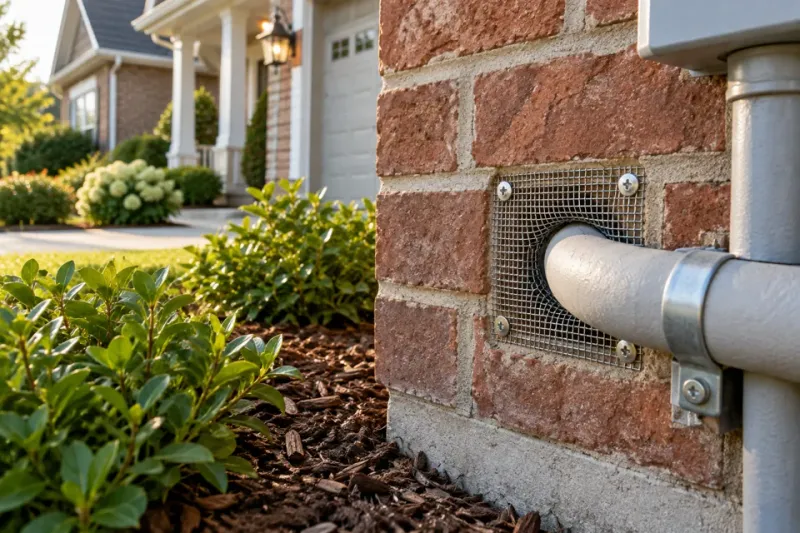
Then block access. UC IPM recommends sealing building openings larger than one-quarter inch with rodent-resistant materials.
Check around pipes, vents, garage doors, and the roofline. A plant cannot plug a hole, and a sealed gap works every day without any help.
Finally, expect to keep at it. UC IPM calls sanitation fundamental and says it must be ongoing.
A weekend cleanup helps, but a monthly walk-through keeps the yard from drifting back to old habits.
What to do when rats are already present
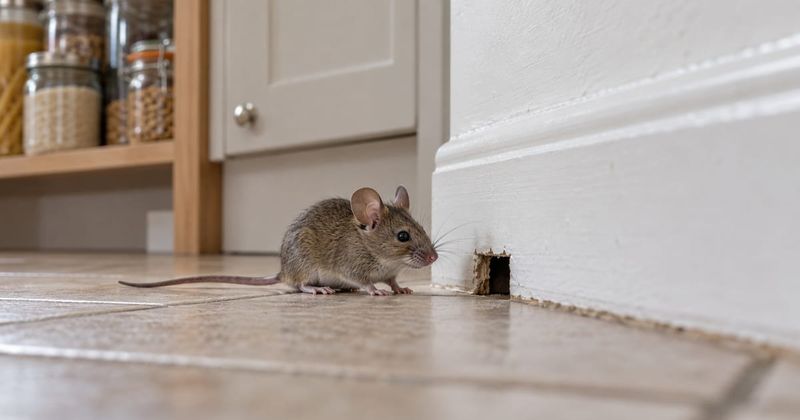
If you already see droppings, gnaw marks, or hear noises in the attic, planting will not fix it. Rosemary or any other herb will not clear out an infestation.
This is the point to move from prevention to active control.
UC IPM identifies trapping as a control option. It also advises placing traps out of reach of children and pets.
Think about where a curious dog or toddler can wander before you set anything down.
Keep up the sanitation and sealing work while you trap. Otherwise new rats may simply replace the ones you remove.
Rodenticide deserves extra caution. UC IPM warns that baits can harm pets and other non-target animals, and they must be used according to label directions.
It is not a casual shortcut. If the problem feels bigger than you can handle, a licensed pest professional can help.
Let rosemary be a garden choice
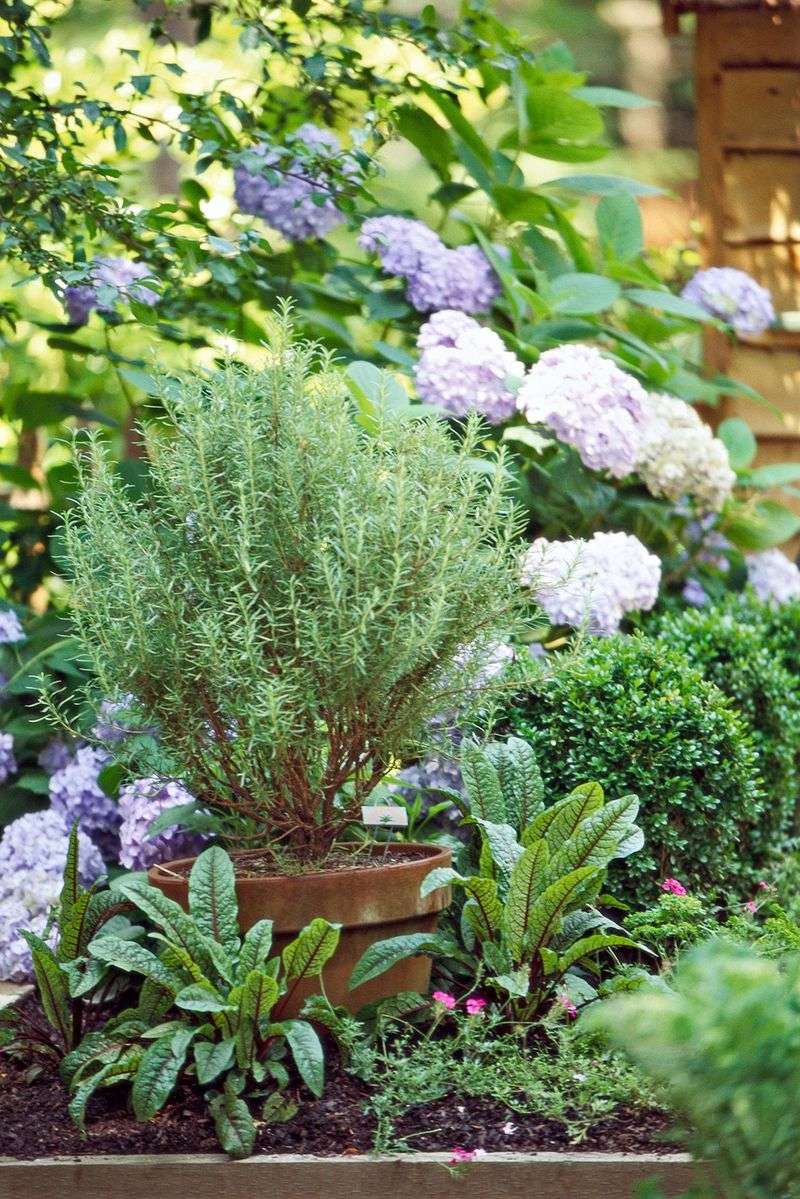
Plant rosemary if you like how it looks, want it for cooking, and can give it the sun and well-drained soil it needs. Just do not count on it to keep rats away.
The supported path, per UC IPM, is cutting off food and shelter and blocking entry points.
A good herb bed and a rat-resistant yard are two separate projects, and both can succeed.
Share this story