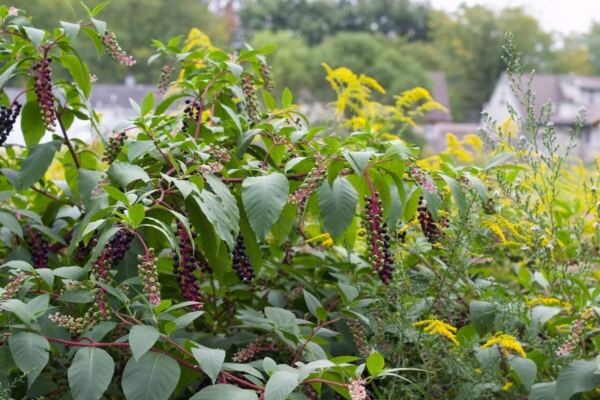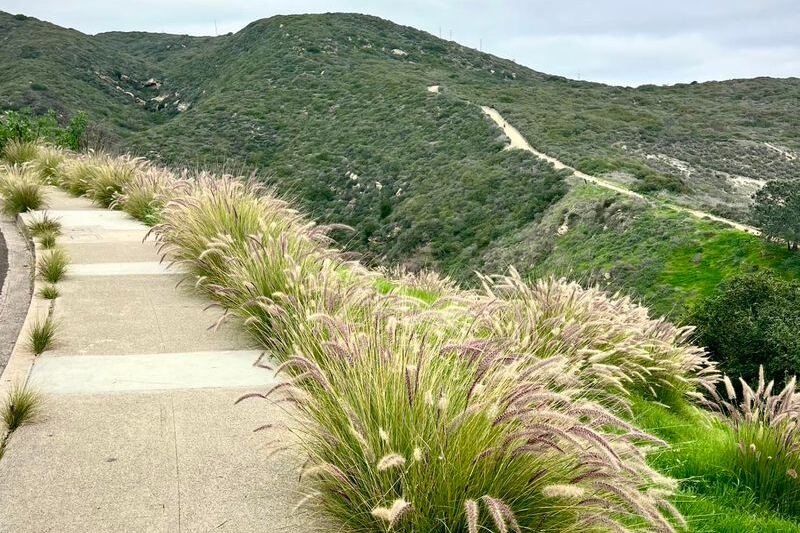
The shrub you want to know about is chamise, with red shank close behind, because these are the plants tied to red diamond rattlesnake habitat in one part of Southern California. No source names a single shrub that rattlesnakes everywhere in the state prefer, though, so the full picture is more useful than one plant name.
Rattlesnakes use many kinds of cover, and they sometimes lie right on the path itself. Knowing that can help you stay calm, watch your step, and enjoy the trail more safely.
Rattlesnakes use more than one kind of cover
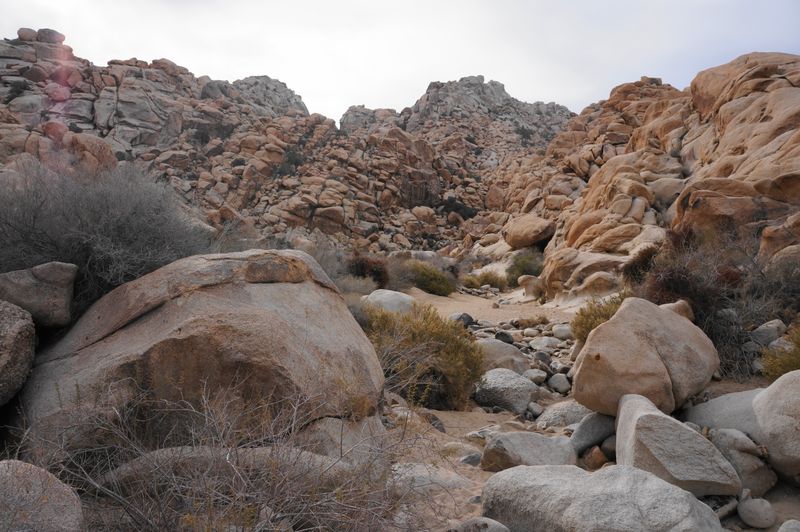
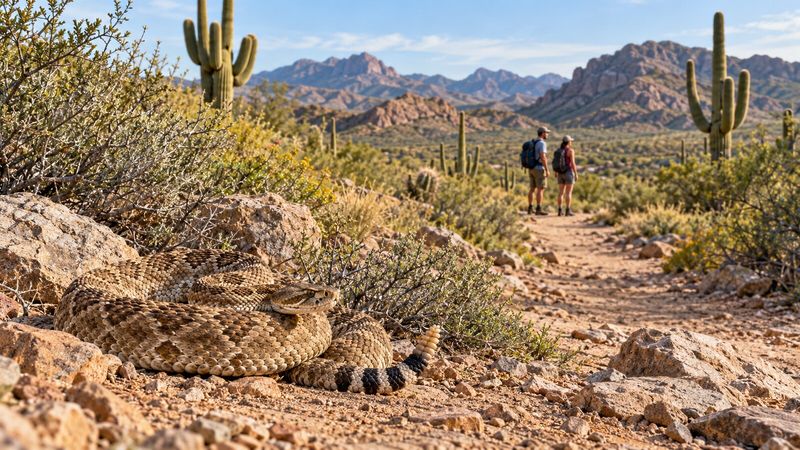
Ask where rattlesnakes hide, and the honest answer is: in lots of places. California Department of Fish and Wildlife describes rattlesnake habitat broadly, noting that snakes can turn up in brushy areas and under wood piles.
It also describes rocky, open areas where they can bask and hide.
The statewide pest management program at UC lists several kinds of possible cover too. UC IPM guidance names rock crevices, logs, heavy brush, and tall grass.
Notice what is missing from that list: one favorite plant. The sources describe types of cover, not a shrub that wins every time.
It helps to separate two ideas. A spot can offer shelter for a snake, and that is very different from a spot where you are likely to meet one.
The sources describe possible habitat and cover. They do not show that dense shrubs, or shrubs right beside a trail, have higher encounter rates.
So a thick bush is not a warning sign by itself, and a bare patch of ground is not a guarantee of safety. Snakes also differ by species and by region, so what holds in a coastal canyon may not match a desert slope.
Think of cover as a general clue about habitat. Let it nudge you to pay attention, not to panic.
What chamise and red shank can tell you
Here is where chamise and red shank enter the story. A Riverside County habitat account says chamise and red-shank vegetation may offer good refuge and food-resource structure for the red diamond rattlesnake.
In plain terms, that kind of chaparral can give this snake places to shelter and the setting where its prey lives.
That is a narrow finding. It is about one species, the red diamond rattlesnake, and one region, western Riverside County.
It is not a rule for every rattlesnake in California.
It also does not turn either shrub into a snake signal. Seeing chamise or red shank on a hillside does not mean a rattlesnake is nearby.
The account does not say that these plants attract snakes to trail edges or that walking past them carries extra risk.
A fair way to use this is as background knowledge. If you hike chaparral in Southern California, you are in the kind of habitat where red diamond rattlesnakes can live.
That is a reason to stay alert on the whole trail, not a reason to eye one plant with suspicion.
Rattlesnakes may also be on paths
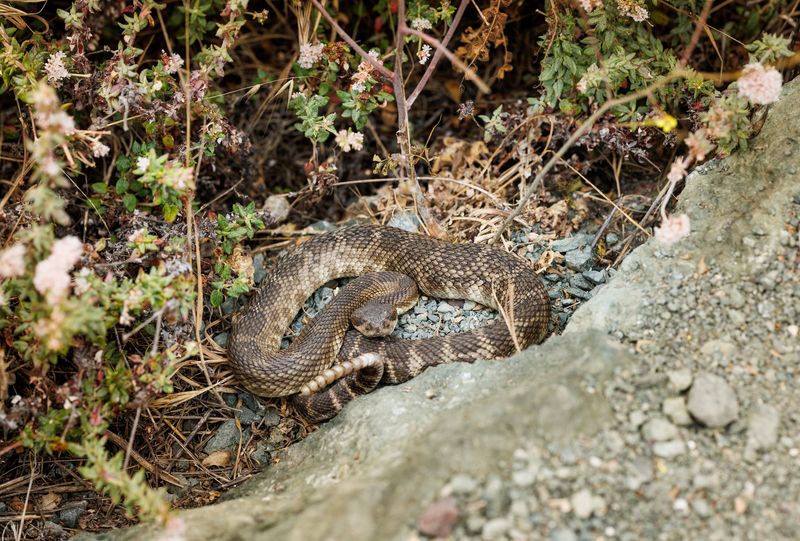
Picture a trail in your mind, and the snake is probably tucked in the bushes. Real life is looser than that.
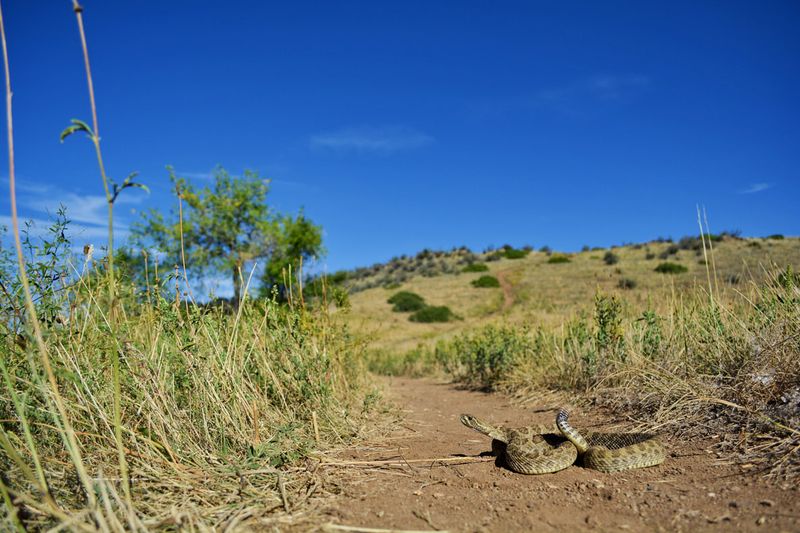
UC IPM notes that rattlesnakes can occur on roads and paths, not only in cover beside them.
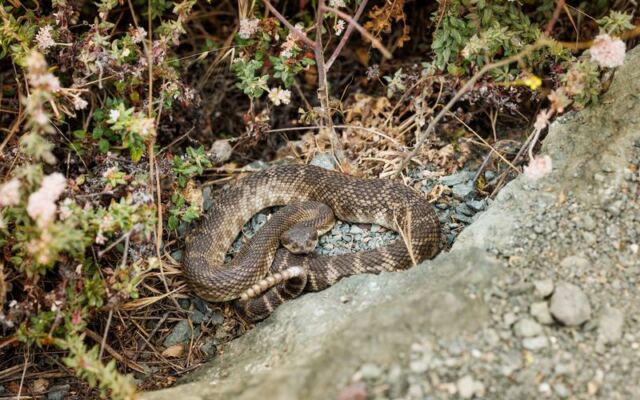
Camouflage makes this tricky. A snake with dusty, patterned skin can blend into dirt, gravel, and dry leaves, so it may be hard to spot even in the open.
That is why looking at the ground a few steps ahead is a smart habit.
Another point is easy to miss. CDFW cautions that a startled rattlesnake may not rattle before a defensive strike.
A quiet trail therefore does not prove a snake is absent, and silence should never be read as a safe sign.
None of this means every trail is dangerous. Most hikes pass without a single snake sighting.
The goal is steady attention, so a snake in an unexpected spot becomes something you notice early and walk around, not something you step on.
Simple habits can help you avoid close encounters
Good trail habits are mostly about awareness. CDFW and California State Parks both offer advice that fits into any hike, and none of it needs special gear.
Start by staying on established trails, where the ground is more open and easier to read. Watch where you place each foot, and slow down when the path narrows or the view ahead is blocked.
Avoid wading through tall grass and heavy underbrush when you can choose a clearer way.
Before you sit on a log, rest on a rock, or climb over a stump, look it over carefully from where you stand. Pick a spot you can see all the way around.
Do not poke at cover, reach into it, or push brush aside with your hands to check for a snake.
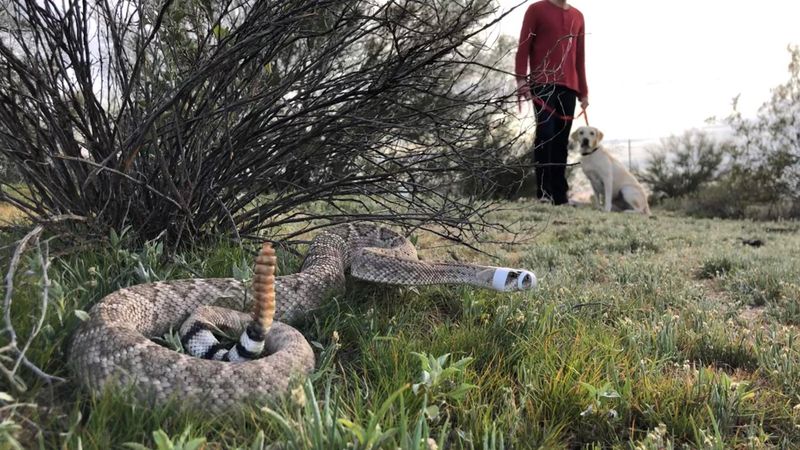
Keep dogs leashed, especially near brush, so they do not nose into hiding spots you cannot see. A leash also keeps your dog close if you need to turn around fast.
These small choices cost almost nothing and keep your attention where it belongs.
Give a rattlesnake room to move away
Say you spot a rattlesnake ahead. The best first move is to freeze, breathe, and stay calm.
Then back away slowly and let the animal do what it wants, which is usually to leave.
California State Parks recommends staying at least six feet away from a rattlesnake. More space is even better, and it gives the snake a clear route out of the area.
Pull any dog or child back with you.
Do not wait for a warning rattle before you make room. As noted earlier, a startled snake may strike without rattling, so distance is your protection, not sound.
Treat every snake you see as one that deserves a wide berth.
CDFW advises keeping your distance and not handling snakes. That also means no approaching for a photo, no trying to catch it, and no trying to kill it.
If the snake sits right in the middle of a narrow path, wait for it to move on or turn around and choose another route.
Get emergency care after a bite
A bite is rare, but it helps to know the plan ahead of time. If a rattlesnake bites you or someone with you, seek emergency medical attention immediately.
Both CDFW and Poison Control point readers toward urgent professional care.
Some well-known tricks can make things worse. Do not apply a tourniquet or ice.
Do not cut the wound, and do not try to suck out the venom.
Do not risk a second bite by trying to catch or kill the snake. It does not help medical staff and it puts another person in danger.
Move away from the snake and focus on getting help.
Keep the steps simple: get away from the snake, call for emergency help, and get to medical care. Anything beyond that is best left to the professionals who answer your call.
Pay attention to cover, not a single plant
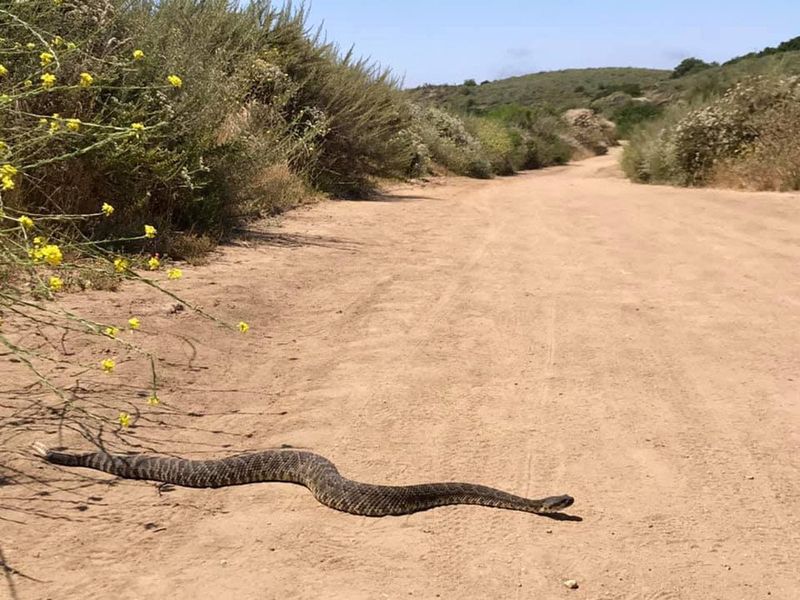
No single shrub is a dependable clue across California. Rattlesnakes may use varied cover, and they may also lie out in the open on a path.
Steady attention to the ground works better than watching one plant.
UC IPM suggests reducing hiding cover around homes and yards, which is advice for property owners, not a reason to clear native plants along trails. Keep your distance, stay on the path, and let the shrubs stand.
The best snake clue is the one you spot with your own eyes, a few steps early.
Share this story