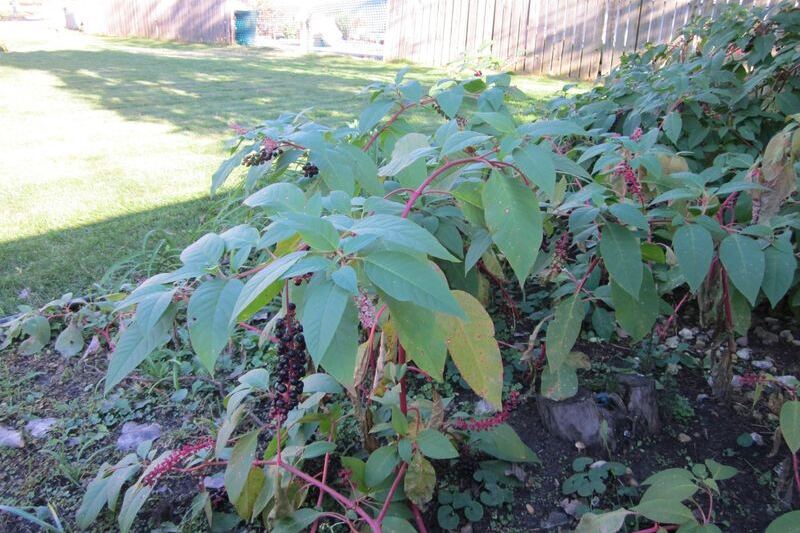
Foxes have noses so sharp they can sniff out a mouse hiding under a foot of snow. In Pennsylvania, both red and gray foxes live closer to people than most homeowners realize, and they often follow their noses straight into backyards.
Some of the smells pulling them in are things you might never suspect. Knowing what draws them can help you protect your pets, your chickens, and your peace of mind.
1. Overflowing Garbage Cans

Picture a summer night in Lancaster County, the air thick and warm, and a trash can lid sitting just slightly crooked. To a fox, that gap is basically a dinner invitation.
Rotting meat scraps, greasy paper plates, and old chicken bones send out a scent that can travel a surprisingly long way.
Foxes are opportunists, not picky eaters. They will happily tear into bags left by the curb or knock over lightweight bins that lack a locking lid.
Heat makes the problem worse, since warm garbage smells stronger.
A few easy fixes help a lot. Use cans with tight, latching lids, store them in a garage or shed until pickup day, and rinse out meat packaging before tossing it.
2. Pet Food Left Outdoors
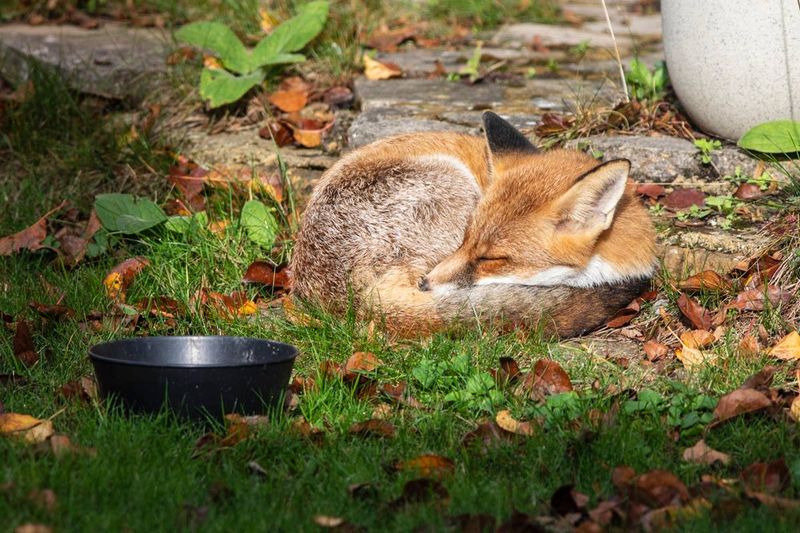
Ever notice your cat’s food bowl licked clean by morning, even though Whiskers stayed inside all night? You might have had a furry visitor.
Kibble and canned pet food give off a rich, meaty aroma that foxes find hard to resist.
Plenty of Pennsylvania families feed pets on porches or leave bowls out for outdoor cats. Unfortunately, that habit teaches foxes your yard is a reliable buffet.
Once they learn a spot pays off, they come back again and again.
Feed pets indoors when you can, or pick up bowls right after mealtime. Storing big bags of food in sealed bins also keeps the smell from drifting outside.
3. Backyard Chicken Coops

Old farm wisdom across Pennsylvania says if you keep chickens, you will eventually meet a fox. That saying exists for a reason.
The smell of birds, feathers, droppings, and spilled feed creates a powerful signal for hungry predators.
Foxes are clever hunters. They test fences, dig under weak spots, and wait patiently for a door left open at dusk.
Even a small backyard flock in a suburban area can catch their attention.
Strong hardware cloth, buried fencing, and a coop that locks every night make a huge difference. Cleaning bedding often also cuts down on the scent trail.
Fun fact: red foxes sometimes cache, or bury, extra food to eat later, so one raid can mean several missing birds.
4. Compost Piles
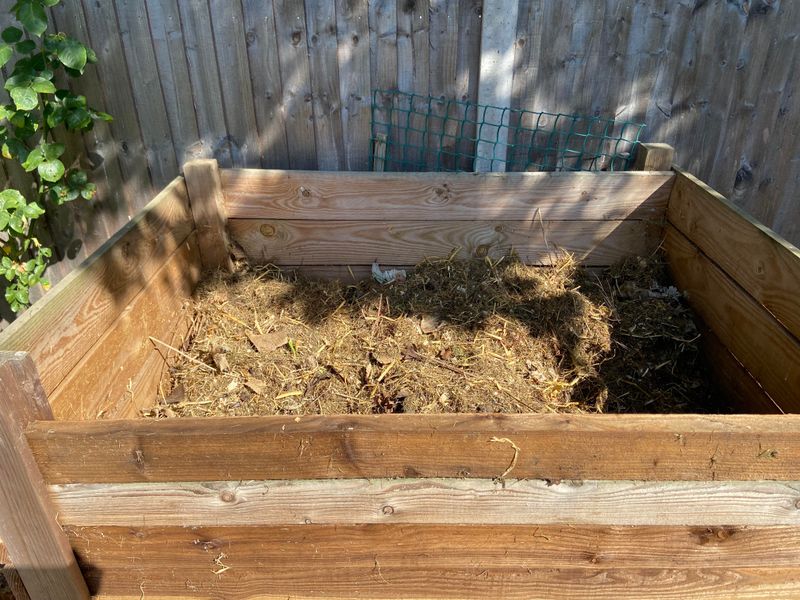
Gardeners love compost, and honestly, so do foxes. An open heap filled with melon rinds, corn cobs, and eggshells smells like a snack bar.
If anyone has tossed in meat or dairy, the pull gets even stronger.
Compost also attracts mice, voles, and insects. That means a fox might show up for the scraps and stay for the rodents hiding underneath.
It is a two-for-one deal from their point of view.
Switching to an enclosed bin with a lid helps contain the odor. Stick to plant-based scraps only, and turn the pile regularly so it breaks down faster and smells less.
5. Bird Seed Under Feeders
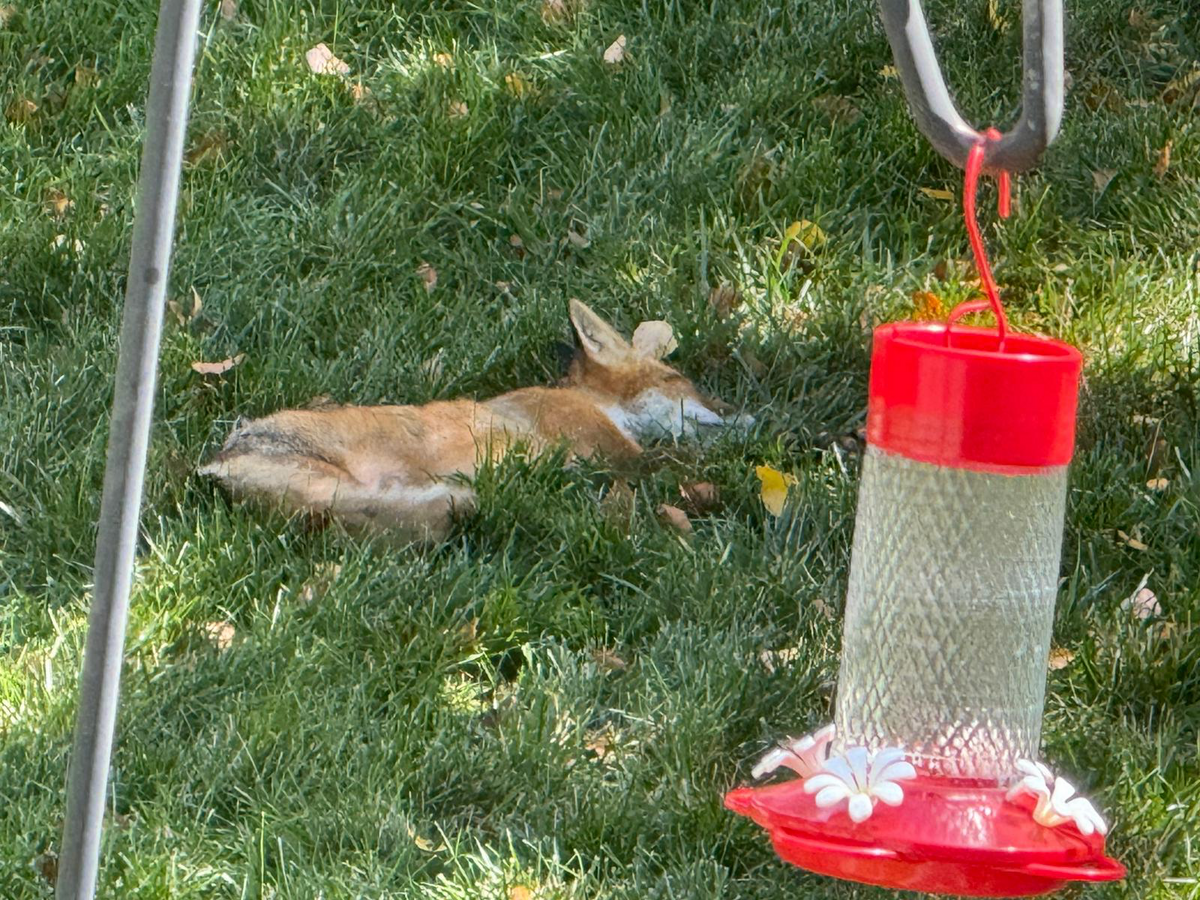
Here is a sneaky one. Foxes do not usually eat much bird seed, yet feeders still bring them around.
The real draw is everything else that shows up for the spilled seed.
Squirrels, chipmunks, mice, and ground birds gather under feeders, and their scent tells a fox that easy prey is nearby. During Pennsylvania winters, when food runs low, a busy feeder area can become a regular hunting ground.
Try seed trays that catch the mess, or rake up fallen seed every few days. Hulled seed also leaves less waste on the ground, which means fewer critters and fewer curious foxes.
6. Fallen Fruit From Trees
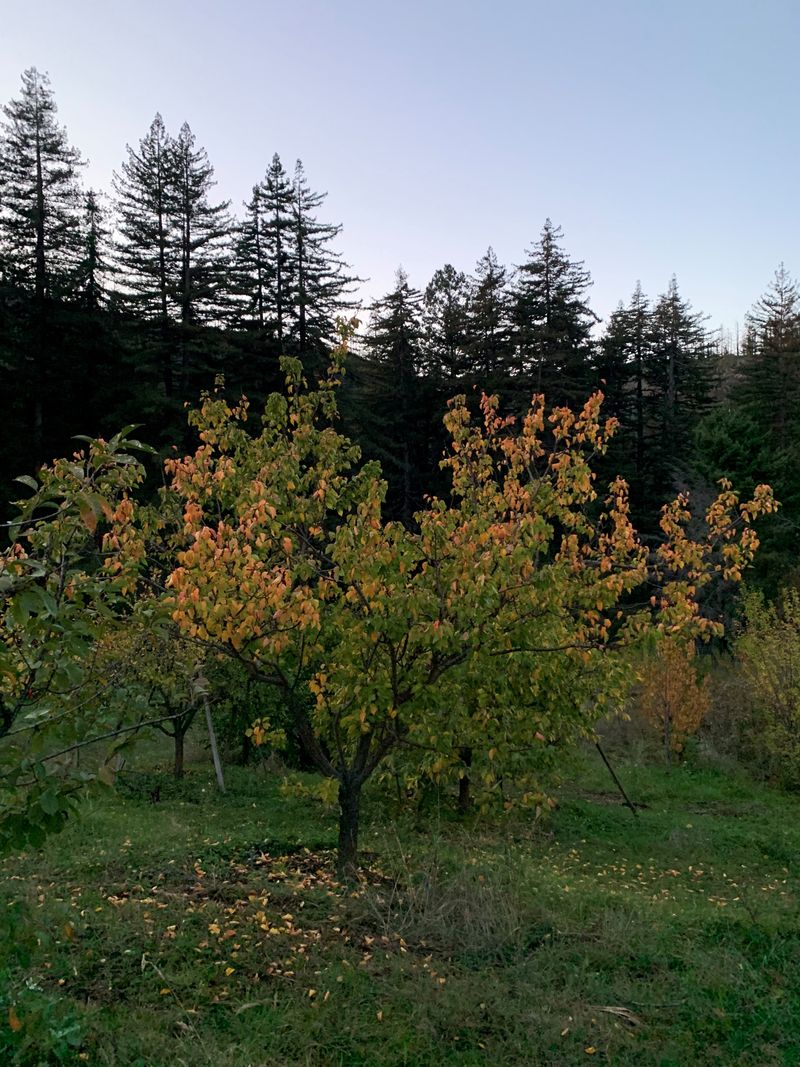
Many people picture foxes as pure meat eaters, but that is only half the story. They adore sweet, ripe fruit.
Apples, pears, berries, and even fallen persimmons are all fair game.
Pennsylvania backyards often have an apple tree or a patch of blackberries. When fruit drops in late summer and fall, it starts to ferment and gives off a sugary smell that foxes can track easily.
Gray foxes can even climb trees to reach fruit, which surprises plenty of people.
Picking up fallen fruit every day or two keeps your yard from turning into an orchard buffet. Netting berry bushes helps too.
7. Grease From Outdoor Grills

Burgers on the grill smell amazing to you, and the leftovers smell just as amazing to wildlife. Long after a cookout ends, the grease trap and drippings keep sending out a smoky, fatty aroma.
Foxes will lick grates, knock over drip pans, and sniff around patios searching for bits of meat that fell through. Grills that sit uncovered all summer can become a nightly stop.
Scrape the grates while they are still warm, empty the grease cup after each use, and cover the grill tightly. A quick cleanup tonight can save you a messy patio tomorrow morning.
With these small habits across your whole yard, foxes are far more likely to keep on walking past.
Share this story