
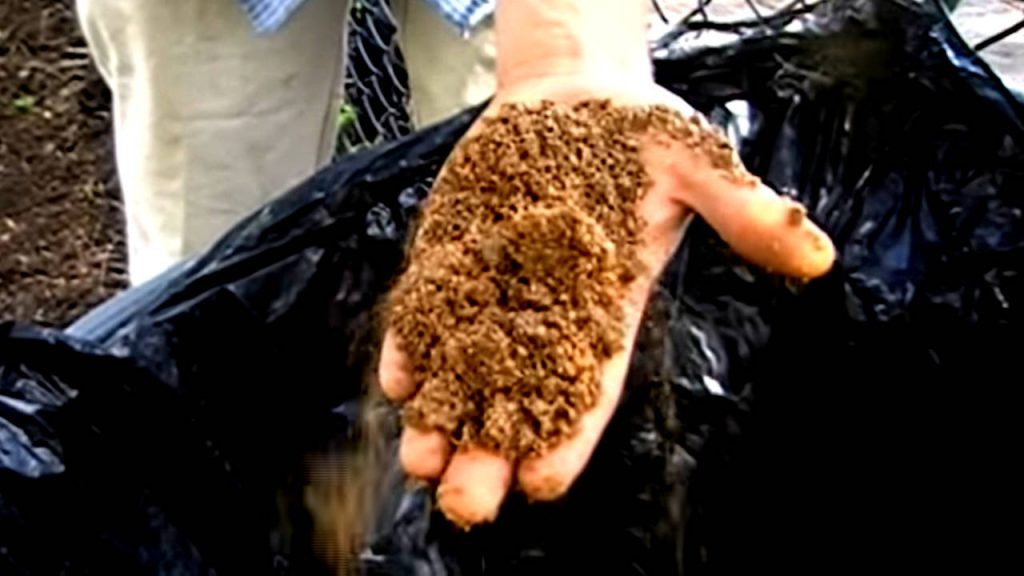
When you consider composting time is an important element that you sometimes need to factor in. Getting to the point at which your pile is finished compost can take a lot of it both in terms of the effort you need to employ and the composting pile’s gestation period.
There are several solutions to the problem and one of them is to use a compost activator to accelerate the composting process.
Compost activators can be both commercially bought or made as DIY activators at home. We will look at both solutions and depending on your own time one may be more beneficial to you than the other.
Download FREE Composing Guide
This FREE 29-page guide helps you turn kitchen scraps and garden waste into valuable compost. The comprehensive guide explains hot, cold and worm composting, as well as looks a no-turn (passive) composting methords with 14, clear technical diagrams, detailed instructions and practical solutions for common composting problems.
Why does composting gestation take so long?
Finished compost is produced by the breaking down of the green and brown organic materials that you put into your composting pile. The breakdown of these materials is caused by microbes and bacteria that are present in the organic materials.
The microbes begin to thrive because of the chemical reaction that takes place when the carbon-rich brown material combines with nitrogen-rich green material.
The speed of the decomposition, among other factors, is directly related to the carbon to nitrogen (C/N) ratio of the composting pile. Having a carbon-heavy ratio slows down the decomposition process drastically. By adding a compost accelerator you can influence this carbon to nitrogen ratio and speed up the process.
Of course, having the correct C/N at the start goes a long way to the compost pile decomposing efficiently but you may not have the right balance of materials to hand to be able to have the correct carbon-to-nitrogen ratio for your composting method.
More information on C/N ratios can be found here together with a chart giving you the carbon to nitrogen levels of common compostable items.
What is a Compost Starter
A compost starter or activator is a material or substance that you add to your composting pile that will kick start and accelerate the decomposition process.
Ensuring a favorable environment for microbial activity to thrive is the primary goal of the compost starter and it does this by increasing the level of nitrogen in the compost pile. Generally speaking with the traditional cold composting process this ratio would be between 30:1 and 35:1 (C/N) although even if the carbon present was even higher the material would still break down.
Using the cold composting process you get finished compost anywhere between 3 months and a year. Adding a compost activator can accelerate the process. By increasing the level of nitrogen the compost pile will heat up more quickly and the microbes will thrive.
Six weeks to two months, even shorter if you turn your pile (which adds oxygen) on a regular basis and keep the pile moist (the consistency of a wrung-out sponge).
Commercial Compost Activators
There are many compost activators that are commercially available on the market. They all will serve their purpose. Some will add additional nutrients into their mix although these are unnecessary as good finished compost will have all the nutrients that you need to help your plants and lawn thrive.
Commercial accelerators contain various bacteria and fungi that will expedite bacterial growth in which are crucial in the composting process. It is the bacterial activity that keeps the compost pile heated to the levels needed, which speeds up the decomposition process.
Commercial compost activators can come as dry material, material that you mix up with water and as concentrated liquids.
Bokashi Bran
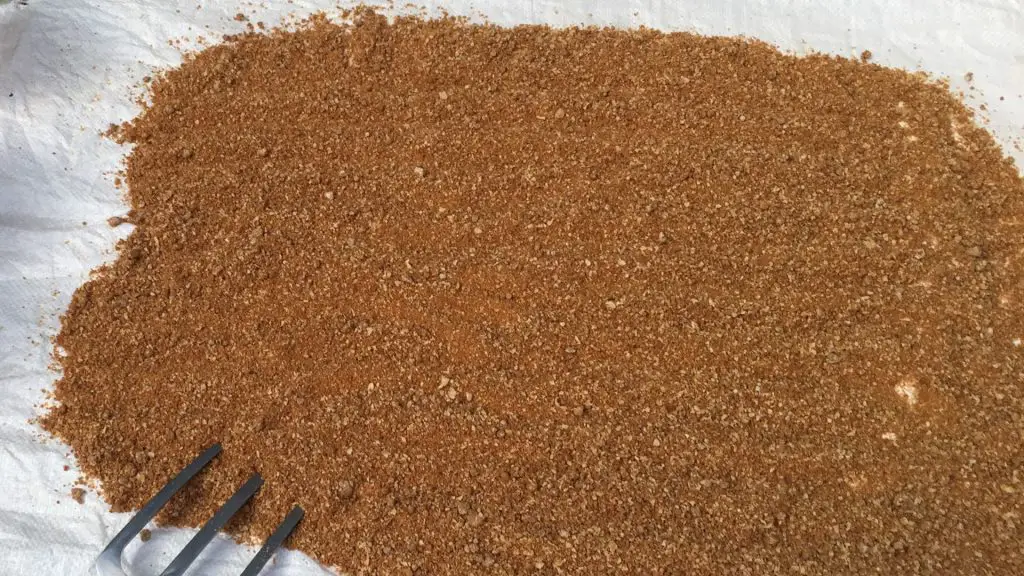
One of the most popular activators is bokashi bran. Bokashi is a Japanese term and refers to ‘well-fermented organic matter’. Often used in conjunction with bucket and bin composting and is bran and molasses combined to make a dry, organic powder. Bokashi bran includes the bacteria, fungus, and yeasts needed to get the composting process started and go along quickly.
To make handmade pre-compost and healthy fertilizer out of your food scraps, utilize Bokashi bran, which is home to billions of specifically chosen bacteria. dry material that is made from
Cost of Commercial Accelerators
Commercial accelerators can cost on average between $13-$30 per1kg (2.2lb). Obviously, there are some much more expensive brands but in general, that is the price you will pay.
For products labeled bokashi you will tend to pay a little bit more, probably starting at around $30 per 1kg (2.2lb).
What to look out for before buying a compost accelerator
The number of active microbes in the product
Compost activators may be judged on the number of active chemicals they contain. In addition to boosting decomposition, the optimum amount of components will also aid in cellular multiplication and breakdown.
Whether it is made from organic ingredients
If environmental concerns are important you should find an organic accelerator that includes as many organic elements as possible. One of the reasons for the popularity of bokashi bran is that it is entirely organic in makeup. Activators containing too many synthetic components and chemicals should not be used in composting.
Amount of nitrogen
Nitrogen-rich compounds and other components like magnesium and calcium are present in the most effective activators. The bacteria in your compost will develop far more quickly if these ingredients, which will hasten the breakdown process, are present.
Home Made DIY Compost Activators
If you don’t want to have to pay for commercial activators then there are a number of materials that you can add that you are likely to find at home that will perform a similar job to the commercial accelerators.
Adding Finished Compost
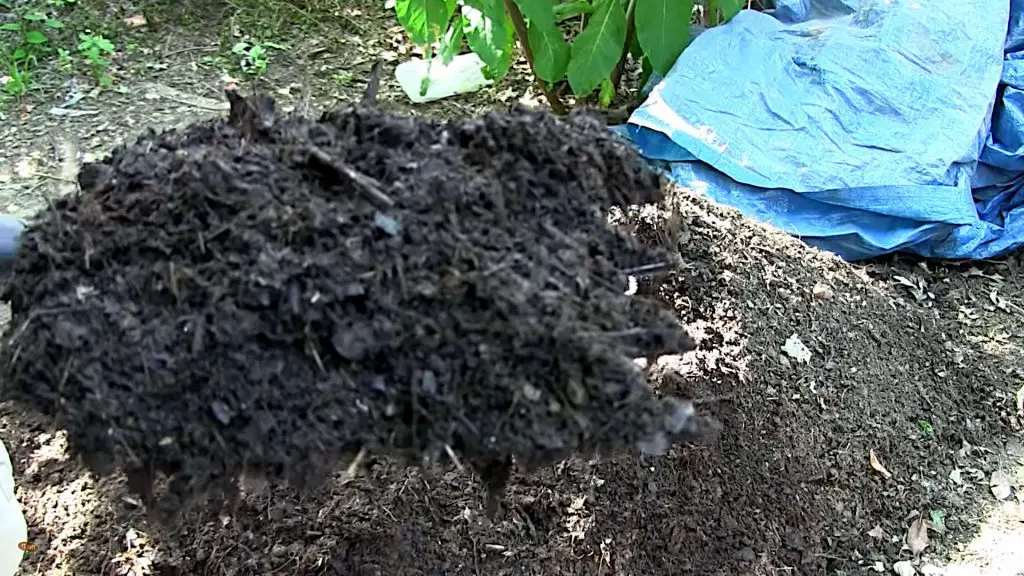
You can add some already finished compost to your new composting pile to help kick-start the decomposition process. Finished compost is nitrogen-rich which will help with the C/N ratio speeding up the stages of composting decomposition.
Homemade starter
You can of course brew up your own homemade compost starter with just a few simple active ingredients, beer, ammonia, and bicarbonate of soda. Mix the ingredients together and then add a small amount to your composting pile.
The beer contains yeast, the ammonia contains nitrogen and the bicarbonate of soda helps speed up the activation.
Urine
Yes, you read that correctly. Urine makes a fantastic compost accelerator. Urine contains nitrogen-rich nutrients like ammonia and phosphorus, as well as a variety of other chemical-rich nutrients, which are found in the breakdown products that will help your plants thrive.
How to Speed Up Composting Without Using a Compost Starter
Preparation of the compost pile is crucial to the speed of decomposition. As such if you take time with the way you mix and construct your pile you can drastically reduce the decomposition time.
If you are able to tend to your compost pile for 20 minutes every two or three days you should consider employing the hot composting method. This involves:
- Firstly involves balancing the carbon and nitrogen sources in the right ratio (around 25:1);
- Secondly, shredding the brown and green material into small pieces, helps allow more surface area for the microbes to attack;
- Thirdly mix the shredded material rather than layering brown/green as in cold composting;
- Finally turning the pile, which aerates it (adding oxygen), every two or three days.
Doing this can produce finished compost in under three weeks but certainly in four to five weeks. If you haven’t the time to turn the compost every few days just following the first three steps and turning once a week will still speed up the breakdown process.
Final Thoughts
Composting is a wonderful way to reprocess organic material, kitchen scraps, and various other items in an environmentally sound way as well as produce nutrient-rich compost that will help your plants and lawn thrive. The drawback to the process is that it can take a considerable amount of time for your composting material to decompose and that is where compost activators play their part.
Composter starters and accelerators aren’t essential, but they do make sense if you generate a large volume of biodegradable trash that you want to turn into finished compost quickly.
Both commercial and DIY accelerators will work well, which you choose will come down to your time, budget, and personal choice.
Commonly asked questions
What is the realistically quickest time to get finished compost?
You can produce finished compost using the hot composting process in as little as 3 weeks if you get your carbon-to-nitrogen ratios right (about 25:1 C/N) and turn your pile every few days.
Share this story