When snow covers your Pennsylvania lawn, it might look like nothing is alive out there. But just a few feet under the frozen ground, a whole crowd of animals is tucked away, waiting for spring.
Knowing who lives beneath your feet can help you protect them and make smarter choices about your garden. Grab a warm drink, because your backyard has more secrets than you think.
1. Groundhog
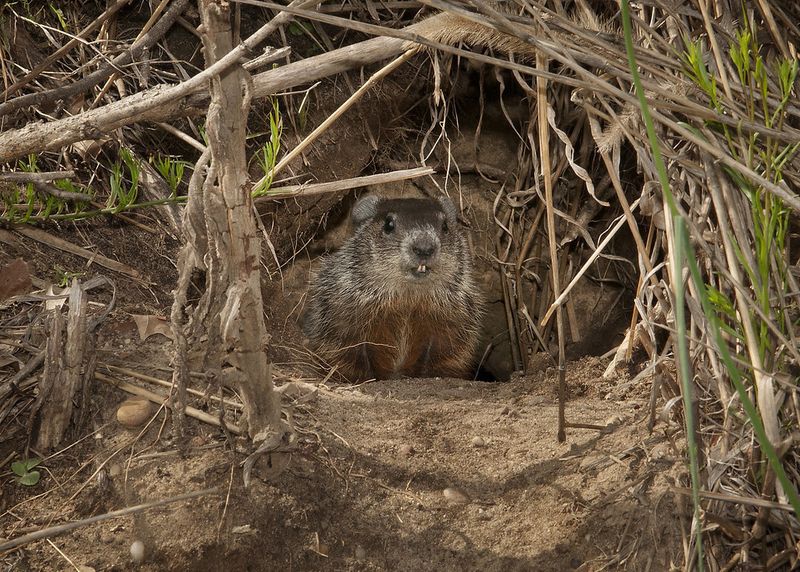
Punxsutawney Phil gets all the fame, but the groundhog hibernating under your shed is doing the exact same thing, minus the cameras. Groundhogs are true hibernators, which means they shut their bodies down in a big way.
Their heart rate drops from about 80 beats a minute to as few as 5.
Burrows can stretch more than 40 feet and include a special winter room dug below the frost line. Inside, the groundhog rolls into a tight ball and barely breathes.
Body temperature can fall to around 40 degrees Fahrenheit.
Here is a fun twist on Groundhog Day. Many males actually wake up in February, not to check shadows, but to visit nearby females before the real breeding season starts.
Then they head back to bed for a few more weeks.
2. Eastern Chipmunk
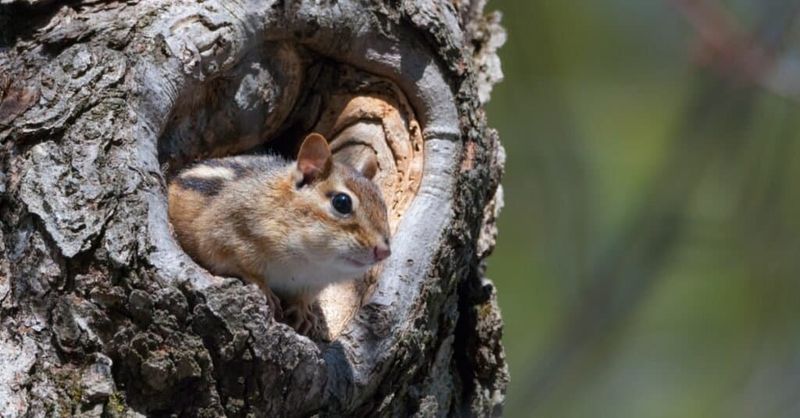
Picture a tiny bedroom with a snack pantry built right under the mattress. That is basically how an eastern chipmunk spends a Pennsylvania winter.
Unlike groundhogs, chipmunks do not fatten up before cold weather. Instead, they spend fall stuffing their cheek pouches with acorns, hickory nuts, and seeds, then carry it all to a chamber that can sit three feet deep.
They enter torpor, a light sleep, and wake every few days to nibble from their stash.
One chipmunk can store thousands of seeds in a single season. On a warm January afternoon, you might even spot one zipping across your patio before ducking back underground.
So if you notice small round holes with no dirt piles near your foundation, a striped neighbor is probably snoozing nearby.
3. Eastern Box Turtle
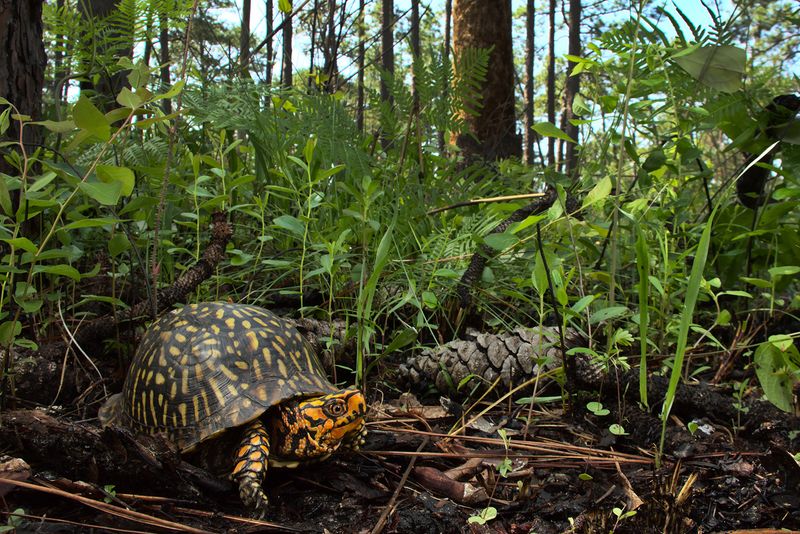
Slow and steady wins the winter, at least for the eastern box turtle. As October cools down, these colorful reptiles dig into loose soil or leaf piles, sometimes only a few inches deep.
Box turtles do something called brumation, the reptile version of hibernation. Their bodies slow so much that they can handle partial freezing for short periods.
Amazingly, some return to the very same winter spot year after year.
Since they live so close to the surface, raking every leaf out of your yard in fall can leave them exposed. Try leaving a cozy leaf pile in a quiet corner.
A box turtle can live over 100 years, so the one in your garden might be older than your house.
4. Wood Frog
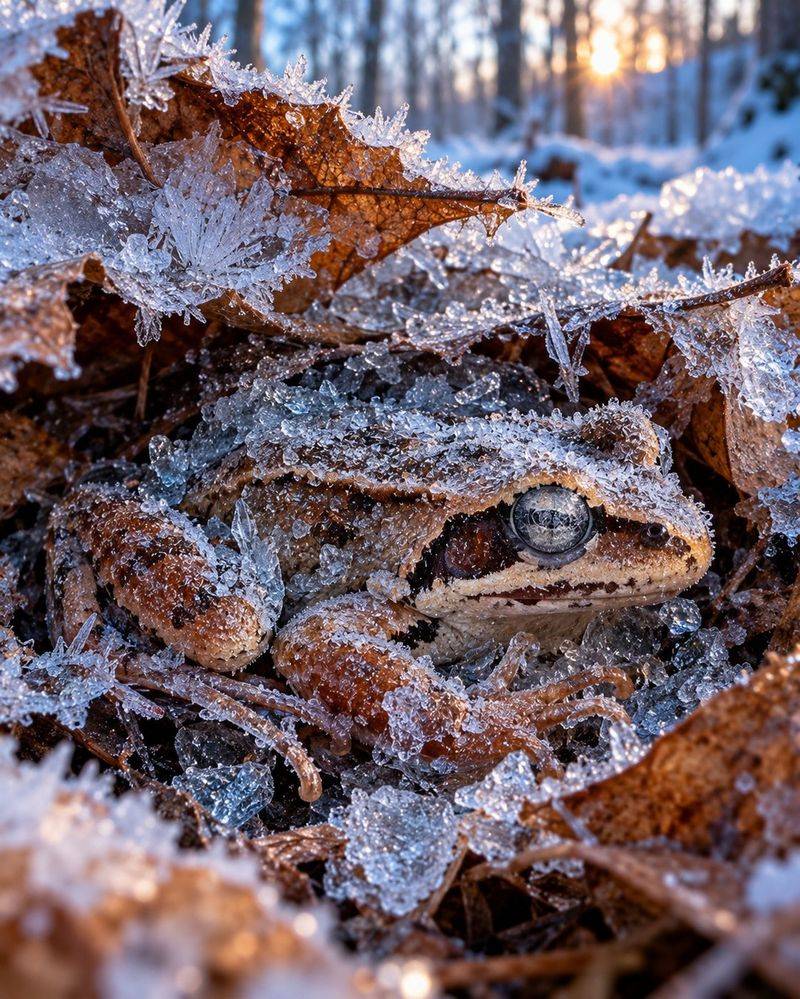
Frozen solid and totally fine? Meet the wood frog, Pennsylvania’s real-life popsicle.
Wood frogs tuck themselves just under dead leaves rather than digging deep. When temperatures plunge, up to two-thirds of the water in their bodies turns to ice.
Their hearts stop, and they stop breathing completely.
So how do they survive? Their livers pump out sugar that works like antifreeze inside their cells, keeping the important parts safe.
When spring warms things up, the frog thaws, its heart starts beating again, and it hops off to the nearest pond.
Listen in early March for a sound like quacking ducks coming from wet areas. That chorus is wood frogs celebrating their wake-up.
5. Eastern Garter Snake
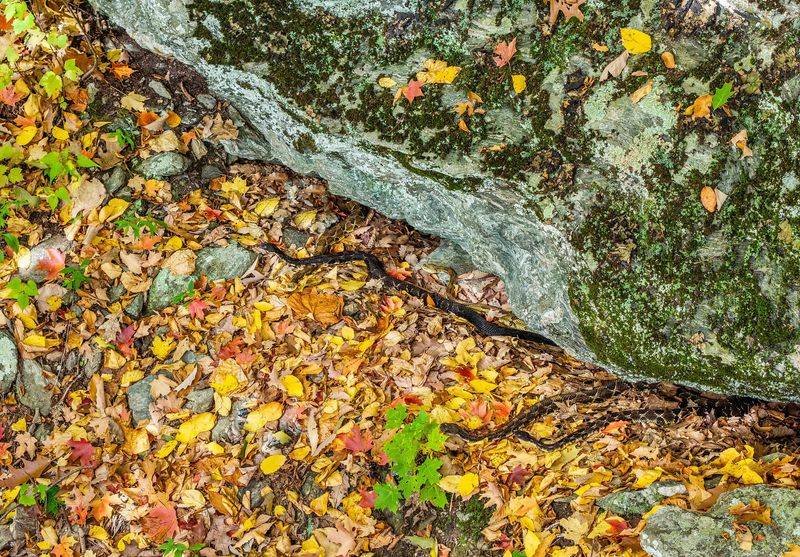
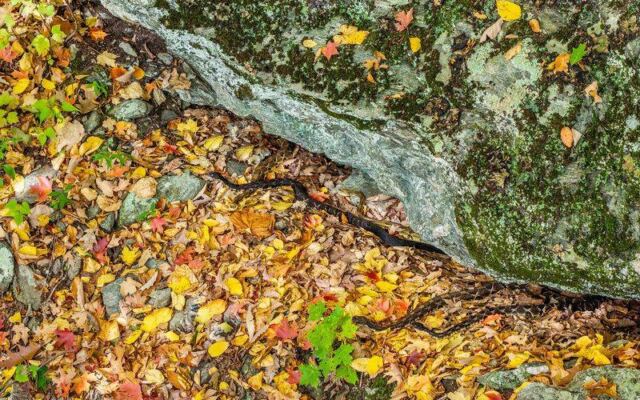
Some folks get the shivers hearing this, but that old stone wall in your yard could be a snake slumber party. Eastern garter snakes often gather in groups called hibernacula, where dozens or even hundreds pile together for winter.
Sharing space helps them stay a bit warmer and makes finding mates easier in spring. Common spots include rock crevices, old animal burrows, and gaps beneath foundations or porches.
Take a breath, though. Garter snakes are harmless to people and are fantastic at eating slugs, insects, and garden pests.
Having them around is like getting free pest control. When they emerge in April, you might see several basking on warm rocks at once.
6. Bumblebee Queen
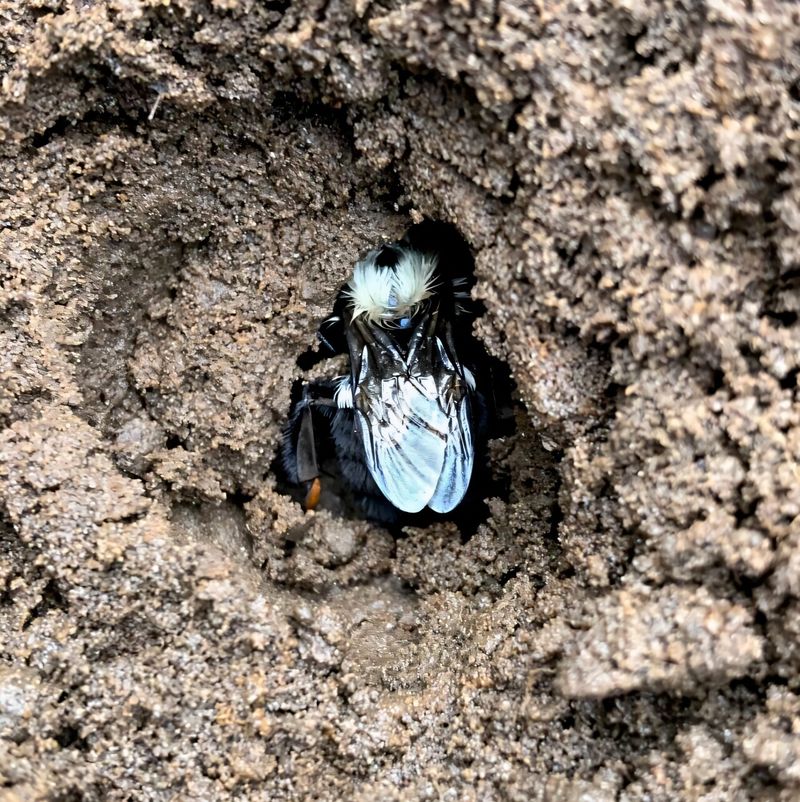
Every summer bumblebee colony in your neighborhood dies off in fall, except for one very important insect. The new queen survives, and she spends winter alone in a tiny hole in the dirt.
After mating in late summer, she fills up on nectar and digs a small chamber a few inches down, often on a north-facing slope that stays cool. Staying cold actually keeps her from waking up too early during a warm spell.
Come spring, she starts a brand new colony entirely by herself. That means each sleeping queen holds the future of next year’s pollinators.
Skip tilling garden beds in early spring and leave some bare soil, and you are giving these royal sleepers a fighting chance.
7. Meadow Jumping Mouse
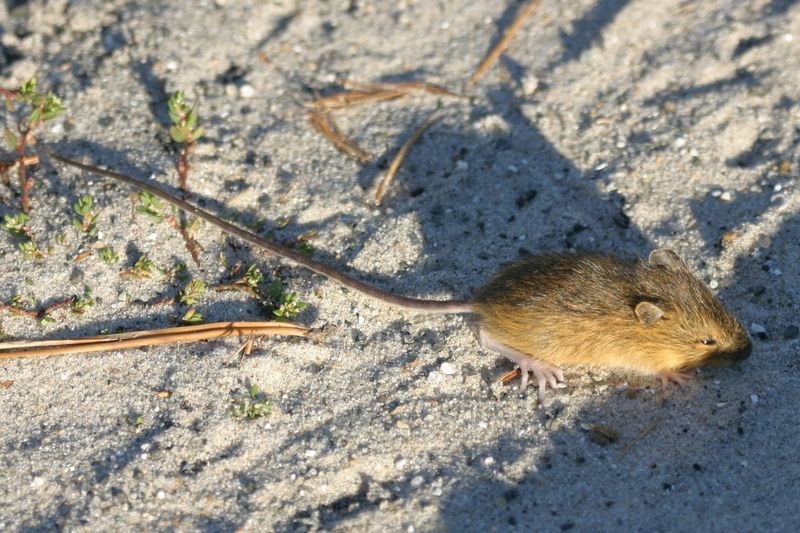
With a tail longer than its body and legs built like a tiny kangaroo, the meadow jumping mouse is a showstopper in summer. It can leap several feet in a single bound.
Yet few people ever see one, partly because it vanishes for half the year.
Out of every mouse in Pennsylvania, this one is the deep sleeper. It hibernates for six months or more, usually from October until April or May.
Before bed, it packs on fat quickly, sometimes gaining several grams in just a couple of weeks.
Its winter nest sits in a burrow lined with soft grass, often below brushy edges or tall unmowed areas. Keeping a patch of wild grass in your yard could give this bouncy little sleeper a perfect home.
Share this story