Get the latest garden guides in your inbox →
Gardening Latest
  • General Gardening
  • Lawn Care
  • Plant Care
  • Composting
  • Soil Health
  • Backyard
  • Garden Muse Magazine
  • General Gardening
  • Lawn Care
  • Plant Care
  • Composting
  • Soil Health
  • Backyard
  • Garden Muse Magazine
  • News
  • Gardening Calendar
  • Garden Structures
  • Vegetable Garden
  • Vertical Garden
  • Raised Beds
  • Hydroponics
  • General Equipment
  • Community Gardens
Garden Themes
  • Spiritual Garden
  • Hydroseeding
  • Seeding and Laying Sod
  • Artificial Grass
  • Lawn Care Equipment
  • Plants
  • Trees
  • Planting Tools
  • Composting Basics
  • Fertilizer
  • Alternative Growing Mediums
  • Front Yard
  • Backyard Activities
  • Landscaping
Gardening Latest

Explore by state

Which state is your garden in?

Currently viewing Virginia

All states

Northeast

  • Connecticut —
  • Delaware 26
  • Maine —
  • Maryland 13
  • Massachusetts 29
  • New Hampshire —
  • New Jersey 13
  • New York 22
  • Pennsylvania 22
  • Rhode Island —
  • Vermont —

Southeast

  • Alabama 12
  • Arkansas —
  • Florida 12
  • Georgia 13
  • Kentucky 26
  • Louisiana 11
  • Mississippi —
  • North Carolina 11
  • South Carolina 25
  • Tennessee 9
  • Virginia 12
  • West Virginia —

Midwest

  • Illinois 11
  • Indiana 14
  • Iowa 26
  • Kansas —
  • Michigan 13
  • Minnesota 11
  • Missouri 11
  • Nebraska —
  • North Dakota —
  • Ohio 13
  • South Dakota —
  • Wisconsin 27

Southwest

  • Arizona 12
  • Colorado —
  • Nevada —
  • New Mexico —
  • Oklahoma —
  • Texas 11
  • Utah —

West

  • Alaska —
  • California 12
  • Hawaii —
  • Idaho —
  • Montana —
  • Oregon —
  • Washington —
  • Wyoming —

No state matches that search.

Site menu

Gardening Latest
  • General Gardening
    • News
    • Gardening Calendar
    • Garden Structures
    • Vegetable Garden
    • Vertical Garden
    • Raised Beds
    • Hydroponics
    • General Equipment
    • Community Gardens
    Garden Themes
    • Spiritual Garden
  • Lawn Care
    • Hydroseeding
    • Seeding and Laying Sod
    • Artificial Grass
    • Lawn Care Equipment
  • Plant Care
    • Plants
    • Trees
    • Planting Tools
  • Composting
    • Composting Basics
  • Soil Health
    • Fertilizer
    • Alternative Growing Mediums
  • Backyard
    • Front Yard
    • Backyard Activities
    • Landscaping
  • Garden Muse Magazine

Explore

  • About GardeningLatest.com
  • Contact Us

Get the latest from the garden

New guides on lawn care, plants and backyard projects, sent when they go up.

Subscribe →

Follow

  • Facebook
  • X
  • Pinterest
  • YouTube
Virginia Gardening

9 Protected Animals Virginia Homeowners Aren’t Allowed To Remove On Their Own

Finding a wild animal living under your porch or in your attic can feel like an emergency.

CW

By Caroline Whitfield

November 24, 2026 · 5 min read

9 Protected Animals Virginia Homeowners Aren’t Allowed To Remove On Their Own
9 Protected Animals Virginia Homeowners Aren't Allowed To Remove On Their Own

Finding a wild animal living under your porch or in your attic can feel like an emergency. But in Virginia, some of those uninvited guests are protected by state or federal law, and grabbing a trap or shovel could land you a hefty fine.

Knowing which animals fall into this group helps you stay legal and keeps local wildlife safe. Here are nine creatures you should leave to the licensed pros.

At a glance

Where
Virginia Gardening
Hardiness zone
7 0 to 10°F
Read
5 minutes
Published
November 24, 2026

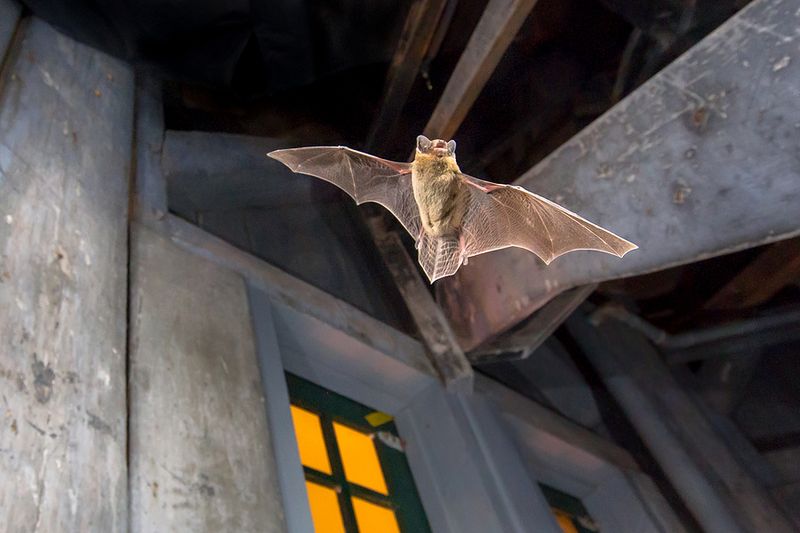
1. Little Brown Bat

Little Brown Bat
© Virginia Bat Pros

Picture a summer evening on your deck when a tiny shadow zips past, snatching mosquitoes out of the air. That little hunter might be a little brown bat, and it can eat hundreds of bugs in a single hour.

Populations of this bat crashed after white-nose syndrome swept through Virginia caves, so the state lists it as endangered. Killing, trapping, or sealing bats inside your home is against the law.

Virginia also bans bat exclusions during the pup season, roughly May 15 through July 31, because babies cannot fly yet. A licensed wildlife operator can install one-way exits at the right time so the colony leaves safely.

2. Bald Eagle
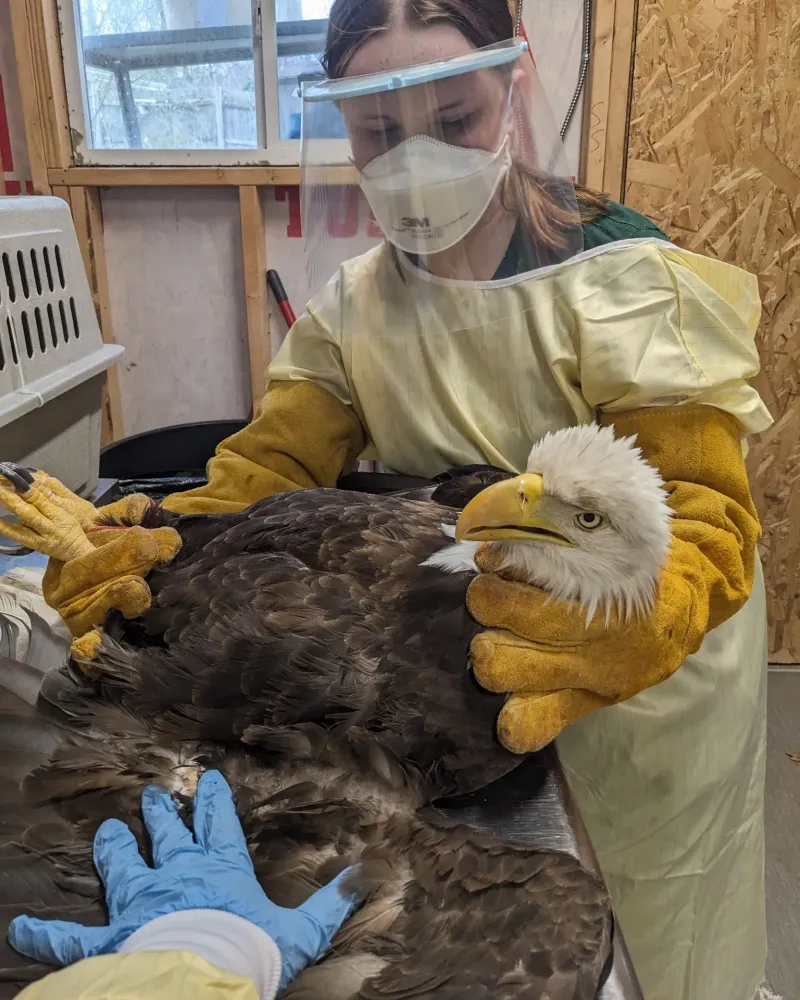
Bald Eagle
© WSLS 10

Few homeowners expect a national symbol to move in next door. Yet along the Chesapeake Bay and the James River, bald eagles now build giant nests in backyard trees.

Federal law, including the Bald and Golden Eagle Protection Act, makes it illegal to disturb, harm, or remove an eagle, its eggs, or even an empty nest. Cutting down a nest tree without a permit can bring serious penalties.

Got an eagle family on your property? Count yourself lucky, and contact the U.S.

Fish and Wildlife Service before any tree work or construction nearby.

3. Eastern Box Turtle
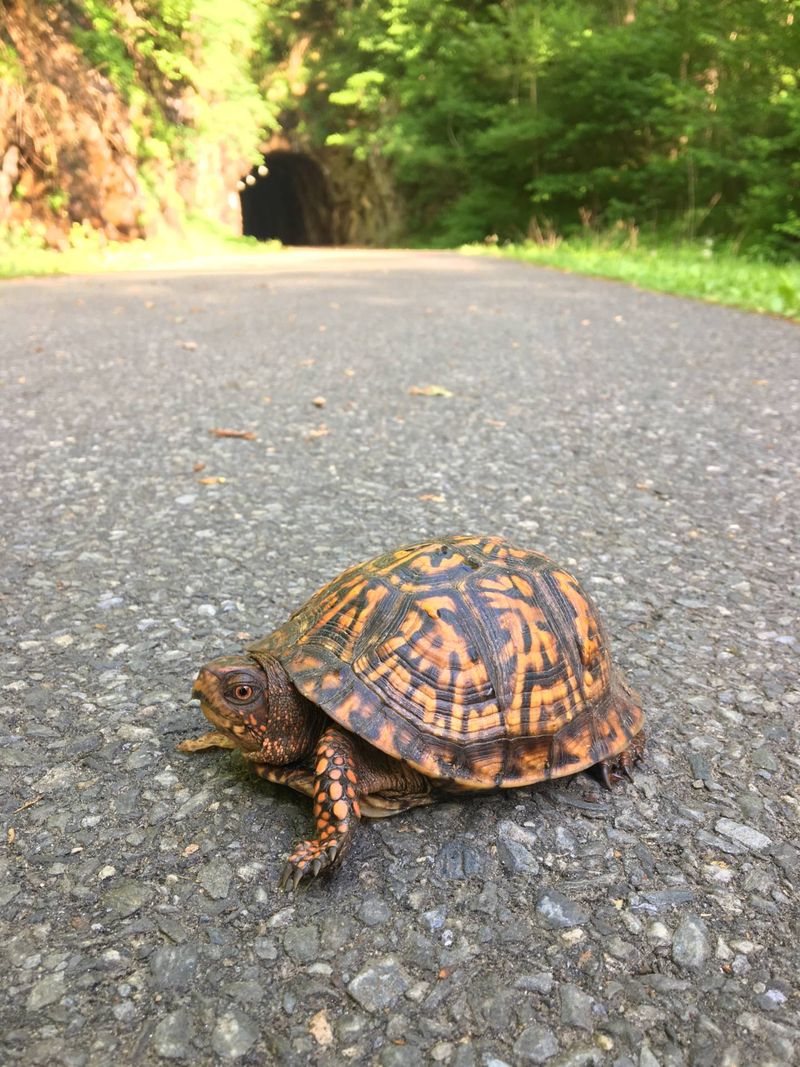
Eastern Box Turtle
© Lynchburg Parks & Recreation

Slow and steady really is the motto here. An eastern box turtle can live over 50 years, often spending its whole life within a few acres.

Because of that tiny home range, moving one even a mile away can leave it lost and struggling. Virginia rules limit collecting and keeping native box turtles, and selling them is not allowed.

The northern long-eared bat uses them to hear insects crawling on leaves in total darkness.

If one wanders through your garden, simply let it pass. Helping it across a road is fine, as long as you carry it in the direction it was already heading.

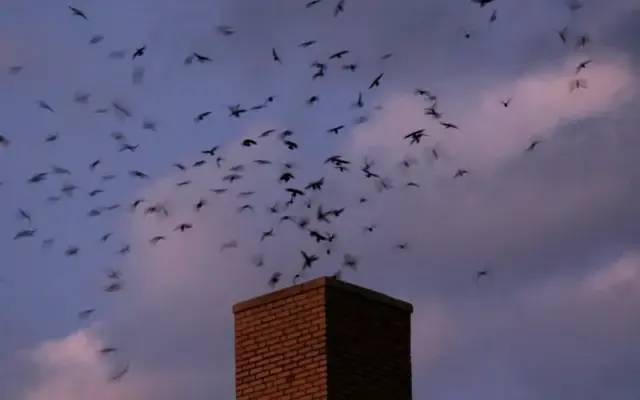
4. Chimney Swift
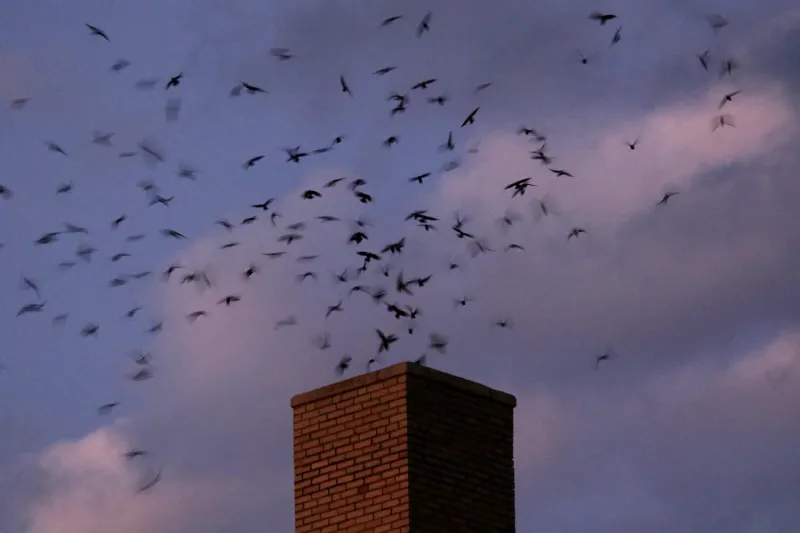
Chimney Swift
© Northern Virginia Bird Alliance

Hear a chattering, twittering racket coming from your fireplace? Chances are a family of chimney swifts has glued a tiny nest of twigs and spit to the inside of your flue.

These birds are protected under the Migratory Bird Treaty Act. Removing active nests or harming the birds is illegal, even when they are inside your house.

The good news is they only stay for the warm months and head to South America by fall. After they leave, schedule a chimney cleaning and add a cap if you want to avoid next year’s guests.

5. Barn Owl
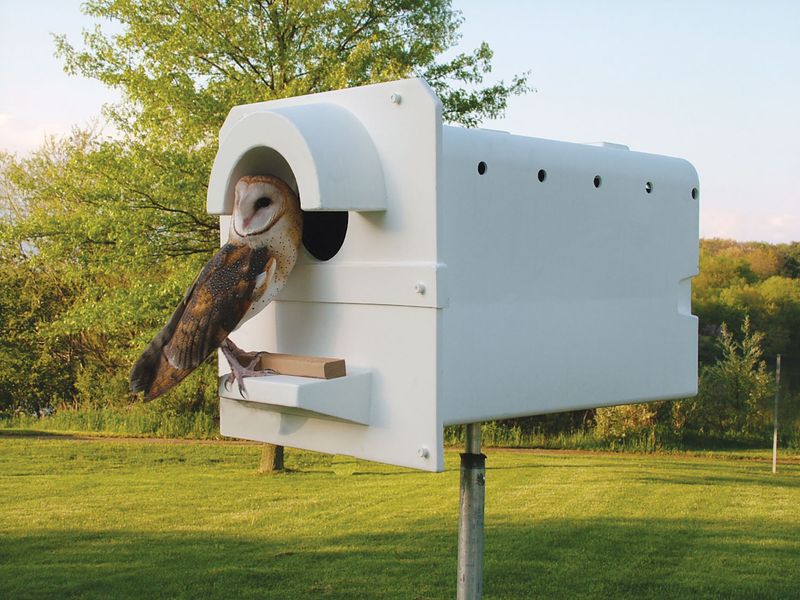
Barn Owl
© National Nut Grower

With a ghostly white face shaped like a heart, the barn owl looks like something out of a storybook. One family can gobble up more than a thousand rodents in a year.

Like all native owls, barn owls fall under federal migratory bird protections. Virginia also considers them a species of conservation concern since their numbers have dropped.

Finding one in your barn or shed is really a free pest control service. Leave the nest alone and call wildlife officials if the bird seems injured.

6. Northern Long-Eared Bat
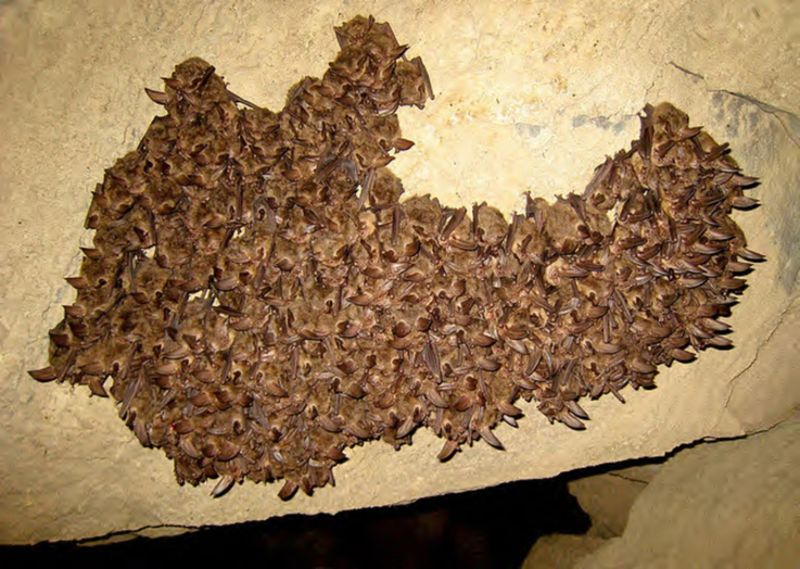
Northern Long-Eared Bat
© Environment America

Those oversized ears are a giveaway. The northern long-eared bat uses them to hear insects crawling on leaves in total darkness.

Unlike some bats, this one is listed as endangered at the federal level, which raises the stakes for homeowners. It often roosts under tree bark, so clearing wooded lots during summer can harm hidden pups.

Planning to cut big trees? Check with the Virginia Department of Wildlife Resources first.

Timing tree work for winter is one easy way to stay in the clear.

7. Canebrake Rattlesnake
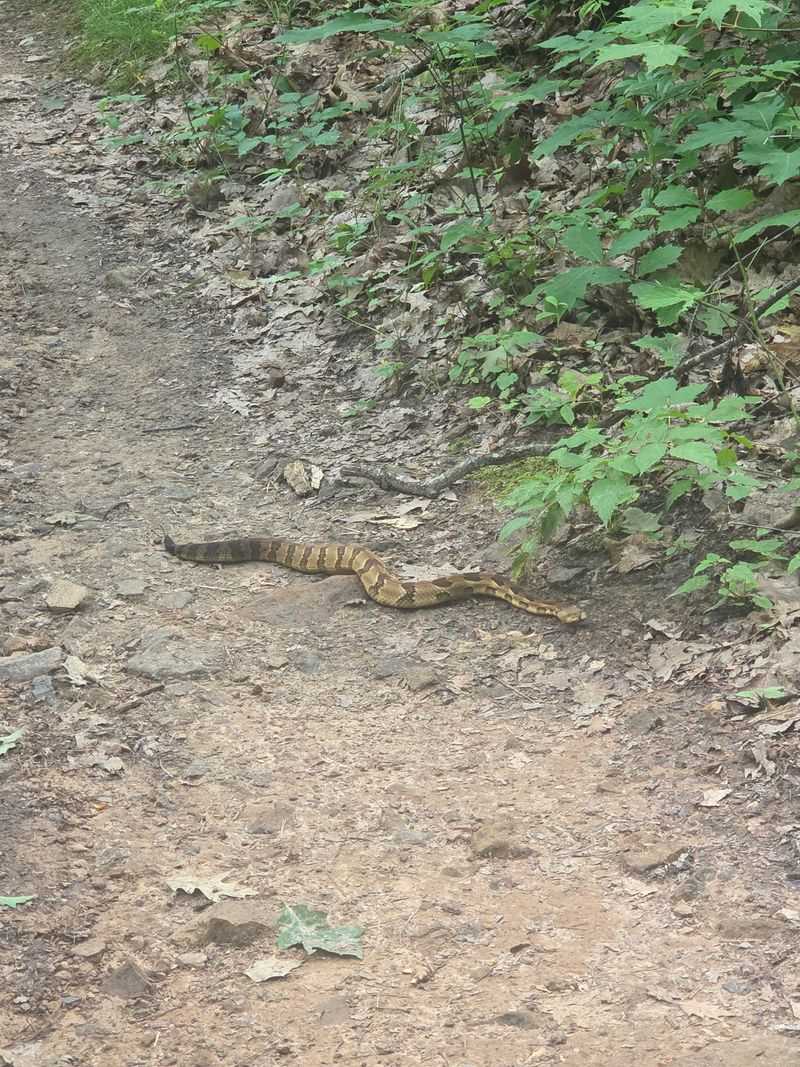
Canebrake Rattlesnake
© Reddit

Here is a twist many people don’t see coming: a venomous snake that the law protects. In southeastern Virginia, the canebrake rattlesnake is listed as state endangered.

Killing one can mean real fines, even if it shows up near your shed. Thankfully, these snakes are shy and would much rather hide than strike.

Keep pets and kids back, and call the Department of Wildlife Resources or a licensed snake handler. They can move it safely to proper habitat.

8. Red-Tailed Hawk
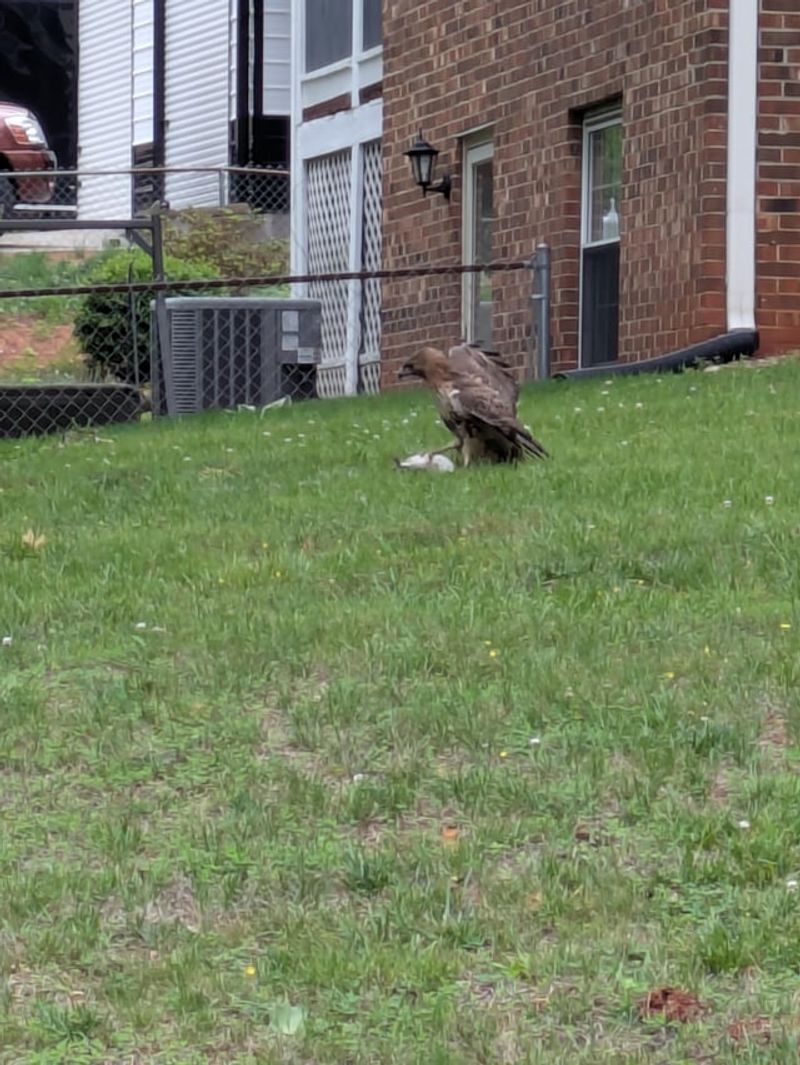
Red-Tailed Hawk

Backyard chicken keepers often have mixed feelings about the red-tailed hawk. Watching one circle above the coop can make anyone nervous.

Still, hawks are protected by federal law, and shooting or trapping them is a crime. Even collecting a fallen feather is technically not allowed without a permit.

Instead, cover runs with netting and give chickens shelter to duck under. Those steps protect your flock while letting the hawk keep the mouse population in check.

9. Wood Turtle

Wood Turtle
© WVU Today – West Virginia University

Did you know some turtles stomp on the ground to trick worms into surfacing? The wood turtle does exactly that, and it is one of the cleverest reptiles in the Appalachians.

Found mostly in northern and western Virginia, it is listed as state threatened. Collecting, moving, or keeping one as a pet is not allowed.

Homes near cool mountain streams are most likely to spot them. Snap a photo, report the sighting to wildlife officials, and let it keep wandering.

Share this story
CW

Written by

Caroline Whitfield

More from Caroline Whitfield →

About Gardening Latest

Gardening Latest provides in-depth guides to maintaining and enhancing your garden and backyard. Learn how to make the most of the space you have and create a beautiful garden.

More about us →

Latest stories

  • Maryland GardeningWhy Coyotes Sound So Close to Your Maryland Home at Night Right Now, and What the Howling Means

    Why Coyotes Sound So Close to Your Maryland Home at Night Right Now, and What the Howling Means

    4 min ago
  • Iowa GardeningIowa Gardeners Keep Brushing Against Io Moth Caterpillars, and Here’s How to Calm That Sting Quickly

    Iowa Gardeners Keep Brushing Against Io Moth Caterpillars, and Here’s How to Calm That Sting Quickly

    10 min ago
  • New Jersey GardeningHearing Coyotes Howl Near Your New Jersey Home at Night? Here’s What They’re Actually Saying

    Hearing Coyotes Howl Near Your New Jersey Home at Night? Here’s What They’re Actually Saying

    23 min ago
  • North Carolina GardeningYour Dog Just Ran Through a Fire Ant Mound in North Carolina, and Here’s What to Do First

    Your Dog Just Ran Through a Fire Ant Mound in North Carolina, and Here’s What to Do First

    29 min ago
  • Michigan GardeningMichigan’s Only Venomous Snake Has Company: a Thumb-Sized Shrew Living in Your Yard

    Michigan’s Only Venomous Snake Has Company: a Thumb-Sized Shrew Living in Your Yard

    34 min ago

Gardening by state

Stories for your state, and the hardiness zone most of it gardens in.

Keep exploring

Read next

All Virginia Gardening →
Virginia GardeningFound A Baby Animal In Your Virginia Yard? These Are Illegal To Keep
Virginia Gardening

Found A Baby Animal In Your Virginia Yard? These Are Illegal To Keep

3 hr ago
Virginia GardeningThat Terrifying Bug You Keep Spotting In Your Virginia Garden Is Actually A Friend
Virginia Gardening

That Terrifying Bug You Keep Spotting In Your Virginia Garden Is Actually A Friend

18 hr ago
Virginia GardeningThe Virginia Burning Rule That Gets Homeowners Fined For Torching Leaves Too Early
Virginia Gardening

The Virginia Burning Rule That Gets Homeowners Fined For Torching Leaves Too Early

20 hr ago

More from Virginia Gardening

  • The Trees In Your Virginia Yard That Need A Permit Before The Chainsaw Comes Out

    Nov 22
  • Venomous Creatures Hiding In Virginia Leaf Piles That Homeowners Should Know Before Raking

    Nov 22
Back to top

Leave a response Cancel

Your email address stays private. Required fields are marked with an asterisk.

Gardening Latest

In-depth guides to maintaining and enhancing your garden and backyard: how to make the most of the space you have, and how to make it beautiful.

  • Facebook
  • X
  • Pinterest
  • YouTube

We may earn a portion of sales from products or services that are purchased through our site as part of our affiliate partnerships with retailers.

Explore

  • About GardeningLatest.com
  • Contact Us
  • Terms and Conditions
  • Privacy
  • Editorial Note:
  • FTC Disclosure

Newsletter

New garden guides and seasonal tips, straight to your inbox.

We’ll email you a link to confirm. Unsubscribe any time.

Almost there! Check your inbox and tap the link to confirm.

© 2026 Gardening Latest. All rights reserved.

Back to top