Spotting a tiny fawn curled up in the grass or a fuzzy raccoon kit near your shed can make your heart melt. Many people want to scoop the little one up and raise it as a pet.
In Virginia, though, keeping most wild animals is against the law, even if you mean well. Knowing which babies are off-limits, and what to do instead, can protect both you and the animal.
1. White-Tailed Deer Fawns
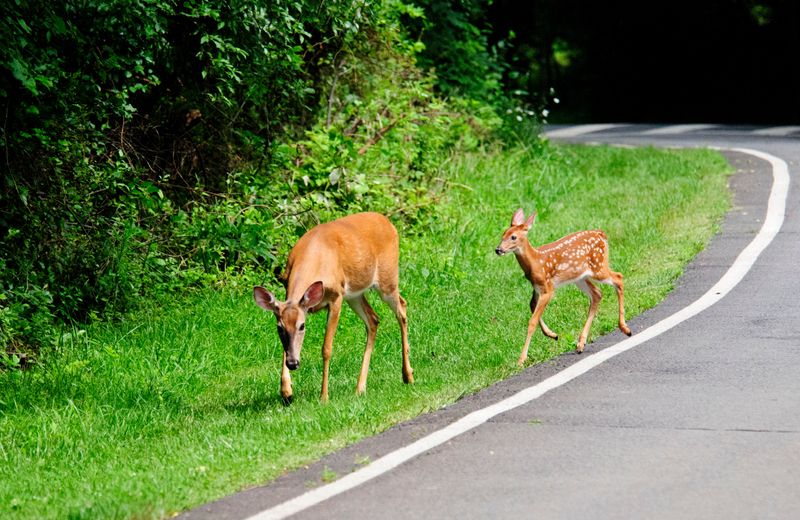
Picture a spotted fawn tucked against your fence, not moving a muscle. It looks abandoned, but its mother is almost certainly nearby.
Does leave their babies alone for hours so predators will not notice them.
Virginia law makes it illegal to possess a fawn without a permit. Fines can apply, and the fawn rarely does well in human hands because it can become too comfortable around people and dogs.
The best move is to walk away and keep pets inside. If the fawn is still crying after a full day, or it is clearly hurt, call a licensed wildlife rehabilitator.
Fun fact: newborn fawns have almost no scent, which is their secret shield.
2. Raccoon Kits
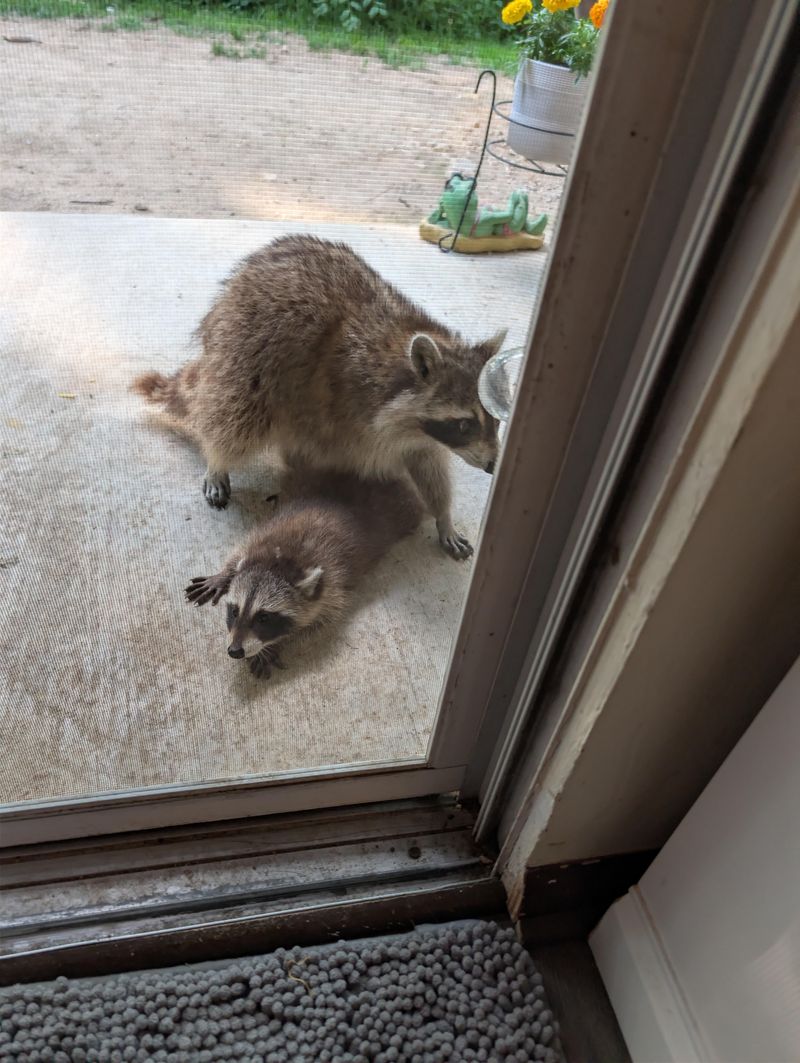
Those little masked faces are hard to resist. Raccoon kits chirp and tumble like puppies, and plenty of folks have been tempted to bring one indoors.
Here is the problem. Raccoons are a rabies vector species in Virginia, so keeping one is strictly prohibited.
Even licensed rehabilitators need special approval to work with them.
If you find kits, give the mother a night to return and move them. She often relocates her family one baby at a time.
Wear gloves if you must touch anything, and never handle them barehanded.
3. Eastern Cottontail Bunnies
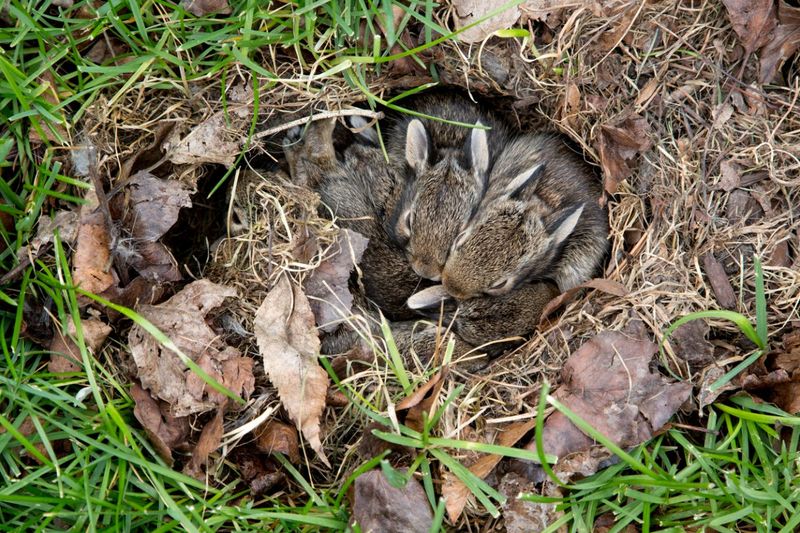
Lawn mowers uncover more rabbit nests than any other tool. One minute you are cutting grass, and the next you are staring at a pile of fur with four tiny bunnies inside.
Wild cottontails cannot legally be kept as pets in Virginia. They also stress easily, and many die from fear alone when captured.
Cover the nest back up with the grass and fur. Mom visits only at dawn and dusk, so you may never see her.
A simple trick is to lay two crossed twigs on top and check if they move by morning. Once bunnies are about the size of a softball and hopping, they are already independent.
4. Gray Squirrel Babies
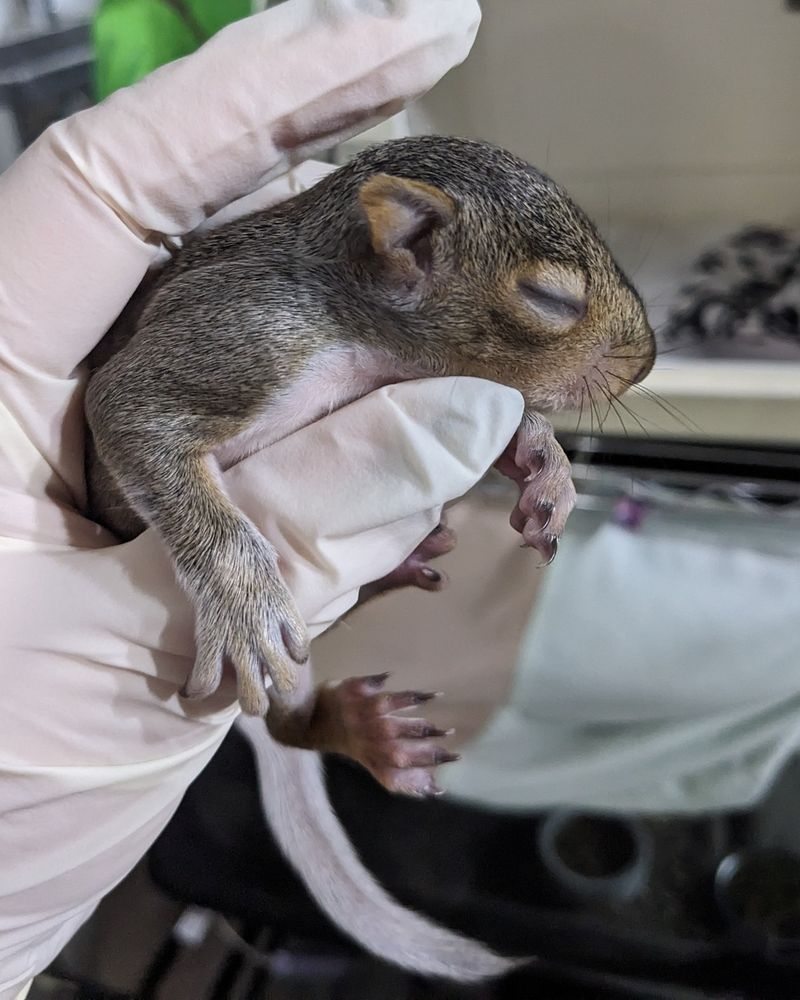
After a spring windstorm, it is common to find a baby squirrel on the ground below a tree. Some are pink and hairless, while others already have bushy tails.
Gray squirrels count as wildlife under Virginia rules, and you cannot keep one without proper authorization. Raising a squirrel is also much harder than it seems.
They need special formula, and the wrong milk can kill them fast.
Place the baby in a small box at the base of the tree and watch from inside. Mother squirrels are surprisingly devoted and will usually come down to fetch their young.
If she does not show up within a few hours, reach out to a rehabber.
5. Red and Gray Fox Pups
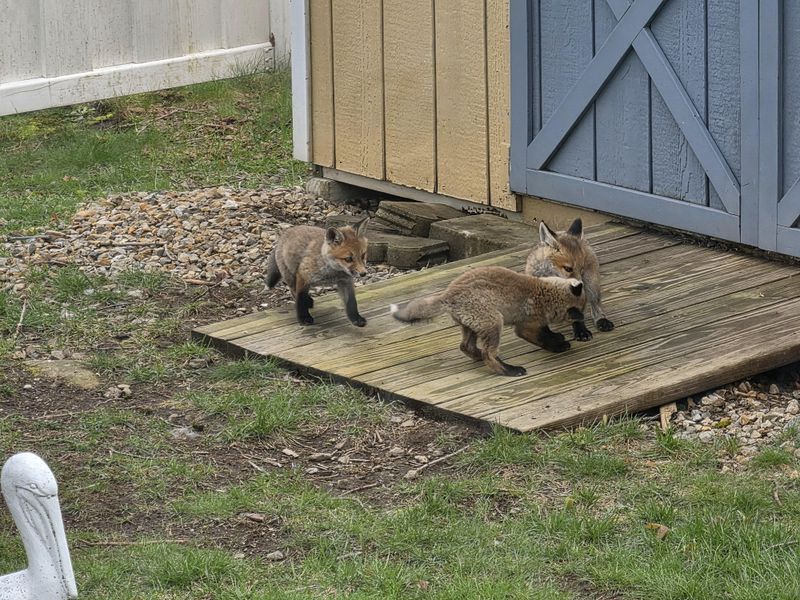
A family of fox pups wrestling near a den is honestly one of the best shows nature puts on. Many Virginians are surprised to find dens under porches or sheds.
Foxes are another rabies vector species, so possessing one is off the table. Pups raised by people also lose the skills they need to hunt and avoid danger.
Foxes usually only use a den for a few weeks while pups grow. Enjoy the view from a distance, keep cats indoors, and soon the family will move on by itself.
Did you know? Gray foxes are one of the few canines that can climb trees.
6. Opossum Joeys
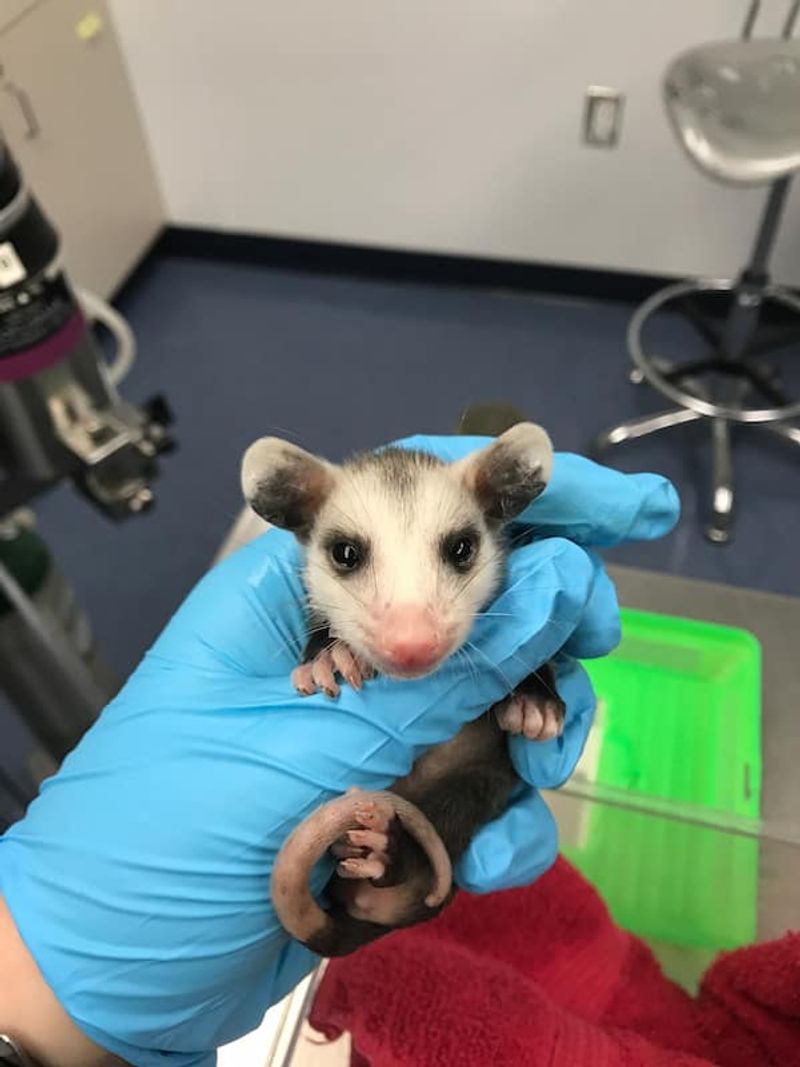
North America’s only marsupial sometimes leaves a surprise behind. When a mother opossum gets hit by a car, her joeys may survive, and some wander into yards.
Opossums are protected wildlife in Virginia and cannot be kept as pets. They need a very specific diet, and bone disease is common when people try to feed them at home.
A joey shorter than about seven inches, not counting the tail, needs help. Gently place it in a box with a soft towel, keep it warm and quiet, and call a rehabber right away.
Do not give food or water.
7. Baby Songbirds
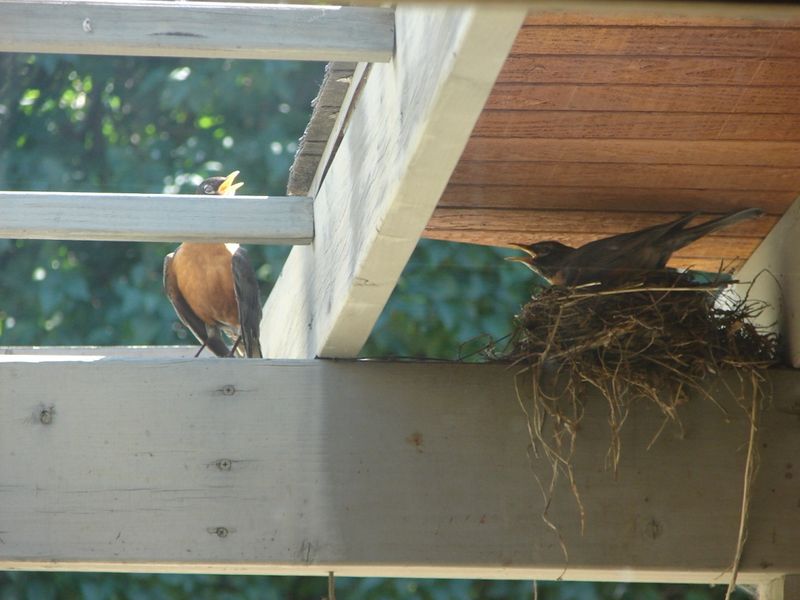
“It can’t fly, so it must need me!” That is what many kind people think when they spot a baby bird hopping on the grass.
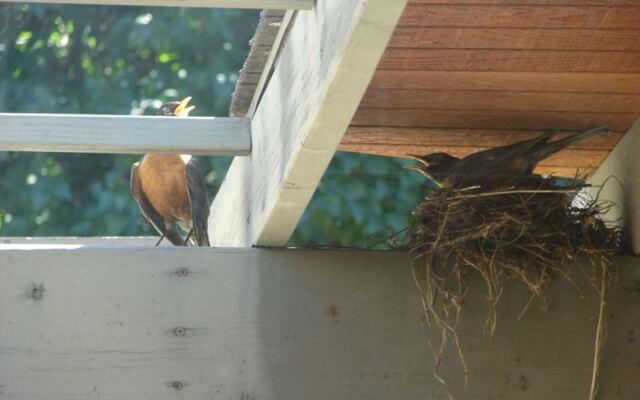
Most of the time, that bird is a fledgling learning to fly, and its parents are close by. Native songbirds like robins, cardinals, and bluebirds are protected by federal law and Virginia law, so keeping one, or even its feathers or nest, is illegal.
A fully feathered fledgling should be left alone. A naked nestling can be put back in its nest if you can reach it.
And no, parents will not reject it because you touched it.
8. Eastern Box Turtles
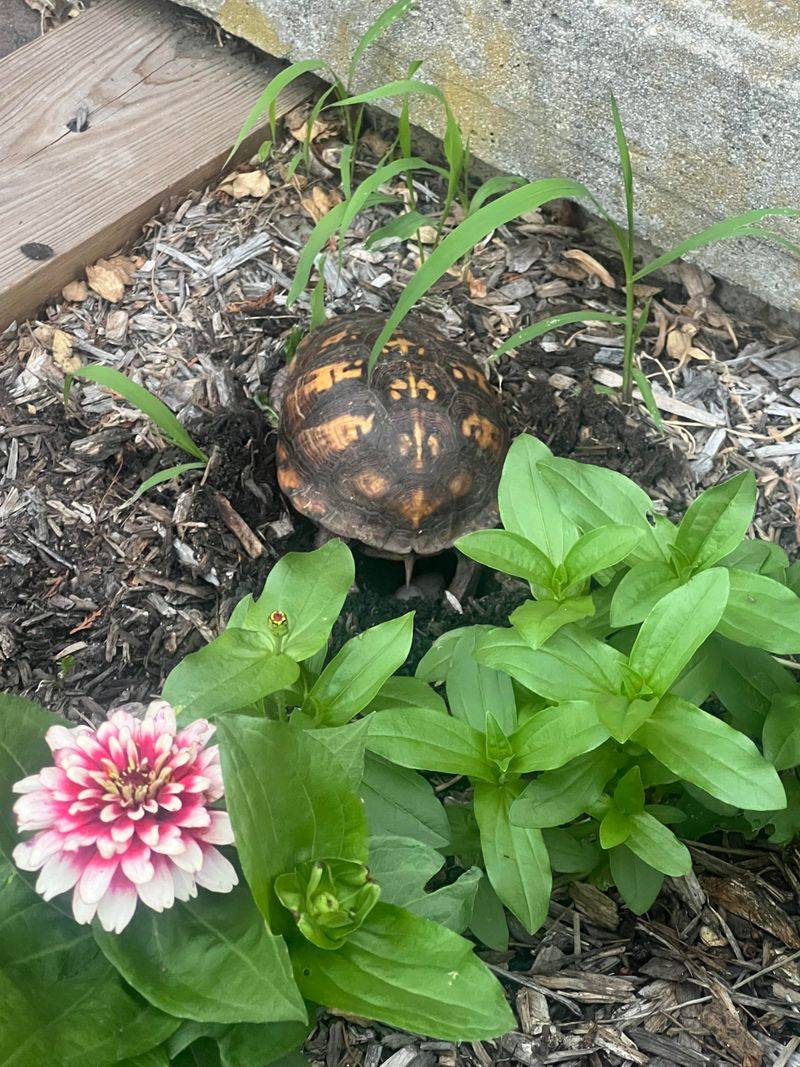
Slow, colorful, and oddly charming, box turtles seem like the perfect low-key pet. That is exactly why they are in trouble.
Virginia limits keeping native box turtles, and taking them from the wild is not allowed without permission. They can live over 100 years, and they often spend their whole lives in an area smaller than a few football fields.
If one is crossing the road, move it to the side it was heading toward. Never relocate it to your garden or a park far away, because it will try to walk home and may not survive the trip.
9. Striped Skunk Kits
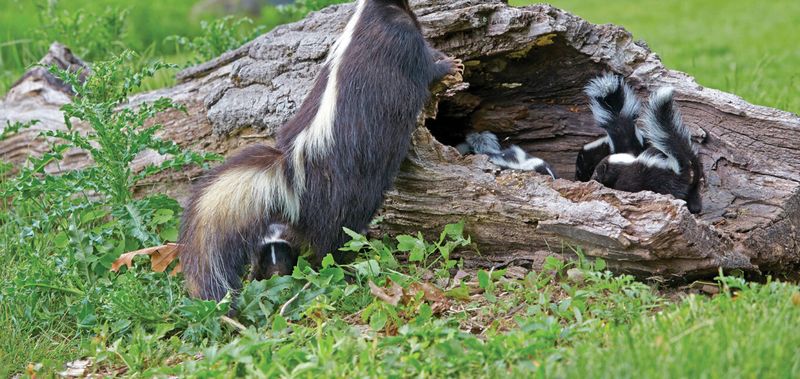
Few sights are cuter than a parade of skunk kits trailing behind their mom like ducklings. Just keep your distance, because even babies can spray by a few weeks old.
Skunks are a major rabies carrier in Virginia, and keeping a wild one is illegal. Pet store skunks bred in captivity follow totally different rules, and wild ones cannot be swapped in.
A lone kit is usually just lagging behind. Watch quietly, and if mom does not return, contact a rabies vector rehabber.
Sprinkle flour near a den hole to see if anyone is still using it.
10. Bats
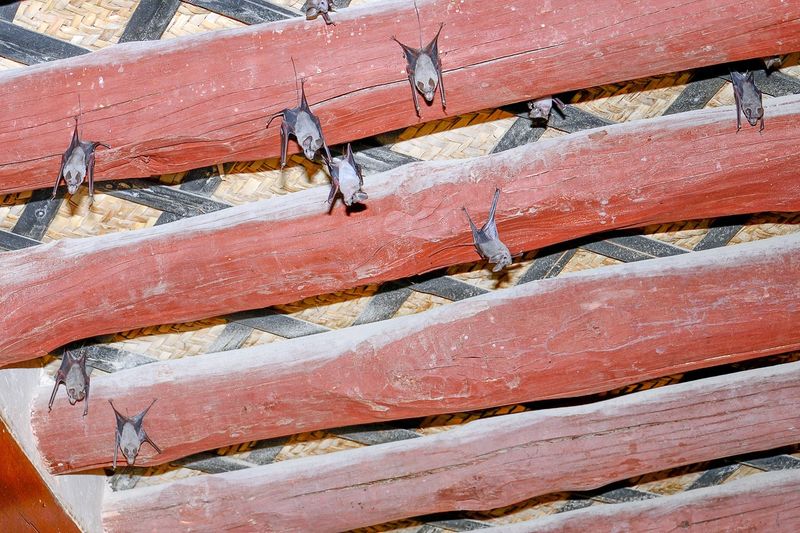
Bats might not top your list of cute babies, but young ones sometimes end up on porches, patios, or even inside homes during summer.
Virginia protects its bats, and several species are endangered. They can also carry rabies, so never touch one with bare hands.
Possessing a bat is not allowed for the public.
If a pup is on the ground, use a thick glove or towel to place it on a tree trunk at sunset so mom can find it. Anyone who may have been bitten or woke up with a bat in the room should call the local health department.
One bat can eat hundreds of insects in an hour, so they are worth protecting.
Share this story