Get the latest garden guides in your inbox →
Gardening Latest
  • General Gardening
  • Lawn Care
  • Plant Care
  • Composting
  • Soil Health
  • Backyard
  • Garden Muse Magazine
  • General Gardening
  • Lawn Care
  • Plant Care
  • Composting
  • Soil Health
  • Backyard
  • Garden Muse Magazine
  • News
  • Gardening Calendar
  • Garden Structures
  • Vegetable Garden
  • Vertical Garden
  • Raised Beds
  • Hydroponics
  • General Equipment
  • Community Gardens
Garden Themes
  • Spiritual Garden
  • Hydroseeding
  • Seeding and Laying Sod
  • Artificial Grass
  • Lawn Care Equipment
  • Plants
  • Trees
  • Planting Tools
  • Composting Basics
  • Fertilizer
  • Alternative Growing Mediums
  • Front Yard
  • Backyard Activities
  • Landscaping
Gardening Latest

Explore by state

Which state is your garden in?

Currently viewing Virginia

All states

Northeast

  • Connecticut —
  • Delaware 18
  • Maine —
  • Maryland 5
  • Massachusetts 21
  • New Hampshire —
  • New Jersey 5
  • New York 14
  • Pennsylvania 14
  • Rhode Island —
  • Vermont —

Southeast

  • Alabama 4
  • Arkansas —
  • Florida 4
  • Georgia 5
  • Kentucky 18
  • Louisiana 3
  • Mississippi —
  • North Carolina 3
  • South Carolina 17
  • Tennessee 1
  • Virginia 4
  • West Virginia —

Midwest

  • Illinois 3
  • Indiana 6
  • Iowa 18
  • Kansas —
  • Michigan 5
  • Minnesota 3
  • Missouri 3
  • Nebraska —
  • North Dakota —
  • Ohio 5
  • South Dakota —
  • Wisconsin 19

Southwest

  • Arizona 4
  • Colorado —
  • Nevada —
  • New Mexico —
  • Oklahoma —
  • Texas 3
  • Utah —

West

  • Alaska —
  • California 4
  • Hawaii —
  • Idaho —
  • Montana —
  • Oregon —
  • Washington —
  • Wyoming —

No state matches that search.

Site menu

Gardening Latest
  • General Gardening
    • News
    • Gardening Calendar
    • Garden Structures
    • Vegetable Garden
    • Vertical Garden
    • Raised Beds
    • Hydroponics
    • General Equipment
    • Community Gardens
    Garden Themes
    • Spiritual Garden
  • Lawn Care
    • Hydroseeding
    • Seeding and Laying Sod
    • Artificial Grass
    • Lawn Care Equipment
  • Plant Care
    • Plants
    • Trees
    • Planting Tools
  • Composting
    • Composting Basics
  • Soil Health
    • Fertilizer
    • Alternative Growing Mediums
  • Backyard
    • Front Yard
    • Backyard Activities
    • Landscaping
  • Garden Muse Magazine

Explore

  • About GardeningLatest.com
  • Contact Us

Get the latest from the garden

New guides on lawn care, plants and backyard projects, sent when they go up.

Subscribe →

Follow

  • Facebook
  • X
  • Pinterest
  • YouTube
Virginia Gardening

Venomous Creatures Hiding In Virginia Leaf Piles That Homeowners Should Know Before Raking

That big pile of autumn leaves in your yard looks harmless, but it can be a cozy hideout for some surprising guests…

CW

By Caroline Whitfield

November 22, 2026 · 5 min read

Venomous Creatures Hiding In Virginia Leaf Piles That Homeowners Should Know Before Raking

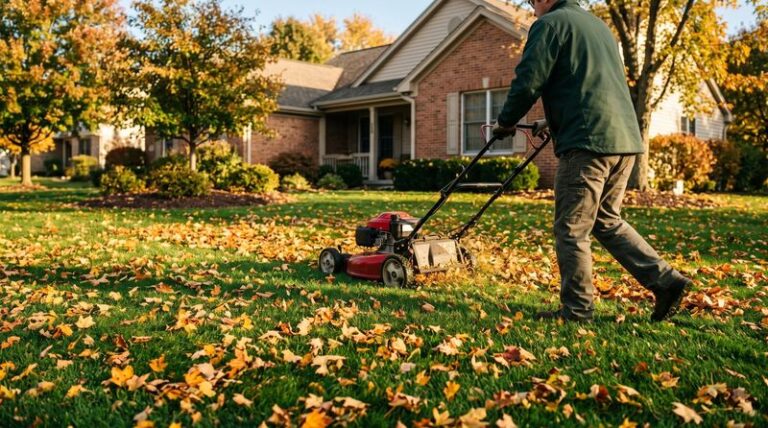
That big pile of autumn leaves in your yard looks harmless, but it can be a cozy hideout for some surprising guests. In Virginia, several venomous critters love the damp, dark shelter that fallen leaves provide.

Knowing who might be tucked inside can help you avoid a painful bite or sting. Before you grab that rake, take a few minutes to meet the neighbors you never invited.

At a glance

Where
Virginia Gardening
Hardiness zone
7 0 to 10°F
Read
5 minutes
Published
November 22, 2026

1. Eastern Copperhead

Eastern Copperhead
© Reddit

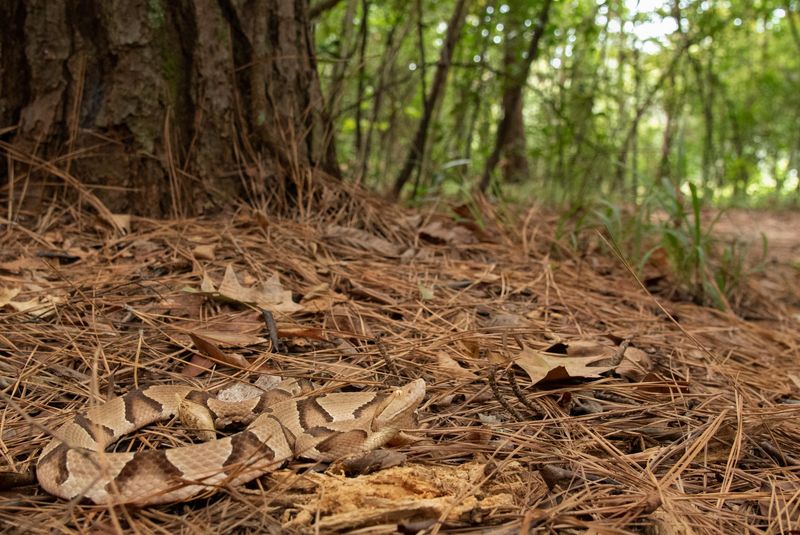
Picture a snake that looks exactly like a scattered pile of oak leaves. That is the copperhead, and it is the venomous snake Virginians are most likely to meet.

Its tan and copper hourglass bands blend in so well that people often step right next to one without noticing.

Copperheads do not usually strike first. They prefer to freeze and trust their camouflage, which is exactly why rakes and bare hands get them in trouble.

Most bites happen when someone reaches into leaves, firewood, or garden debris.

Their venom is rarely deadly to adults, but a bite still means swelling, serious pain, and a trip to the emergency room. Fun fact: baby copperheads have bright yellow tail tips they wiggle like worms to lure frogs.

Use a long-handled rake, wear boots, and never scoop leaves with your hands.

2. Timber Rattlesnake
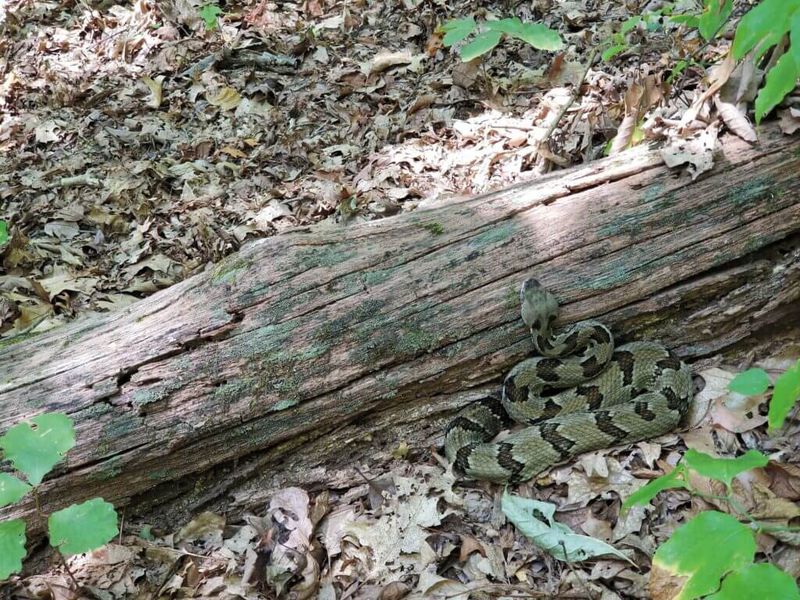
Timber Rattlesnake
© Wonderful West Virginia Magazine

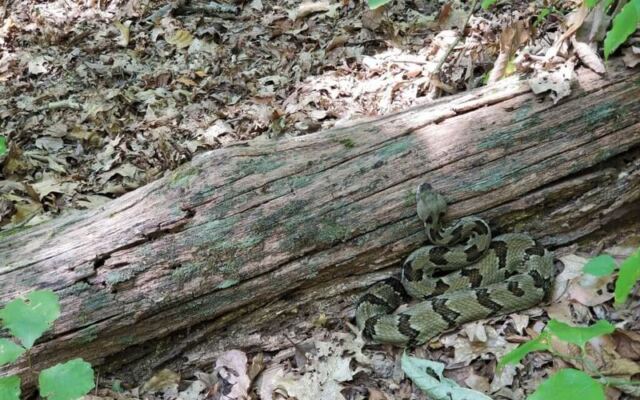
Homes near the Blue Ridge or the wooded western counties sometimes host a much bigger visitor. Timber rattlesnakes can stretch over four feet long, with dark zigzag bands across a gray, yellow, or tan body.

In the far southeast, a coastal form called the canebrake rattlesnake lives too.

Here is the good news. Timbers are famously calm and often sit still for hours waiting for a mouse to pass.

Many will rattle as a warning, but a cold snake in fall leaves might stay silent.

Leaf piles near rock walls, woodpiles, or forest edges deserve extra caution in early autumn when rattlers head toward winter dens. If you spot one, back away slowly and let it move on.

The species is protected in parts of Virginia, so calling a wildlife professional is the smart move.

3. Black Widow Spider
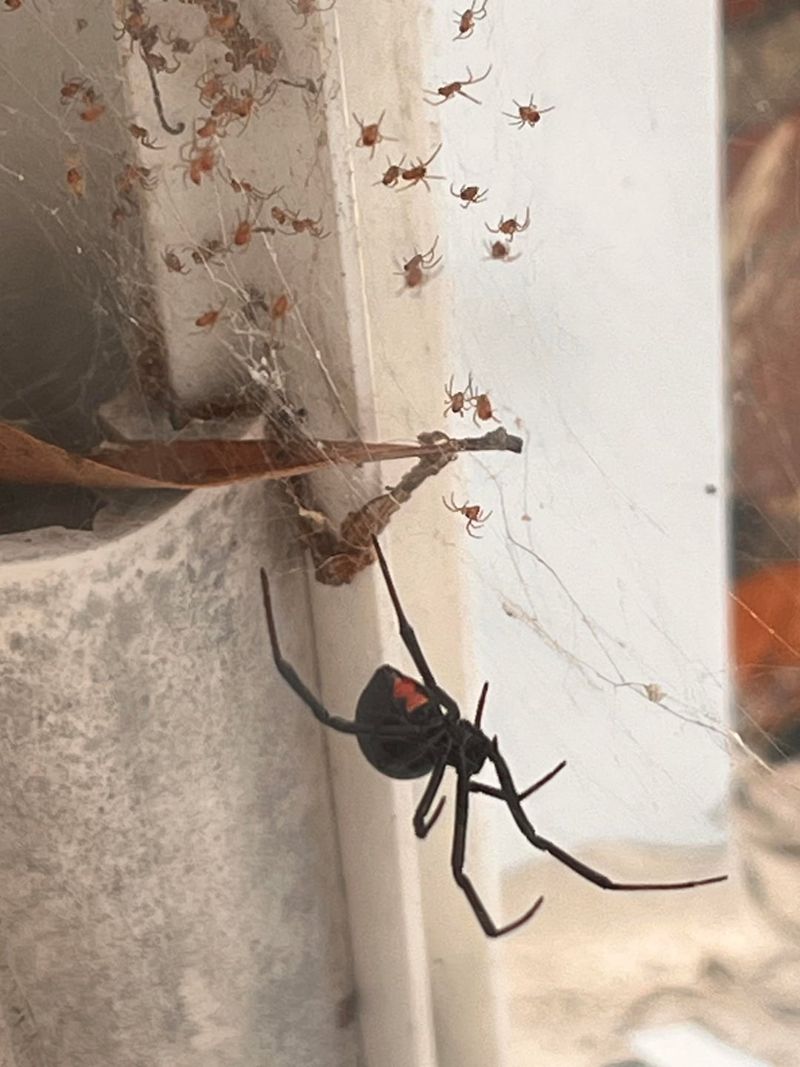
Black Widow Spider
© Reddit

Shiny, black, and marked with a red hourglass on her belly, the female black widow is one of the most recognizable spiders in America. Virginia has both the southern and northern black widow.

They love quiet, undisturbed spots like the bottom layer of an old leaf pile.

People describe the sting as one of the most painful in the insect world, with burning that can spread up an arm.

Webs are messy and tangled, often built close to the ground. When you scoop leaves, you can easily grab a hidden spider without seeing her.

Her venom affects nerves, causing muscle cramps, sweating, and stomach pain. Bites are rarely fatal, yet children and older adults should get medical help fast.

Gloves are your best friend here. Shake them out before putting them on, since widows enjoy hiding inside gear left outdoors.

4. Brown Recluse Spider
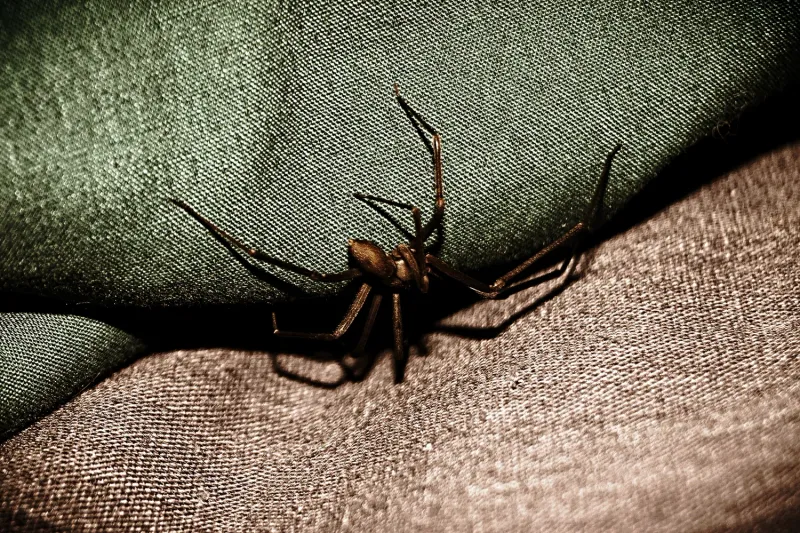
Brown Recluse Spider
© GLADHILL SERVICES

Few spiders spark more rumors than the brown recluse. Truthfully, Virginia sits on the edge of its range, and confirmed sightings are uncommon, mostly in the southwest corner of the state.

Still, it pays to know the signs.

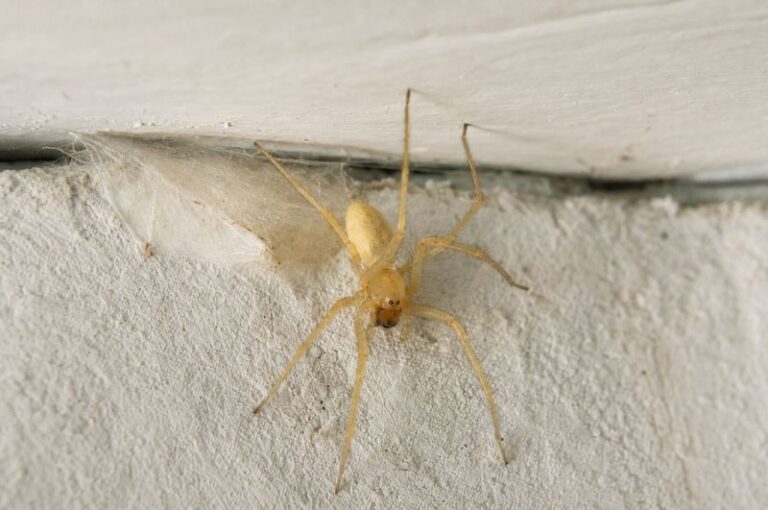
Look for a light brown body with a dark violin shape on its back and six eyes instead of eight. Recluses prefer dry hiding places like sheds and garages, but they will tuck into leaf piles stacked against buildings.

A bite may not hurt at first. Over a few days, some bites form a sore that can be slow to heal.

If you notice a spreading wound after yard work, see a doctor and mention where you were working.

5. Puss Caterpillar
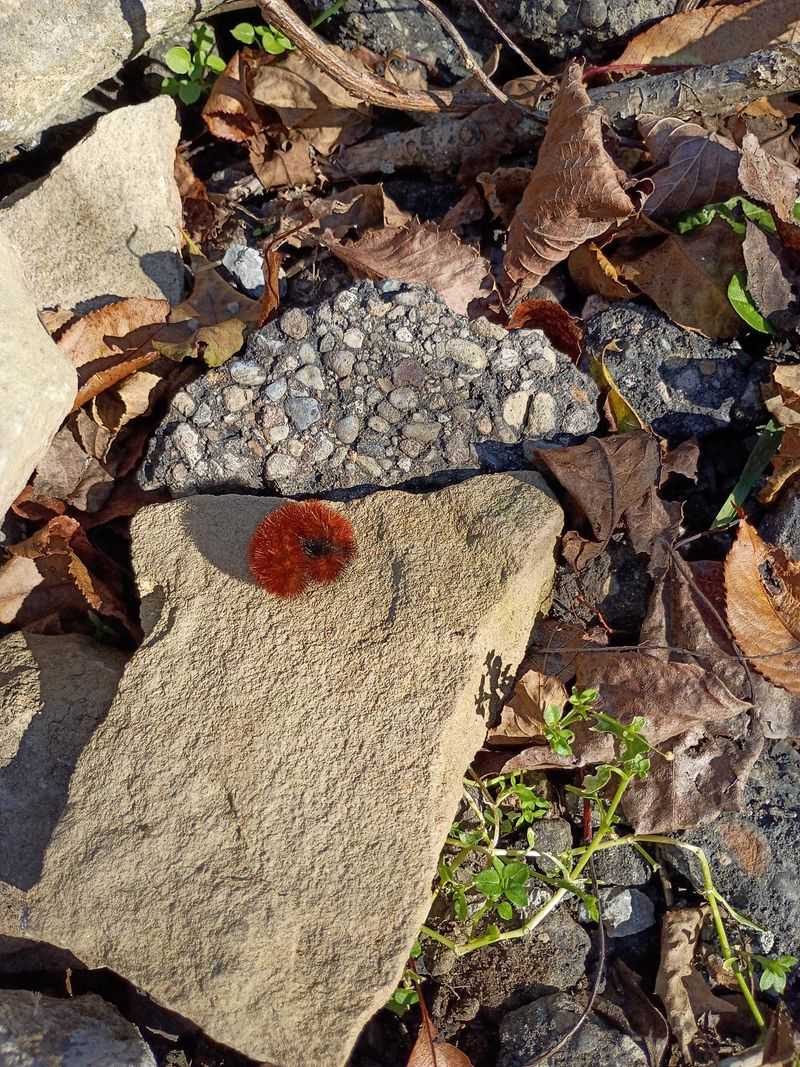
Puss Caterpillar
© Reddit

It looks like a tiny toupee crawling across a leaf. The puss caterpillar is fluffy, tan or golden, and almost cute enough to pet.

Please do not.

Hidden under all that fluff are venomous spines that break off in your skin. People describe the sting as one of the most painful in the insect world, with burning that can spread up an arm.

Some folks also get headaches, nausea, or swelling.

These caterpillars drop from oak and elm trees in late summer and fall, so they often end up mixed into leaf piles. Kids jumping into leaves are especially at risk.

If stung, press tape on the area to lift out spines, then wash and ice the spot.

6. Saddleback Caterpillar
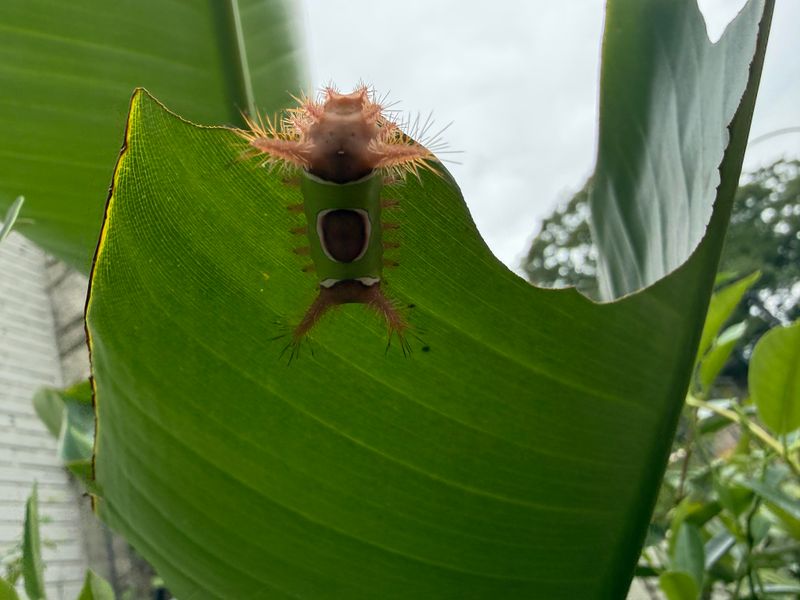
Saddleback Caterpillar

Nature gave this caterpillar a costume worthy of a parade. A bright green middle with a brown spot makes it look like it is wearing a tiny saddle.

Spiky horns stick out at both ends.

Every one of those spines can deliver a sting. The pain feels like a strong bee sting and often leaves a red, itchy welt for days.

Saddlebacks feed on many trees and shrubs across Virginia. As leaves fall, some ride them right to the ground.

Wearing long sleeves and gloves while raking keeps this flashy little rider off your skin.

7. Eastern Yellowjacket
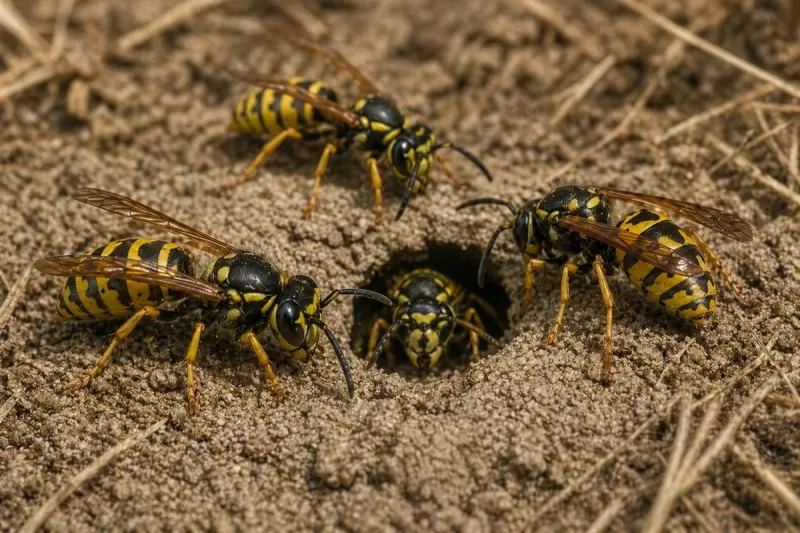
Eastern Yellowjacket
© Pest Me Off

Ask any Virginia landscaper about their worst fall surprise, and many will say yellowjackets. These wasps build nests underground, often in old rodent holes, and leaf piles can cover the entrance completely.

Autumn is when colonies are largest and most cranky. Food is running short, and workers will defend the nest hard.

Unlike honeybees, each yellowjacket can sting again and again.

Watch for a steady stream of wasps flying in and out of one spot before you rake. If you find a nest, mark it and stay away.

People with sting allergies should keep their epinephrine pen nearby during yard work.

8. Bark Scorpion Relative: Striped Bark Scorpion and Southern Devil Scorpion
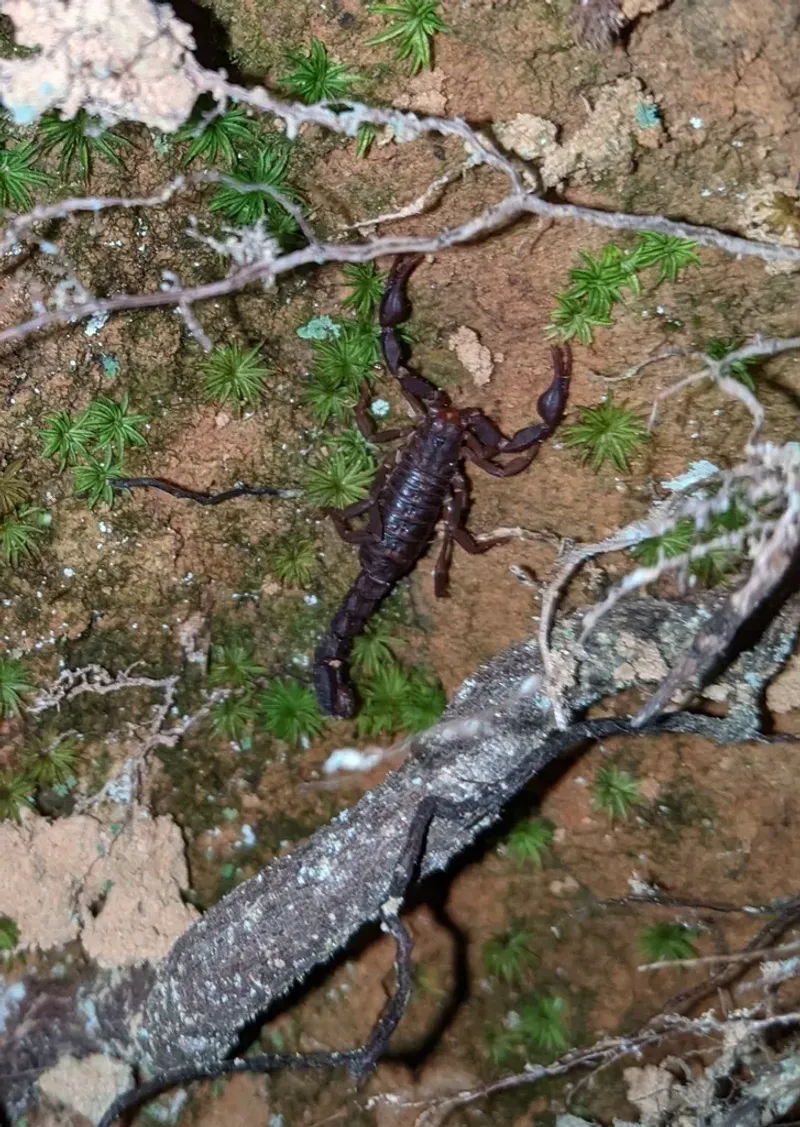
Bark Scorpion Relative: Striped Bark Scorpion and Southern Devil Scorpion
© Better Termite

Scorpions in Virginia? Yes, really.

The southern devil scorpion lives in parts of southwestern Virginia, hiding under bark, rocks, and thick leaf litter.

It is small, usually under two inches, and brown with darker markings. A sting feels a lot like a wasp sting, with short burning pain and some swelling.

It is not considered dangerous to healthy adults.

These shy hunters come out at night to catch insects. Raking damp leaves near woodpiles or stone walls may uncover one.

Gloves and a quick look before grabbing debris will keep the encounter boring, which is exactly how you want it.

Share this story

CW

Written by

Caroline Whitfield

More from Caroline Whitfield →

About Gardening Latest

Gardening Latest provides in-depth guides to maintaining and enhancing your garden and backyard. Learn how to make the most of the space you have and create a beautiful garden.

More about us →

Latest stories

  • Maryland GardeningThose Tiny Brown Pouches Dangling From Maryland Junipers Are Packed With Hidden Eggs

    Those Tiny Brown Pouches Dangling From Maryland Junipers Are Packed With Hidden Eggs

    6 min ago
  • Iowa GardeningIs a Northern Short-Tailed Shrew Hiding in Your Iowa Leaf Pile? What We Know About Its Venom

    Is a Northern Short-Tailed Shrew Hiding in Your Iowa Leaf Pile? What We Know About Its Venom

    12 min ago
  • Virginia GardeningThe Trees In Your Virginia Yard That Need A Permit Before The Chainsaw Comes Out

    The Trees In Your Virginia Yard That Need A Permit Before The Chainsaw Comes Out

    18 min ago
  • New Jersey GardeningThese Venomous Critters Are Hiding Closer To Your New Jersey Porch Than You Think

    These Venomous Critters Are Hiding Closer To Your New Jersey Porch Than You Think

    25 min ago
  • North Carolina GardeningA Coyote Just Wandered Into Your North Carolina Yard: 7 Smart Moves and 3 Big Mistakes

    A Coyote Just Wandered Into Your North Carolina Yard: 7 Smart Moves and 3 Big Mistakes

    31 min ago

Gardening by state

Stories for your state, and the hardiness zone most of it gardens in.

Keep exploring

Read next

All Virginia Gardening →
Virginia GardeningThe Trees In Your Virginia Yard That Need A Permit Before The Chainsaw Comes Out
Virginia Gardening

The Trees In Your Virginia Yard That Need A Permit Before The Chainsaw Comes Out

18 min ago
Virginia GardeningFinal Mowing Heights for Virginia Lawns: Practical Targets for Tall Fescue and Bermudagrass
Virginia Gardening

Final Mowing Heights for Virginia Lawns: Practical Targets for Tall Fescue and Bermudagrass

Nov 11
Virginia GardeningVirginia’s Most Dangerous Venomous Snakes And Spiders Still Lurking In Yards As Temperatures Drop
Virginia Gardening

Virginia’s Most Dangerous Venomous Snakes And Spiders Still Lurking In Yards As Temperatures Drop

Nov 11

More from Virginia Gardening

  • What Really Happens Inside a Michigan Yellowjacket Nest Once Hard Frost Hits

    36 min ago
  • Brushed Against a Browntail Moth Caterpillar in Your Massachusetts Garden? Here’s What to Do Right Away

    41 min ago
Back to top

Leave a response Cancel

Your email address stays private. Required fields are marked with an asterisk.

Gardening Latest

In-depth guides to maintaining and enhancing your garden and backyard: how to make the most of the space you have, and how to make it beautiful.

  • Facebook
  • X
  • Pinterest
  • YouTube

We may earn a portion of sales from products or services that are purchased through our site as part of our affiliate partnerships with retailers.

Explore

  • About GardeningLatest.com
  • Contact Us
  • Terms and Conditions
  • Privacy
  • Editorial Note:
  • FTC Disclosure

Newsletter

New garden guides and seasonal tips, straight to your inbox.

We’ll email you a link to confirm. Unsubscribe any time.

Almost there! Check your inbox and tap the link to confirm.

© 2026 Gardening Latest. All rights reserved.

Back to top