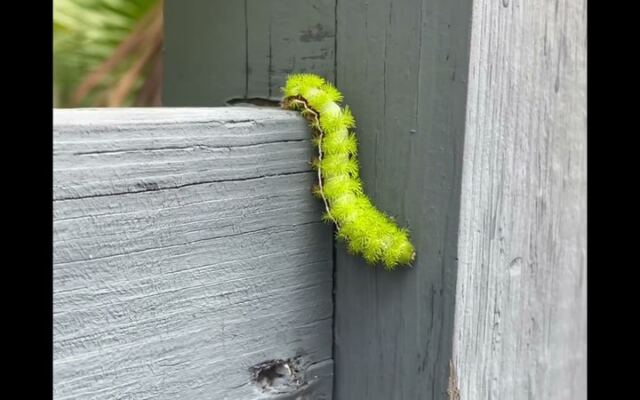
If a green caterpillar just left your skin burning or itchy, quick action can make the next few minutes much easier. Press sticky tape onto the spot, lift it away, wash with soap and water, and cool the area with a wrapped cold pack.
Io moths do live in Iowa, and their spiny caterpillars can sting when touched during yard work. Here is how to handle it calmly, plus the signs that mean it is time to get help.
A sting does not identify the caterpillar

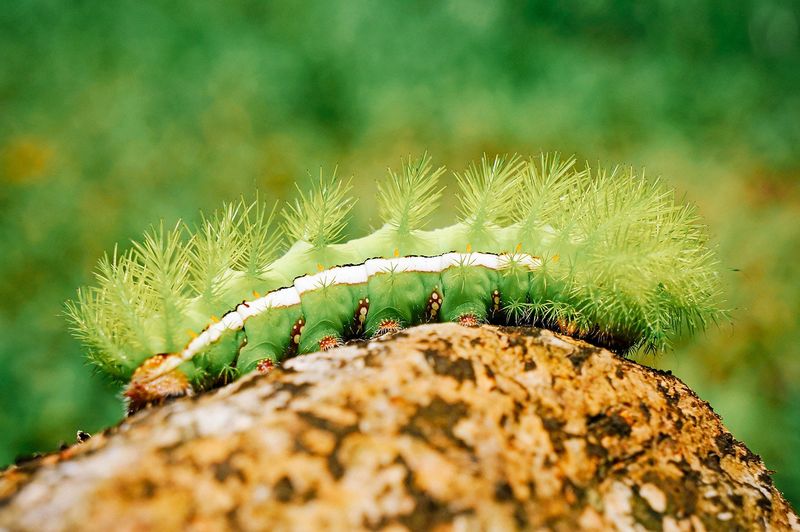
Picture it: you are pruning a shrub, and your forearm suddenly stings like a nettle. Io moth caterpillars are green with a reddish and white stripe along each side, and their bodies carry clusters of branched, stinging spines.
According to UF/IFAS Extension, those spines are what deliver the sting.
The spines can break off and lodge in skin. That can cause sudden pain, itching, and redness right where the caterpillar touched you.
Io moths do occur in Iowa, and Insects of Iowa confirms it. That record tells us the species lives here.
It does not tell us how often gardeners run into the caterpillars.
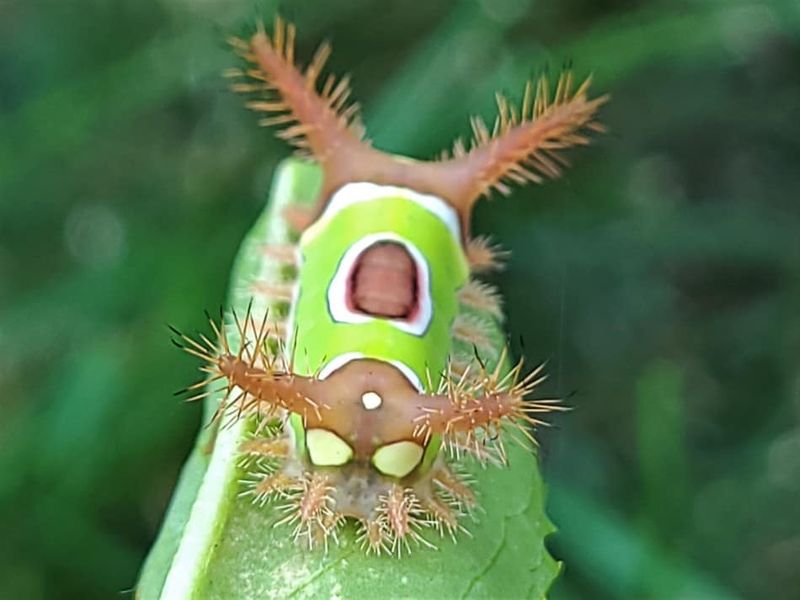
A sting by itself cannot tell you which caterpillar caused it. Poison Control lists Io among several U.S. caterpillars that can sting, and others can leave skin reactions too.
So this guide is about caring for suspected contact, not diagnosing a species.
The same first steps help whichever spiny caterpillar was responsible. Knowing the basics before you need them keeps a surprise sting from turning into a panic.
What to do first
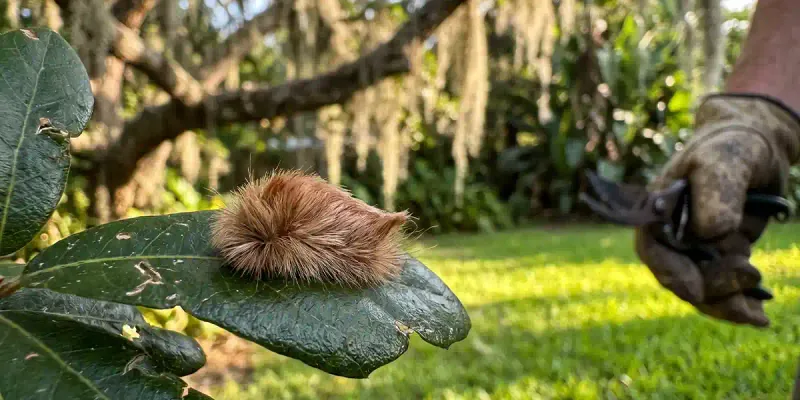
Stop what you are doing and move away from the plant so you do not brush against the caterpillar again. If it is still on you, do not grab it with bare fingers.
Flick it off with a stick or a folded piece of paper, or use gloved hands.
Next, grab some sticky tape. Duct tape, packing tape, or cellophane tape all work.
Press a piece gently onto the sore skin with the sticky side down, then lift it straight off.
Poison Control recommends this method in its caterpillar sting advice. The tape can pull loose spines out of the skin without you digging at them.
Use a fresh piece each time and repeat a few times until the tape no longer picks up tiny spines. Look closely in good light, since the spines are small and easy to miss.
Do not rub, scrape, or scratch the area. That can push spines deeper or spread them around.
Keep tape away from your eyes and other delicate skin, such as eyelids or lips. If the caterpillar touched those places, skip ahead to the medical help section.
Wash the skin and cool it
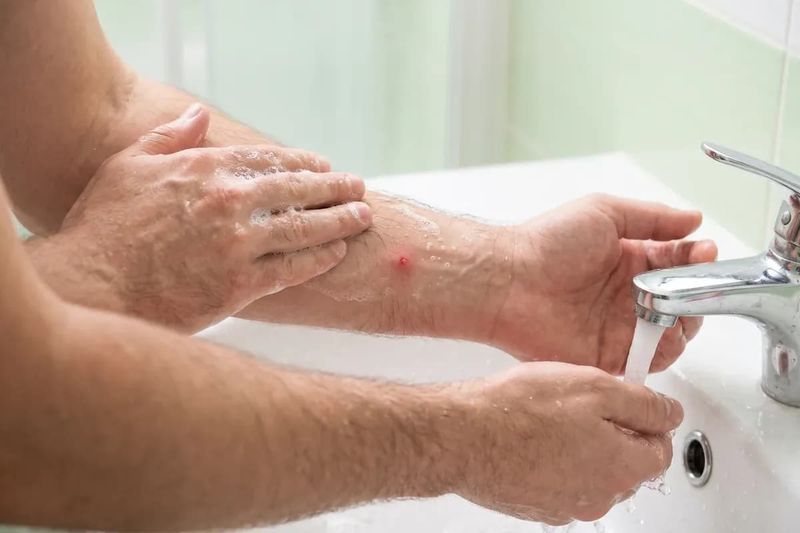
Once the tape has done its job, head to a sink or hose. Wash the area gently with soap and water, as Poison Control advises.
Pat it dry instead of scrubbing.
Now think about comfort. A cold pack or bag of ice can take the edge off the burning and itching.
Wrap it in a thin towel or cloth first so it never sits directly on your skin.
For timing, MedlinePlus suggests applying the cold for 10 minutes, then leaving it off for 10 minutes. You can repeat that cycle while the area still bothers you.
Cooling eases discomfort, but it does not remove spines. If the skin still feels prickly after you chill it, go back to fresh tape before you do anything else.
Cold is also not a substitute for medical care. If symptoms get worse instead of better, or any warning signs show up, treat that as a reason to call for advice rather than to keep icing.
What a local reaction can feel like
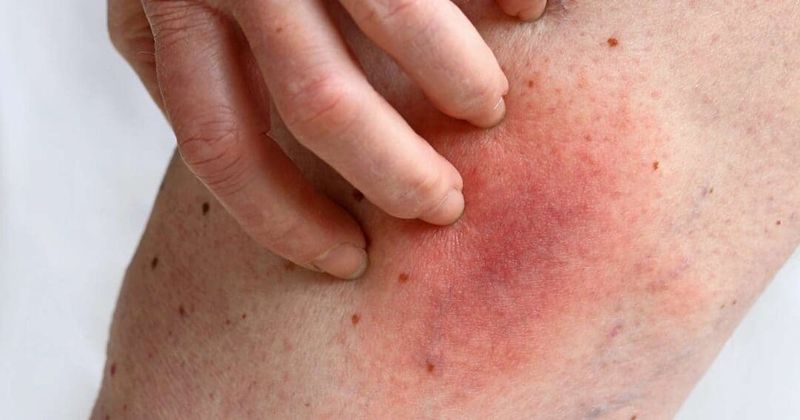
Expect the first sign to be immediate stinging or burning. Redness and itching often follow, and some people get swelling, raised welts, or even small blisters where the spines touched.
Pain often improves within a few hours, according to Poison Control. Reactions differ from person to person, though, so there is no exact recovery time that fits everyone.
UF/IFAS describes Io moth caterpillar stings as usually local, with whole-body symptoms being rare. It also notes that the venom has not been characterized, so nobody can say exactly how it works.
For itching, Poison Control mentions hydrocortisone cream as an option. Oral pain relievers may help with pain.
Use any product according to its directions, and check with a pharmacist or your own doctor if you are unsure what is right for you.
Do not count on an antihistamine or a baking soda paste to cure the reaction. They are not proven fixes, and the spine removal and washing steps matter more.
Keep an eye on the spot over the next day. Reactions that grow, blister heavily, or refuse to settle deserve a call to a professional.
When to get medical help
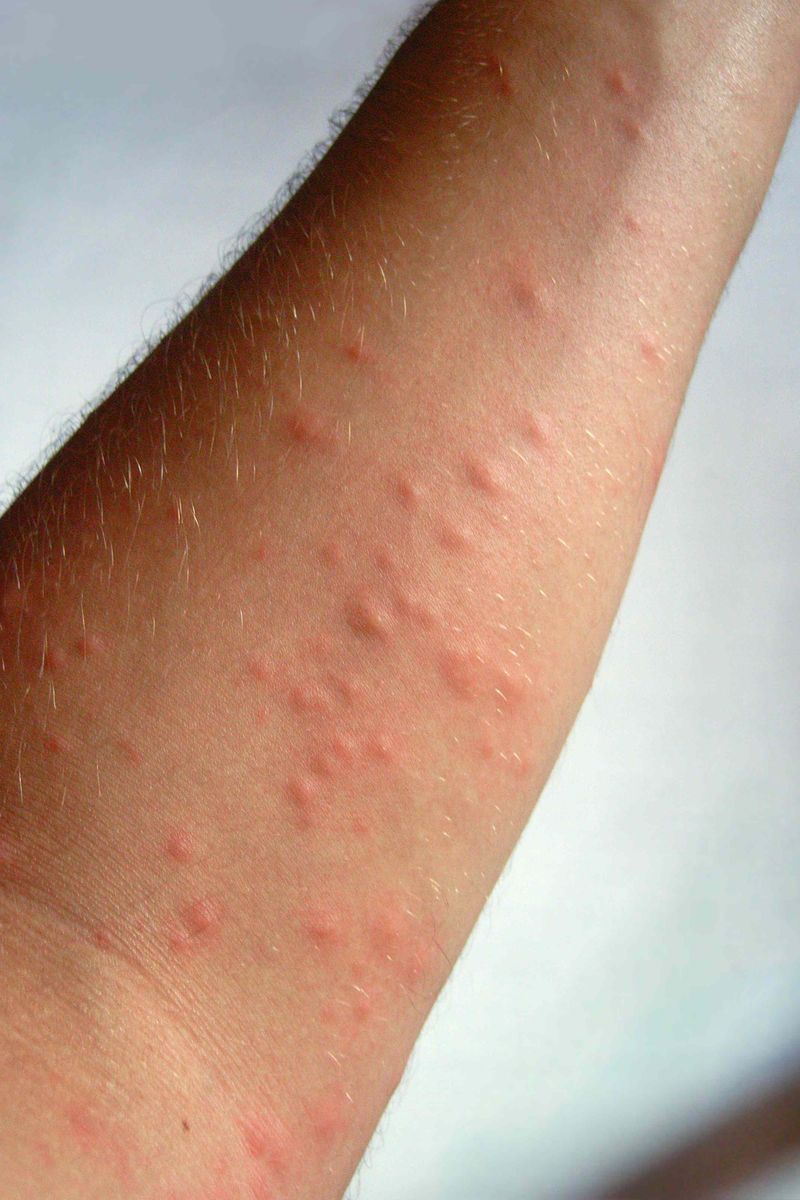
Most stings stay local, but a few situations call for fast action. Call 911 for difficulty breathing, fainting, or swelling of the lips, face, or tongue.
Those are signs of a serious allergic reaction, as Poison Control explains.
Contact a healthcare provider or urgent care for a significant localized allergic reaction, blistering, or irritation in the eye that does not go away. Do not wait it out at home if the skin is getting steadily worse.
If a spine or hair reaches your eye, rinse it with water and seek medical advice. Do not use tape there.
Breathing in caterpillar hairs is another case that should not be handled as routine home care. MedlinePlus advises getting medical care if that happens.
If you are not sure whether your symptoms are serious, Iowa residents can call Poison Control at 1-800-222-1222 for advice about their specific situation. The call is a good move for kids, too, since they may react differently and cannot always describe what happened.
What Iowa records tell us about timing
Yard work is easier to plan when you know what the records say, and what they leave out. The Insects of Iowa account confirms that Io moths occur in the state.
It lists host plants such as willows, maples, and elms.
That account also reports one brood in the north, with adult moths flying from June through August. Adult flight dates do not pin down when the caterpillars are out, so they do not give a firm Iowa caterpillar season.
Fall has not been verified as a peak time here, and the records do not show how often gardeners meet these caterpillars. Late summer is possible, but treat it as a reason to stay alert, not as a forecast.
Simple habits do the most good. Poison Control suggests wearing gloves and a hat while gardening and leaving unfamiliar spiny or hairy caterpillars alone.
If you want to know what you found, snap a photo from a safe distance instead of picking it up. A clear picture can help you or an expert sort it out later without risking another sting.
Remember the basic steps
Keep bare hands off the caterpillar, lift spines with fresh pieces of tape, wash with soap and water, then cool the skin with a wrapped cold pack.
Call 911 for trouble breathing, fainting, or swelling of the lips, face, or tongue. For anything else that worries you, Poison Control at 1-800-222-1222 can give advice for your situation.
A pair of gloves costs far less than an afternoon of itching.
Share this story