Get the latest garden guides in your inbox →
Gardening Latest
  • General Gardening
  • Lawn Care
  • Plant Care
  • Composting
  • Soil Health
  • Backyard
  • Garden Muse Magazine
  • General Gardening
  • Lawn Care
  • Plant Care
  • Composting
  • Soil Health
  • Backyard
  • Garden Muse Magazine
  • News
  • Gardening Calendar
  • Garden Structures
  • Vegetable Garden
  • Vertical Garden
  • Raised Beds
  • Hydroponics
  • General Equipment
  • Community Gardens
Garden Themes
  • Spiritual Garden
  • Hydroseeding
  • Seeding and Laying Sod
  • Artificial Grass
  • Lawn Care Equipment
  • Plants
  • Trees
  • Planting Tools
  • Composting Basics
  • Fertilizer
  • Alternative Growing Mediums
  • Front Yard
  • Backyard Activities
  • Landscaping
Gardening Latest

Explore by state

Which state is your garden in?

Currently viewing Alabama

All states

Northeast

  • Connecticut —
  • Delaware 27
  • Maine —
  • Maryland 13
  • Massachusetts 29
  • New Hampshire —
  • New Jersey 13
  • New York 22
  • Pennsylvania 22
  • Rhode Island —
  • Vermont —

Southeast

  • Alabama 13
  • Arkansas —
  • Florida 13
  • Georgia 13
  • Kentucky 27
  • Louisiana 12
  • Mississippi —
  • North Carolina 11
  • South Carolina 26
  • Tennessee 10
  • Virginia 12
  • West Virginia —

Midwest

  • Illinois 12
  • Indiana 14
  • Iowa 26
  • Kansas —
  • Michigan 13
  • Minnesota 12
  • Missouri 12
  • Nebraska —
  • North Dakota —
  • Ohio 13
  • South Dakota —
  • Wisconsin 28

Southwest

  • Arizona 12
  • Colorado —
  • Nevada —
  • New Mexico —
  • Oklahoma —
  • Texas 11
  • Utah —

West

  • Alaska —
  • California 12
  • Hawaii —
  • Idaho —
  • Montana —
  • Oregon —
  • Washington —
  • Wyoming —

No state matches that search.

Site menu

Gardening Latest
  • General Gardening
    • News
    • Gardening Calendar
    • Garden Structures
    • Vegetable Garden
    • Vertical Garden
    • Raised Beds
    • Hydroponics
    • General Equipment
    • Community Gardens
    Garden Themes
    • Spiritual Garden
  • Lawn Care
    • Hydroseeding
    • Seeding and Laying Sod
    • Artificial Grass
    • Lawn Care Equipment
  • Plant Care
    • Plants
    • Trees
    • Planting Tools
  • Composting
    • Composting Basics
  • Soil Health
    • Fertilizer
    • Alternative Growing Mediums
  • Backyard
    • Front Yard
    • Backyard Activities
    • Landscaping
  • Garden Muse Magazine

Explore

  • About GardeningLatest.com
  • Contact Us

Get the latest from the garden

New guides on lawn care, plants and backyard projects, sent when they go up.

Subscribe →

Follow

  • Facebook
  • X
  • Pinterest
  • YouTube
Alabama Gardening

Fall Brings Alabama’s Venomous Yard Critters Out Into The Open, Right Where You Garden

Cooler mornings in Alabama pull gardeners back outside, but they also stir up some of the state's most dangerous little…

LT

By Loretta Tate

November 24, 2026 · 5 min read

Fall Brings Alabama’s Venomous Yard Critters Out Into The Open, Right Where You Garden
Fall Brings Alabama's Venomous Yard Critters Out Into The Open, Right Where You Garden

Cooler mornings in Alabama pull gardeners back outside, but they also stir up some of the state’s most dangerous little neighbors. Snakes hunt for warm spots before winter, spiders build big webs, and stinging caterpillars munch on the last green leaves.

Knowing who is hiding in your mulch, woodpile, or tomato cage can save you a painful bite or a trip to the ER. Here are ten venomous critters worth watching for this fall, plus simple ways to stay safe while you dig.

At a glance

Where
Alabama Gardening
Hardiness zone
8 10 to 20°F
Read
5 minutes
Published
November 24, 2026

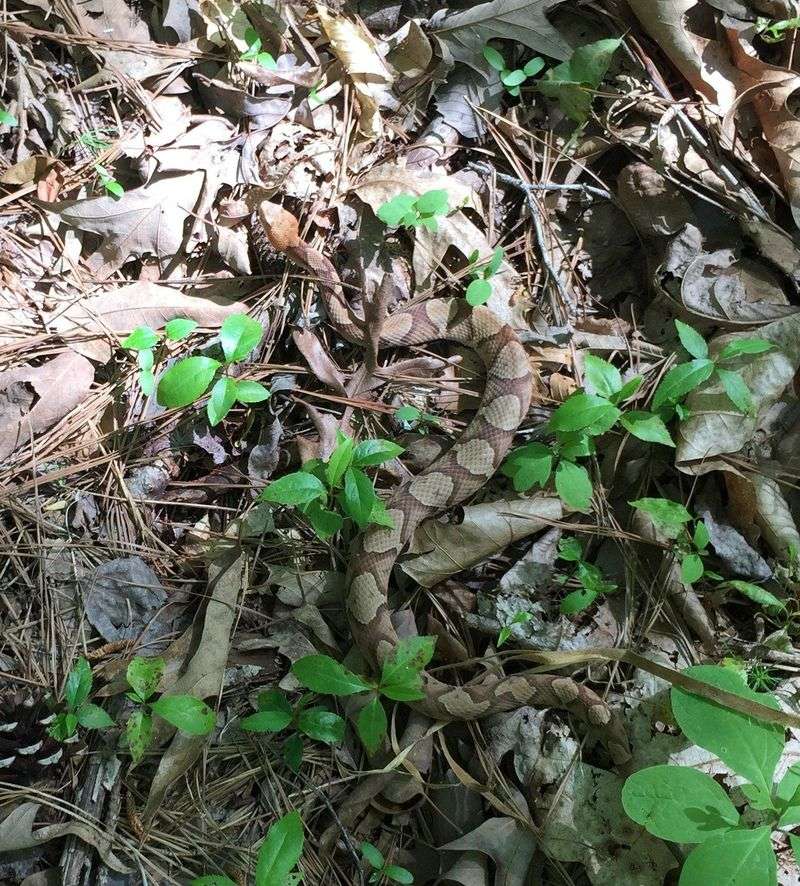
1. Copperhead

Copperhead
© AL.com

Picture raking a pile of brown oak leaves and realizing one of the leaves has eyes. Copperheads blend into fall litter so well that most bites happen when someone steps on or grabs one by accident.

Look for hourglass-shaped bands of copper and tan across a thick body. In September and October, these snakes are busy giving birth to live young and hunting before they head to winter dens, so they move around more than usual.

Wear sturdy gloves and closed shoes when clearing beds. Use a rake or hoe to move debris instead of your bare hands, and keep leaf piles away from doorways and play areas.

2. Timber Rattlesnake
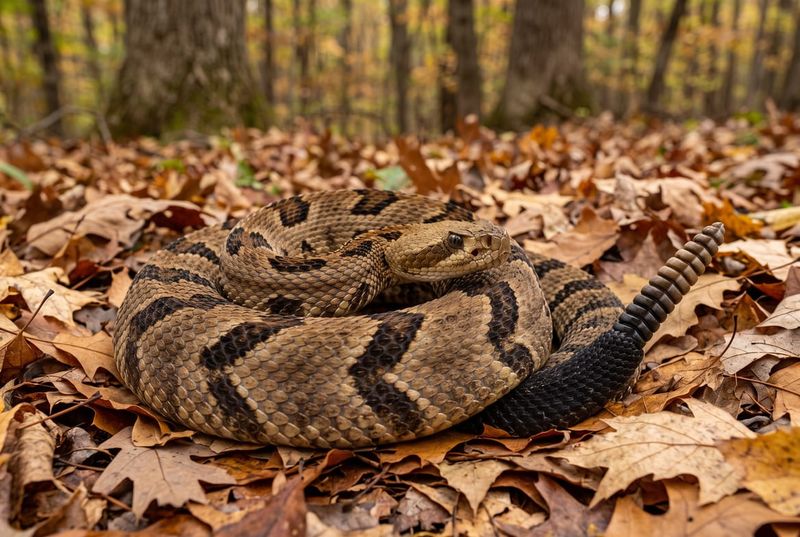
Timber Rattlesnake
© Beastly Facts

Alabama’s canebrake rattlers, as locals often call them, are big, calm, and seriously venomous. Some reach five feet long, and their dark zigzag bands and black tail make them easy to identify once you know the look.

Autumn is migration season for these snakes. They travel back toward rocky dens to spend the winter together, and that trip can lead them right past your vegetable rows or woodpile.

Fun fact: a timber rattler often stays perfectly still and silent instead of rattling. Give any large snake at least six feet of space, and call a wildlife professional if one settles in near your house.

3. Eastern Diamondback Rattlesnake
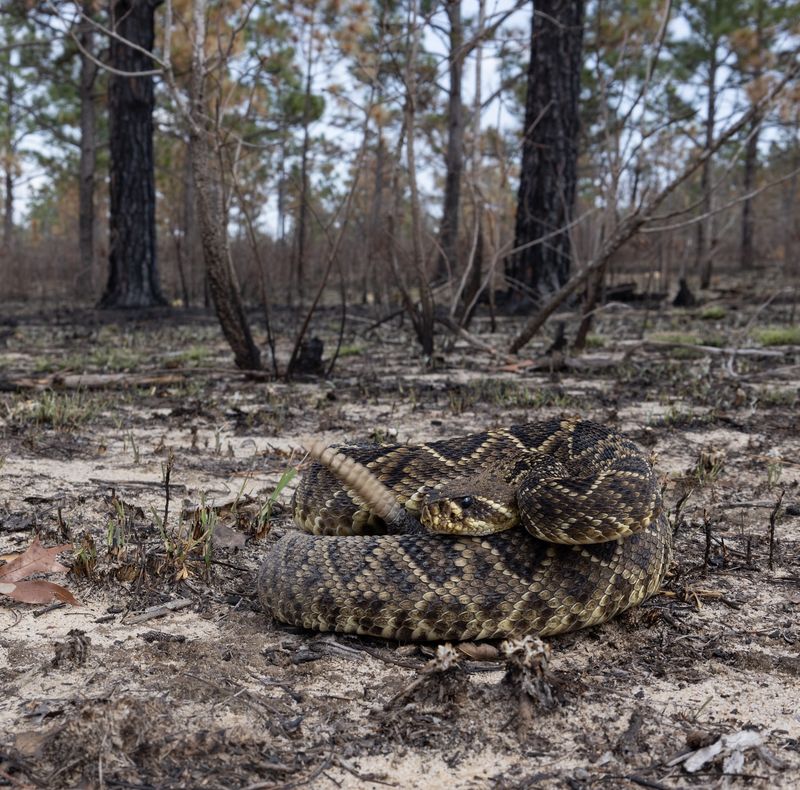
Eastern Diamondback Rattlesnake
© nkfherping

Down in Baldwin and Mobile counties, gardeners share space with the heaviest venomous snake in North America. The eastern diamondback carries bold, cream-edged diamonds down its back and a loud, buzzing rattle.

Fall sunshine draws these snakes into open areas to bask, especially near pine straw, palmettos, and gopher tortoise burrows. A garden border full of pine straw mulch can look like home to them.

Flip over an old clay pot in October and you might find a glossy black spider with a red hourglass on her belly.

Keep grass mowed short around beds so you can see what is on the ground. If you hear that unmistakable buzz, freeze, locate the sound, and back away slowly.

4. Cottonmouth
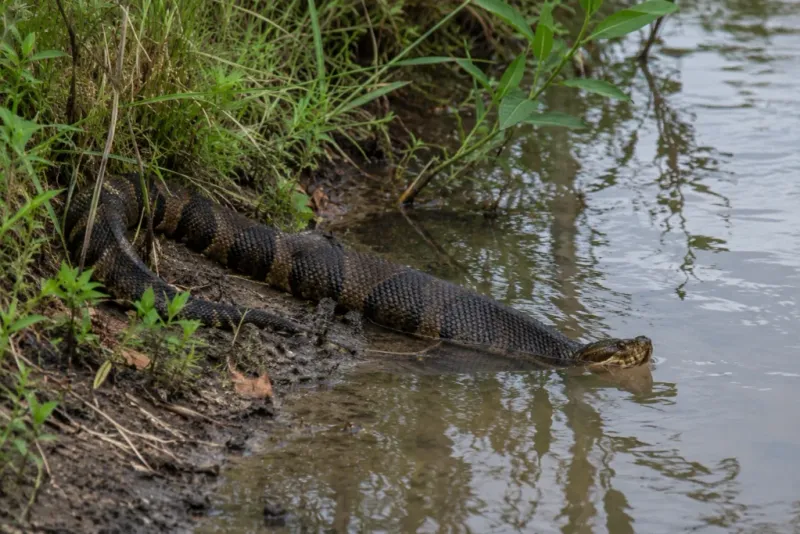
Cottonmouth
© Northwest Exterminating

Own a pond, a rain garden, or a soggy low spot? Then you may have met the cottonmouth, also called the water moccasin.

This thick, dark snake earns its name by gaping its mouth to flash a bright white lining as a warning. As the weather cools, cottonmouths leave the water to look for winter shelter in nearby brush, stumps, and garden edges.

Many harmless water snakes get mistaken for cottonmouths, so don’t try to catch or kill one. Just keep a respectful distance and trim back thick plants near the waterline so nothing surprises you.

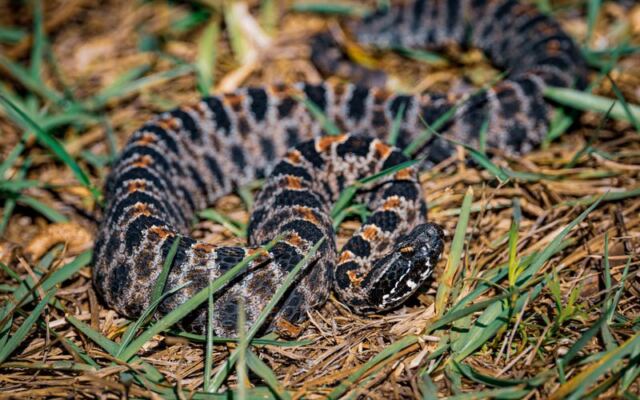
5. Pygmy Rattlesnake
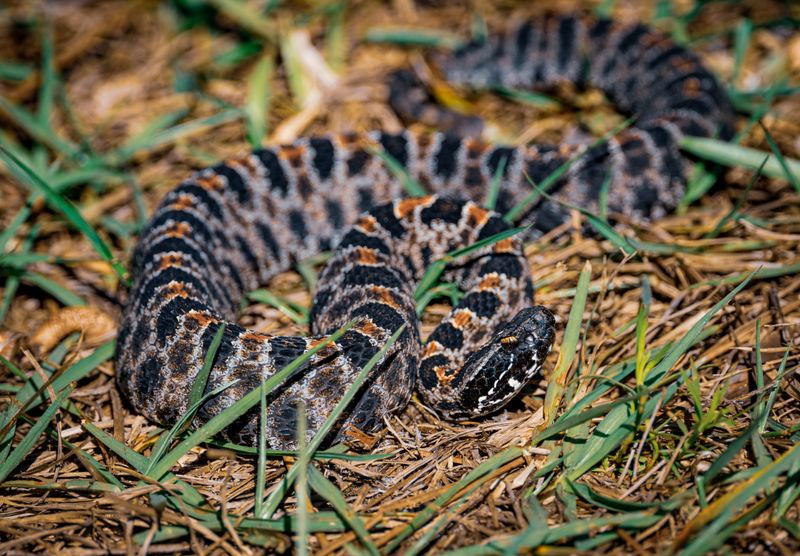
Pygmy Rattlesnake
© wildernesswonderer16

Small but feisty, the pygmy rattlesnake rarely grows longer than two feet. Its tiny rattle sounds more like a buzzing insect than a warning, so many people never hear it at all.

Gray bodies with dark blotches and a rusty stripe help these snakes vanish into pine straw. They love the same mulched flower beds where fall mums and pansies get planted.

A pygmy bite is rarely deadly for adults but hurts a lot and still needs medical care. Small pets and kids are most at risk, so check beds before letting them roam.

6. Eastern Coral Snake
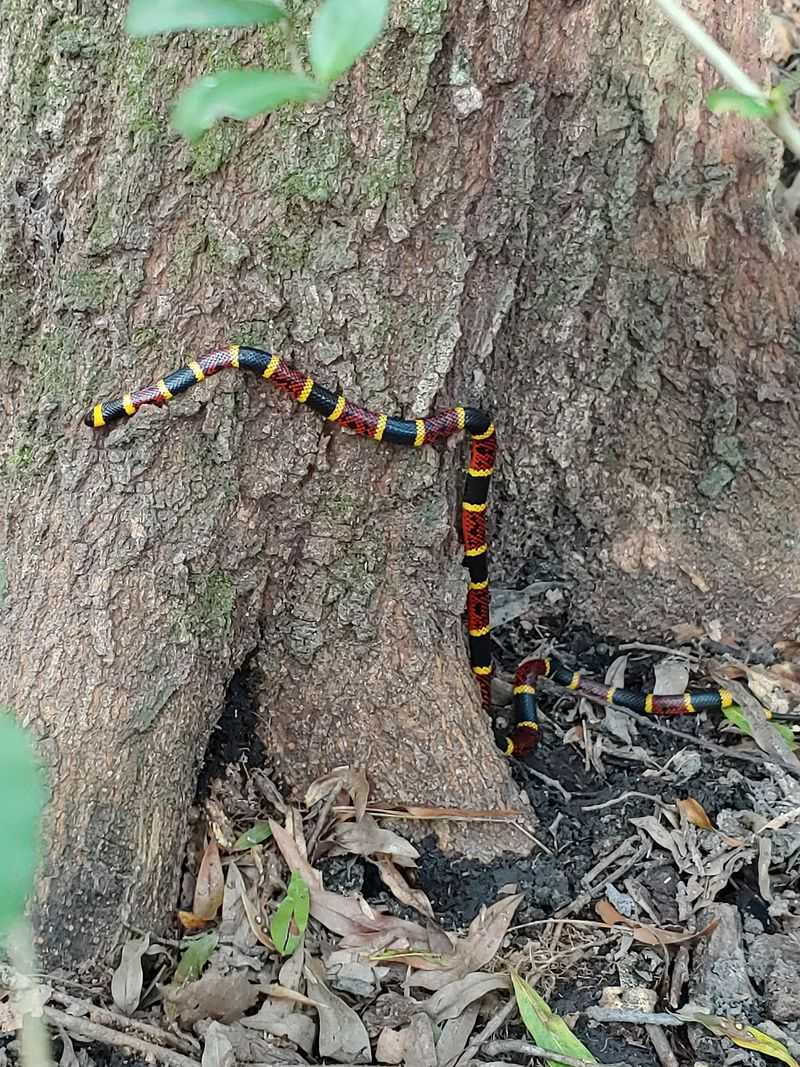
Eastern Coral Snake
© Reddit

“Red touches yellow, kills a fellow.” That old rhyme helps Alabamians tell the eastern coral snake from harmless look-alikes like the scarlet kingsnake.

Coral snakes are shy and spend most of their time hidden under leaves and logs. Gardeners mostly run into them while turning soil or lifting pots in the southern half of the state.

Their venom attacks the nervous system, and symptoms can take hours to show up. Any bite means heading to the hospital right away, even if you feel fine.

7. Black Widow Spider
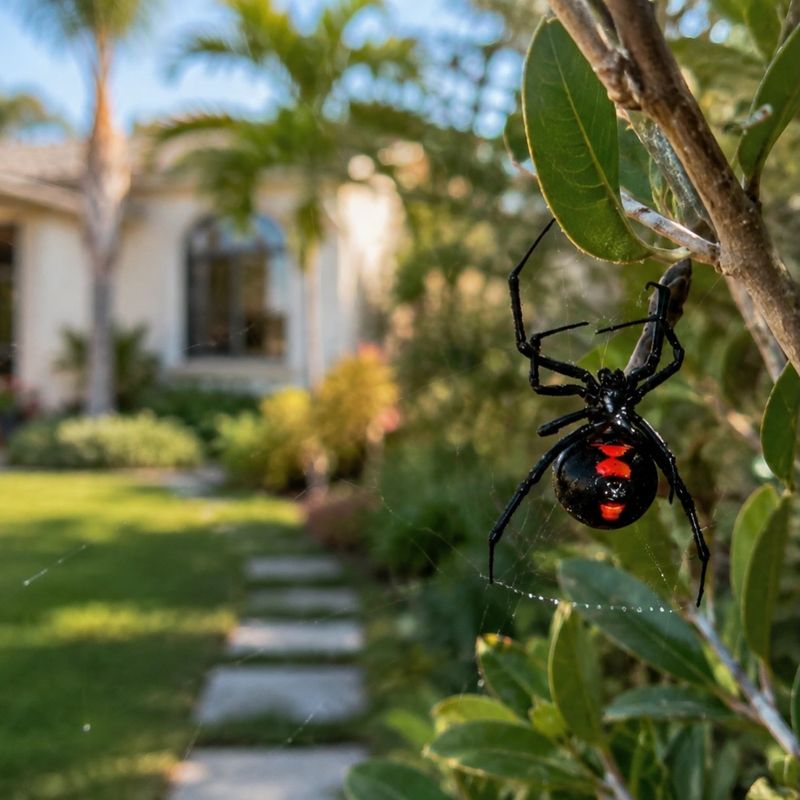
Black Widow Spider
© neighborspestsolutions

Flip over an old clay pot in October and you might find a glossy black spider with a red hourglass on her belly. Female black widows love dark, quiet spots like stacked pots, garden gloves, and watering can handles.

Their webs look tangled and messy rather than neat and round. Fall is when many of them hunker down in sheds and garages as nights get chilly.

Shake out gloves and boots before putting them on. A bite can cause strong muscle cramps, so get medical help if symptoms spread.

8. Brown Recluse Spider
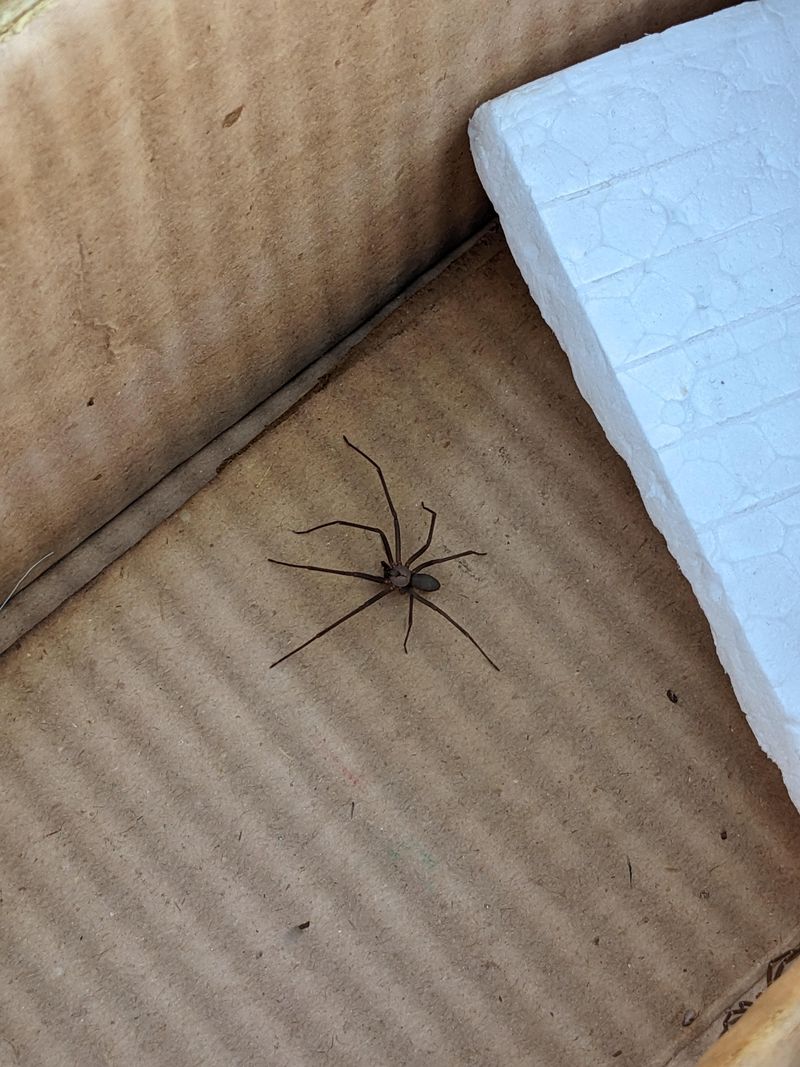
Brown Recluse Spider
© Reddit

Nobody wants a roommate who hides in cardboard boxes, yet that is exactly how the brown recluse lives. These tan spiders carry a dark violin shape on their backs and prefer clutter that rarely gets touched.

When gardeners pull out storage bins of fall decorations or bulbs, recluses sometimes come along for the ride. Most bites happen when a spider gets pressed against skin inside clothing or bedding.

Store garden supplies in sealed plastic tubs instead of cardboard. Sticky traps along garage walls can show you whether recluses are living nearby.

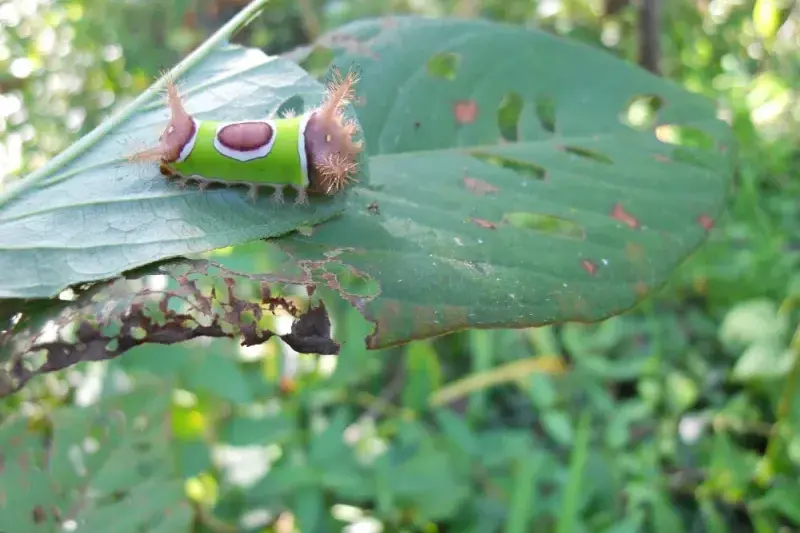
9. Saddleback Caterpillar
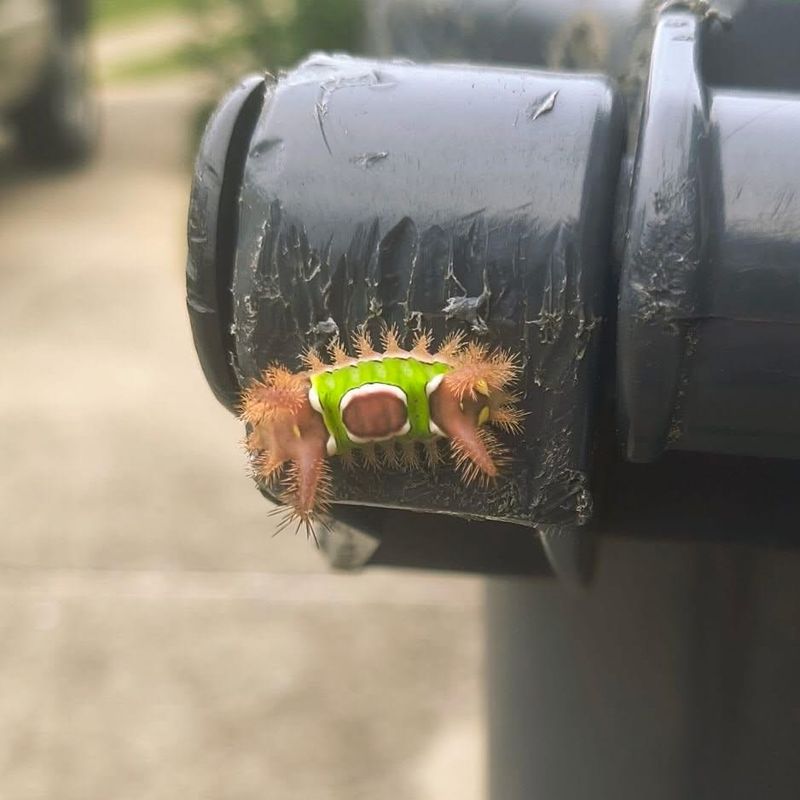
Saddleback Caterpillar
© spannwx

It looks like a tiny cartoon creature wearing a green saddle blanket. Cute, right?

Not so fast.

The saddleback caterpillar is covered in hollow spines loaded with venom. Brushing against one while pulling weeds or harvesting late corn can leave a burning welt that aches for hours.

Look under leaves of ornamental shrubs, corn, and fruit trees in late summer and fall. If you get stung, press clear tape on the spot to pull out spines, then wash and ice the area.

10. Puss Caterpillar
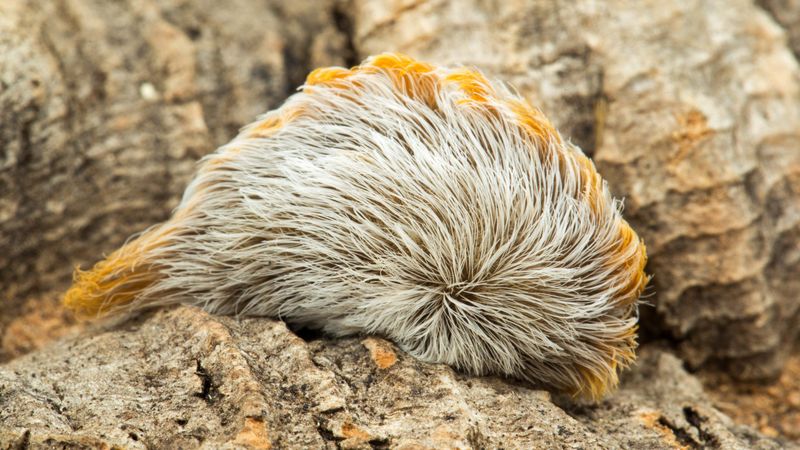
Puss Caterpillar
© UA News Center – The University of Alabama

Kids love to pet anything fuzzy, and the puss caterpillar takes full advantage. It looks like a soft little tuft of cat hair crawling across an oak leaf.

Hidden under that fluff are venomous spines that pack one of the worst stings of any caterpillar in the United States. Victims describe throbbing pain, swelling, and sometimes nausea, and Alabama sees outbreaks in fall.

Teach children a simple rule: no touching fuzzy caterpillars. Check oak and elm leaves, fences, and patio furniture, since these crawlers wander when they look for places to spin cocoons.

Share this story
LT

Written by

Loretta Tate

More from Loretta Tate →

About Gardening Latest

Gardening Latest provides in-depth guides to maintaining and enhancing your garden and backyard. Learn how to make the most of the space you have and create a beautiful garden.

More about us →

Latest stories

  • Wisconsin GardeningFall Cleanup Left You With an Io Moth Caterpillar Sting in Wisconsin? Here’s What Helps Right Away

    Fall Cleanup Left You With an Io Moth Caterpillar Sting in Wisconsin? Here’s What Helps Right Away

    9 min ago
  • Missouri GardeningMissouri Yuccas Send Up Those Giant Flower Stalks for a Reason, So Should You Cut Them Off?

    Missouri Yuccas Send Up Those Giant Flower Stalks for a Reason, So Should You Cut Them Off?

    15 min ago
  • Tennessee GardeningTennessee Law Lets You Trim a Neighbor’s Overhanging Branches, as Long as You Stop at the Property Line

    Tennessee Law Lets You Trim a Neighbor’s Overhanging Branches, as Long as You Stop at the Property Line

    21 min ago
  • Minnesota GardeningThe Venomous Rattlesnake Minnesota Still Protects Even Though Almost Nobody Has Seen One in Years

    The Venomous Rattlesnake Minnesota Still Protects Even Though Almost Nobody Has Seen One in Years

    33 min ago
  • Illinois GardeningThe Red Fox in Your Illinois Yard This Winter Isn’t Just Passing Through

    The Red Fox in Your Illinois Yard This Winter Isn’t Just Passing Through

    39 min ago

Gardening by state

Stories for your state, and the hardiness zone most of it gardens in.

Keep exploring

Read next

All Alabama Gardening →
Alabama GardeningGrabbed a Saddleback Caterpillar While Pulling Weeds in Alabama? Here’s How to Ease That Sting Fast
Alabama Gardening

Grabbed a Saddleback Caterpillar While Pulling Weeds in Alabama? Here’s How to Ease That Sting Fast

3 hr ago
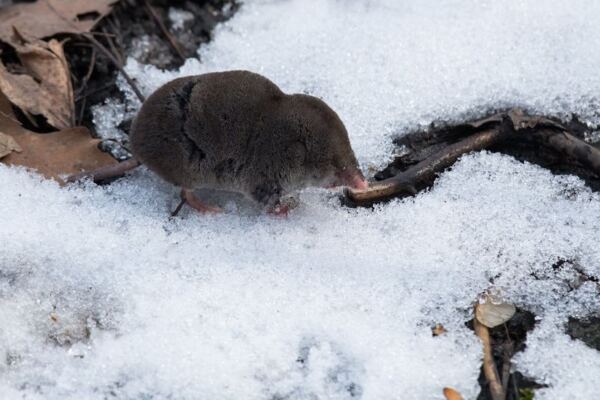
Alabama GardeningAlabama’s Southern Short-Tailed Shrew: A Tiny, Seldom-Seen Mammal With Possibly Venomous Saliva
Alabama Gardening

Alabama’s Southern Short-Tailed Shrew: A Tiny, Seldom-Seen Mammal With Possibly Venomous Saliva

18 hr ago
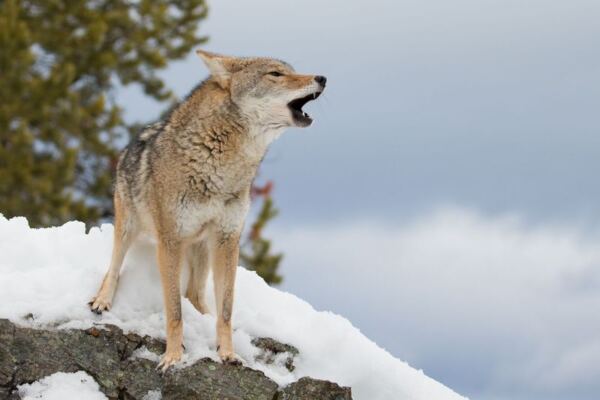
Alabama GardeningCoyotes Yipping and Howling Around Your Alabama Home at Night Are Telling You Something
Alabama Gardening

Coyotes Yipping and Howling Around Your Alabama Home at Night Are Telling You Something

20 hr ago

More from Alabama Gardening

  • Wild Mushrooms Popping Up After Alabama Rains, And How To Tell The Deadly Ones Apart

    Nov 22
  • Spotted A Huge Dark Moth Resting By Your Alabama Front Door? Here’s The Story

    Nov 22
Back to top

Leave a response Cancel

Your email address stays private. Required fields are marked with an asterisk.

Gardening Latest

In-depth guides to maintaining and enhancing your garden and backyard: how to make the most of the space you have, and how to make it beautiful.

  • Facebook
  • X
  • Pinterest
  • YouTube

We may earn a portion of sales from products or services that are purchased through our site as part of our affiliate partnerships with retailers.

Explore

  • About GardeningLatest.com
  • Contact Us
  • Terms and Conditions
  • Privacy
  • Editorial Note:
  • FTC Disclosure

Newsletter

New garden guides and seasonal tips, straight to your inbox.

We’ll email you a link to confirm. Unsubscribe any time.

Almost there! Check your inbox and tap the link to confirm.

© 2026 Gardening Latest. All rights reserved.

Back to top