Mountain laurel, the shrub Pennsylvania chose as its state flower, is poisonous to dogs that eat it. The plant is likely the one this headline points to, and its toxins can affect a dog’s stomach, nerves, muscles, and heart.
Signs can take hours to show up, so a dog that seems fine is not always in the clear. Here is what dog owners should know, and what to do if a chewing session happens.
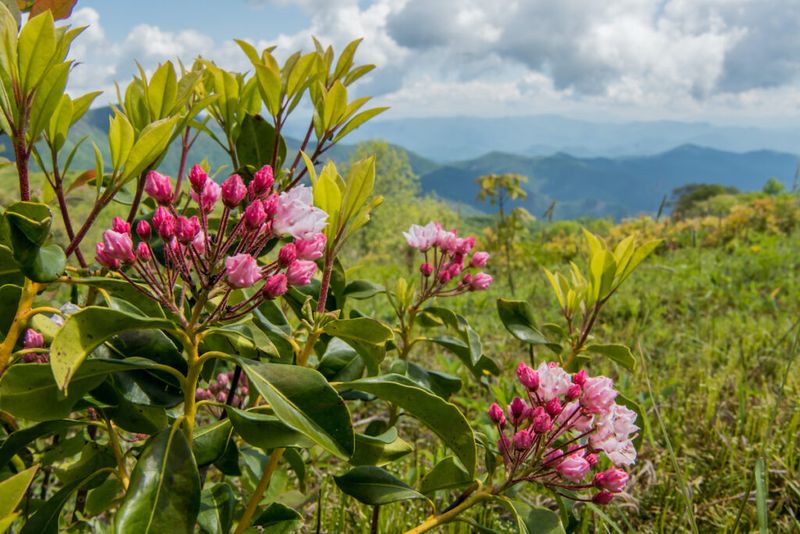
Mountain laurel is Pennsylvania’s state flower

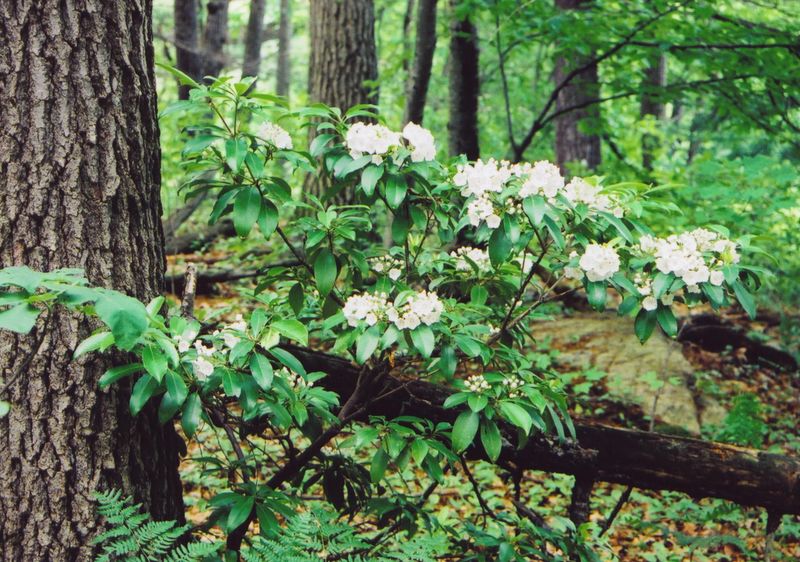
The headline never names the plant, but the most likely candidate is mountain laurel, known to botanists as Kalmia latifolia. It is a good fit because it is a well-known shrub in Pennsylvania and is toxic to dogs.
Still, this is an educated match and not a confirmed identification, so owners should check what is actually growing in their own yard.
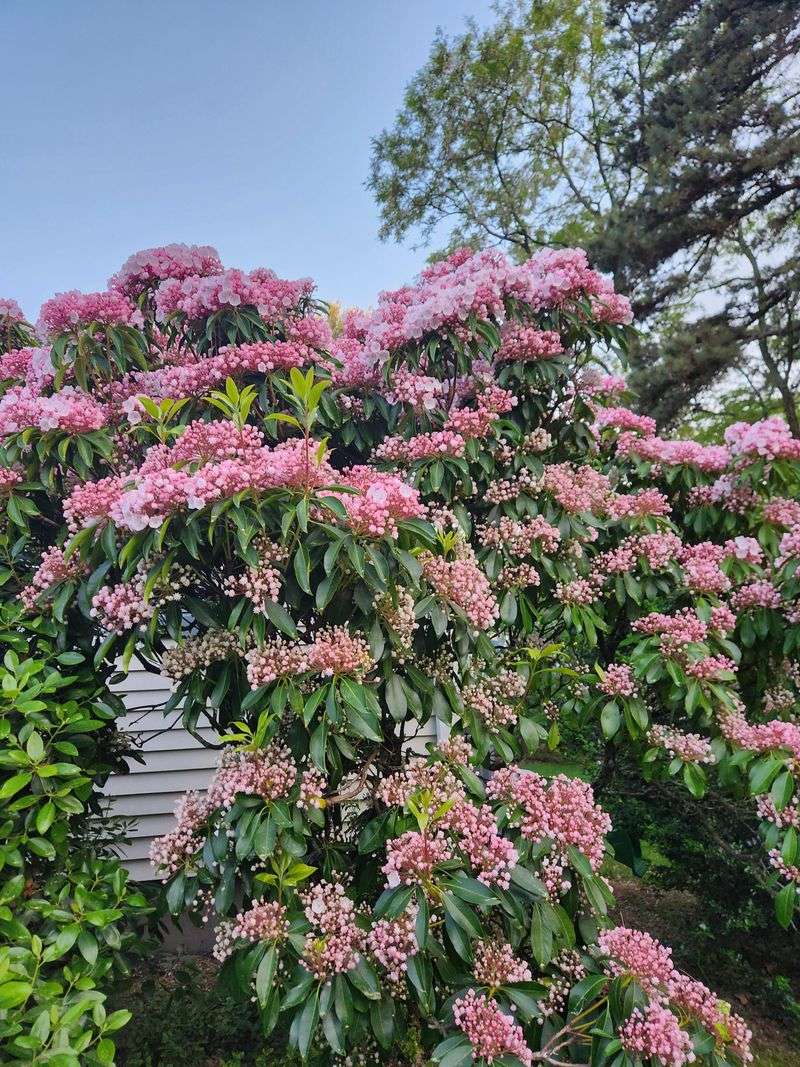
Pennsylvania made mountain laurel its official state flower in 1933, according to the state act that adopted it. That history helps explain why so many people in the state recognize the shrub by name and by its clusters of pink and white blooms.
Penn State Extension describes mountain laurel as familiar in Pennsylvania and cultivated as an ornamental. In other words, it grows in the wild and it is also planted on purpose in landscaping.
That is a different claim from saying it fills most home gardens, and the sources do not measure how often it turns up in residential yards.
Why does this matter for dog owners? A plant that is celebrated, photographed, and planted for its looks can easily be seen as harmless.
A pretty shrub with a place in state history is not automatically safe to chew, and the sections below explain what makes this one a concern.
If you have a shrub on your property or along a favorite walking trail that you think might be mountain laurel, treat it with the same care you would give any plant that can harm a pet when eaten.
Eating mountain laurel can harm dogs
The documented danger here comes from eating the plant. Nothing in the sources suggests that a dog is poisoned just by walking past a shrub or lying in its shade.
The concern starts when a dog chews or swallows plant material.
The ASPCA lists mountain laurel, Kalmia latifolia, as toxic to dogs and names grayanotoxins as the toxic principle. These are natural compounds made by the plant itself, and they are the reason the shrub is on pet poison lists.
According to the Merck Veterinary Manual, grayanotoxins can affect nerve, muscle, and heart function. That is a broad list, which is why a dog that has eaten the plant may show very different signs from another dog.
Merck considers every part of the plant toxic. Nectar, flowers, leaves, and stems are of particular concern, so there is no part of the shrub that owners can safely treat as a harmless chew.
Dogs often explore with their mouths, especially puppies and dogs that like to nibble on greenery. If your dog tends to chew on plants, it is worth knowing which shrubs are in the yard and keeping an eye on where your dog spends time.
Signs may take hours to appear

A dog that nibbled a leaf at lunchtime may look perfectly normal at dinner. That quiet stretch can be misleading, because the effects of this plant do not always show up right away.
Merck reports that signs commonly begin within 1 to 4 hours after ingestion, but they can take up to 12 hours to appear. Owners who are watching and waiting should know that the window is long.
Possible effects fall into a few groups. Stomach and intestinal signs, such as drooling, vomiting, and diarrhea, may come first.
Nervous-system signs can include weakness, wobbliness, or depression, and the heart may be affected as well, including changes in heart rate.
Not every dog will have every sign, and severity can vary from one animal to the next. One dog might have only an upset stomach, while another may show multiple problems.
You cannot predict which path your dog will take from the first few hours.
This is why a dog that seems well is still worth a phone call if it may have eaten mountain laurel. Waiting for symptoms before seeking advice can cost valuable time, since a veterinary professional can tell you what to watch for and whether your dog should be seen.
One dog’s case shows how serious illness can be
Published veterinary reports give a closer look at what ingestion can mean for one animal. A case titled Mountain laurel toxicosis in a dog describes a dog that became ill after eating the plant.
According to the report, the dog had vomiting and bloody stool. It also developed a slow heart rate, weakness, and incoordination, meaning trouble moving in a steady, balanced way.
Those signs touch several body systems at once, which matches what the grayanotoxins are known to do. The stomach, the nervous system, the muscles, and the heart can all be involved.
The dog recovered with treatment. That outcome is encouraging, but it came with veterinary care, and it should not be read as a promise that every dog will recover or that treatment is optional.
It also helps to keep the case in proportion. It documents one dog’s experience, not what is typical, and other dogs may have milder or more severe illness.
Think of it as a real-world example of what can go wrong, and a reason to take a suspected ingestion seriously without assuming the worst.
A small taste does not establish safety
It is natural to wonder how much is too much. The honest answer is that no one can give owners a safe number of leaves or petals, and a dog’s size, health, and the part of the plant eaten all matter.
Merck notes that in small animals, a few leaves or petals generally cause gastrointestinal effects or central-nervous-system depression. It also advises monitoring through the day for possible cardiac abnormalities.
So even a modest amount can call for close attention, and the heart is one reason why.
Larger amounts can be more serious. That does not mean a small nibble is harmless, and it does not mean any nibble is certain to be fatal.
Outcomes cover a range, and the amount eaten is only one piece of the picture.
For that reason, a leaf count should not be the thing that decides whether you call for advice. Counting torn leaves on the ground is guesswork, since you rarely know how much was swallowed, how much was dropped, or how much was chewed.
A better rule is simple. If your dog may have eaten any part of the plant, make the call and let a professional weigh the details, such as your dog’s weight and the time of the incident.
Call for professional advice before trying home treatment

When you suspect ingestion, act quickly and calmly. Contact your veterinarian or an animal poison-control service right away, even if your dog seems fine.
Symptoms can be delayed, so feeling reassured by a normal-looking dog is not a reason to hold off.
Have key details ready before you call. Be prepared to share the suspected plant, your best estimate of how much was eaten and when, and your dog’s weight.
If you can safely collect a sample of the plant or take a clear photo, that can help the person on the line.
Do not induce vomiting or give a home remedy unless a veterinary professional tells you to. Cornell’s first-aid guidance notes that inducing vomiting is not always appropriate and should be discussed with a veterinarian or poison-control professional first.
Cornell lists two hotlines. ASPCA Animal Poison Control can be reached at 888-426-4435, and Pet Poison Helpline at 855-764-7661.
Fees may apply for these services, so it is useful to know that before you dial.
The ASPCA also offers a page on what to do if your pet is poisoned, which is worth reading ahead of time. Saving these numbers in your phone now means you will not have to search for them during a stressful moment.
“Laurel” alone does not identify the plant
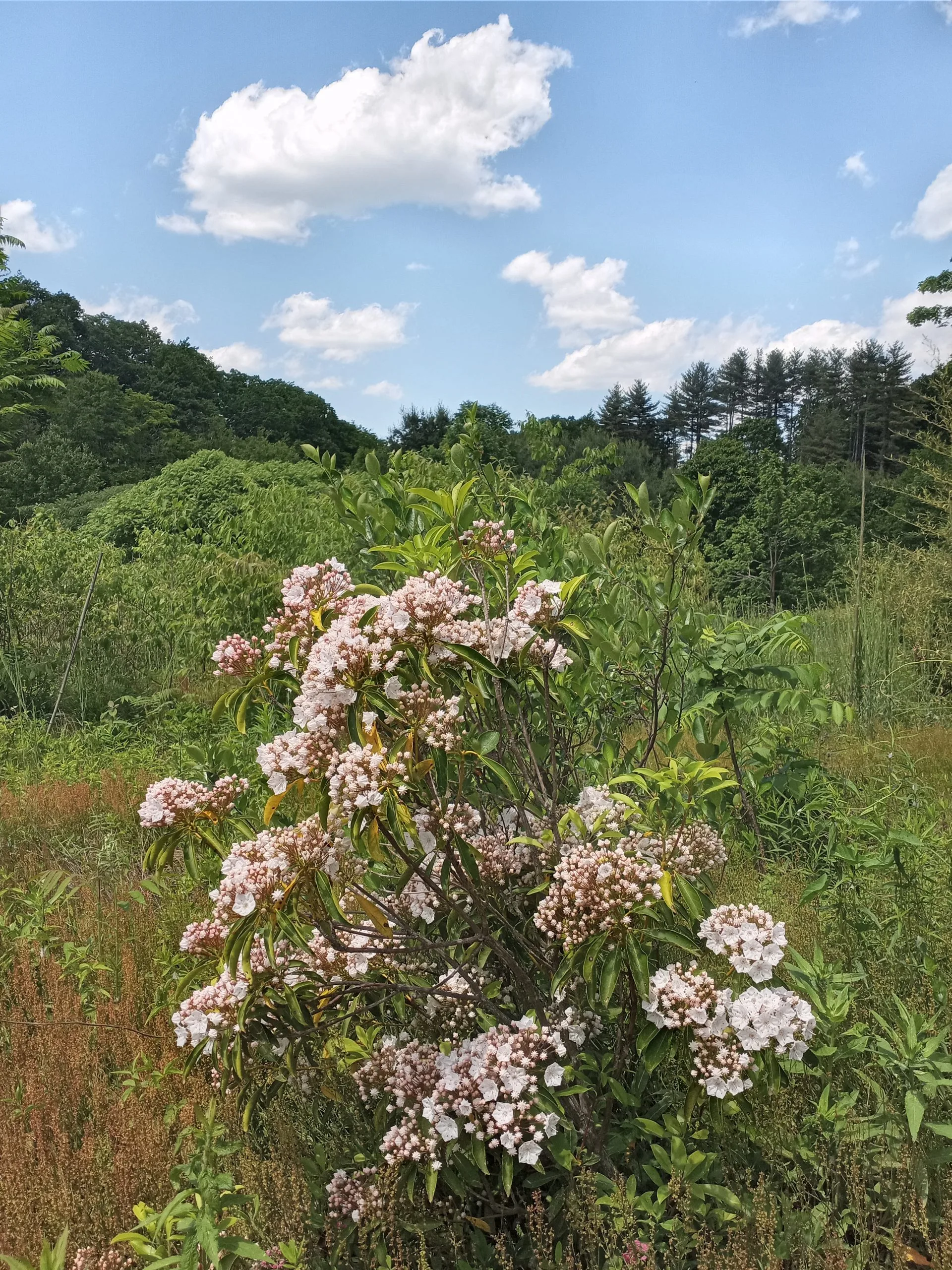
The word laurel shows up on a lot of plant labels, and it does not point to one single species. That is why precision matters when you are checking a plant against a pet safety list.
The ASPCA entry specifically identifies mountain laurel as Kalmia latifolia. Its toxicity applies to that plant, so readers should not assume that every plant with laurel in its common name carries the same risk.
If you are unsure what is growing in your yard, check the scientific name on the plant tag or ask the nursery where it was bought. Local extension offices can also help with identification, and a professional can tell you more than a guess based on a common name.
That same precision helps during an emergency. Telling a veterinarian or poison-control specialist that your dog may have eaten mountain laurel, Kalmia latifolia, gives them something solid to work with.
A name on a label is a small detail, but it can shape the advice you receive.
Share this story