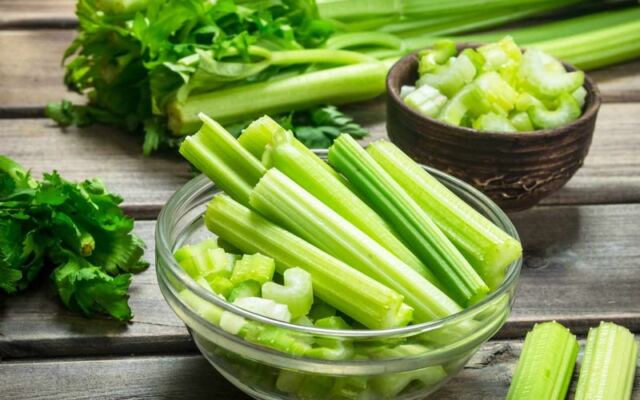
Celery is crunchy, cheap, and easy to grab as a snack. Online posts claim that a stalk a day can change your body in big ways.
Is that true, or is it just a good story? Here is what research actually tested, and what it did not.
Does eating celery every day cause noticeable changes?
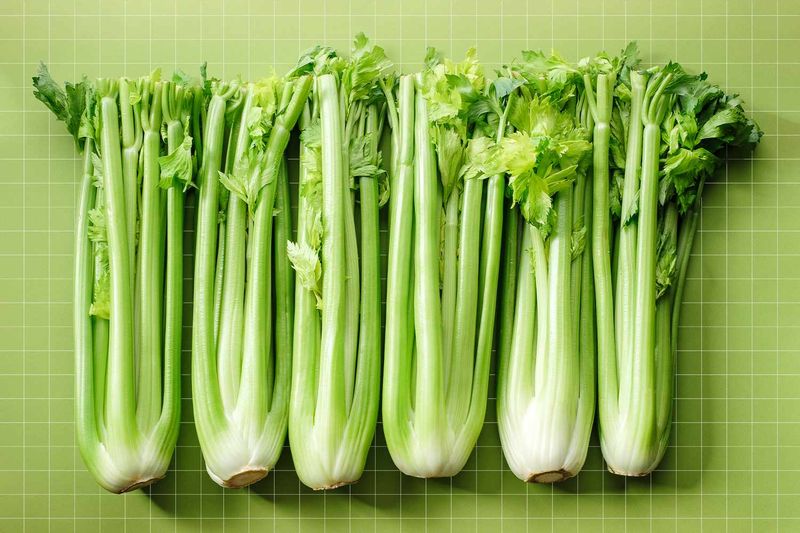
Short answer: nobody has shown that eating ordinary celery stalks every day brings a predictable change in your body. That is true for people in Ohio and for people anywhere else.
No special Ohio effect has been found.
That does not make celery a bad choice. Vegetables are a normal part of a healthy eating pattern, and celery is one easy way to get more of them.
The real gap is between “a good food to eat” and “a proven cause of a health result.” Those are two different claims.
The idea that daily celery transforms your body seems to come from studies that used celery in other forms. A 2025 meta-analysis of celery studies found possible benefits in some outcomes, but the studies were small overall and differed a lot from one another.
They did not test a person munching stalks with lunch.
Think of it like reading a study on concentrated fruit extract and then assuming a single apple does the same thing. The leap is too big.
Celery stalks can have a place on your plate, but the research does not promise a visible or measurable change from them.
The next sections walk through what the studies tested, why that matters, and how to enjoy celery safely without expecting miracles.
What the celery studies actually tested
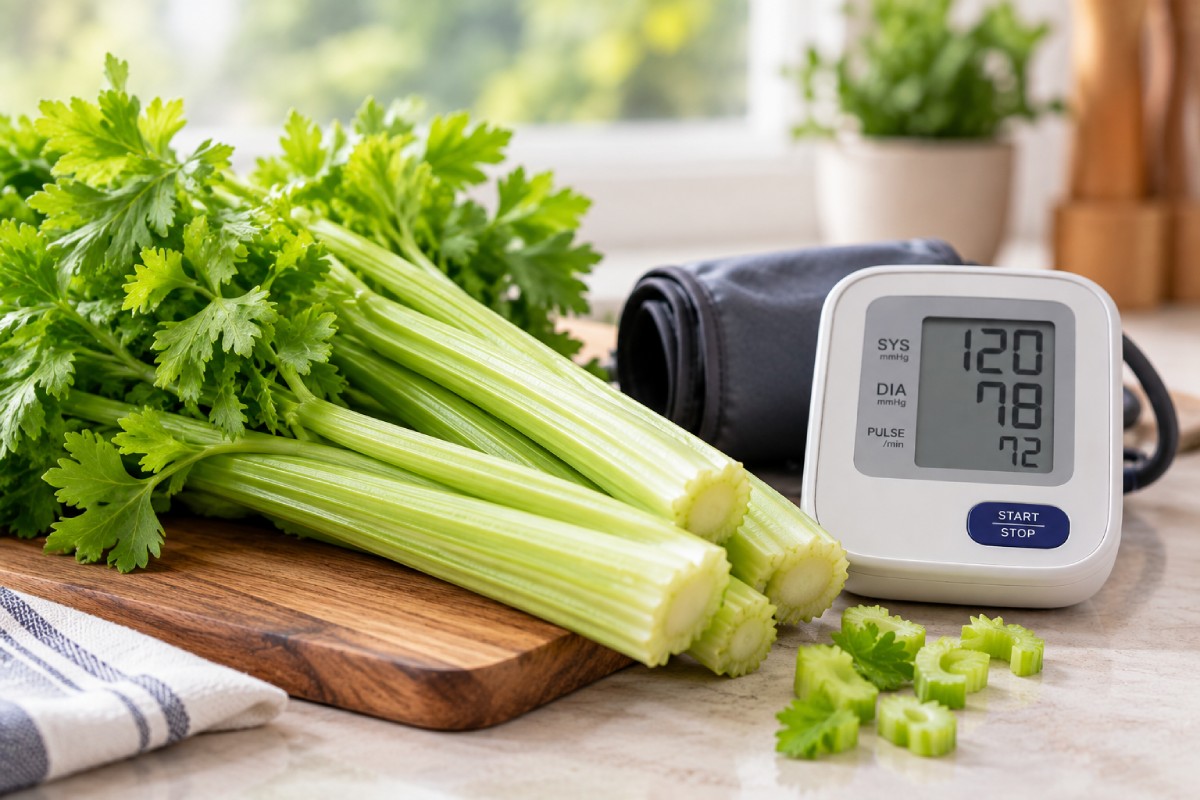
Researchers pooled the results of 10 randomized studies with 511 participants in a full-text 2025 systematic review and meta-analysis. A meta-analysis combines several studies to look for a pattern.
It sounds powerful, and sometimes it is.
The catch is what went into the pile. The studies used different celery preparations, different doses, different plant parts, and different lengths of time.
Some used seed products rather than stalks. Mixing them together is like averaging results from a cup of tea, a capsule, and an oil.
The review did report changes in some outcomes, including blood pressure. That is interesting.
But it also found substantial heterogeneity, which simply means the studies disagreed with one another and varied a great deal in how they were built.
Because of that, the authors called for larger, longer studies. A pattern that shows up unevenly in small trials is a reason to keep looking, not a reason to make promises.
So what does this mean for your snack tray? A result from celery preparations cannot be copied over to a daily handful of stalks.
Nobody in these studies was simply eating celery sticks, so the same effects cannot be assumed.
The seed trial does not settle the stalk question
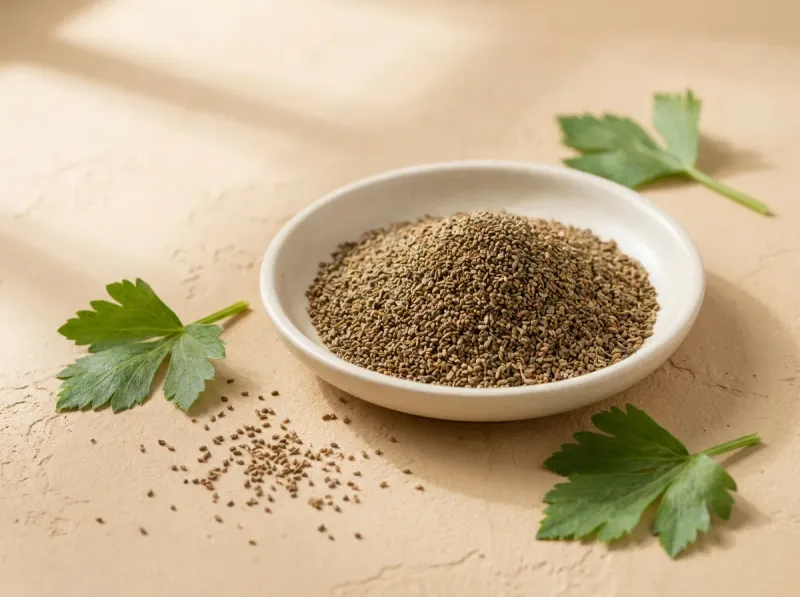
A newer example shows why the form of celery matters. A 2026 randomized trial gave celery seed to 28 people with metabolic syndrome for 12 weeks.
That is a small group, and a seed preparation, not a routine snack of stalks.
The trial reported changes in blood pressure and some other measures. Those results are worth noting, but they belong to that group of people, that product, and that time frame.
They are not a promise for everyone.
The trial also looked at insulin. It found no significant change in insulin sensitivity or insulin secretion.
So even in a study that made headlines, not every marker moved.
Here is a practical way to read a study like this. Ask what exactly was given, to whom, for how long, and how many people were involved.
Here the answers were celery seed, adults with metabolic syndrome, 12 weeks, and 28 people.
Those answers do not match a healthy adult crunching on stalks with hummus. Without a trial of whole celery, the question of what daily stalks do stays open.
Celery can still fit into a varied diet
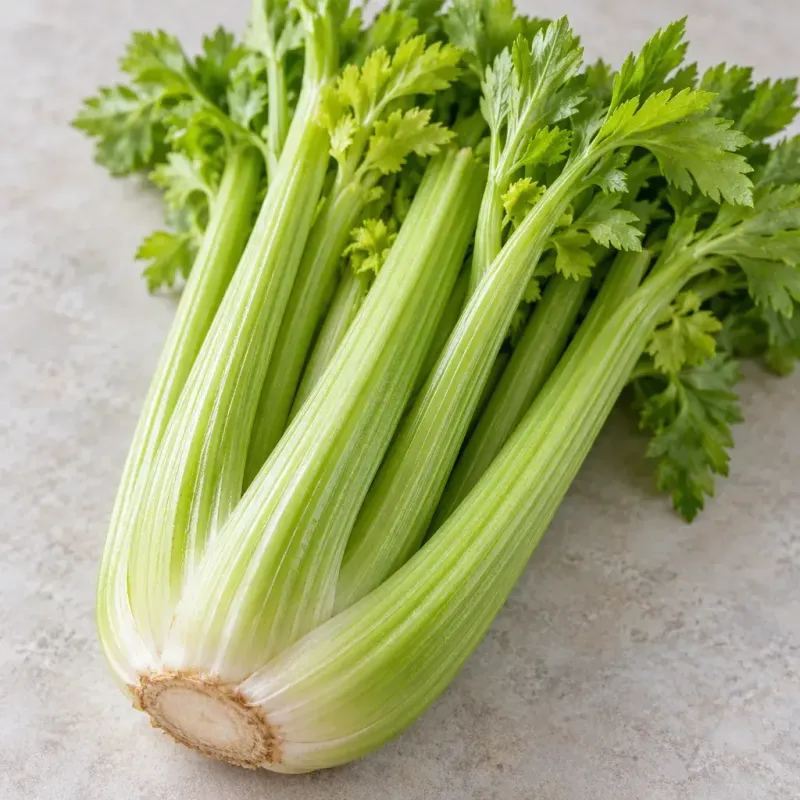
Take the big health claims off the table and celery still has a simple job. It is a crisp vegetable that can make a snack or a meal feel fuller and fresher.
Adding vegetables of many kinds is a sound habit, and celery is one handy option.
What celery brings to your day depends on how much you eat and what else is on your plate. A few stalks next to a balanced lunch is a different story than celery standing in for meals.
The food as a whole matters more than one ingredient.
For nutrition facts, the best place to look is USDA FoodData Central, which lists raw celery and other vegetables. You can compare foods there instead of relying on social media posts.
There is no celery-specific serving target to chase. No study has set one, so skip anyone who gives you a magic number.
Some easy ways to mix it in: slice it into soups, toss it into salads, or pair stalks with a dip you enjoy. Rotating celery with other vegetables keeps meals interesting and your diet more varied.
Detox claims go beyond the evidence
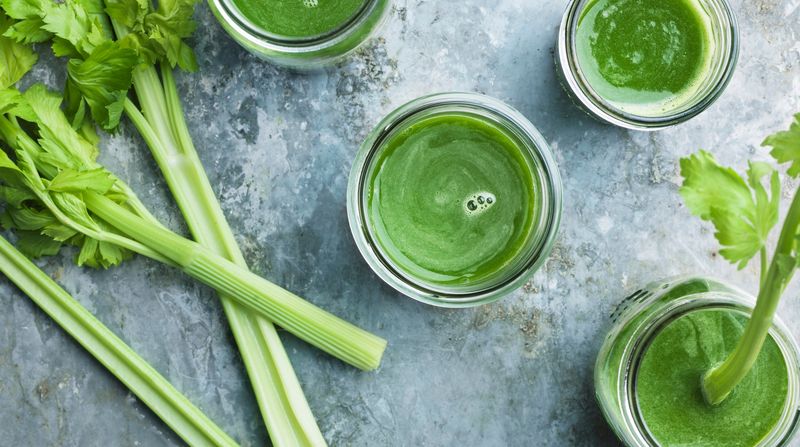
Few food claims spread faster than the idea that celery or celery juice cleanses your body. The pitch usually says it flushes out toxins and melts away weight.
It sounds tidy, but it is not backed up.
The National Center for Complementary and Integrative Health explains that evidence for detox diets is limited and low quality. There is no compelling research showing that they remove toxins from the body or deliver reliable weight management.
Your body already has a system for processing waste, and no single vegetable or juice is proven to speed it up. Celery juice is not a cure for disease either, and it is not a replacement for any treatment a clinician has prescribed.
That does not mean celery is harmful. A glass of celery juice or a plate of stalks is just food.
The problem is the extra promise attached to it.
A handy test: if a claim says one food will cleanse you, cure you, or guarantee weight loss, treat it with doubt. Ask for the study, check who ran it, and see whether it used the same food in the same form.
Practical washing and safety guidance

Start with the sink. Fresh celery should be rinsed under running water before you eat or prepare it, as shown in USDA produce-washing guidance.
Skip soap and detergent, which the FDA Food Code advises against for produce.
Next, a point for people on blood thinners. Those taking warfarin should keep their vitamin K intake steady, because sudden swings from food or supplements can change how the medicine works, according to the NIH Office of Dietary Supplements.
The advice is consistency, not avoiding vegetables. Talk with your own care team about what that means for you.
Finally, think about allergies. Celery can cause a food allergy, and the NHS food allergy guidance notes that some people with pollen-food allergy syndrome get an itchy mouth or throat after eating raw vegetables.
That does not mean everyone with pollen allergies must avoid celery. If raw celery bothers your mouth, pay attention and ask a clinician about it.
Anyone with a known celery allergy should avoid it and follow their clinician’s advice.
The realistic takeaway for Ohio readers
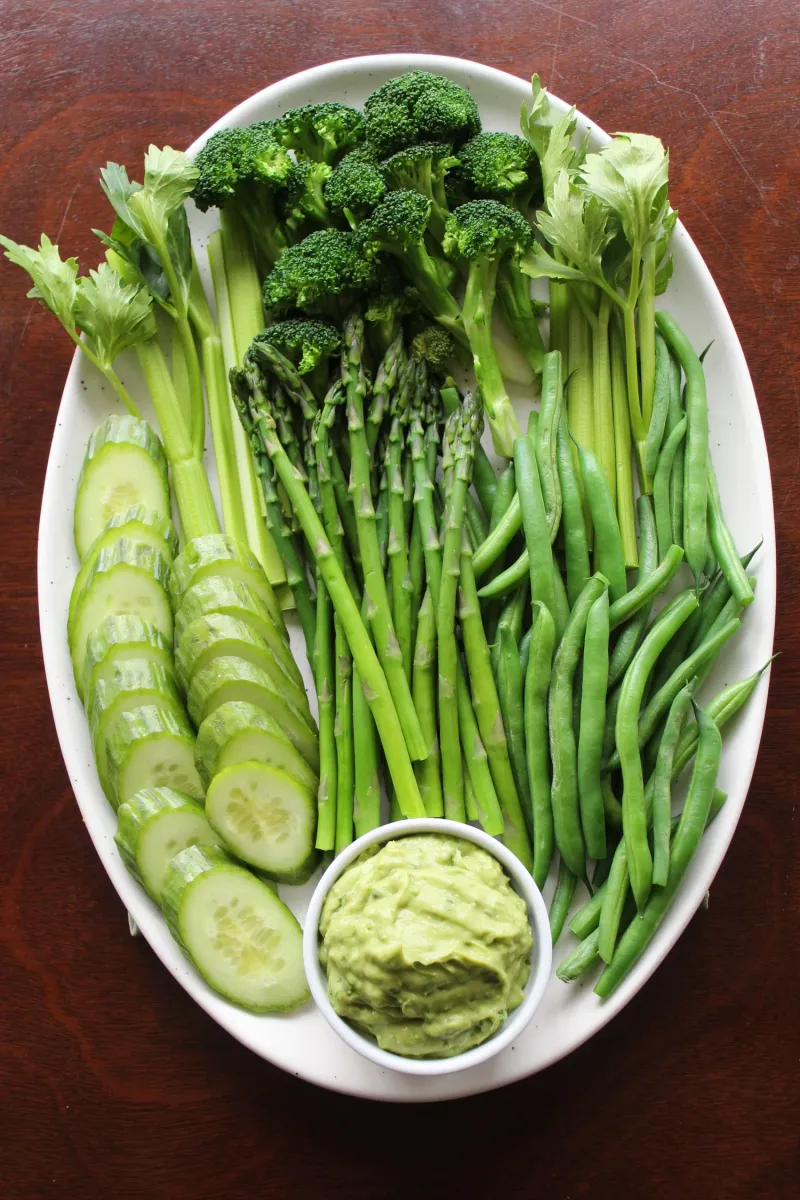
Celery is a fine, crunchy snack, and there is nothing wrong with making it a regular one. But the 2025 meta-analysis studied varied celery preparations, so its findings do not prove that everyday stalks bring noticeable changes.
Enjoy it if you like it, rinse it well, and keep it one vegetable among many. Leave medical decisions to your care team.
A snack can be good for the plate without being a miracle.
Share this story