Pulling a young tree shoot out of your yard feels like a quick win, but with tree-of-heaven it often is not. This invasive tree can send up new shoots from roots that are already established, and it also spreads by seed.
That means one pulled shoot may leave the real source untouched. Here is how to tell what you are looking at and what to do next.
Tree-of-heaven shoots can come from established roots
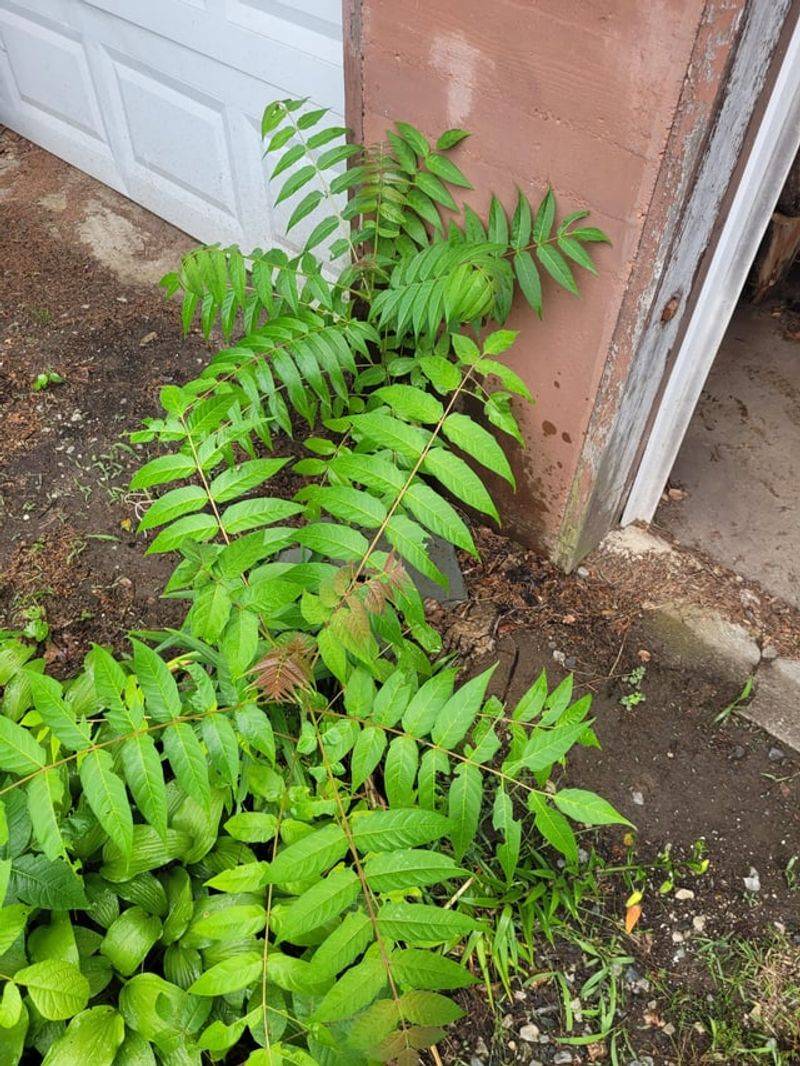
Some of the shoots that pop up along fences and garden edges are not new plants at all. A tree-of-heaven shoot can be connected to an established root system, so tugging the visible stem may leave the source in the ground.
Tree-of-heaven (Ailanthus altissima) is the main example in this article, and its habits do not apply to every invasive tree. University of Tennessee Extension’s tree-of-heaven guide explains that it spreads by seed and by root sprouts, and that established plants need repeated monitoring and treatment.
That is why a shoot that you pulled in spring can seem to return by summer. The roots are still alive, and they can send up more stems.
None of this means every Tennessee neighborhood has a problem. The species is documented in the state, and the Tennessee Department of Forestry’s invasive plants page lists it among the invasive plants of concern.
There is no survey data showing what share of yards or streets are affected.
What the science does give you is a way to think about a single unfamiliar shoot. Before you yank it, ask whether it is a young plant on its own roots or a sprout from a bigger plant nearby.
The answer decides what will actually work.
Seed and root sprouts create separate sources of new growth
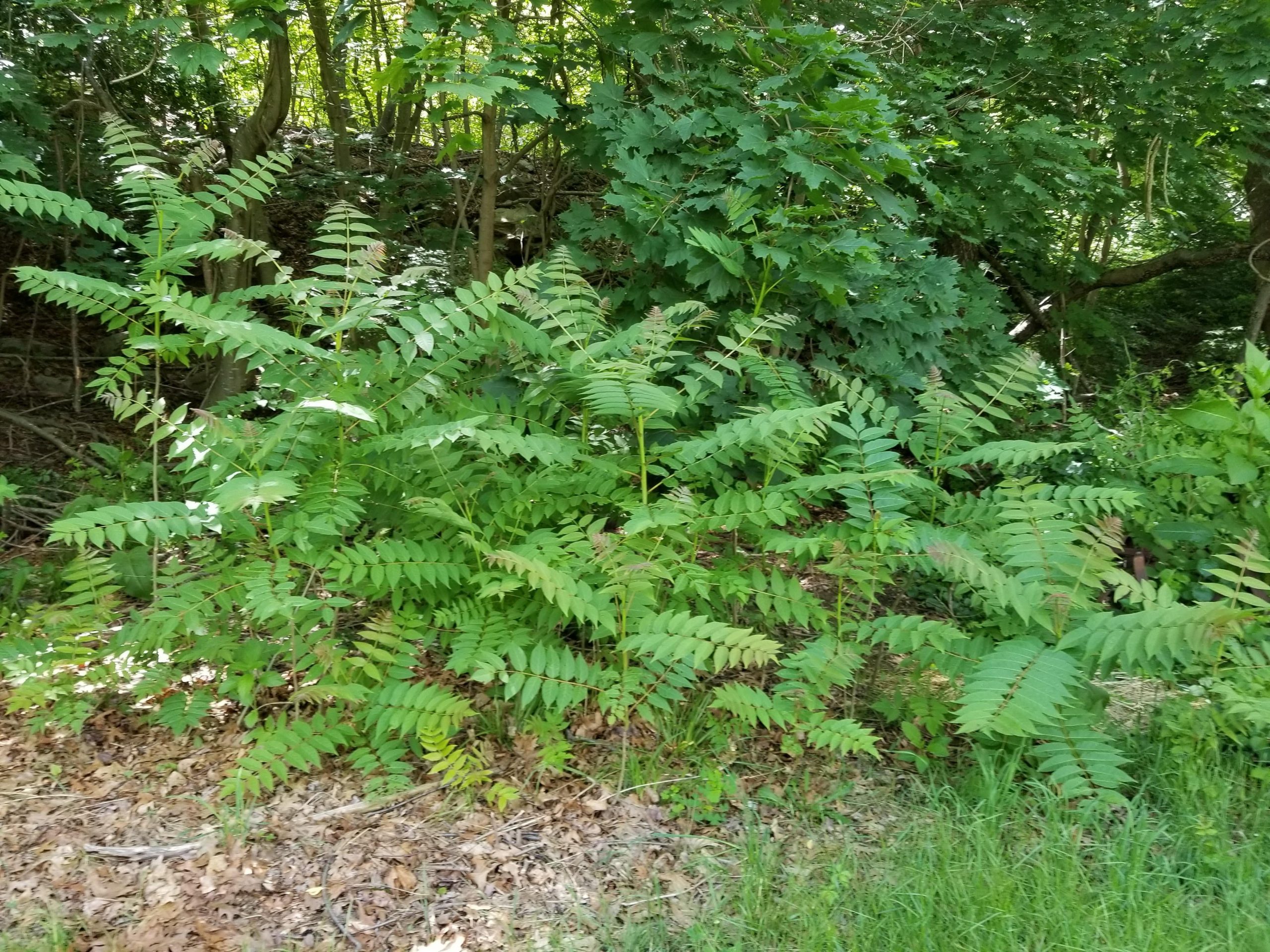
Tree-of-heaven has two ways to make new plants, and they work independently. One is seed, and the other is sprouting from roots.
According to the Tennessee Extension guide, seeds can be carried by wind, and roots can send up sprouts well away from a visible stem. The guide reports root sprouts emerging 30 to 50 feet from another stem.
Those numbers describe what the species is able to do. They are not a forecast for your yard, where a single plant may behave very differently depending on its age, the soil, and how often the ground is disturbed.
Disturbed soil matters, though. Digging, grading, and clearing can favor tree-of-heaven getting started, which is one reason a freshly cleared lot or garden edge can fill with shoots.
Put the two routes together and the problem with pulling one shoot becomes clear. If the shoot came from a root, the root stays and keeps producing.
If a seed-bearing tree is nearby, new seedlings can arrive even after you clear the ground.
So the useful question is not only how to remove this shoot, but where the next one might come from.
Identify the tree and the type of growth
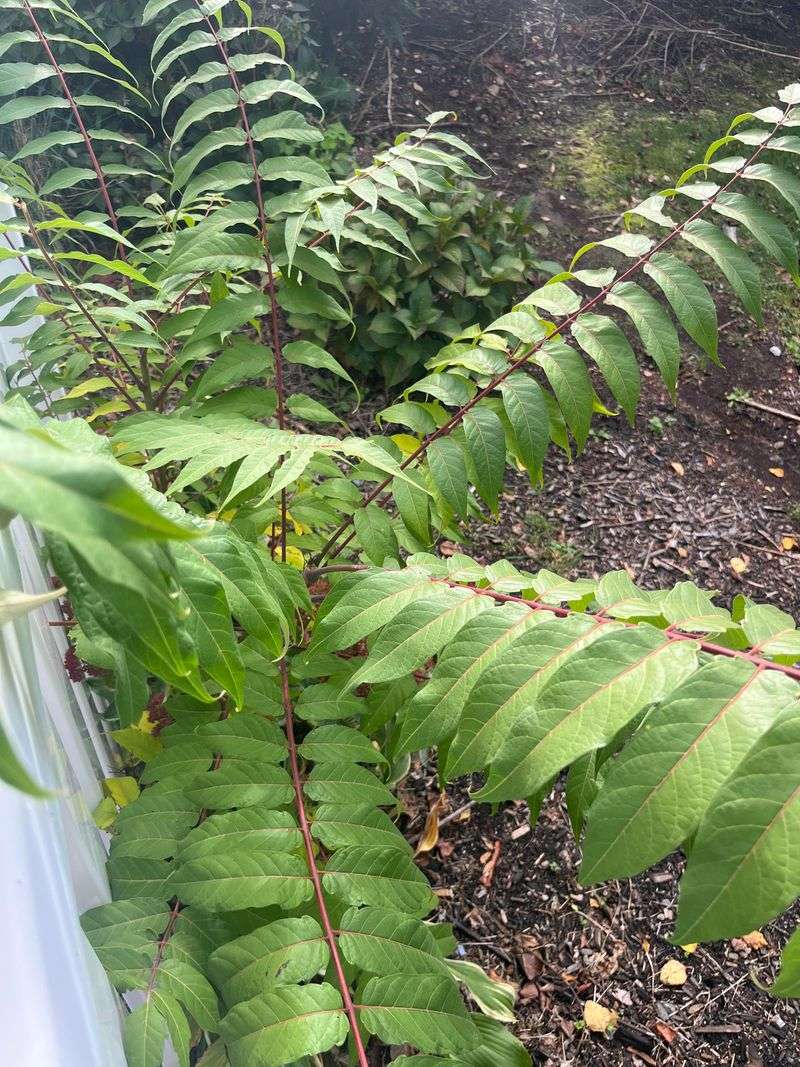
Two questions come before any action. What species is it, and is it a true seedling or a sprout from a root?
Tree-of-heaven has large compound leaves with many leaflets, and the Tennessee Extension guide describes leaf features that help separate it from other trees. A glandular notch near the base of the leaflets and a strong odor when crushed are commonly mentioned clues.
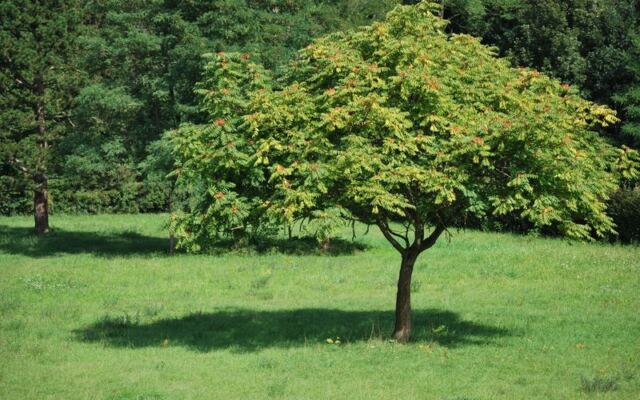
No single feature settles it, though. Tree-of-heaven can resemble native sumacs, walnut, and other trees.
The Tennessee Invasive Plant Council’s lookalike page specifically warns that native sumacs can be mistaken for it, and a wrong guess could mean removing a native plant.
Next, look at how the shoot grows. Dig gently around the base of a small plant.
A true seedling has a single thin root running from the stem. A root sprout is joined to a longer horizontal root that leads away from it, sometimes toward a larger tree.
Several shoots in a line or ring around one spot also point toward roots rather than seed.
If you cannot tell, take clear photos of the leaves, stem, and base, and send them to your county Extension office. A quick expert look is cheaper than a mistake.
Pulling works when the whole seedling root comes out
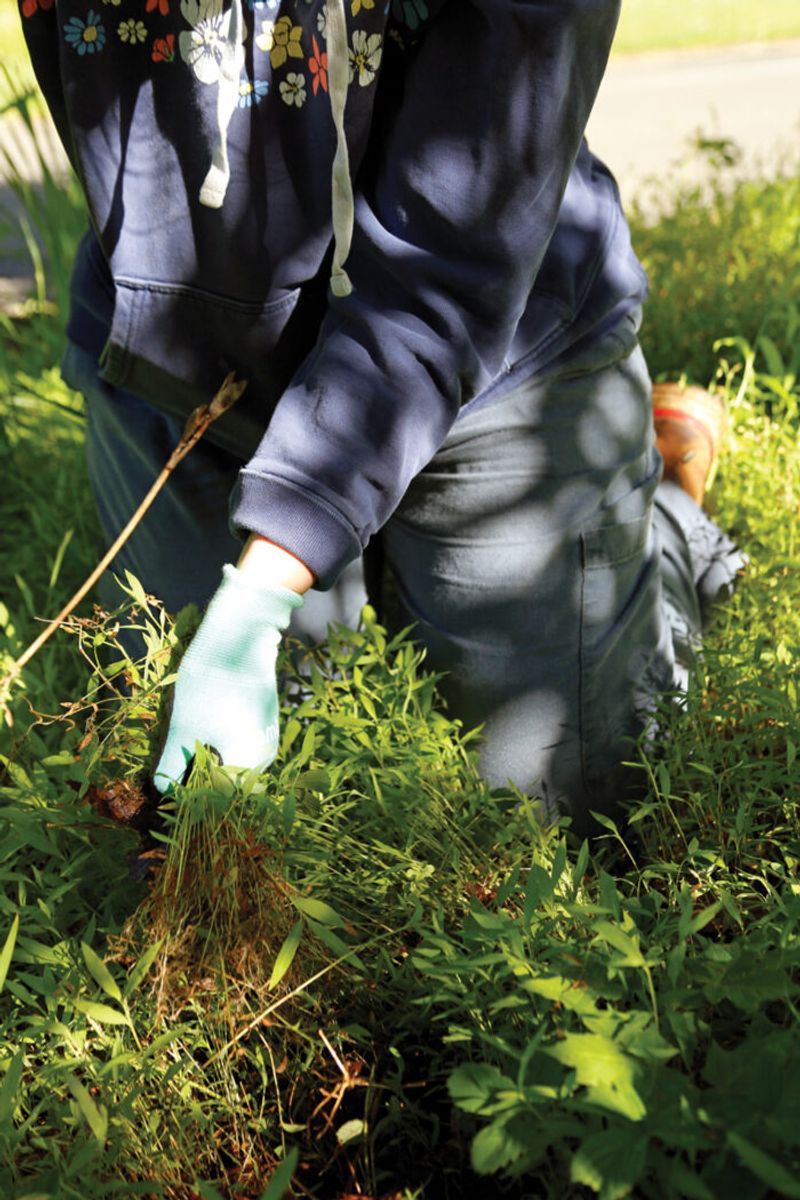
Hand-pulling is not useless. It can work on a small, true seedling, as long as the entire root comes out.
The U.S. Forest Service species review supports pulling seedlings only when the whole root is removed, and it notes that established root systems are hard to remove completely.
Soil that is damp, such as after rain, makes this easier because roots slide out more cleanly. Wear gloves, grip low on the stem, and pull slowly.
If the root snaps and a piece stays behind, check that spot again later.
A shoot attached to an established root system is a different job. Pulling the stem removes what you can see, but the root network keeps its stored energy and may send up replacements.
The Tennessee Extension guide says plants like this need repeated monitoring and treatment, not a one-time pull.
A simple test is resistance. A seedling usually lifts out with modest effort and a single short root.
If you meet a thick horizontal root that keeps going, stop. You are dealing with growth from an established plant.
Either way, mark the spot in your mind and look again in a few weeks.
Established trees need follow-up and local guidance
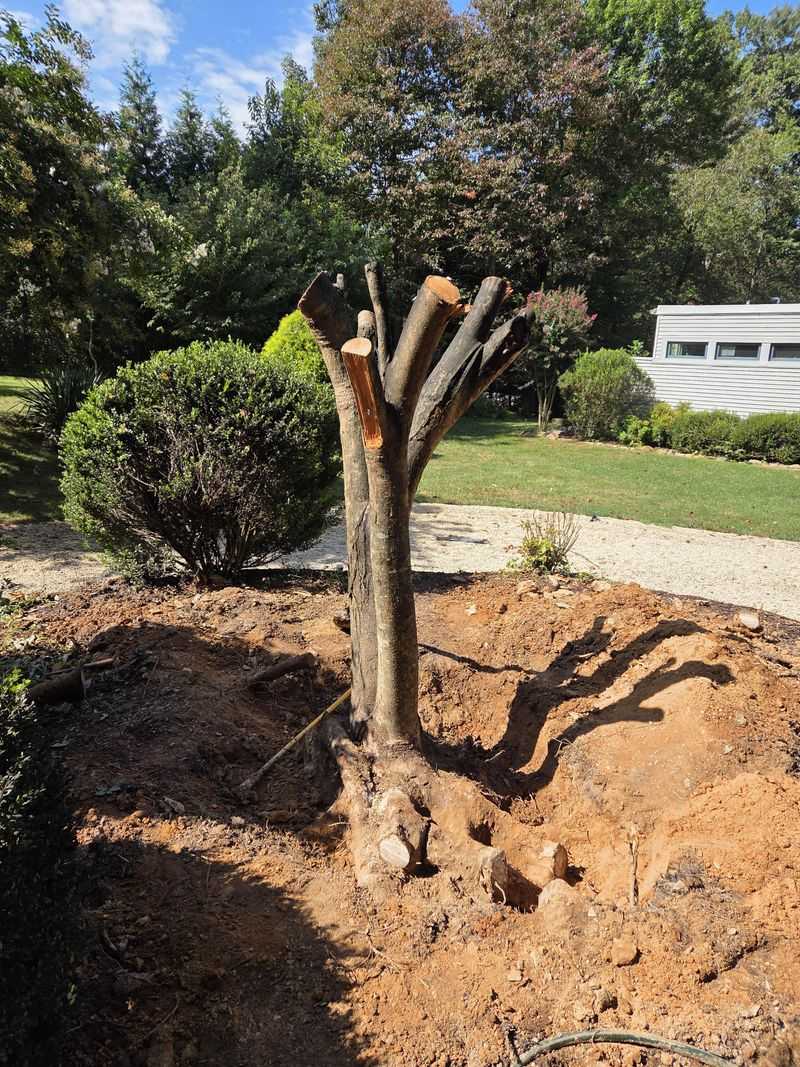
A larger tree-of-heaven calls for a plan that lasts more than one afternoon. Cutting alone is not complete control, because the tree can resprout from its roots and stump.
Experts do not fully agree on the details. The Tennessee Extension guide includes cut-stump treatment among its methods.
Rutgers Cooperative Extension cautions that treating an already-cut stump will not satisfactorily control the extensive root suckers, and describes treating before removal instead.
Because sources differ, this article will not name one method as the answer. Treat any cut-and-treat advice as something to check, not a guaranteed one-step fix.
Herbicide use adds another layer. The EPA explains that a pesticide label sets the conditions, directions, and precautions for how the product may be used.
Follow the specific label, and keep in mind that some treatments can affect nearby desirable plants.
Removal of a mature tree can also be dangerous, especially near houses, power lines, or sidewalks. Do not take down a large tree on your own just because it is invasive.
When you are unsure, call your county Extension office for current local advice, or hire a qualified tree professional. Plan on checking the site for new shoots over several seasons.
Callery pear is a different tree with different control needs
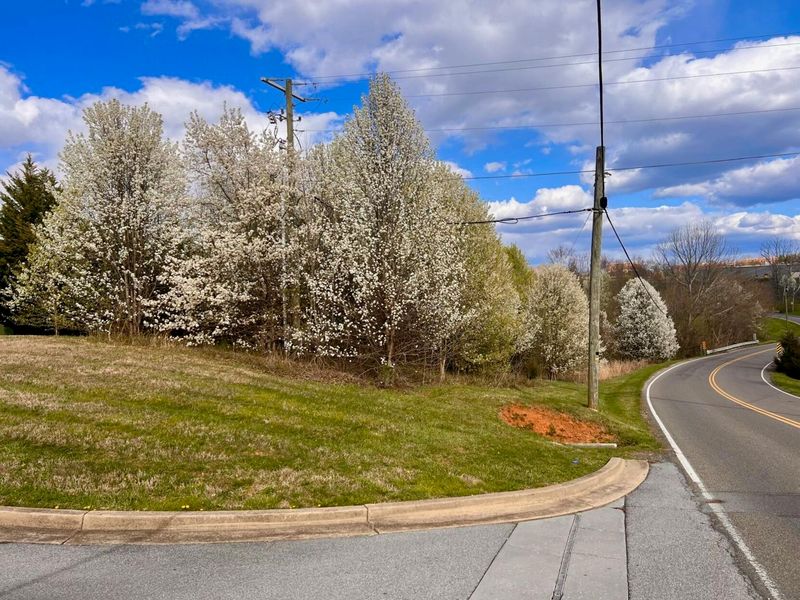
Not every unwanted tree in a neighborhood is tree-of-heaven. Callery pear, which includes the Bradford pear, is a separate tree with its own habits and its own control needs.
The Tennessee Extension invasive species guide documents its spread by bird-dispersed seed and by vegetative sprouts. It also explains that Bradford pear should not be called sterile: cultivars may be self-sterile, yet they can produce fruit after cross-pollination with other cultivars.
That explains why thorny pear seedlings can turn up far from any planted tree. Birds eat the small fruit and spread the seeds.
Small seedlings are the easy case. University of Maryland Extension notes that in moist soil, hand-pulling can be useful when the complete root is removed.
The Tennessee guide says control is most effective while plants are small, and that surveillance matters because seed can arrive from nearby areas.
Larger plants are handled differently. The Tennessee guide describes size-dependent treatments, and hand-pulling may leave roots that resprout.
Wear sturdy gloves, since young pears can have thorns. And as with tree-of-heaven, confirm the identification first.
Watch for new growth and check local rules
Match the response to the tree and the kind of growth. Pull small, true seedlings when the whole root will come out, and treat shoots from established roots as a longer project.
Then check the area every few weeks through the growing season, since the Tennessee Extension guidance stresses repeated monitoring.
Call your county Extension office or a qualified professional if you are unsure about identification, treatment, nearby plants you want to keep, or whether a removal is safe.
A word on lists. The Tennessee Invasive Plant Council says its lists have no regulatory authority, so a plant being listed does not make it illegal to own.
The Department of Agriculture separately keeps a list of regulated pest plants for transport and sale.
A shoot is easy to pull. Knowing what is under it is the part that takes patience.
Share this story